
The simple act of wearing a wedding ring is steeped in centuries of tradition and holds profound personal meaning. For many, it’s an outward declaration of commitment, a symbol of enduring love and partnership. Yet, a common question that arises, particularly in cross-cultural contexts or for those newly engaged or married, is: “What hand do you wear your wedding ring on?” This seemingly straightforward query opens a fascinating window into the diverse tapestry of global customs, historical influences, and the evolving landscape of personal expression within marriage. While the answer may appear straightforward in some cultures, a deeper dive reveals a rich interplay of tradition, symbolism, and individual choice that shapes this deeply personal decision.

The Historical Roots of Wedding Ring Placement
The practice of wearing a wedding ring on a specific finger, and by extension a specific hand, is not a universally prescribed mandate but rather a fascinating evolution of cultural and historical practices. Tracing these origins provides valuable insight into why certain traditions have taken root and persisted across generations.
The Ancient Roman Influence and the “Vena Amoris”
One of the most widely cited and romanticized explanations for the placement of the wedding ring on the fourth finger (the ring finger) of the left hand stems from ancient Roman beliefs. Romans, and before them, the Egyptians, are believed to have held a notion of the “vena amoris,” or “vein of love.” This supposed vein was thought to run directly from the fourth finger of the left hand to the heart. While anatomically inaccurate, the poetic sentiment behind this belief was powerful, symbolizing a direct conduit of love and connection between the wearer and their beloved. This deeply ingrained idea contributed significantly to the adoption of the left ring finger as the traditional spot for wedding jewelry in many Western cultures.
Early Christian Traditions and Symbolism
As Christianity became the dominant religion in Europe, it also began to influence marital customs. Early Christian traditions often incorporated the wedding ring as a symbol of betrothal and the solemnization of marriage. While the exact hand placement varied in early Christian rites, the left hand gradually gained prominence. Some interpretations suggest that the left hand was considered the “sinister” or less dominant hand, and thus, placing the ring on this hand symbolized humility and devotion. Conversely, others argue that the left hand, being closer to the heart, continued to reinforce the romantic symbolism of the “vena amoris.”
The Emergence of the “Ring Finger” Convention
Over time, the association of the fourth finger with marital commitment solidified into a widely accepted convention, particularly in Western Europe. This convention was further reinforced by religious ceremonies and societal expectations. The act of exchanging rings became a pivotal moment in wedding ceremonies, with the bride and groom typically placing the ring on each other’s left ring finger. This practice, once established, became a deeply ingrained social norm, influencing generations and becoming the default for many.
Cultural Variations and Contemporary Interpretations
While the left ring finger tradition is prevalent in many Western countries, it’s crucial to acknowledge that this is not a global standard. Cultural nuances and historical developments have led to diverse practices around the world, each with its own unique story and significance. Understanding these variations enriches our appreciation for the global phenomenon of wedding rings.
The Right Hand Tradition: A Contrasting Practice
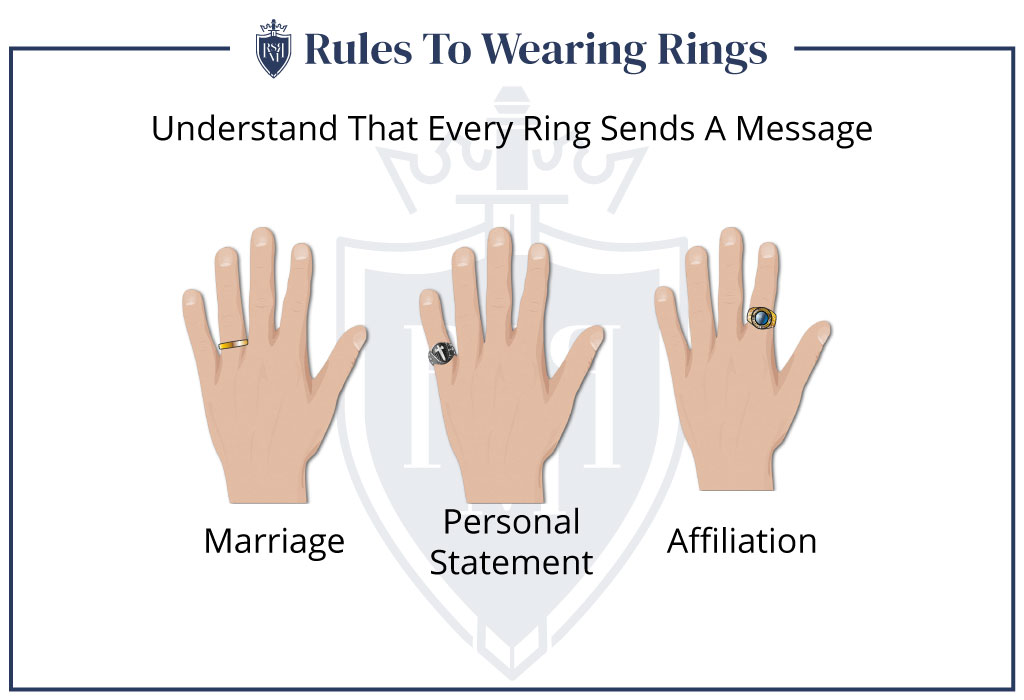
In several European countries, most notably Germany, Russia, Austria, Poland, and India (in certain regions and traditions), the wedding ring is traditionally worn on the ring finger of the right hand. This practice also has historical and symbolic underpinnings. In some of these cultures, the right hand was historically considered the “hand of truth” or the “hand of good fortune.” Placing the wedding ring on this hand was seen as a testament to the sincerity of the vows and a wish for a blessed union. This distinction highlights how the same symbol can carry different connotations based on regional history and cultural values.
Eastern Orthodox and Jewish Traditions
Within the Eastern Orthodox Church, the wedding ring is often initially placed on the right hand during the betrothal ceremony. After the wedding, it may be moved to the left hand, or it may remain on the right hand, depending on local customs. In Jewish tradition, the groom places a plain, unbroken band on the bride’s right index finger during the wedding ceremony. This finger is chosen because it’s the most prominent and easily seen. After the ceremony, the ring is typically moved to the left ring finger, reflecting a blend of tradition and common practice. These specific religious customs demonstrate the intricate layering of symbolism and practice within different faith communities.
The Absence of a Ring and Modern Adaptations
It’s also important to note that not all cultures have a tradition of wearing wedding rings. In some societies, other symbols of marital status exist, or no outward symbol is considered necessary. Furthermore, modern society is characterized by increasing globalization and intercultural connections. This has led to a greater awareness and sometimes adoption of practices from different cultures. Couples may choose to wear their rings on either hand based on personal preference, family traditions, or even practical considerations. The rise of interfaith or international marriages often necessitates conversations about these traditions and a joint decision-making process.
Personal Choice and the Evolving Meaning of the Wedding Ring
In contemporary society, while historical traditions hold significant weight, personal choice is playing an increasingly prominent role in how and where wedding rings are worn. The meaning of a wedding ring is ultimately defined by the individuals who wear it, and their decisions reflect evolving societal attitudes and personal values.
The Practicality Factor: Dominant Hand and Daily Life
For many, the decision of which hand to wear their wedding ring on is influenced by practicality. In cultures where the right hand is dominant, wearing a ring on the left hand might be more comfortable for daily tasks, work, or sports. Conversely, for left-handed individuals in cultures that favor the left ring finger, the right hand might be a more practical choice. This pragmatic approach underscores that the ring, while symbolic, also needs to function within the wearer’s daily life without undue inconvenience or risk of damage.
Expressing Individuality and Modern Partnerships
As societal norms around gender roles and partnerships continue to evolve, so too does the expression of marital commitment. Some couples are opting for matching rings worn on the same finger and hand, while others might choose different placements to signify their individual journey within the partnership. The rise of same-sex marriages has also contributed to a broader dialogue about traditions, leading to couples adopting practices that resonate most deeply with them, regardless of historical precedent. The wedding ring is becoming less about adhering to a strict rulebook and more about a personal affirmation of the marital bond.
The Rise of the “Engagement Ring” on the Other Hand
Another common practice, particularly in some Western cultures, is wearing the engagement ring on the left ring finger and then moving it to the right hand after the wedding, with the wedding band placed on the left ring finger. Alternatively, many couples wear both the engagement ring and the wedding band stacked on the same left ring finger. This practice is largely a stylistic choice, an aesthetic preference for how the rings complement each other. It highlights how the visual presentation of marital symbols is also a consideration for many.

Conclusion: A Symbol of Commitment, Tailored by Tradition and Choice
The question of “what hand do you wear your wedding ring on?” is far more than a simple query; it’s an invitation to explore a rich history of cultural beliefs, symbolic meanings, and evolving personal choices. From the ancient “vena amoris” to the practical considerations of daily life, the placement of a wedding ring is a testament to the diverse ways in which societies and individuals choose to express their commitment and their love. Whether worn on the left or the right, the ring remains a powerful symbol of partnership, a tangible reminder of promises made and a shared future embarked upon. Ultimately, the most significant aspect of the wedding ring is not its precise location, but the deep and personal meaning it holds for the wearer, a meaning that is continuously shaped by tradition and increasingly defined by individual expression.
aViewFromTheCave is a participant in the Amazon Services LLC Associates Program, an affiliate advertising program designed to provide a means for sites to earn advertising fees by advertising and linking to Amazon.com. Amazon, the Amazon logo, AmazonSupply, and the AmazonSupply logo are trademarks of Amazon.com, Inc. or its affiliates. As an Amazon Associate we earn affiliate commissions from qualifying purchases.