
The quest for an invigorating boost often leads consumers to the diverse world of tea, where caffeine content can vary dramatically. While the inherent chemical composition of the Camellia sinensis plant is the foundational determinant, the journey from leaf to cup – encompassing cultivation, processing, and brewing methods – profoundly influences the final caffeine yield. From a brand perspective, understanding these nuances is critical for product positioning, marketing narratives, and meeting specific consumer expectations in a competitive beverage market. Brands strategically leverage caffeine levels to differentiate products, from energizing morning brews to calming evening infusions, thereby shaping their corporate identity and market appeal.
Decoding Tea’s Caffeine Spectrum: A Brand Perspective
The caffeine content in tea is not uniform across varieties; rather, it’s a complex interplay of the tea plant’s genetics, environmental factors, leaf maturity, and subsequent processing. Brands often highlight or subtly manage these characteristics to align with their desired market segment.
The White Tea Anomaly: Delicate Branding vs. Caffeine Potential
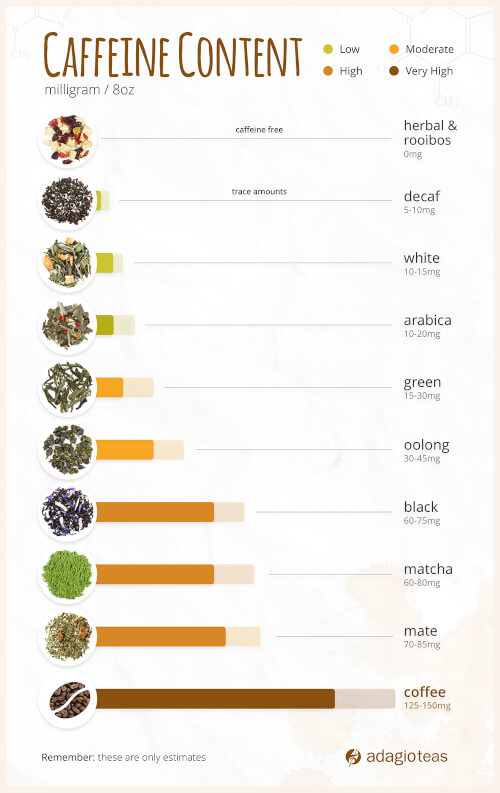
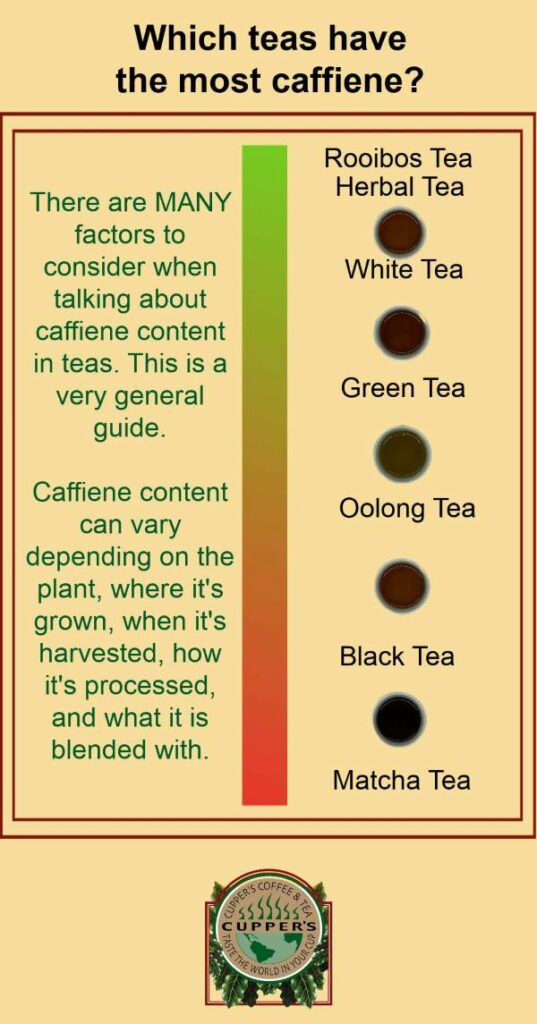
White tea, often celebrated for its delicate flavor profile and high antioxidant levels, is typically harvested from the youngest leaves and buds of the tea plant, which paradoxically contain some of the highest concentrations of caffeine in their raw state. However, due to minimal processing (wilting and drying), white tea leaves undergo less cellular breakdown than other types, potentially leading to less caffeine extraction during a standard brew. Brands marketing white tea frequently emphasize its purity, light body, and health benefits, appealing to consumers seeking a gentle, sophisticated experience rather than a potent energy hit. The branding here pivots away from caffeine as a primary selling point, focusing instead on elegance and wellness, even as its latent caffeine potential remains significant.
Green Tea’s Varied Vigor: Matcha as a Brand Powerhouse
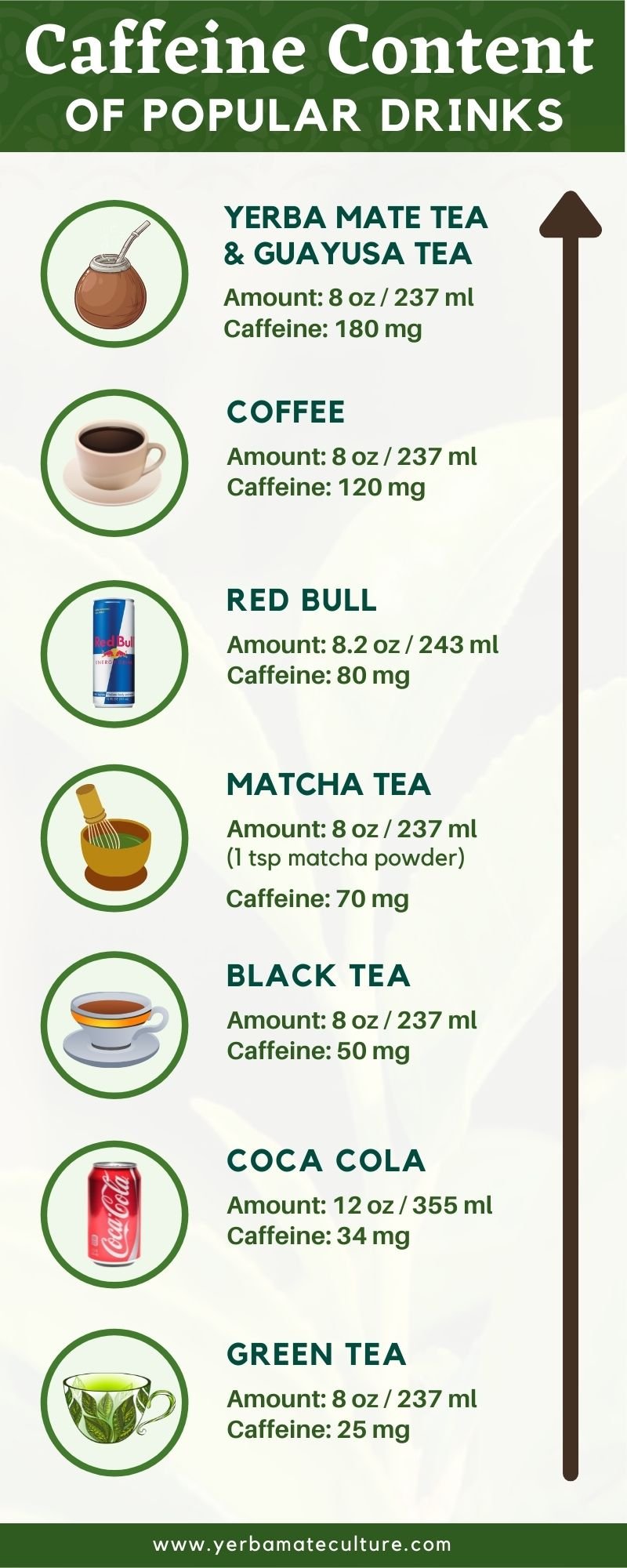
Green tea encompasses a broad spectrum, from sencha to gyokuro, and its caffeine levels are generally moderate. However, within this category, Matcha stands out as a unique branding success story built significantly on its amplified caffeine content and distinct preparation. Matcha is a powdered green tea where the leaves are shade-grown before harvest, a process that boosts chlorophyll and amino acid production, including L-Theanine. Because the entire tea leaf is consumed when drinking Matcha, its caffeine intake per serving is substantially higher than most other green teas and often comparable to or even exceeding a cup of coffee. Brands position Matcha as a “focused energy” beverage, touting its unique combination of caffeine and L-Theanine for sustained alertness without the jitters often associated with coffee. This blend of traditional ritual, health benefits, and potent, yet smooth, energy has allowed Matcha brands to command premium pricing and cultivate a dedicated, health-conscious consumer base, illustrating a masterful blend of product attribute and brand narrative. Other green teas are branded for everyday wellness, gentle morning starts, or specific regional origins, each with its own caffeine narrative.
Black Tea’s Robust Reputation: Consistent Energy Branding
Black tea is widely recognized and frequently marketed as the most caffeinated common tea type. Its processing involves full oxidation, which can lead to higher caffeine extraction during brewing compared to less oxidized teas. Brands like Assam, Darjeeling, and Ceylon have built their corporate identities around black tea’s robust flavor and its consistent ability to deliver a strong energy boost. These brands often target consumers looking for a reliable morning pick-me-up or an afternoon revitalizer. The branding emphasis is on strength, tradition, and often a bold, full-bodied experience, with caffeine being an implicit, if not explicit, promise of invigoration. While gram-for-gram, dry green tea leaves might sometimes contain more caffeine than black tea leaves, the typical brewing methods and resulting cup yield often place black tea at the top for caffeine content in a standard serving, a perception strongly reinforced by decades of marketing.
Oolong and Pu-erh: Niche Branding for Specific Energy Needs
Oolong tea, semi-oxidized, falls between green and black tea in terms of processing and, consequently, caffeine content. Its levels can vary widely depending on the degree of oxidation, from lighter oolongs closer to green tea to darker ones approaching black tea. Brands specializing in oolong often highlight its aromatic complexity and unique flavor profiles rather than solely its caffeine. The branding here is about exploration, connoisseurship, and a sophisticated palate. Similarly, Pu-erh tea, a fermented tea, also presents variable caffeine levels. Young Pu-erh can be quite stimulating, while aged Pu-erh is sometimes perceived as having a mellower effect, despite potentially high caffeine. Pu-erh brands often emphasize its rarity, aging process, and purported digestive benefits, appealing to a niche market of experienced tea drinkers. For both oolong and Pu-erh, caffeine is often a secondary attribute to the unique processing and flavor journey, showcasing how brands can pivot their core message depending on the product’s primary appeal.
Brand Strategy and Caffeine Positioning
The strategic positioning of tea products heavily relies on how brands communicate caffeine content, aligning it with consumer lifestyles and perceived benefits.
Crafting the “Energy” Narrative: Marketing High-Caffeine Teas
Brands aiming to capture the “energy” market segment overtly market their high-caffeine teas. This involves using language like “revitalizing,” “invigorating,” “focus-enhancing,” or “morning kick.” Packaging often features vibrant colors, bold typography, and imagery suggesting dynamism and productivity. Messaging frequently compares their teas to coffee or energy drinks, highlighting tea’s “smoother” energy release, often attributed to L-Theanine, which mitigates the jitters. This branding strategy positions tea not just as a beverage but as a functional tool for performance and well-being, appealing to professionals, students, and anyone needing a sustained boost.
Premiumization Through Potency: The Case of Specialty Teas
For specialty and artisanal tea brands, high caffeine content, particularly when combined with unique processing or origin, can contribute to premiumization. For instance, brands offering high-grade Matcha or single-estate black teas might highlight their inherent potency as a mark of quality and efficacy. Consumers are often willing to pay more for products that deliver superior results, be it a refined flavor experience or a potent, yet smooth, energy lift. The branding here often intertwines caffeine with notions of craftsmanship, authenticity, and exclusive benefits, elevating the perceived value beyond a mere commodity.
Consumer Perception and Brand Loyalty in the Caffeinated Tea Market
Consumer perception of caffeine levels significantly influences purchasing decisions and fosters brand loyalty. Brands that consistently deliver on their caffeine promise – whether it’s a strong boost or a gentle lift – build trust. For brands targeting the energy segment, transparency about actual caffeine content (e.g., “X mg of caffeine per serving”) can be a strong selling point, differentiating them from competitors who might be vaguer. Conversely, brands marketing decaffeinated or low-caffeine options for evening consumption build loyalty by catering to different lifestyle needs, demonstrating an understanding of the full spectrum of consumer demand.
Design and Identity: Communicating Caffeine Levels
Visual identity and packaging design play a pivotal role in telegraphing a tea’s caffeine profile without explicitly stating it, guiding consumer expectations at a glance.
Visual Cues and Packaging Design for Energy Teas
Packaging for high-caffeine teas often employs design elements associated with energy and vitality. This can include:
- Color Palettes: Bold reds, oranges, deep blacks, and electric blues often signify intensity and power.
- Typography: Strong, assertive fonts communicate efficacy and confidence.
- Imagery: Graphics might depict mountains, sunrises, lightning bolts, or active individuals, reinforcing the idea of energy and endurance.
- Texture and Finish: Matte finishes or metallic accents can add a sense of premium quality and robust performance.
These design choices create an immediate visual language that informs consumers about the product’s functional benefits, aiding in quick decision-making on crowded shelves.
Digital Storytelling: Branding Caffeine Content Online
In the digital realm, brands use storytelling to elaborate on their teas’ caffeine attributes. Through blog posts, social media campaigns, and influencer collaborations, they can explain the nuances of how their specific tea (e.g., shade-grown Matcha, first flush Darjeeling) derives its caffeine, how it affects the body differently from coffee, and ideal consumption times. This digital narrative builds a deeper connection with consumers, educating them while reinforcing the brand’s identity as an expert and a purveyor of quality, functional beverages. Video content showcasing the harvesting and processing can further authenticate caffeine claims and enhance brand trust.
The Future of Tea Branding: Innovation in Energy and Focus
As consumer demands evolve, so too must tea branding, particularly in the realm of energy and focus. Future branding efforts will likely focus on even greater transparency, personalization, and functional innovation.
Emerging Trends: Functional Teas and Nootropic Blends
The market is seeing a rise in “functional” teas, which combine traditional tea leaves with other botanicals, adaptogens, or nootropics to enhance specific effects, including energy and cognitive focus. Brands entering this space brand these products as “smart teas” or “performance blends,” emphasizing not just caffeine, but also the synergistic effects of other ingredients. The branding challenge here is to communicate complex scientific benefits in an accessible, trustworthy manner, often requiring educational content alongside appealing visual design. This segment offers significant growth potential for brands that can credibly deliver on enhanced focus and sustained energy.
Ethical Branding and Transparency in Caffeine Claims
Increasingly, consumers are demanding greater transparency from brands, not just about ingredients but also about sourcing, sustainability, and ethical labor practices. For caffeine content, this translates to clear labeling and honest communication about how caffeine levels are determined (e.g., lab-tested averages vs. estimated ranges). Brands that adopt ethical sourcing practices for their high-caffeine teas and transparently share this information can build stronger trust and loyalty. This ethical dimension becomes a crucial part of the brand identity, appealing to a socially conscious consumer base and differentiating them in a crowded market. The future of tea branding will likely see a blend of precise caffeine delivery with a strong narrative of responsible production.
aViewFromTheCave is a participant in the Amazon Services LLC Associates Program, an affiliate advertising program designed to provide a means for sites to earn advertising fees by advertising and linking to Amazon.com. Amazon, the Amazon logo, AmazonSupply, and the AmazonSupply logo are trademarks of Amazon.com, Inc. or its affiliates. As an Amazon Associate we earn affiliate commissions from qualifying purchases.