
In an increasingly health-conscious world, the quest for optimal nutrition often intersects directly with personal finance and market economics. Understanding the protein content in various milk options isn’t just about dietary benefits; it’s a strategic financial decision for consumers and a critical market positioning strategy for businesses. When evaluating “what type of milk has the most protein,” we’re not merely dissecting nutritional labels but also conducting a sophisticated cost-benefit analysis, exploring market dynamics, and identifying lucrative opportunities within the burgeoning health and wellness economy.
Maximizing Your Nutritional ROI: High-Protein Milk as a Personal Financial Strategy
For the astute consumer, every dollar spent on groceries is an investment in personal well-being. The protein content of milk plays a significant role in this investment, impacting everything from daily energy levels to long-term health outcomes and, consequently, potential healthcare expenditures. Making financially sound choices about high-protein milk can be a cornerstone of a robust personal financial strategy.
The Cost-Benefit Analysis of Protein Intake
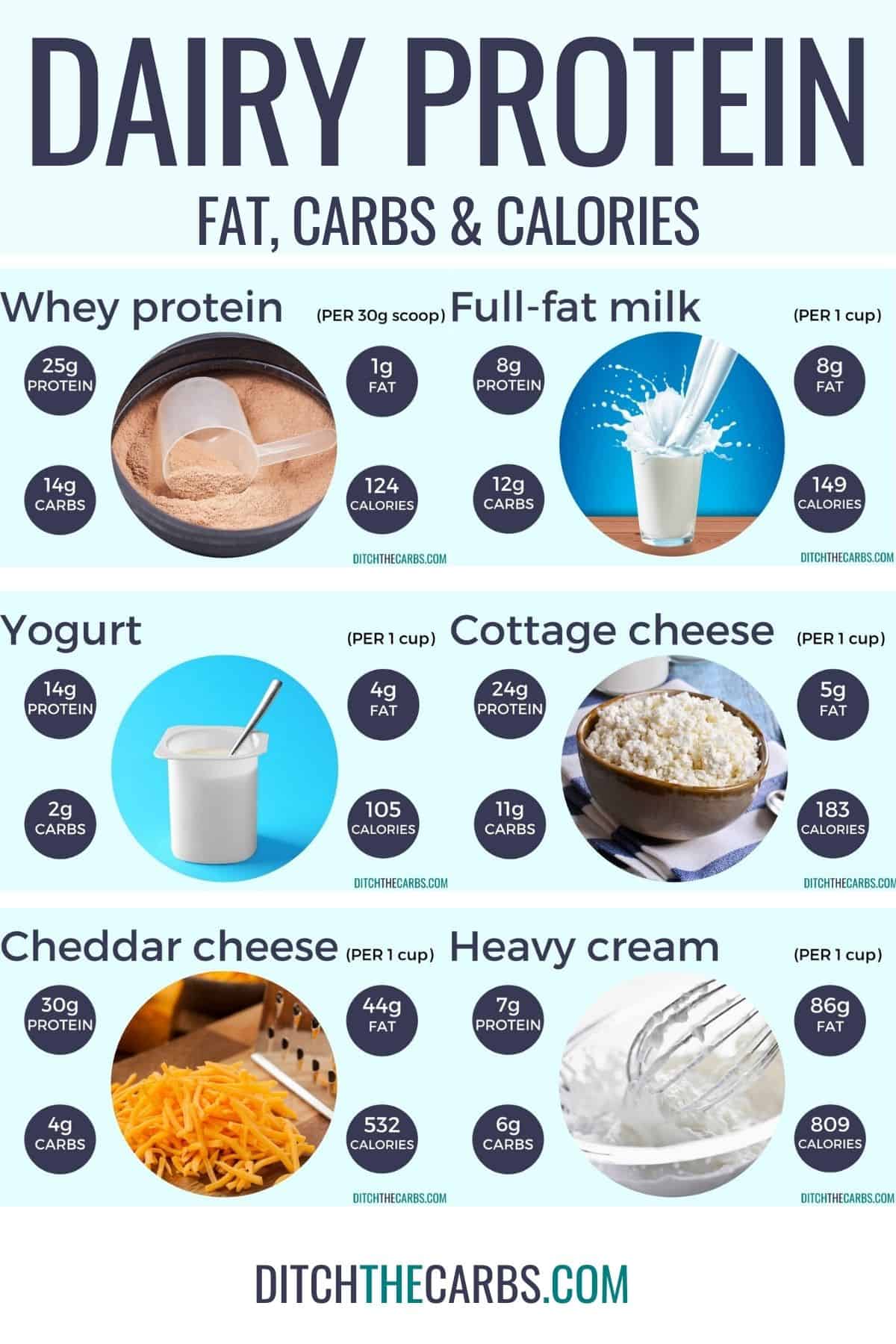
Protein is an essential macronutrient, indispensable for muscle repair, hormone production, and overall cellular function. A diet rich in protein can contribute to satiety, aid in weight management, and support active lifestyles, potentially reducing the need for costly dietary supplements or future medical interventions related to metabolic health. When considering milk as a protein source, the financial assessment goes beyond the immediate price tag. Is the higher cost of a protein-fortified or naturally higher-protein milk justified by its enhanced nutritional yield?
For instance, standard dairy milk typically offers around 8 grams of protein per cup (240ml). However, ultra-filtered milk products can boast 13-16 grams per cup. Plant-based options vary widely, with soy milk often leading the pack at 7-8 grams, while almond or rice milks frequently provide only 1 gram or less unless fortified. From a financial perspective, a consumer seeking to meet daily protein targets might find that investing in a higher-protein milk, despite its premium price, offers better protein-per-dollar value than purchasing a lower-protein alternative and supplementing the deficit with more expensive protein powders or other food sources. This strategic allocation of grocery funds optimizes the return on nutritional investment.
Consider a scenario where a consumer needs 20 grams of protein from milk.
- Using standard dairy milk (8g/cup): ~2.5 cups needed. If milk is $0.25/cup, total cost: $0.63.
- Using ultra-filtered milk (15g/cup): ~1.33 cups needed. If milk is $0.40/cup, total cost: $0.53.
- Using almond milk (1g/cup): 20 cups needed. If milk is $0.30/cup, total cost: $6.00 (and highly impractical).
This basic calculation demonstrates how a higher unit price per cup for protein-rich options can sometimes translate into a lower overall cost to achieve a specific protein target, making it a more financially astute choice for health-conscious budgeters.
Budgeting for Better Nutrition: Smart Spending on Dairy
Effective personal finance hinges on judicious budgeting, and grocery expenses are a significant component. When it comes to milk, smart spending involves not just seeking out sales but understanding the inherent value propositions. Shoppers should assess their protein needs and compare the protein density of various milk types against their unit cost.
For those adhering to strict budgets, calculating the “protein per penny” or “protein per dollar” can be an enlightening exercise. This involves dividing the total grams of protein in a container by its retail price. This metric allows consumers to objectively compare the financial efficiency of different milk options, from conventional whole milk to organic skim, and from fortified plant-based beverages to specialty protein milks. A family seeking to maximize nutritional value without overspending might find that a larger, economy-sized carton of ultra-filtered dairy milk, despite its higher initial outlay, provides the most cost-effective protein source over time, reducing the need for other, potentially pricier protein supplements.
Furthermore, consider the opportunity cost. Choosing a low-protein, high-sugar beverage might save a few cents upfront but could lead to increased cravings, lower satiety, and a greater likelihood of unhealthy snacking, ultimately costing more in additional food purchases or impacting health negatively. Prioritizing high-protein milk is an investment in satiety and sustained energy, which can indirectly lead to savings by curbing impulse purchases and supporting overall dietary adherence.
Diversifying Your Dietary Portfolio: Beyond Traditional Dairy
Just as a savvy investor diversifies their financial portfolio, a health-conscious individual should diversify their dietary protein sources. While dairy milk and its high-protein variants often offer excellent protein density and bioavailability, the market also presents an array of plant-based milks. Understanding their protein profiles and financial implications is crucial for comprehensive dietary and financial planning.
- Soy Milk: Often the closest plant-based competitor to dairy milk in terms of protein content (around 7-8g per cup), soy milk can be a financially attractive option for those seeking plant-based alternatives. Its price point is often competitive with conventional dairy.
- Pea Protein Milk: Emerging as a strong contender, milks made from pea protein can deliver 8-10g of protein per cup, rivaling or even surpassing some dairy milks. These products typically carry a premium price due to specialized processing and brand positioning, requiring a careful cost-benefit analysis.
- Oat Milk, Almond Milk, Rice Milk: These options generally offer minimal protein unless heavily fortified. From a protein-per-dollar perspective, they represent a poor financial investment if the primary goal is protein intake. Their value lies in other attributes like flavor, texture, or specific dietary restrictions, not protein efficiency.
For the budget-conscious and health-savvy consumer, a diversified “milk portfolio” might include a combination: a primary high-protein dairy or pea milk for foundational protein, supplemented by cheaper, lower-protein options for specific culinary uses or taste preferences, ensuring nutritional goals are met without overextending the grocery budget.
The Business of Bovine and Botanical: Financial Implications of High-Protein Milk Production and Sales
For businesses in the food and beverage sector, the protein content of milk is not merely a nutritional fact; it’s a powerful lever for market segmentation, premium pricing, and strategic investment. The answer to “what type of milk has the most protein” directly informs business models, research and development outlays, and supply chain strategies, all of which have profound financial implications.
Market Segmentation and Premium Pricing
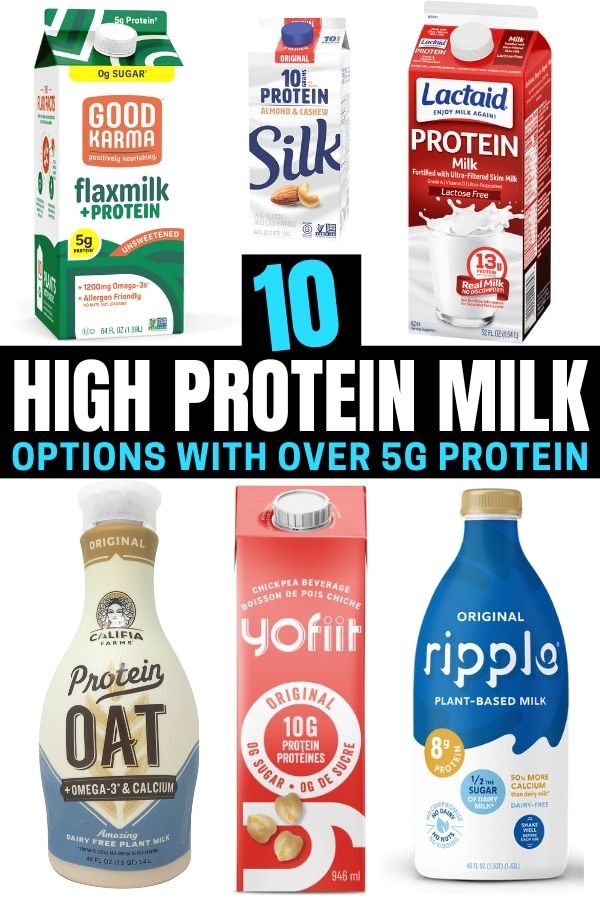
The emergence of high-protein milk products allows companies to segment the market and target specific consumer demographics—athletes, fitness enthusiasts, and health-conscious individuals—who are willing to pay a premium for enhanced nutritional benefits. Brands like Fairlife, known for its ultra-filtered milk, exemplify this strategy, offering significantly higher protein (13-14g per cup) at a price point often 50-100% higher than conventional milk.
This premium pricing strategy is financially viable because it aligns with consumer demand for functional foods. The perception of added value, whether it’s more protein, less sugar, or lactose-free options, justifies the higher cost in the minds of target consumers. For businesses, this translates into higher profit margins per unit, offsetting potentially higher production costs associated with filtration technologies or specialized sourcing. Companies invest heavily in marketing and branding to articulate this value proposition, ensuring that consumers understand the financial wisdom of spending more for a superior nutritional product.
Investment in Innovation: R&D Costs for Enhanced Protein Content
Developing milks with higher protein content, whether through advanced filtration techniques for dairy or sophisticated fortification processes for plant-based alternatives, requires substantial investment in research and development (R&D). Ultra-filtration technology, for instance, separates milk into its core components, allowing producers to concentrate protein while reducing lactose. This process demands specialized equipment, energy consumption, and skilled labor, all contributing to significant capital expenditures.
For plant-based milk manufacturers, achieving higher protein levels often involves sourcing specific protein isolates (like pea protein or soy protein isolate) and integrating them effectively into formulations without compromising taste or texture. This R&D effort, focused on both nutritional enhancement and sensory appeal, represents a long-term financial commitment. The expectation is that these investments will yield a substantial return through increased market share, brand loyalty, and the ability to command premium prices, ultimately boosting top-line revenue and bottom-line profitability. Financial forecasting and rigorous cost analysis are critical to ensuring these R&D projects are sustainable and yield positive economic outcomes.
Supply Chain Economics: From Farm to Fridge
The economics of sourcing, processing, and distributing high-protein milk products are complex and directly influence their final retail price and a company’s financial health. For dairy milk, factors such as feed costs, herd management practices that influence milk quality (including protein content), and processing plant efficiencies all contribute to the cost structure. Ultra-filtered milk adds another layer of complexity with specialized equipment and increased energy usage at the processing stage.
For plant-based milks, the supply chain involves sourcing specific crops (soybeans, oats, almonds, peas), often from global markets, which introduces currency exchange risks and commodity price volatility. Transportation, manufacturing, and cold chain logistics also play a critical role in the overall cost. Companies must meticulously manage these supply chain variables to maintain profitability, especially in a competitive market where consumer price sensitivity remains a factor. Strategic partnerships with suppliers, efficient inventory management, and optimized distribution networks are key financial imperatives for delivering high-protein milk products to market economically.
Capitalizing on Nutritional Trends: High-Protein Milk in the Creator Economy
The rise of the creator economy has opened new avenues for income generation by leveraging expertise and insights, including those related to nutrition. Understanding “what type of milk has the most protein” is not just for personal health or corporate strategy; it’s a valuable piece of knowledge that can be monetized by influencers, educators, and entrepreneurs in the digital space.
Content Creation and Monetization Strategies
Fitness influencers, registered dietitians, and food bloggers can capitalize on the public’s interest in high-protein diets by creating engaging content around milk choices. This can take many forms: detailed product reviews of various high-protein milks, comparison videos analyzing protein-to-cost ratios, recipe development using protein-rich milk, or educational posts explaining the benefits of higher protein intake.
Monetization pathways include:
- Affiliate Marketing: Recommending specific high-protein milk brands or related products (e.g., blenders for protein shakes, protein powders) and earning a commission on sales generated through unique links.
- Sponsored Content: Partnering directly with milk brands to create sponsored posts, videos, or series that highlight their high-protein offerings, thereby generating direct income.
- Digital Products: Developing and selling e-books, meal plans, or online courses that incorporate high-protein milk into healthy eating strategies.
- Ad Revenue: For platforms like YouTube or blogs, increased viewership driven by relevant, high-quality content about nutritional topics like milk protein can translate into higher advertising revenue.
These strategies transform nutritional knowledge into tangible online income streams, making the understanding of milk protein content a valuable asset in the digital marketplace.
Building a Niche Brand Around Protein-Rich Diets
Entrepreneurs can leverage the demand for high-protein products, including milk, to build specialized brands. This could involve creating a meal prep service focused on high-protein options, a subscription box for health-conscious individuals that includes novel protein-rich dairy or plant-based milks, or even developing a private-label line of high-protein beverages.
For example, a business could focus on providing customized, pre-portioned smoothie kits where high-protein milk is a key ingredient, targeting busy professionals or athletes. The deep understanding of different milk types and their protein contributions allows such a business to accurately formulate products that meet specific nutritional goals, thereby attracting a dedicated customer base and fostering brand loyalty. This approach demonstrates how a fundamental nutritional inquiry can be the genesis of a commercially successful venture, turning dietary insights into business capital.

Financial Tools for Nutritional Tracking and Budgeting
In the digital age, a myriad of financial tools and apps exist to help individuals manage their money. Many of these tools now integrate, or can be leveraged for, nutritional tracking that indirectly influences financial decision-making about food. Budgeting apps can be customized to track grocery spending specifically on categories like dairy or plant-based alternatives, allowing users to see how much they are investing in high-protein options versus other food groups.
Furthermore, apps that track macronutrient intake often have databases that include various milk types and their protein content. By cross-referencing nutritional data with personal grocery spending data, individuals can identify where their money is most effectively spent to meet their protein goals. This convergence of financial and nutritional tracking empowers consumers to make data-driven decisions, optimizing both their physical health and their financial bottom line by investing wisely in products like high-protein milk.
aViewFromTheCave is a participant in the Amazon Services LLC Associates Program, an affiliate advertising program designed to provide a means for sites to earn advertising fees by advertising and linking to Amazon.com. Amazon, the Amazon logo, AmazonSupply, and the AmazonSupply logo are trademarks of Amazon.com, Inc. or its affiliates. As an Amazon Associate we earn affiliate commissions from qualifying purchases.