
Borax powder, scientifically known as sodium tetraborate, is far more than a simple household staple; it represents a mineral compound with significant economic implications across various sectors, from personal finance and small business ventures to industrial supply chains. Understanding its composition, properties, and applications reveals its diverse financial value, making it a critical ingredient for cost-saving strategies, niche market product development, and global commodity markets. For individuals and entrepreneurs navigating the landscape of personal budgeting, online income generation, or managing business finances, delving into the specifics of borax uncovers opportunities for efficiency and profitability.
The Economic Utility of a Multifaceted Mineral
Borax is a naturally occurring mineral first discovered in dry lake beds in Tibet and later extensively mined in California. Its inherent properties – as a powerful cleaning agent, a flux, a buffer, and an insecticide – translate directly into its economic utility. From reducing household expenses to serving as a critical raw material in various industries, its impact on financial planning and business operations is noteworthy.
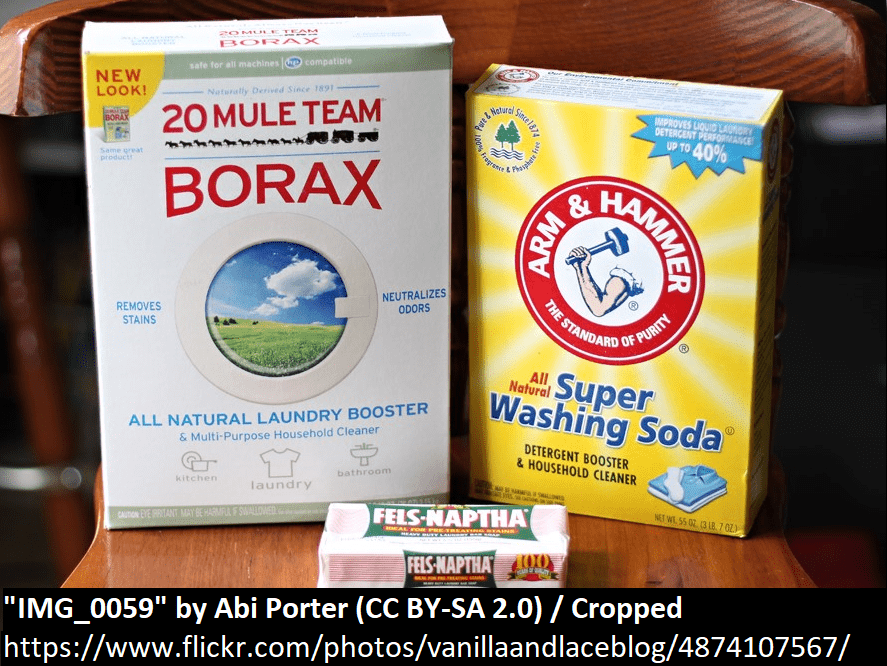
Borax in the Context of Household Budgeting and DIY Savings
For budget-conscious consumers, borax powder presents a compelling case for cost savings. Its versatility allows for the creation of numerous homemade products that often outperform and are significantly cheaper than their commercial counterparts. This shift from purchasing branded goods to DIY alternatives directly impacts personal finance, freeing up capital that would otherwise be spent on consumables.
- Homemade Cleaning Solutions: Borax is a primary ingredient in many DIY cleaning recipes for laundry detergent, all-purpose cleaners, toilet bowl scrubbers, and dishwashing soap. By sourcing borax and other basic ingredients, households can drastically reduce their monthly expenditure on cleaning supplies. This not only offers a direct financial saving but also allows for greater control over the chemicals used, appealing to a segment of consumers prioritizing natural or less harsh alternatives.
- Pest Control Alternatives: As a natural insecticide, borax can be used to manage common household pests like ants, cockroaches, and silverfish. Creating simple bait solutions with borax is a far more economical approach than relying on professional exterminators or continually purchasing expensive commercial pest control products, thus preserving household budgets.
- Odor Neutralization: Borax acts as a pH buffer, effectively neutralizing odors in carpets, garbage disposals, and pet areas. This eliminates the need for purchasing specialized deodorizers, contributing further to household savings. The cumulative effect of these small savings can be substantial over time, underscoring borax’s role as a tool in prudent personal financial management.
Industrial Applications and Their Market Significance
Beyond household uses, borax holds substantial market significance as a raw material in numerous industrial applications. These large-scale uses contribute to its global demand and price dynamics, affecting businesses across various sectors.
- Glass and Ceramics Manufacturing: One of borax’s largest industrial applications is in the production of glass and ceramics. It acts as a flux, lowering the melting point of silica, which reduces energy consumption during manufacturing. In fiberglass production, borax improves the strength and durability of the fibers. For companies in these sectors, borax is a key cost component, and fluctuations in its price or availability directly impact production costs and, consequently, profit margins.
- Metallurgy: In metallurgy, borax is used as a flux for welding and soldering, cleaning metal surfaces and preventing oxidation. For businesses involved in metal fabrication or repair, the consistent supply and stable pricing of borax are crucial for operational efficiency and managing material costs.
- Agriculture: Borax is a vital micronutrient for plant growth and is used in fertilizers to correct boron deficiencies in soils. For agricultural businesses, ensuring adequate boron levels can significantly boost crop yields and quality, directly impacting revenue and profitability. Investment in borax-based fertilizers is a financial decision with tangible returns in agricultural output.
- Flame Retardants: Borax compounds are used as flame retardants in various materials, including textiles and wood products. This application is driven by safety regulations and consumer demand for fire-resistant products, creating a consistent market for borax in industries focusing on safety compliance and product innovation.
Borax as a Raw Material for Entrepreneurial Ventures
For individuals looking to generate online income or launch side hustles, borax powder presents itself as an accessible and versatile raw material for a range of commercially viable products. Its low cost and wide utility make it an attractive option for small-scale manufacturing and direct-to-consumer sales.
Crafting for Profit: Slime, Bath Bombs, and Beyond
The DIY movement has created significant opportunities for entrepreneurs leveraging common ingredients like borax. Products that are relatively easy to make, require minimal startup capital, and appeal to niche markets can become profitable ventures.
- Slime Production: The popularity of “slime” among children and hobbyists has created a lucrative market. Borax is a key activator in many slime recipes, turning glue into the desired stretchy, tactile substance. Entrepreneurs can produce unique slime formulations (e.g., scented, glitter, glow-in-the-dark) and sell them online through platforms like Etsy, Shopify, or social media, capitalizing on the high-profit margins due to the low cost of ingredients.
- Bath Bombs and Spa Products: While borax is used cautiously in bath products due to skin sensitivity concerns for some, modified borates or extremely diluted borax can serve as emulsifiers or pH balancers in specific spa formulations. More commonly, borax’s role as a water softener or cleaning agent might inspire adjacent product lines that appeal to health and wellness niches, such as homemade laundry boosters designed for sensitive skin, creating a diversified product portfolio.
- Art and Craft Supplies: Beyond slime, borax is used in various craft applications, such as making crystal ornaments or as an ingredient in homemade glazes. Entrepreneurs can sell borax in bulk to other crafters or develop unique craft kits, tapping into the creative economy and online marketplaces for artisan goods.
DIY Cleaning Solutions: A Cost-Effective Business Model
Extending the personal finance benefits to a business model, entrepreneurs can create and sell homemade cleaning solutions using borax as a primary ingredient. This venture appeals to eco-conscious consumers and those seeking alternatives to harsh commercial chemicals.
- E-commerce Potential: By formulating effective, environmentally friendly cleaning products (e.g., concentrated laundry powders, all-purpose sprays, stain removers) with borax, businesses can establish an online presence. Marketing these products emphasizes cost-effectiveness, natural ingredients, and superior performance, attracting a loyal customer base willing to pay a premium for quality and sustainability.
- Subscription Box Services: A recurring revenue model can be established through subscription boxes offering refills or monthly supplies of borax-based cleaning products. This predictable income stream is highly valued in business finance, providing stability and forecasting capabilities for small businesses.
- Wholesale to Local Businesses: Entrepreneurs can also supply their borax-based cleaning products to local eco-friendly stores, farmers’ markets, or even professional cleaning services, opening up wholesale revenue streams and expanding market reach beyond direct consumer sales.

Sustainable Practices and Niche Markets
The growing demand for sustainable and natural products creates fertile ground for businesses leveraging borax. Positioning products as environmentally friendly, effective, and cost-efficient can carve out profitable niches. By understanding consumer preferences for transparency in ingredients and sustainable sourcing, entrepreneurs can build a strong brand identity around borax-based offerings. This aligns with financial strategies focused on long-term growth and market differentiation.
Understanding Supply Chains and Financial Implications of Borax
The procurement and management of borax within a business model, whether small-scale or industrial, require an understanding of supply chain dynamics and their financial implications. Efficient sourcing and inventory management directly impact profitability and operational stability.
Global Sourcing and Commodity Pricing
Borax is primarily mined in specific regions globally, leading to a concentrated supply chain. Major producers include Turkey and the United States. This geographical concentration means that geopolitical events, trade policies, and mining capacities can significantly influence global borax prices.
- Impact on Business Finance: For businesses that rely heavily on borax, monitoring these global dynamics is crucial. Fluctuations in commodity prices can directly affect the cost of goods sold, impacting profit margins. Long-term contracts with suppliers, hedging strategies, or diversifying sourcing options can be financial tools to mitigate these risks.
- Logistics and Transportation Costs: Given its global sourcing, transportation costs are a significant component of the landed cost of borax. Businesses must factor in shipping, tariffs, and customs duties when calculating product costs and setting retail prices, influencing their overall pricing strategy and competitiveness.
Risk Management and Inventory for Small Businesses
For entrepreneurs and small businesses, effective inventory management of borax is essential for financial health. Holding too much inventory ties up capital and incurs storage costs, while holding too little risks stockouts and lost sales.
- Just-in-Time (JIT) vs. Bulk Purchasing: Small businesses must weigh the benefits of JIT inventory management (minimizing holding costs but risking supply disruptions) against bulk purchasing (securing lower unit costs but increasing carrying costs). This decision directly impacts cash flow and working capital.
- Supplier Relationships: Cultivating strong relationships with borax suppliers can lead to better pricing, more favorable payment terms, and preferential treatment during supply shortages, all of which have direct financial benefits.
- Quality Control: Ensuring the quality and purity of borax sourced is paramount, especially for products intended for consumer use. Substandard materials can lead to product recalls, reputational damage, and significant financial losses, highlighting the importance of due diligence in supplier selection.
Regulatory Landscape and Consumer Trust in Borax-Based Products
Navigating the regulatory environment and building consumer trust are critical for the financial success and longevity of any business dealing with borax. Compliance costs, safety considerations, and transparent communication directly influence market access and brand equity.
Compliance Costs and Market Access
Borax is classified differently across various regulatory bodies globally (e.g., EPA in the US, ECHA in the EU). Its use in consumer products, especially those that come into contact with skin or food, is subject to specific guidelines and restrictions.
- Testing and Certification: Businesses must invest in product testing and obtain necessary certifications to ensure compliance, adding to operational costs. Failure to comply can result in fines, product recalls, and severe financial penalties, underscoring the importance of understanding and adhering to local and international regulations.
- Labeling Requirements: Accurate and transparent labeling, including ingredient lists, usage instructions, and safety warnings, is not only a regulatory requirement but also a crucial aspect of consumer communication. Misleading labels can lead to legal issues and erosion of consumer trust.

Building Brand Trust through Transparency and Safety
In a market increasingly sensitive to product safety and ingredient transparency, businesses using borax must proactively build and maintain consumer trust. This directly impacts brand loyalty and market share.
- Clear Communication on Use: Educating consumers on the safe and appropriate use of borax-containing products is vital. This includes dosage recommendations, warnings against ingestion, and proper storage, managing expectations and preventing misuse that could lead to negative experiences.
- Addressing Concerns Proactively: Public discourse around borax often includes misconceptions or concerns about its safety. Brands that openly address these concerns with scientific evidence and clear explanations can differentiate themselves, fostering a sense of reliability and integrity that translates into stronger customer relationships and sustained revenue.
- Sustainable Sourcing and Ethical Practices: Beyond safety, demonstrating a commitment to sustainable sourcing of borax and ethical manufacturing practices can resonate with a growing segment of financially conscious consumers who prioritize responsible businesses, enhancing brand value and attracting a loyal customer base.
In conclusion, borax powder, at its core, is a simple mineral. Yet, its understanding and application offer a complex tapestry of financial considerations. From enabling household budget savings and fueling entrepreneurial ventures to impacting large-scale industrial economics and demanding careful regulatory navigation, its presence is deeply intertwined with financial strategy and market dynamics across a surprisingly broad spectrum.
aViewFromTheCave is a participant in the Amazon Services LLC Associates Program, an affiliate advertising program designed to provide a means for sites to earn advertising fees by advertising and linking to Amazon.com. Amazon, the Amazon logo, AmazonSupply, and the AmazonSupply logo are trademarks of Amazon.com, Inc. or its affiliates. As an Amazon Associate we earn affiliate commissions from qualifying purchases.