
Engineering stands as the bedrock of modern civilization, a discipline that transforms scientific discovery into tangible reality. From the intricate circuits powering our smartphones to the towering skyscrapers defining our skylines, and the sophisticated algorithms driving artificial intelligence, engineers are the architects of the future. It’s a field characterized by relentless problem-solving, analytical rigor, and an insatiable drive to innovate, applying principles of science and mathematics to design, build, and maintain complex systems and structures.
The sheer breadth of engineering can be daunting to grasp, as its specializations have expanded exponentially with technological progress. What began with foundational disciplines has burgeoned into a vast ecosystem of interdisciplinary fields, each addressing unique challenges and pushing the boundaries of what’s possible. Understanding these diverse branches is crucial for anyone aspiring to contribute to the world’s technological evolution, or simply for those curious about the mechanisms that underpin our increasingly complex global infrastructure. This article will explore the major types of engineering, delving into their core functions, technological applications, and the impact they have on our lives, firmly rooting itself within the context of technology’s continuous advancement.
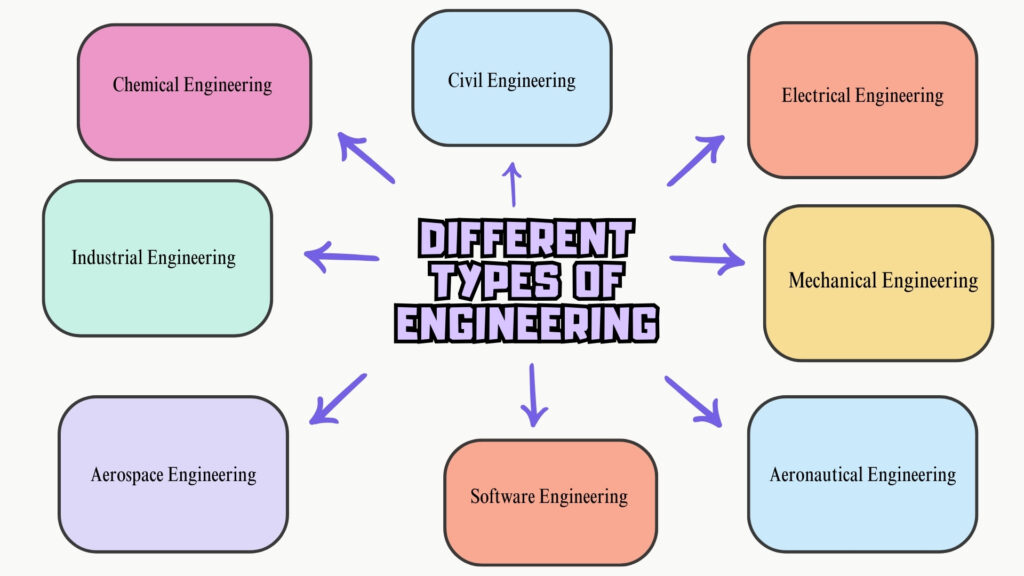
The Foundational Pillars: Shaping Our Physical and Mechanical World
At its heart, engineering began with the need to build and create physical structures and machines. These foundational disciplines continue to be critical, evolving with new materials, computational tools, and sustainability demands. They are the backbone of our physical infrastructure and manufacturing capabilities.
Civil Engineering: Building the Infrastructure of Society
Civil engineering is arguably one of the oldest engineering disciplines, focused on the design, construction, and maintenance of the physical and naturally built environment. This includes roads, bridges, canals, dams, airports, sewerage systems, pipelines, structural components of buildings, and railways. Civil engineers are instrumental in urban planning, ensuring cities are resilient, sustainable, and functional. Their work directly impacts public health, safety, and economic development, integrating principles of structural mechanics, geotechnical analysis, and environmental science to create the essential infrastructure that supports human civilization. Innovations in this field are increasingly driven by smart city technologies, sustainable materials, and resilience planning against climate change.
Mechanical Engineering: The Science of Motion and Energy
Mechanical engineering is a broad discipline concerned with the design, analysis, manufacturing, and maintenance of mechanical systems. It is one of the most versatile engineering fields, involving the principles of motion, energy, and force. Mechanical engineers create everything from tiny nanobots to massive industrial machinery, from intricate biomedical devices to high-performance jet engines. Their expertise spans areas like thermodynamics, fluid mechanics, materials science, robotics, and manufacturing processes. They are at the forefront of developing new energy systems, automation, advanced materials, and sustainable manufacturing techniques, consistently pushing the boundaries of what machines can achieve.
Electrical Engineering: Powering Our Connected World
Electrical engineering is dedicated to the study and application of electricity, electronics, and electromagnetism. This field is incredibly diverse, encompassing everything from microelectronics and circuit design to large-scale power generation, transmission, and distribution systems. Electrical engineers are responsible for the intricate workings of our modern electronic devices, telecommunications networks, control systems, and renewable energy technologies. They design the chips in our computers, the antennas that enable wireless communication, and the power grids that light up our homes and businesses, making them indispensable to virtually every aspect of contemporary technology.
The Digital Frontier: Engineering the Information Age
As technology advanced, the focus shifted beyond the purely physical to the realm of information, data, and digital systems. These engineering types are responsible for the software, hardware, and networks that define our digital existence.
Computer Engineering: Bridging Hardware and Software
Computer engineering sits at the intersection of electrical engineering and computer science. These engineers specialize in the design, development, and integration of computer hardware and software. They build microprocessors, embedded systems, circuit boards, and network architectures, often working on the “firmware” that bridges the gap between the physical components and the operating system. Their expertise is crucial for creating everything from consumer electronics and automotive systems to advanced robotics and high-performance computing platforms, ensuring seamless interaction between digital logic and physical components.
Software Engineering: Crafting the Digital Experience
Software engineering is the systematic application of engineering principles to the design, development, testing, and maintenance of software. Unlike pure programming, software engineering emphasizes structured methodologies, quality assurance, scalability, and maintainability. Software engineers create operating systems, web applications, mobile apps, enterprise solutions, AI systems, and more. They utilize various programming languages, development frameworks, and agile methodologies to build robust, efficient, and user-friendly digital products and services that power virtually every industry today.
Data Engineering: Architecting Information Flow
In an age driven by vast amounts of data, data engineering has emerged as a critical discipline. Data engineers are responsible for designing, building, and maintaining the infrastructure and systems that collect, store, process, and analyze large datasets. They create robust data pipelines, ensure data quality, and optimize data flow, making data accessible and usable for data scientists, machine learning engineers, and business analysts. Their work with big data technologies, cloud platforms, and distributed systems is fundamental to enabling data-driven decision-making and the development of intelligent applications across all sectors.
Specialized and Interdisciplinary Fields: Tackling Niche Challenges
Beyond the core disciplines, many engineering fields have emerged by applying engineering principles to specific industries or complex, multifaceted problems, often drawing from multiple foundational areas.

Aerospace Engineering: Conquering the Skies and Beyond
Aerospace engineering is dedicated to the design, construction, and science of aircraft and spacecraft. This field is subdivided into aeronautical engineering (focusing on vehicles operating within Earth’s atmosphere) and astronautical engineering (focusing on vehicles operating outside the Earth’s atmosphere). Aerospace engineers tackle challenges related to aerodynamics, propulsion, structural mechanics, avionics, and control systems. They are critical to commercial aviation, national defense, and the ambitious endeavors of space exploration, continually pushing the boundaries of flight and space travel.
Chemical Engineering: Transforming Matter at Scale
Chemical engineering applies principles of chemistry, physics, biology, and mathematics to design, operate, and optimize processes that transform raw materials into valuable products. This can include pharmaceuticals, plastics, fuels, food products, and advanced materials. Chemical engineers are involved in process design, reaction kinetics, fluid dynamics, and thermodynamics, often working on large-scale industrial processes. Their expertise is vital for sustainable manufacturing, energy production, environmental protection, and the development of new materials with specific properties.
Biomedical Engineering: Engineering for Health and Life
Biomedical engineering integrates engineering principles with medical and biological sciences to improve human health. This interdisciplinary field focuses on designing and developing medical devices, diagnostic equipment, prosthetics, artificial organs, imaging systems, and pharmaceutical therapies. Biomedical engineers work on challenges like tissue engineering, biomechanics, clinical instrumentation, and rehabilitation engineering, playing a crucial role in advancing medical technology and patient care.
Environmental Engineering: Protecting Our Planet
Environmental engineering applies scientific and engineering principles to protect and improve the environment, particularly concerning human health. These engineers address issues such as water and air pollution control, hazardous waste management, sustainable resource management, and climate change mitigation. They design and implement systems for water treatment, waste disposal, air quality monitoring, and renewable energy, working towards creating a healthier and more sustainable planet for future generations.
Emerging Horizons: Engineering for Tomorrow’s Challenges
The pace of technological change ensures that new engineering disciplines are constantly emerging or rapidly evolving, often at the intersection of established fields. These areas represent the cutting edge of innovation.
Robotics Engineering: Automating the Future
Robotics engineering is an interdisciplinary field that combines mechanical, electrical, computer, and software engineering with artificial intelligence to design, build, operate, and apply robots. Robotics engineers develop intelligent machines capable of performing tasks autonomously or semi-autonomously, from industrial automation and surgical assistance to exploration and service robotics. This field is central to advances in manufacturing, logistics, healthcare, and human-computer interaction, aiming to create more efficient and capable systems.
AI/Machine Learning Engineering: Building Intelligent Systems
AI/Machine Learning engineering focuses on the practical application of artificial intelligence and machine learning algorithms to solve real-world problems. These engineers design, develop, and deploy intelligent systems that can learn from data, make predictions, and automate decision-making. Their work involves data preprocessing, model selection, training, evaluation, and the deployment of AI models into production environments. From personalized recommendations to autonomous vehicles and medical diagnostics, AI/ML engineers are at the forefront of creating the next generation of smart technologies.
Cybersecurity Engineering: Securing the Digital Realm
With increasing reliance on digital systems, cybersecurity engineering has become paramount. These engineers design, implement, and maintain secure systems and networks to protect data, infrastructure, and privacy from cyber threats. They analyze vulnerabilities, develop security protocols, implement encryption, and respond to cyberattacks. Their expertise is critical in safeguarding everything from national infrastructure and corporate secrets to personal information, ensuring the integrity and resilience of our digital world.
Choosing Your Path: Considerations for Aspiring Engineers
The array of engineering disciplines can be overwhelming, but choosing a path can be guided by several factors. Prospective engineers should consider their passions, skills, and the impact they wish to make. Do you love designing physical objects, or are you fascinated by the logic of software? Are you driven by environmental sustainability, or the intricacies of human health? Engineering offers a unique opportunity to combine scientific curiosity with practical application, leading to a career where innovation is the constant.
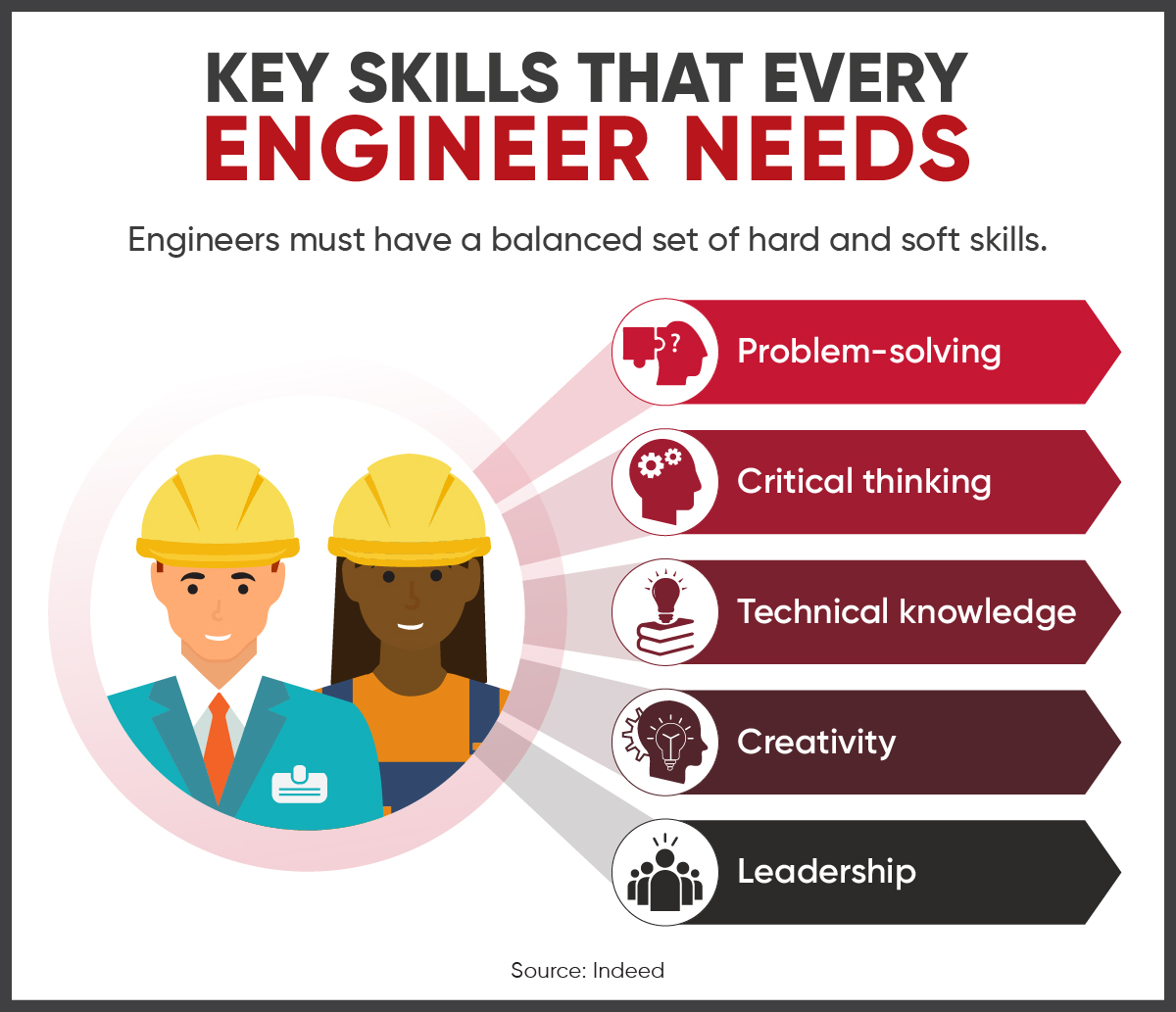
The field is not just about technical aptitude; it also demands creativity, problem-solving skills, critical thinking, and a commitment to continuous learning. As technology evolves at an unprecedented rate, engineers must remain adaptable, embracing new tools, methodologies, and challenges.
Conclusion
The engineering landscape is a dynamic and ever-expanding frontier, a testament to human ingenuity and our ceaseless drive to innovate. From the monumental structures of civil engineering to the intricate algorithms of software and AI engineering, each discipline plays a vital role in shaping our world. These diverse fields, though distinct in their focus, are united by a common goal: to apply scientific knowledge to solve complex problems, improve lives, and advance technology.
Understanding the various types of engineering reveals not just the breadth of human achievement but also the immense opportunities that lie ahead. Engineers are, by definition, builders of the future, constantly reimagining what is possible and transforming visions into reality. As technology continues its rapid evolution, the role of engineers will only become more critical, standing as the indispensable force driving progress and addressing the grand challenges of our interconnected, increasingly digital world.
aViewFromTheCave is a participant in the Amazon Services LLC Associates Program, an affiliate advertising program designed to provide a means for sites to earn advertising fees by advertising and linking to Amazon.com. Amazon, the Amazon logo, AmazonSupply, and the AmazonSupply logo are trademarks of Amazon.com, Inc. or its affiliates. As an Amazon Associate we earn affiliate commissions from qualifying purchases.