
Ever found yourself captivated by a feline friend, its unique markings, or its peculiar personality, and wondered, “What type of cat is this?” While the internet is awash with adorable cat pictures and forums dedicated to breeds, understanding the “type” of cat can go beyond just breed identification. It can delve into its background, its potential needs, and even how its very presence might intersect with our modern lives – our technology, our personal brands, and even our financial considerations.
This exploration isn’t just about deciphering a pedigree; it’s about applying a 21st-century lens to a timeless companionship. We’ll leverage the power of technology to help identify breeds and traits, consider how our pets influence our personal branding, and even touch upon the financial aspects of pet ownership. So, whether you’ve adopted a mysterious shelter cat or are simply curious about the diverse world of felines, let’s embark on a journey to answer the fundamental question: “What type of cat is this?”

Unmasking the Breed: Leveraging Technology for Cat Identification
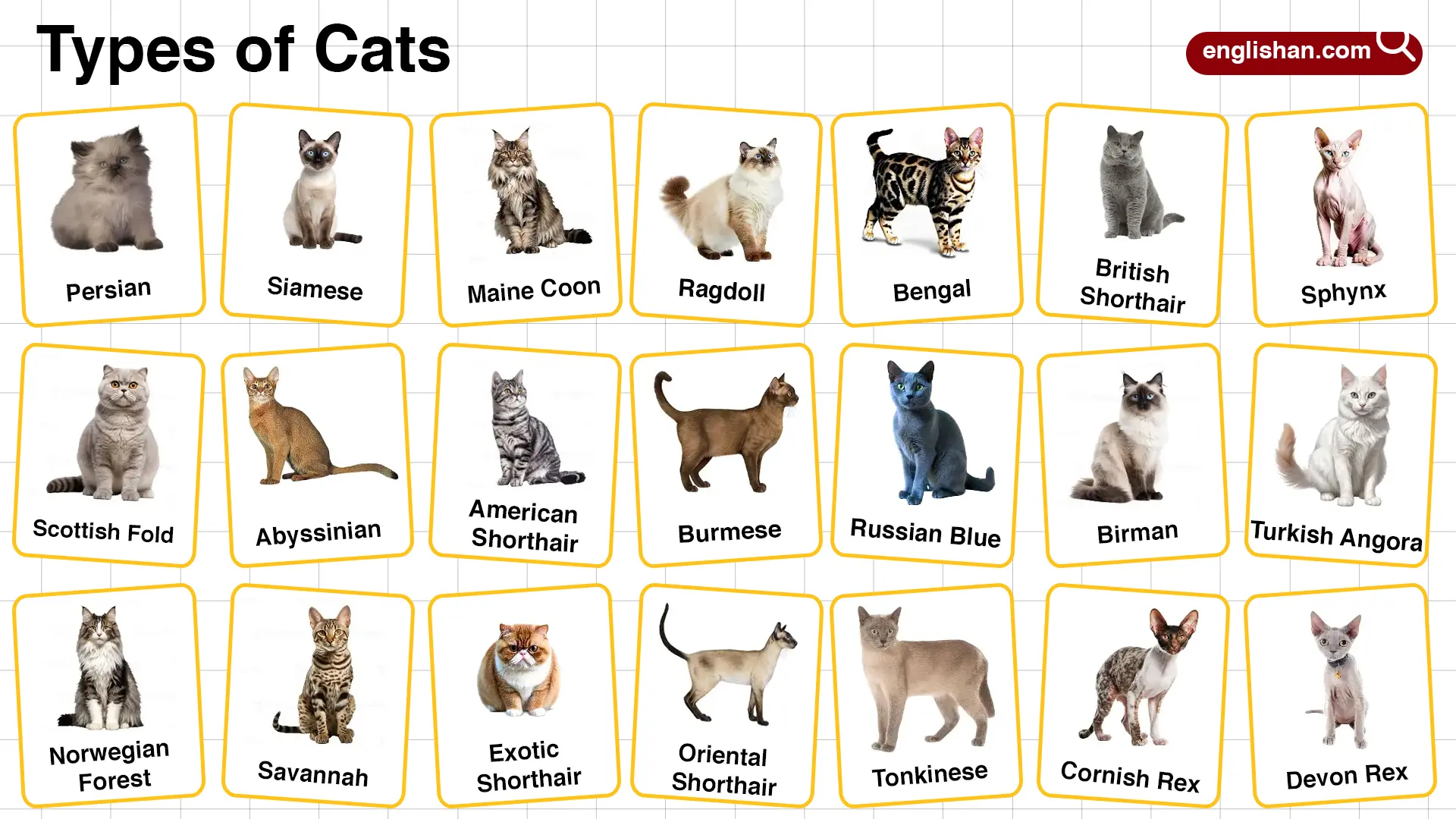
The initial, and perhaps most obvious, interpretation of “what type of cat is this” points towards breed identification. Gone are the days of flipping through thick veterinary encyclopedias. Today, technology offers a suite of powerful tools to help us pinpoint our feline’s lineage.
AI-Powered Breed Recognition: The Digital Detective
The most exciting advancements in this area come from Artificial Intelligence (AI). Numerous apps and websites now utilize sophisticated image recognition algorithms to analyze a cat’s physical characteristics. You simply upload a clear photo, and the AI processes features like:
- Facial Structure: The shape of the head, muzzle, and ears.
- Eye Shape and Color: Distinctive eye forms and hues can be indicative of certain breeds.
- Body Build: Is it sleek and slender, or stocky and muscular?
- Coat Type and Pattern: The length, texture, and specific markings of the fur.
- Tail Length and Shape: From a bobtail to a long, plume-like appendage.
These AI tools are trained on vast datasets of cat images, allowing them to compare your cat’s features against known breed standards. While not always 100% accurate – especially with mixed breeds or cats with unusual traits – they provide an excellent starting point and often narrow down the possibilities significantly. Some platforms even offer a confidence score, indicating how likely their AI believes the cat belongs to a particular breed.
Online Resources and Community Support: The Human Touch
Beyond AI, a wealth of online resources can supplement breed identification:
- Breed Databases: Websites like The International Cat Association (TICA) and the Cat Fanciers’ Association (CFA) offer extensive breed profiles with detailed descriptions and high-quality images. Comparing your cat’s appearance to these official standards can be incredibly insightful.
- Forums and Social Media Groups: Dedicated online communities of cat enthusiasts and breed experts can be invaluable. Posting clear photos and detailed descriptions in these groups often yields helpful input from experienced individuals who can identify subtle breed characteristics you might have missed. Remember to engage respectfully and provide as much information as possible.
- Veterinary Consultations: While technology is powerful, a veterinarian remains the ultimate authority. If you’re serious about breed identification or are concerned about your cat’s health and temperament, a professional opinion is crucial. They can often recognize breed traits and genetic predispositions.
Important Considerations for Breed Identification:
- Mixed Breeds are Common: The vast majority of cats are not purebred. Many beloved pets are delightful mixes of various breeds and domestic lineage. AI tools and online communities are best used to identify potential ancestral influences rather than a definitive single breed.
- Appearance vs. Pedigree: It’s essential to distinguish between a cat that looks like a certain breed and one that is genetically that breed. A cat with the markings of a Siamese doesn’t automatically mean it has Siamese ancestry.
- Temperament Clues: While breed can influence temperament, individual personality is paramount. Don’t solely rely on breed stereotypes to understand your cat’s behavior.
Beyond Breed: The Brand of Your Cat and Its Impact
The concept of “type of cat” can also extend beyond genetics to how our feline companions influence our personal and even corporate brands. In an increasingly connected world, our pets are often extensions of our personalities and lifestyles, and understanding this can be a fascinating intersection of animal companionship and branding.
The Pet as a Personal Brand Ambassador
For many, their cat is more than just a pet; it’s a furry family member whose presence is woven into their digital identity. Think about:
- Social Media Presence: How often do you see adorable cat photos or videos shared by friends and family? Cats are incredibly popular on platforms like Instagram, TikTok, and Facebook, often becoming unintentional brand ambassadors for their owners. A consistently featured, photogenic, or quirky cat can significantly boost engagement and create a distinct online persona for the owner.
- Lifestyle Alignment: The type of cat you own can subtly communicate aspects of your lifestyle. For example, an owner of a sleek, low-maintenance breed might be perceived as someone who values efficiency, while someone with a high-energy, demanding breed might be seen as more active and hands-on.
- Conversation Starters: A unique or strikingly beautiful cat can be an excellent icebreaker in social or professional settings, fostering a more approachable and relatable image. The “crazy cat person” stereotype, while sometimes overused, highlights how pets can become a defining characteristic of an individual’s public persona.

Corporate Identity and Pet-Friendly Branding
The influence of pets extends even to the corporate world. Increasingly, companies are recognizing the positive impact of animals on workplace culture and brand perception:
- Pet-Friendly Offices: Companies that allow pets in the workplace often cultivate an image of being progressive, employee-centric, and fostering a relaxed atmosphere. This can be a significant draw for talent and a positive differentiator in the job market.
- Brand Mascots and Storytelling: Many brands have successfully incorporated animals into their marketing. A beloved cat mascot can create emotional connections with consumers and make a brand more memorable and approachable. Think of the playful antics of a feline in a commercial or the gentle presence of a cat in a brand’s imagery.
- Social Responsibility and Animal Welfare: Brands that actively support animal welfare initiatives or partner with animal shelters can enhance their corporate social responsibility profile and appeal to a broader consumer base that values ethical practices.
The “Type” of Cat and Brand Messaging:
The perceived “type” of cat can also influence brand messaging:
- Sophistication and Elegance: Breeds like the Persian or Siamese might evoke a sense of luxury and refinement.
- Playfulness and Spontaneity: A playful tabby or a mischievous Bengal could be associated with fun and dynamism.
- Comfort and Loyalty: A cuddly domestic shorthair might represent warmth and steadfastness.
Understanding how your cat’s characteristics (whether purebred or mixed) are perceived can offer a unique angle for personal branding or even influence how a business chooses to integrate animal imagery into its identity.
The Financial Paw-sibilities: Understanding the Cost of Your Cat
Finally, the question “What type of cat is this?” inevitably touches upon the financial aspects of pet ownership. While the initial joy of a new feline companion is immeasurable, responsible pet ownership requires understanding the financial commitment. The “type” of cat can influence these costs in several ways.
Initial Acquisition Costs vs. Adoption Fees
The “type” of cat significantly impacts the initial cost:
- Purebreds: Purchasing a purebred cat from a reputable breeder can range from a few hundred to several thousand dollars. This cost reflects the breeder’s investment in quality genetics, health screenings, and early socialization.
- Mixed Breeds and Rescues: Adopting a cat from a shelter or rescue organization is typically far more affordable, with fees usually covering initial vaccinations, spaying/neutering, and microchipping. These fees are essential for supporting the organization’s work.
Ongoing Care and Potential Expenses
Beyond the initial purchase or adoption, several factors related to your cat’s “type” can influence ongoing expenses:
- Food and Nutrition: While all cats need food, some breeds may have specific dietary needs or sensitivities that require specialized, more expensive food. For example, a cat with allergies might need hypoallergenic options.
- Veterinary Care: While routine check-ups and vaccinations are standard, certain breeds are predisposed to specific health conditions. For instance, some breeds are prone to dental issues or heart conditions, which can lead to higher veterinary bills over time. Regular preventative care, however, is crucial for all cats, regardless of breed.
- Grooming: Long-haired breeds, such as Persians or Maine Coons, require regular brushing and grooming to prevent mats and maintain coat health. This might involve purchasing specialized grooming tools or even professional grooming services, adding to the overall cost. Short-haired cats generally require less intensive grooming.
- Litter and Supplies: The cost of litter, scratching posts, toys, and bedding are generally consistent across breeds, though some larger or more active breeds might require more robust and therefore potentially pricier versions of these items.
- Pet Insurance: For those concerned about unexpected veterinary expenses, pet insurance can be a valuable investment. The cost of insurance can vary based on the cat’s age, breed, and pre-existing conditions, with certain breeds being deemed higher risk by insurers.
Making Informed Financial Decisions:
When considering a cat, it’s wise to:
- Research Breed-Specific Health Concerns: If you’re looking at a particular breed, research common health issues associated with it to anticipate potential future veterinary costs.
- Factor in a “Pet Emergency Fund”: Regardless of breed, it’s prudent to set aside funds for unexpected medical emergencies.
- Prioritize Adoption: Shelters are full of wonderful cats looking for loving homes. Adoption fees are often a fraction of breeder costs and directly support animal welfare.
In conclusion, the question “What type of cat is this?” opens up a fascinating exploration that goes far beyond simple breed identification. By leveraging technology, understanding the subtle ways our pets shape our brands, and acknowledging the financial realities of pet ownership, we can gain a more comprehensive and fulfilling appreciation for our feline companions and their unique place in our lives. Whether you’ve identified a purebred marvel or a beloved mixed-breed mystery, your cat is undoubtedly a unique individual, and understanding its “type” in these broader contexts enriches the bond you share.
aViewFromTheCave is a participant in the Amazon Services LLC Associates Program, an affiliate advertising program designed to provide a means for sites to earn advertising fees by advertising and linking to Amazon.com. Amazon, the Amazon logo, AmazonSupply, and the AmazonSupply logo are trademarks of Amazon.com, Inc. or its affiliates. As an Amazon Associate we earn affiliate commissions from qualifying purchases.