
Throwing up blood, medically known as hematemesis, is a deeply concerning symptom that warrants immediate medical attention. It’s not a standalone condition but rather a signal that something serious is happening internally. While the sight of blood in vomit can be terrifying, understanding the potential causes can help individuals and their loved ones navigate this crisis and seek appropriate care. Given the critical nature of this symptom, it’s crucial to distinguish between everyday health concerns and potentially life-threatening emergencies.
Our focus here is to demystify this symptom by exploring its various origins, emphasizing the importance of prompt diagnosis and treatment. While our primary domains of expertise lie in the realms of Tech, Brand, and Money, we recognize that robust health is the bedrock upon which all other endeavors are built. Without well-being, even the most cutting-edge technology, brilliant branding, or sound financial strategies become secondary. Therefore, understanding and addressing significant health concerns like hematemesis is paramount.
The Digestive Tract: A Common Source of Bleeding
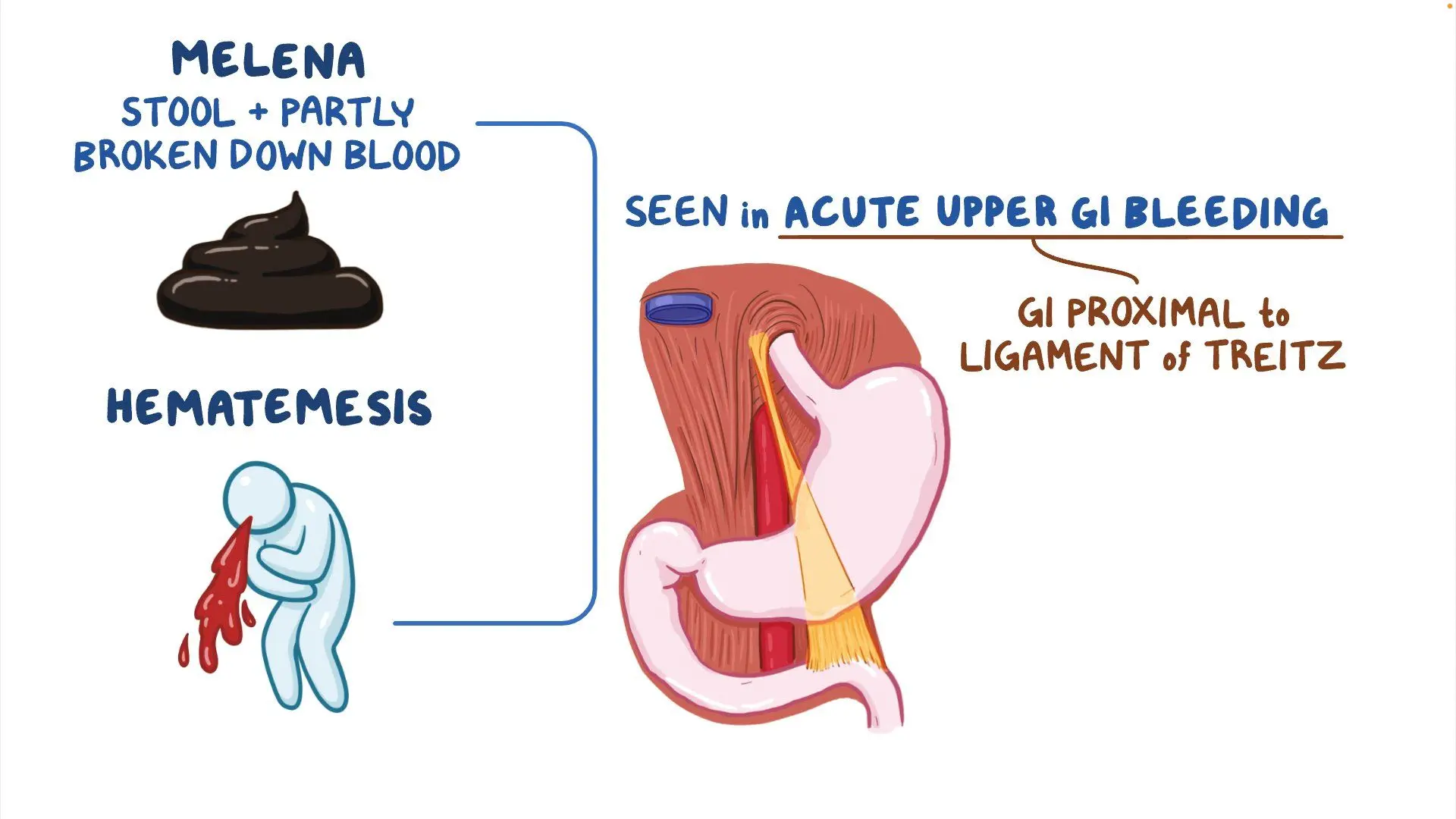
The vast majority of cases where someone throws up blood stem from issues within the upper digestive tract. This encompasses everything from the esophagus, the tube that carries food from your mouth to your stomach, to the duodenum, the first part of your small intestine. When bleeding occurs in this region, the blood can be mixed with stomach acid, leading to a variety of appearances in the vomit, from bright red to dark brown or even black and tarry.
Esophageal Tears and Irritation
The esophagus, though a resilient organ, can be susceptible to damage that leads to bleeding. One of the most common causes of esophageal bleeding is a condition called Mallory-Weiss tears. These are longitudinal tears in the lining of the esophagus, often occurring at the junction where the esophagus meets the stomach. They are frequently triggered by forceful or prolonged vomiting, which can happen due to conditions like severe food poisoning, alcohol abuse, or even overeating. The intense pressure and contractions can cause the esophageal lining to tear, resulting in bleeding.
Another contributor to esophageal bleeding can be inflammation or irritation. Conditions like esophagitis, which is inflammation of the esophagus, can make the delicate lining more prone to tearing and bleeding, especially if accompanied by physical irritation or increased pressure. Certain infections or chronic conditions that affect the esophageal lining can also contribute to this vulnerability.
Stomach Ulcers: Erosion and Bleeding
Peptic ulcers are open sores that develop on the lining of the stomach or the upper part of the small intestine (duodenum). They are most commonly caused by infection with the bacterium Helicobacter pylori (H. pylori) or by the long-term use of nonsteroidal anti-inflammatory drugs (NSAIDs) like ibuprofen and aspirin. When an ulcer erodes into a blood vessel within the stomach wall, it can lead to significant bleeding.
The presentation of bleeding from stomach ulcers can vary. If the bleeding is slow and chronic, it might not immediately lead to vomiting blood, but rather to symptoms like anemia (low red blood cell count) due to persistent blood loss. However, if an ulcer erodes into a larger blood vessel or if the bleeding is rapid, it can manifest as hematemesis, with the vomited blood often appearing dark brown or black, resembling coffee grounds, due to its exposure to stomach acid. This is a critical medical emergency, as rapid blood loss can lead to hypovolemic shock.
Gastritis and Duodenitis: Inflammation’s Impact
Gastritis refers to the inflammation of the stomach lining, while duodenitis is the inflammation of the lining of the duodenum. Similar to esophagitis, these inflammatory conditions can make the delicate tissues more susceptible to bleeding. Causes of gastritis and duodenitis are diverse and can include infections, autoimmune disorders, prolonged use of NSAIDs, and excessive alcohol consumption.
When the inflamed lining of the stomach or duodenum bleeds, it can contribute to hematemesis. The blood loss might be minor and intermittent, or it could be more significant, depending on the severity of the inflammation and the extent of any erosions or ulcers that develop as a result. Recognizing these inflammatory conditions is crucial, as early management can prevent more severe complications like significant bleeding.
Varices: Dilated Blood Vessels
Esophageal varices and gastric varices are abnormally enlarged veins that can develop in the esophagus and stomach, respectively. These typically occur in individuals with serious liver conditions, particularly cirrhosis. The diseased liver impedes blood flow, causing blood to back up and engorge the veins in the portal venous system, including those in the esophagus and stomach.
These swollen veins are fragile and prone to rupture, leading to sudden and often massive bleeding. Vomiting blood from varices can be profuse and bright red, posing a life-threatening emergency. The rupture of varices is a grave complication of liver disease and requires immediate intervention to stop the bleeding and manage the underlying liver condition.
Other Potential Causes Requiring Medical Evaluation
While the digestive tract is the most common origin of hematemesis, it’s important to be aware of other potential causes that, while less frequent, can be equally serious. These can involve issues in nearby organs or even systemic conditions.
The Role of the Pancreas and Gallbladder
Problems with the pancreas and gallbladder, while not directly part of the digestive tube itself, can indirectly lead to bleeding that manifests as vomiting blood. Pancreatitis, or inflammation of the pancreas, can sometimes lead to bleeding within the abdominal cavity or into the digestive tract. Similarly, severe gallbladder issues, such as acute cholecystitis or complications arising from gallstones, can, in rare instances, cause inflammation and erosion that impacts nearby blood vessels. The exact mechanism can be complex, often involving inflammatory processes that spread and affect adjacent structures.
Pulmonary Hemorrhage: Bleeding from the Lungs
Although less common, bleeding from the lungs can sometimes be mistaken for hematemesis, especially if the blood is coughed up and then swallowed. Pulmonary hemorrhage refers to bleeding into the airways and lungs. This can be caused by a variety of conditions, including infections like tuberculosis or pneumonia, certain autoimmune diseases, lung trauma, or even blood clotting disorders.
When blood from the lungs enters the airway, it can be coughed up. If the individual then swallows some of this coughed-up blood, it can mix with stomach contents and be vomited, appearing as hematemesis. It’s crucial for medical professionals to differentiate between bleeding originating from the gastrointestinal tract and that from the respiratory system, as the diagnostic and treatment approaches are vastly different.
Blood Disorders and Coagulopathies
Certain blood disorders and conditions that affect the body’s ability to clot properly can contribute to bleeding in the digestive tract. For instance, individuals with hemophilia or other inherited bleeding disorders may be more prone to gastrointestinal bleeding. Similarly, acquired conditions that impair clotting, such as liver disease (as mentioned earlier with varices) or the use of anticoagulant medications like warfarin or heparin, can increase the risk of bleeding from even minor irritations or ulcers in the stomach or duodenum.
Vascular Abnormalities and Malformations
In rare cases, vascular abnormalities or malformations in the upper gastrointestinal tract can be the source of bleeding. These might include arteriovenous malformations (AVMs), where there is an abnormal connection between arteries and veins, or other structural defects in the blood vessels. These can be congenital (present from birth) or acquired due to various factors. If these malformations are located in the esophagus, stomach, or duodenum, they can rupture or erode, leading to hematemesis.
When to Seek Immediate Medical Help: Recognizing the Urgency
Throwing up blood is never a symptom to ignore. It signifies an active or recent bleeding event within the body that requires prompt medical evaluation. The urgency of seeking help depends on several factors, including the amount of blood, the frequency of vomiting, and the presence of other concerning symptoms.
The Severity of the Bleeding
The quantity of blood vomited is a critical indicator of urgency. Vomiting a small amount of bright red blood might be less immediately life-threatening than expelling large volumes of blood or blood that appears dark and tarry, suggesting more significant or chronic bleeding. Any amount of blood that is clearly identifiable as blood should prompt immediate medical attention.
Accompanying Symptoms: Red Flags
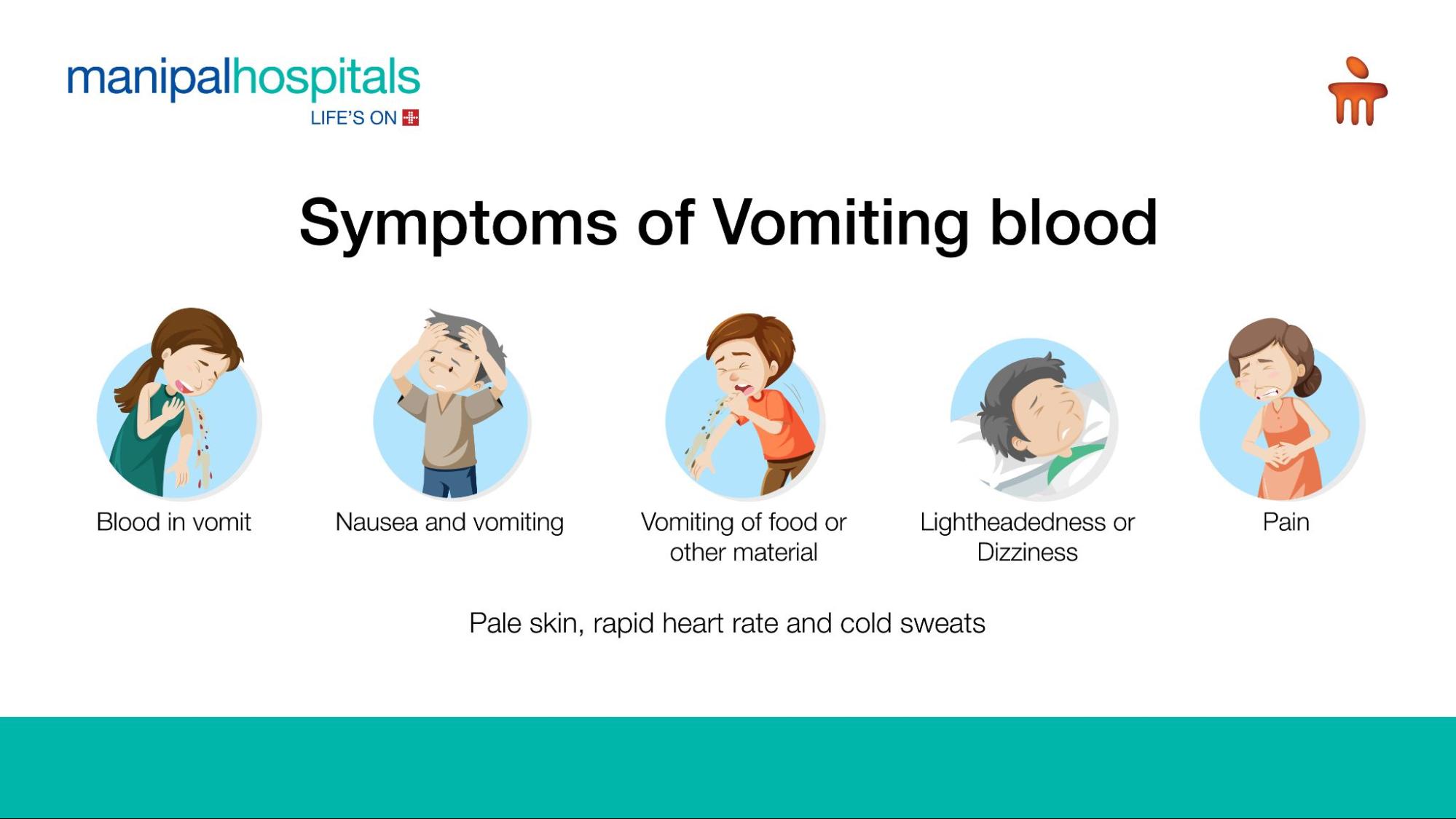
Beyond the hematemesis itself, other symptoms can signal a medical emergency and necessitate immediate hospital care. These include:
- Dizziness or Lightheadedness: This can indicate significant blood loss and a drop in blood pressure.
- Fainting (Syncope): A clear sign of inadequate blood flow to the brain.
- Shortness of Breath or Difficulty Breathing: Can be a consequence of significant blood loss or an indication of underlying lung issues.
- Rapid Heartbeat (Tachycardia): The body’s attempt to compensate for blood loss.
- Pale or Clammy Skin: Another sign of shock due to blood loss.
- Severe Abdominal Pain: Can indicate a bleeding ulcer or other acute abdominal catastrophe.
- Black, Tarry Stools (Melena): While not vomiting blood, this also signifies bleeding in the upper gastrointestinal tract and requires urgent evaluation.
The Diagnostic Process: What to Expect
Upon arriving at a healthcare facility with symptoms of hematemesis, medical professionals will initiate a thorough diagnostic process. This typically begins with a detailed medical history and a physical examination. They will inquire about the onset, frequency, and characteristics of the bleeding, as well as any other associated symptoms, past medical conditions, medications, and lifestyle habits.
-
Endoscopy (EGD): Esophagogastroduodenoscopy, commonly known as an upper endoscopy, is a primary diagnostic tool. A flexible tube with a camera attached is inserted down the throat to visualize the esophagus, stomach, and duodenum. This allows for direct visualization of the bleeding source, identification of ulcers, tears, varices, or other abnormalities, and often enables immediate treatment, such as cauterization of bleeding vessels or clipping of ulcers.
-
Imaging Studies: Depending on the suspected cause, imaging tests like CT scans or ultrasounds may be ordered to assess for conditions affecting nearby organs like the pancreas, gallbladder, or liver, or to identify enlarged blood vessels.
-
Blood Tests: Blood tests are crucial for assessing blood count (to check for anemia), liver function, kidney function, and clotting ability.

Treatment and Management: Addressing the Root Cause
The treatment for hematemesis is entirely dependent on the underlying cause.
-
Medications: For conditions like ulcers or gastritis, medications such as proton pump inhibitors (PPIs) are prescribed to reduce stomach acid, allowing the lining to heal. Antibiotics may be used to eradicate H. pylori infections.
-
Endoscopic Procedures: As mentioned, endoscopy can be therapeutic, allowing doctors to stop bleeding directly by applying clips, heat, or special injections.
-
Surgical Intervention: In severe or recurrent cases where endoscopic treatment is not sufficient, surgery may be necessary to repair the bleeding site or address underlying structural issues.
-
Management of Underlying Conditions: For conditions like liver disease leading to varices, treatment focuses on managing the liver condition itself, which may involve medications, lifestyle changes, or even liver transplantation.
Conclusion:
Throwing up blood is a serious symptom that signals a potential internal bleeding issue. While the causes can range from common issues like ulcers and tears to rarer conditions involving vascular abnormalities or lung hemorrhages, the overarching message is clear: seek immediate medical attention. Understanding the potential origins and recognizing the red flags associated with hematemesis empowers individuals to act swiftly and decisively, ensuring they receive the prompt and appropriate care necessary for a positive outcome. Prioritizing your health by understanding these critical symptoms is an essential step in maintaining overall well-being.
aViewFromTheCave is a participant in the Amazon Services LLC Associates Program, an affiliate advertising program designed to provide a means for sites to earn advertising fees by advertising and linking to Amazon.com. Amazon, the Amazon logo, AmazonSupply, and the AmazonSupply logo are trademarks of Amazon.com, Inc. or its affiliates. As an Amazon Associate we earn affiliate commissions from qualifying purchases.