
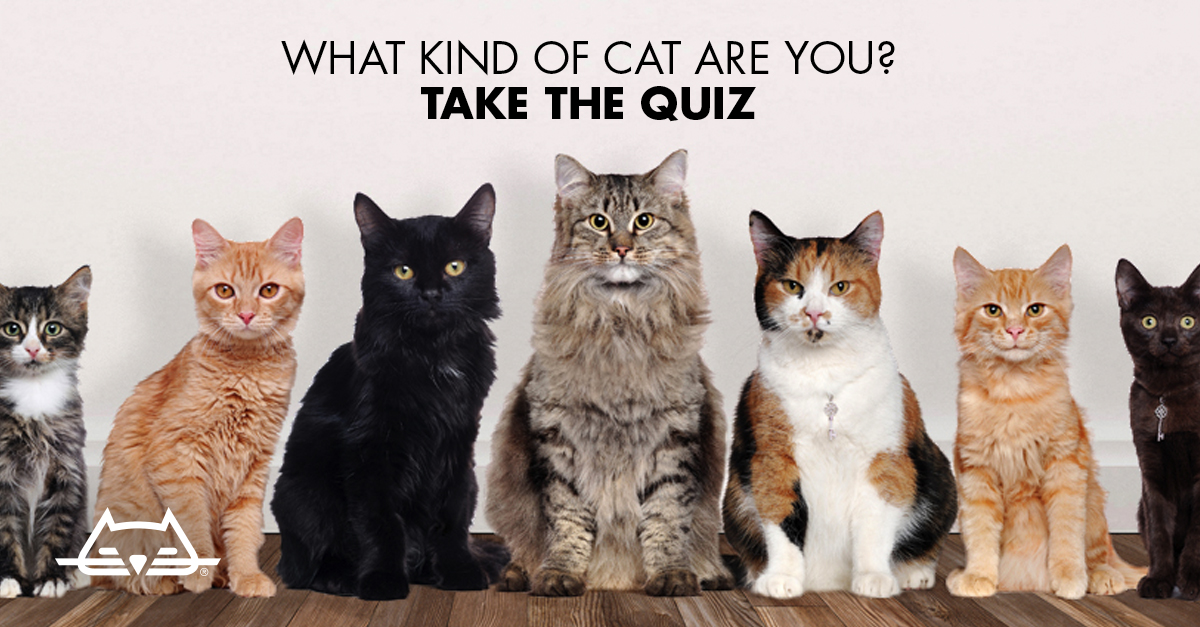
In the digital landscape, the “What Type of Cat Are You?” quiz has long been dismissed as a triviality of the early social media era—a fleeting distraction designed by platforms like BuzzFeed to garner clicks. However, for the modern brand strategist, these interactive experiences represent far more than internet fluff. They are a masterclass in psychology, engagement, and the collection of high-value zero-party data.
As traditional advertising channels become increasingly saturated and consumer attention spans shorten, brands are looking toward gamification and interactive storytelling to cut through the noise. The “What Type of Cat Are You?” quiz model serves as a foundational blueprint for modern brand identity and audience segmentation. By understanding why these quizzes resonate so deeply with the human psyche, corporations can refine their brand strategy to build deeper, more authentic connections with their target demographics.
The Evolution of Interactive Marketing: Why Quizzes Capture Consumer Attention
The shift from passive content consumption to active participation marks a significant turning point in brand strategy. Traditional marketing relied on a “push” model—sending messages out to a broad audience in hopes that some would stick. In contrast, the quiz model utilizes a “pull” mechanism, inviting the consumer to participate in a narrative centered entirely on themselves.
The Dopamine Hit of Personal Discovery
At its core, the “What Type of Cat Are You?” quiz leverages the Barnum Effect—a psychological phenomenon where individuals believe that generic personality descriptions apply specifically to them. Brands that utilize this strategy are not just providing entertainment; they are offering the consumer a mirror. In a digital world that often feels impersonal, the opportunity for a “personalized” result provides a small but significant dopamine hit.
For a brand, this is the ultimate hook. When a user discovers they are a “Sophisticated Persian” or a “Resilient Alley Cat,” they aren’t just reading about a feline; they are engaging with a curated set of traits that the brand has associated with those labels. This engagement creates a positive brand association, linking the user’s sense of self with the brand’s creative ecosystem.
From Buzzfeed to Big Business: A Brief History
The transition of the personality quiz from a social media pastime to a corporate tool was driven by the need for engagement metrics. In the early 2010s, quizzes became the most shared content types on Facebook. Brand strategists quickly realized that if they could replicate the “shareability” of a cat quiz while subtly weaving in product recommendations or brand values, they could achieve organic reach that paid ads could never match. Today, high-end skincare brands, investment firms, and even B2B software companies use “Assessment Tools” (the professional evolution of the cat quiz) to guide users through their sales funnels.
Archetypal Branding: Mapping Cat Personalities to Corporate Identities
Every successful brand operates on an archetype. Whether it is the “Hero” (Nike), the “Innocent” (Dove), or the “Outlaw” (Harley-Davidson), these archetypes help consumers understand the brand’s “personality.” The “What Type of Cat Are You?” quiz is essentially a simplified exercise in archetypal mapping.
The “Calico” Innovator: Multifaceted Brand Personalities
In the world of branding, a “Calico” identity represents the multifaceted, eclectic, and highly adaptable brand. These are brands that refuse to stay in one lane, often merging technology with lifestyle or fashion with social activism. When a quiz identifies a user as a Calico, it is appealing to their desire to be seen as unique and complex.
Brands like Virgin or Red Bull embody this. By creating interactive content that mirrors this complexity, these brands encourage their audience to see themselves as part of an adventurous, non-linear community. The quiz becomes a tool for tribal identification—if you are “this type of cat,” then this is your “tribe.”
The “Sphynx” Minimalist: High-End Tech and Luxury Identity
On the other end of the spectrum is the “Sphynx”—the minimalist, the avant-garde, and the sophisticated. This archetype aligns perfectly with luxury brands and high-end tech firms like Apple or Bang & Olufsen. The Sphynx personality is not for everyone; it is polarizing, sleek, and premium.
When a brand uses a personality quiz to segment users into a “Sphynx” category, they are practicing “prestige branding.” They are telling the consumer that they belong to an elite, discerning group. This psychological positioning is essential for maintaining high price points and brand exclusivity. The quiz serves as a “velvet rope,” making the eventual product recommendation feel like an earned privilege rather than a sales pitch.

Data Collection and the Zero-Party Data Revolution
Beyond the surface-level engagement, the “What Type of Cat Are You?” quiz is a powerhouse for data collection. In an era where third-party cookies are being phased out and privacy regulations like GDPR and CCPA are tightening, brands must find new ways to understand their customers. This has led to the rise of “Zero-Party Data”—data that a customer intentionally and proactively shares with a brand.
Turning Answers into Actionable Consumer Insights
Each question in a personality quiz is a data point. While a user thinks they are answering whether they prefer “napping in the sun” or “hunting at night,” a brand is actually learning about their lifestyle preferences, risk tolerance, and aesthetic tastes.
For instance, a question about a cat’s preferred environment can be translated by a home decor brand into data about whether a customer prefers “maximalist” or “minimalist” interior design. By the time the user reaches the “results” page, the brand has built a comprehensive profile that allows for highly targeted email marketing and personalized product suggestions. This is the difference between a cold lead and a nurtured prospect.
Permission-Based Marketing in a Privacy-First World
The beauty of the quiz model lies in its transparency. Users voluntarily provide information because they receive immediate value in return (the quiz result). This creates a relationship of trust. Brands that can master this exchange—providing entertainment or insight in exchange for data—will thrive in a privacy-first world. The “What Type of Cat Are You?” framework proves that if the experience is engaging enough, consumers are more than happy to share their preferences, paving the way for a more customized brand experience.
Designing the Perfect Brand Quiz: Best Practices for Engagement
For a brand to successfully deploy a personality quiz, it must move beyond the amateur aesthetics of early web quizzes and embrace professional design and strategic messaging. The goal is to create an experience that feels like a natural extension of the corporate identity.
Visual Storytelling and Aesthetic Consistency
A brand’s quiz should be an immersive visual experience. Every image of a “cat” or a lifestyle choice must be meticulously curated to reflect the brand’s visual language. If a luxury fashion house creates a personality quiz, the imagery should be high-fashion and editorial. If a tech startup creates one, the UI should be clean, fast, and modern.
Consistency in tone and voice is equally important. The questions shouldn’t just be functional; they should be “on-brand.” The language used in a “What Type of Cat Are You?” quiz for a quirky stationery brand should be vastly different from the language used by a corporate consultancy. This attention to detail ensures that the quiz doesn’t feel like a third-party add-on but a core part of the brand’s narrative.
The Shareability Factor: Crafting Viral Results
The ultimate metric for a brand quiz is its “K-factor”—its virality. To achieve this, the results must be highly shareable. This means creating “badges of honor.” Nobody wants to share a result that says they are “a boring, average cat.” People share results that make them look intelligent, mysterious, funny, or unique.
From a brand strategy perspective, the results page is the most valuable real estate. It should include:
- A compelling headline: “You are the Visionary Siamese.”
- Social sharing buttons: Optimized for Instagram Stories and LinkedIn.
- A strategic Call to Action (CTA): “Now that you’ve found your feline match, discover the collection designed for your style.”
By combining psychological validation with a clear path to purchase, brands can transform a simple “cat quiz” into a high-converting sales engine.
Conclusion: The Strategic Future of Interactive Branding
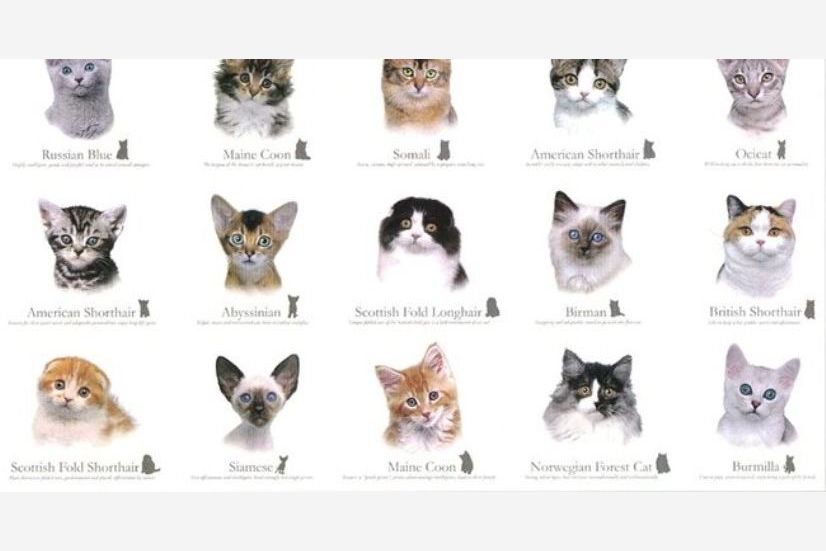
The “What Type of Cat Are You?” quiz is not a relic of the past; it is a precursor to the future of consumer engagement. In a world where consumers are increasingly wary of being “sold to,” brands must find ways to provide value, entertainment, and self-discovery. By adopting the mechanics of the personality quiz, companies can humanize their brand, collect essential data, and create a loyal community of consumers who see themselves reflected in the brand’s identity.
In the final analysis, the quiz is not actually about cats. It is about the most important subject in any marketing strategy: the customer. When a brand helps a customer understand themselves—even through the playful lens of a feline persona—it builds a bond of affinity that is far more powerful than any traditional advertisement. Strategic branding is about more than logos and slogans; it is about the stories we tell ourselves about who we are, and the brands that help us tell those stories are the ones that will ultimately win the market.
aViewFromTheCave is a participant in the Amazon Services LLC Associates Program, an affiliate advertising program designed to provide a means for sites to earn advertising fees by advertising and linking to Amazon.com. Amazon, the Amazon logo, AmazonSupply, and the AmazonSupply logo are trademarks of Amazon.com, Inc. or its affiliates. As an Amazon Associate we earn affiliate commissions from qualifying purchases.