
In the realm of modern technology, energy is the fundamental currency. Every interaction we have with a digital interface, every calculation performed by an artificial intelligence, and every mile traveled by an electric vehicle is underpinned by a singular, sophisticated process: energy conversion. At its most basic level, energy conversion is the transformation of energy from one form into another to perform a specific task or power a device. However, in the context of current tech trends, energy conversion has evolved from a simple mechanical concern into a complex frontier of hardware engineering, software optimization, and sustainable innovation.
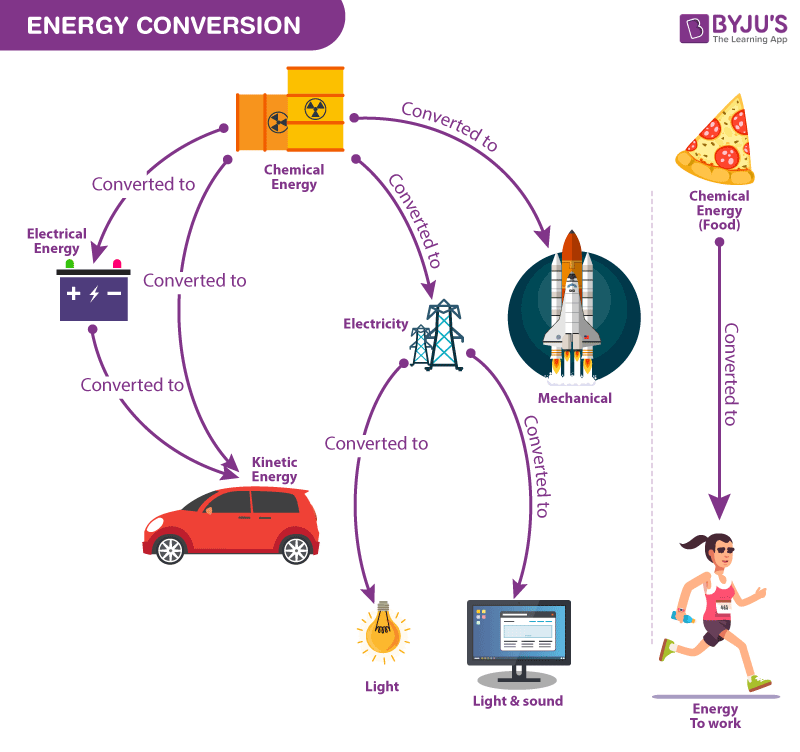
To understand the trajectory of modern gadgets and infrastructure, one must first master the concept of how we manipulate power. Whether it is turning sunlight into a stream of electrons for a smart home or converting the chemical potential of a lithium-ion battery into the high-performance processing power of a smartphone, energy conversion is the invisible force driving the tech industry forward.
The Hardware Frontier: Mechanical and Electrical Energy Transformation
The most visible application of energy conversion in the technology sector involves the hardware that populates our daily lives. From the macro-scale of power grids to the micro-scale of semiconductors, the efficiency of converting one form of energy to another dictates the limits of what our machines can achieve.
Photovoltaic Conversion: Powering the Remote Revolution
One of the most significant technological leaps in the last decade has been the refinement of photovoltaic (PV) technology. PV cells are designed to convert light energy (photons) directly into electrical energy (electrons). This process involves the use of semiconductor materials, such as silicon, which exhibit the “photovoltaic effect.” When light hits these cells, it dislodges electrons, creating a current.
In the tech industry, this conversion process is no longer just for massive solar farms. We are seeing the integration of ultra-efficient PV cells into consumer gadgets—such as solar-powered wearables and remote IoT (Internet of Things) sensors—reducing the reliance on traditional charging cycles and enabling “set-and-forget” technology in remote locations.
Thermoelectric Energy Harvesting in High-Performance Computing
A major challenge in hardware design is the byproduct of energy conversion: heat. In traditional computing, electrical energy is converted into logical operations, but a significant portion of that energy is “lost” as thermal energy. Modern tech trends are now looking toward thermoelectric conversion to reclaim this loss.
Thermoelectric generators (TEGs) can convert heat gradients directly into electricity. By placing these materials near the CPUs of high-performance servers or gaming rigs, tech companies are experimenting with ways to recycle waste heat back into the power system. This not only improves efficiency but also addresses the massive cooling demands of modern data centers.
Electromagnetic Conversion in Modern Gadgets
Every time you use a wireless charger for your phone or use a stylus on a high-end tablet, you are witnessing electromagnetic induction—a form of energy conversion where magnetic fields are used to move electrical charges. This technology has revolutionized the “tetherless” lifestyle, allowing for seamless power transfer without physical connectors. The push toward “portless” devices is entirely dependent on the efficiency of this specific conversion method.
The Power Storage Paradigm: Chemical to Electrical Dynamics
If energy conversion is the engine, then energy storage is the fuel tank. However, a battery does not simply “store” electricity; it stores chemical energy. The technology behind the conversion of this chemical energy back into electrical energy is currently the most scrutinized field in the tech world, particularly as we pivot toward a mobile-first and EV-centric society.
Lithium-Ion and the Chemistry of Conversion
The lithium-ion battery remains the gold standard for portable tech. The conversion process here involves the movement of lithium ions between an anode and a cathode through an electrolyte. This chemical reaction releases electrons that power our laptops and apps.
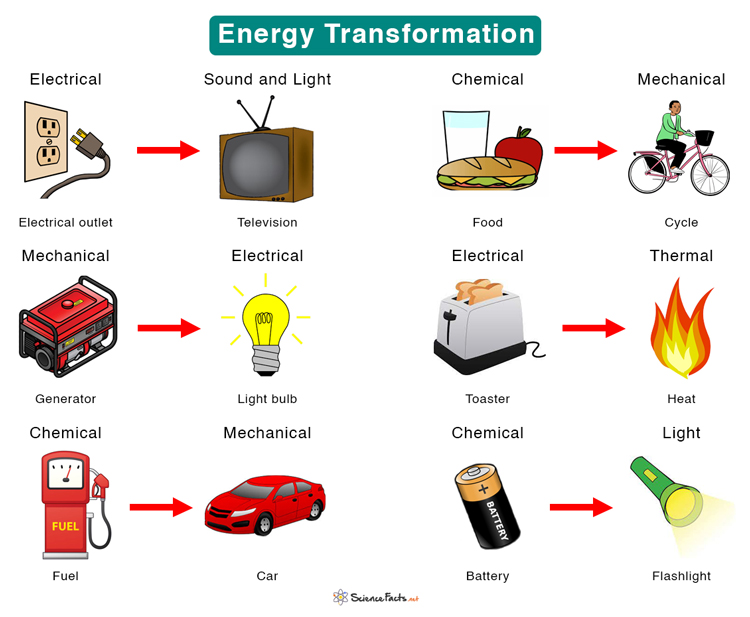
The tech industry is currently obsessed with “conversion efficiency”—minimizing the internal resistance within the battery so that more of the stored chemical energy reaches the processor rather than being dissipated as heat. Innovations in silicon-anode technology and graphene additives are the new frontiers being explored by tech giants to extend the battery life of devices without increasing their physical footprint.
Solid-State Batteries: The Next Tech Leap
The next major trend in energy conversion storage is the transition to solid-state batteries. Unlike traditional batteries that use liquid electrolytes, solid-state batteries use solid materials to facilitate ion movement. This technological shift promises to make energy conversion safer and more dense. For the consumer, this means smartphones that charge in minutes and last for days, and electric vehicles that can travel significantly further on a single charge. The conversion process in solid-state systems is inherently more stable, reducing the risk of thermal runaway (fire) and allowing for more compact hardware designs.
Supercapacitors and Rapid Discharge
While batteries are great for long-term storage, certain tech applications—like the flash on a professional camera or the regenerative braking system in a smart car—require a near-instantaneous conversion of energy. This is where supercapacitors come in. They store energy electrostatically rather than chemically, allowing for rapid conversion and discharge. The hybrid use of batteries and supercapacitors is a growing trend in high-end tech, ensuring that devices have both the stamina for long-term use and the “burst” capability for high-intensity tasks.
AI and Software: Optimizing the Conversion Cycle
In the modern tech ecosystem, energy conversion is not just a hardware problem; it is a software opportunity. As artificial intelligence (AI) and machine learning (ML) become integrated into every layer of our digital infrastructure, software is being used to manage and optimize how energy is converted and consumed.
AI-Driven Power Management Systems
Modern operating systems, from iOS to Windows 11, use sophisticated AI algorithms to predict user behavior. By doing so, they can throttle or accelerate energy conversion within the CPU and GPU. For example, if an AI detects that a user is simply reading an e-book, it instructs the hardware to slow down the conversion of battery energy to high-frequency processing. Conversely, when a high-resolution render begins, the AI optimizes the power delivery to ensure maximum conversion efficiency. This “intelligent conversion” is what allows modern laptops to maintain high performance while extending battery longevity.
Digital Twins and Grid Conversion
On a macro level, “Digital Twin” technology—a virtual model of a physical system—is being used to revolutionize how cities convert and distribute energy. By creating a digital replica of a power grid, engineers can use AI to simulate various conversion scenarios. They can optimize how wind turbine mechanical energy is converted to grid electricity based on real-time weather data. This intersection of big data and physical energy conversion is crucial for the development of smart cities and the reduction of digital carbon footprints.
The Role of IoT in Conversion Efficiency
The Internet of Things (IoT) plays a vital role in monitoring conversion efficiency in real-time. Smart sensors in industrial settings can detect when a motor is inefficiently converting electricity into mechanical motion due to wear and tear. By alerting technicians via cloud-based dashboards, these tech tools prevent energy waste and extend the lifecycle of the machinery. This proactive approach to energy conversion is a hallmark of “Industry 4.0.”
Sustainability and Digital Security: The Future of Energy Conversion
As we look toward the future, energy conversion in technology is becoming increasingly tied to two critical pillars: environmental sustainability and digital security. The way we convert energy today will determine the viability of the tech industry tomorrow.
Decarbonizing the Cloud
The massive data centers that power our AI tools and cloud storage are among the largest consumers of electricity on the planet. The challenge for tech leaders like Google, Amazon, and Microsoft is to ensure that the energy being converted to power these servers comes from renewable sources. Furthermore, they are investing in liquid cooling and advanced heat-exchange technologies to ensure that the conversion of energy into data is as “green” as possible. The goal is a circular energy economy where the heat generated by a data center is converted back into a heating source for local communities.
Energy Conversion and Hardware Security
An overlooked aspect of energy conversion is its relationship with digital security. “Side-channel attacks” are a form of hacking where bad actors monitor the power consumption and electromagnetic emissions (byproducts of energy conversion) of a device to steal cryptographic keys. As a result, modern tech design now includes “power-masking” techniques. These security features involve adding “noise” to the energy conversion process, making it impossible for hackers to deduce what the processor is doing based on its energy usage.
The Rise of Kinetic Energy Harvesting in Wearables
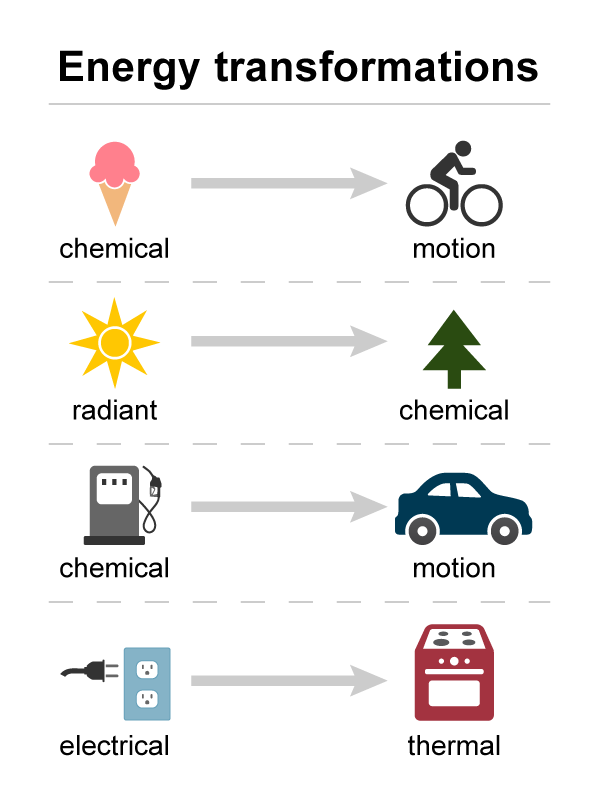
Finally, the trend toward “energy-harvesting” tech is growing. Future wearables may not need batteries at all. Instead, they will rely on the conversion of kinetic energy (the movement of your body) or body heat into electrical energy. This shift represents the ultimate goal of energy conversion technology: a seamless, self-sustaining ecosystem where our devices are powered by the very environment and movements of the users themselves.
In conclusion, “what is a energy conversion” is a question that finds its most exciting answers in the world of technology. It is the bridge between the physical laws of the universe and the digital capabilities of the future. By mastering the conversion of light, heat, chemical, and mechanical energy, the tech industry continues to push the boundaries of what is possible, creating a more efficient, secure, and sustainable world.
aViewFromTheCave is a participant in the Amazon Services LLC Associates Program, an affiliate advertising program designed to provide a means for sites to earn advertising fees by advertising and linking to Amazon.com. Amazon, the Amazon logo, AmazonSupply, and the AmazonSupply logo are trademarks of Amazon.com, Inc. or its affiliates. As an Amazon Associate we earn affiliate commissions from qualifying purchases.