
The electric vehicle (EV) revolution is fundamentally a battery revolution. While consumers often focus on range, charging speed, and acceleration, the underlying engine of the modern EV is its chemical storage system. Understanding the architecture of these power cells is essential for grasping the current trajectory of automotive technology, from the heavy-duty haulers of today to the autonomous fleets of tomorrow.
The Dominance of Lithium-Ion Technology
At the heart of almost every modern electric vehicle lies the lithium-ion (Li-ion) battery. Since their commercialization in the early 1990s, lithium-ion cells have become the gold standard for portable energy storage due to their high energy density, low self-discharge rates, and lack of “memory effect,” which plagued earlier nickel-cadmium technologies.
The Chemistry of Cells
A lithium-ion battery operates on the movement of lithium ions between the cathode (positive electrode) and the anode (negative electrode). During discharge, lithium ions flow from the anode to the cathode through an electrolyte solution, releasing energy to power the vehicle’s motor. During charging, this process is reversed.
Within the automotive sector, however, “lithium-ion” is an umbrella term. Manufacturers choose specific chemical formulations for the cathode to balance performance, cost, and safety. The most common compositions currently include Nickel Manganese Cobalt (NMC) and Nickel Cobalt Aluminum (NCA). These formulations are prized for their ability to pack massive amounts of energy into a compact footprint, allowing EVs to achieve ranges exceeding 300 miles on a single charge.
Thermal Management and Safety
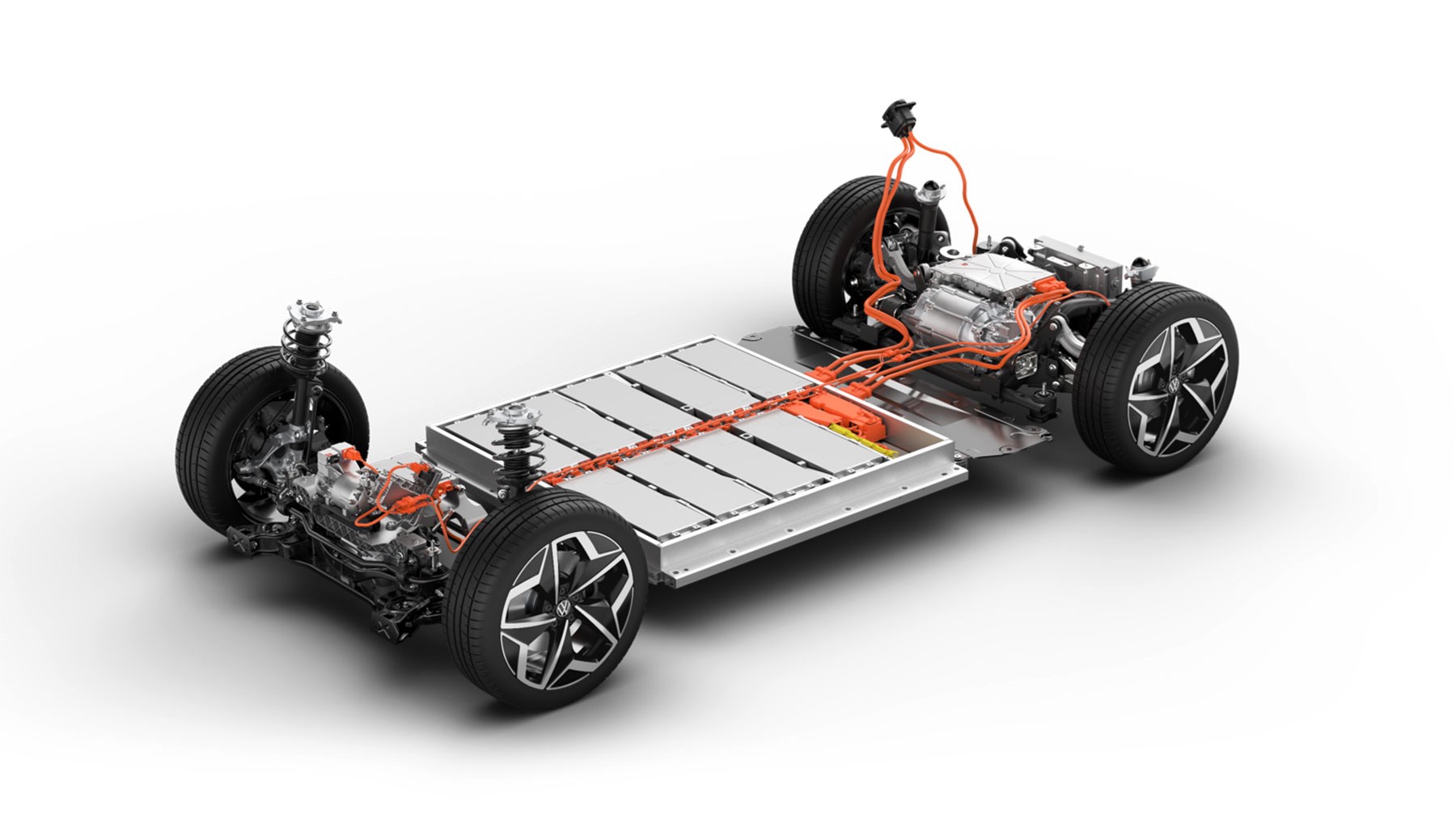
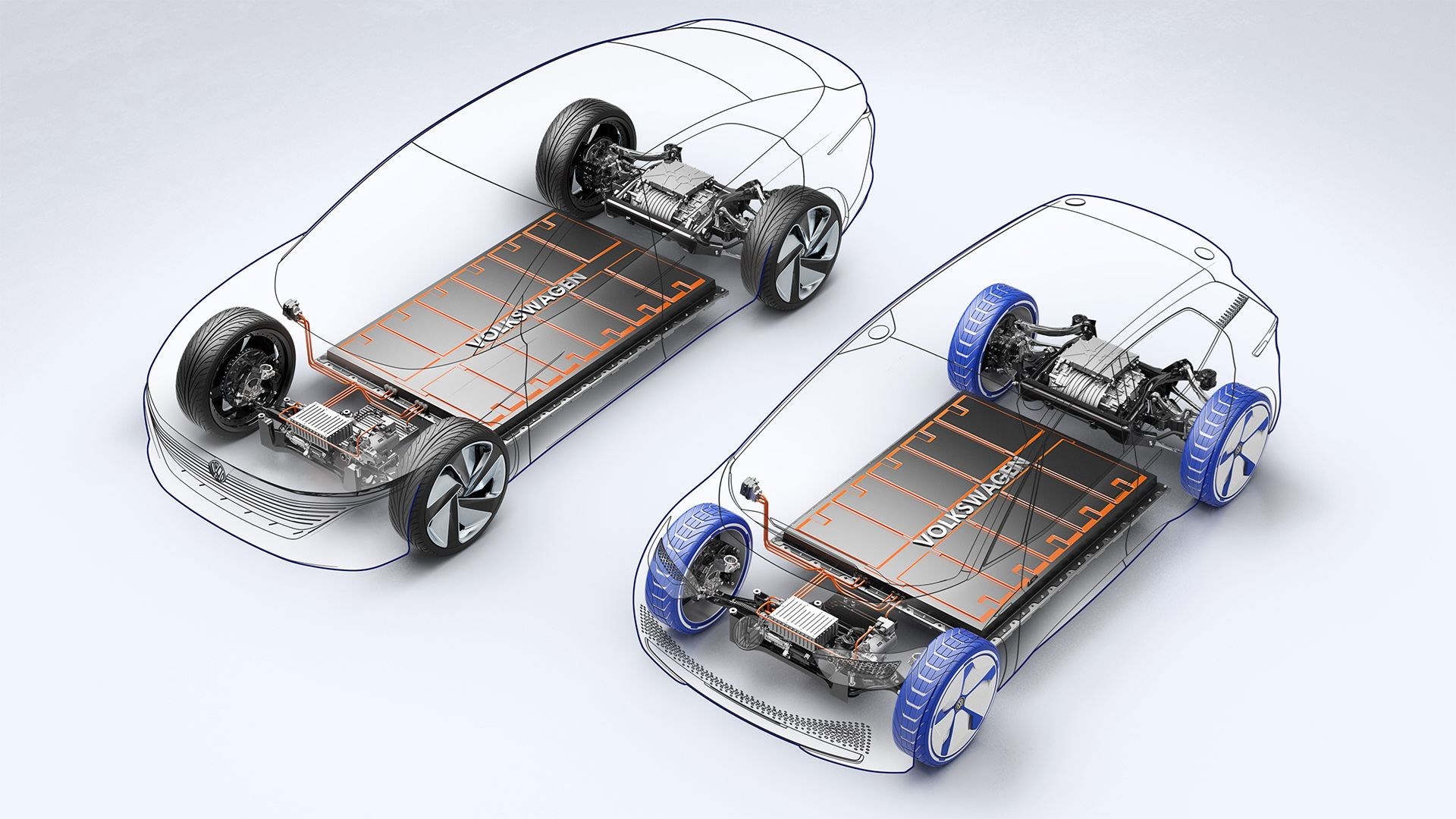
One of the most critical aspects of Li-ion technology in vehicles is the Battery Management System (BMS). Because these cells are sensitive to temperature extremes, EVs employ sophisticated liquid cooling and heating loops. The BMS monitors every individual cell within the massive battery pack to ensure that charging levels remain balanced, preventing localized overheating that could lead to thermal runaway. This integration of software and hardware is what separates a high-performance EV battery from a standard consumer electronics battery.
Lithium Iron Phosphate (LFP): The Shift Toward Sustainability
As the EV market matures, a significant shift is occurring in battery chemistry. Lithium Iron Phosphate (LFP) batteries, once dismissed by Western manufacturers as having insufficient energy density, have surged in popularity, particularly for entry-level and standard-range vehicle models.
Benefits of LFP Chemistry
LFP batteries replace the expensive and ethically complicated cobalt used in NMC and NCA cells with iron and phosphate. This shift offers three primary advantages:
- Cost Efficiency: By removing cobalt and nickel, manufacturers can significantly reduce the price per kilowatt-hour, making affordable electric cars a reality.
- Longevity: LFP batteries can withstand a higher number of charge cycles before degradation occurs. Drivers can charge these batteries to 100% capacity daily without the accelerated aging typical of high-nickel chemistries.
- Safety: LFP chemistry is inherently more stable at high temperatures, reducing the risk of fire and improving the overall safety profile of the vehicle.
Trade-offs and Strategic Use
While LFP is ideal for mass-market vehicles, it does come with a lower energy density. This means that to achieve the same range as an NMC battery, an LFP pack must be physically larger and heavier. Consequently, top-tier luxury vehicles and high-performance sports EVs continue to prioritize high-nickel chemistries to maintain low curb weight and superior power-to-weight ratios. Many manufacturers are now adopting a dual-battery strategy, offering LFP packs for standard models and performance-focused cells for long-range variants.
Solid-State Batteries: The Next Frontier
While Li-ion and LFP currently dominate the assembly lines, the technology research community is focused on the next breakthrough: solid-state batteries. This represents a paradigm shift that could solve the industry’s most persistent challenges.
Eliminating the Liquid Electrolyte
In conventional lithium-ion batteries, the electrolyte is a liquid or gel. This liquid is the primary source of safety concerns, as it is flammable and prone to leaks. Solid-state technology replaces this liquid with a solid electrolyte—often ceramic, glass, or a specialized polymer.
The advantages of this change are transformative:
- Enhanced Safety: By removing the flammable liquid, the battery becomes inherently safer, requiring fewer heavy fire-mitigation components.
- Higher Energy Density: Solid-state electrolytes occupy less volume and allow for the use of high-capacity materials like lithium-metal anodes, which could potentially double the range of an electric car without increasing the battery’s physical size.
- Rapid Charging: Solid-state structures are more robust, allowing for much faster electron flow and heat dissipation during high-speed charging sessions, theoretically bringing EV refueling times closer to the time it takes to fill a gas tank.
Challenges to Commercialization
Despite the promise, the transition to solid-state is hampered by high manufacturing costs and the difficulty of scaling production. Current prototypes require specialized manufacturing environments and precise material science that are currently impossible to replicate at the gigawatt-hour scale required by the automotive industry. However, with massive investments from global OEMs, solid-state batteries are expected to enter the mainstream luxury market within this decade.
The Future of Energy Storage and Sustainability
The evolution of EV batteries is not just about raw performance; it is increasingly about the “circular economy” and the provenance of materials. As the demand for lithium, cobalt, and nickel skyrockets, the automotive industry is facing significant pressure to innovate in battery sourcing and end-of-life management.
Recycling and Second-Life Applications
The future of the battery industry relies on the ability to recycle. Modern recycling techniques are becoming so advanced that companies can recover over 95% of the cobalt, copper, and nickel from spent EV batteries. This “urban mining” will eventually reduce the industry’s reliance on environmentally damaging primary mining operations.
Furthermore, when an EV battery has degraded to a point where it can no longer provide the range required for driving (usually after 10–15 years), it still retains significant storage capacity. These used packs are increasingly being repurposed as stationary energy storage systems (ESS) for homes or industrial grids. By acting as a buffer for solar and wind energy, these “retired” batteries are finding a second life as the backbone of renewable energy infrastructure.
The Role of Sodium-Ion
On the horizon, sodium-ion technology is emerging as a potential disruptor. Because sodium is abundant, cheap, and easily accessible globally, it offers an alternative to lithium-dependent supply chains. While currently trailing in energy density, sodium-ion batteries are excellent for short-range urban vehicles and stationary storage. As the chemistry refines, it may provide the final piece of the puzzle to decouple electric mobility from limited raw material availability.
Conclusion
The type of battery powering an electric car is a calculated decision involving a complex trade-off between energy density, cycle life, safety, and cost. We are currently in a golden age of battery innovation, where multiple chemistries—NMC, LFP, and eventually solid-state—coexist to serve different segments of the market. As these technologies continue to converge with advanced software-defined battery management and circular recycling processes, the barrier to electric vehicle adoption will continue to shrink. The electric car of the future will be cheaper, safer, and more sustainable, proving that the most important development in automotive history is happening not under the hood, but within the chemistry of the cell.
aViewFromTheCave is a participant in the Amazon Services LLC Associates Program, an affiliate advertising program designed to provide a means for sites to earn advertising fees by advertising and linking to Amazon.com. Amazon, the Amazon logo, AmazonSupply, and the AmazonSupply logo are trademarks of Amazon.com, Inc. or its affiliates. As an Amazon Associate we earn affiliate commissions from qualifying purchases.