
Lanyards, often perceived simply as practical accessories for holding identification or keys, hold a far more significant, albeit frequently underestimated, role within the realms of brand strategy, corporate identity, and marketing. At their core, a lanyard is a strap or cord, typically worn around the neck or wrist, designed to carry various items. However, their utility transcends mere functionality when viewed through the lens of branding. They are ubiquitous in corporate environments, at events, and within various professional settings, serving as subtle yet potent tools for visual communication, brand reinforcement, and fostering a sense of belonging. Understanding “what are lanyards” from a brand perspective means recognizing them not just as a piece of material, but as a miniature billboard, a marker of identity, and a conduit for brand messaging.

The Role of Lanyards in Corporate Identity
For any organization, establishing and maintaining a strong corporate identity is paramount. This identity encompasses everything from a company’s values and mission to its visual representation. Lanyards play a surprisingly impactful role in solidifying this visual and cultural identity, acting as a constant, tangible reminder of an employee’s affiliation and a company’s brand presence.
Visual Representation and Brand Recognition
In an era saturated with visual stimuli, consistent brand representation is crucial for immediate recognition. A lanyard, prominently displaying a company logo, colors, or slogan, serves as a portable brand ambassador. When employees wear branded lanyards, particularly in public-facing roles or during commutes, they extend the brand’s visibility beyond the confines of the office. This continuous exposure helps to embed the brand into the collective consciousness, fostering familiarity and trust. For new hires, receiving a branded lanyard is often one of their first tangible connections to the company, symbolizing their official entry and alignment with the organization’s identity. Furthermore, in large organizations, where departmental distinctions might be less visible, uniform lanyards reinforce a singular corporate entity, uniting diverse teams under one banner.
Professionalism and Cohesion
Branded lanyards contribute significantly to an organization’s perceived professionalism and internal cohesion. They create a standardized look, particularly when paired with uniforms or dress codes, presenting a unified front to clients, partners, and the public. This consistency projects an image of order, reliability, and seriousness. Internally, the act of wearing a company lanyard can instill a sense of pride and belonging among employees. It visually signifies membership in a collective, fostering team spirit and reinforcing the shared purpose that drives the organization. This sense of unity can positively impact morale, collaboration, and overall workplace culture, transforming a simple accessory into a symbol of collective identity and shared professional ethos.
Lanyards as Strategic Marketing Tools
Beyond internal corporate identity, lanyards are potent, cost-effective instruments in a comprehensive marketing strategy. Their versatility allows them to serve multiple marketing objectives, from broad brand exposure to targeted engagement.
Promotional Giveaways and Brand Recall
As promotional items, lanyards excel due to their high utility and prominent wearability. Unlike many ephemeral marketing collateral, lanyards are practical items that people frequently use to hold keys, badges, or even small personal devices. When distributed as giveaways at trade shows, conferences, or promotional events, branded lanyards offer sustained brand exposure. Recipients who find them useful will continue to wear or use them long after the event, effectively becoming walking advertisements for the brand. This continued visibility reinforces brand recall, ensuring that the company’s name and logo remain top-of-mind. Moreover, the act of receiving a free, useful item creates a positive association with the brand, subtly building goodwill and loyalty among potential customers or partners.
Event Marketing and Sponsorship Opportunities
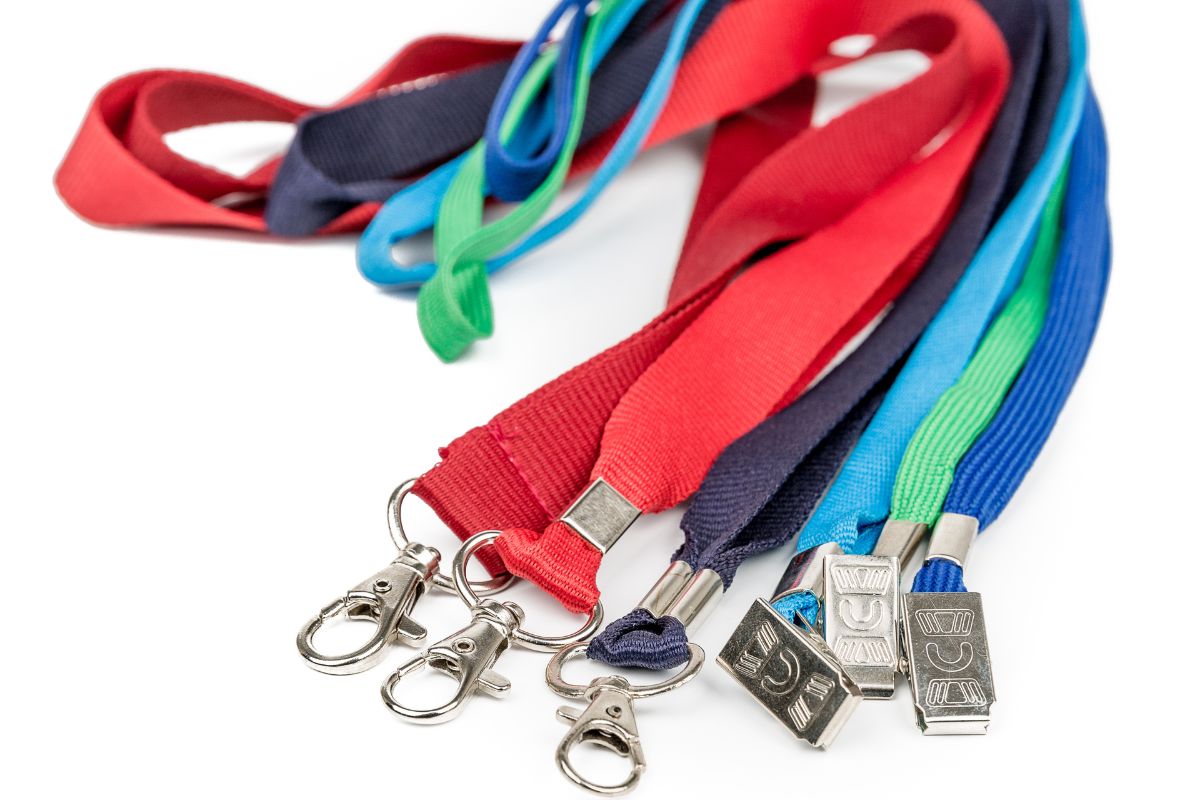
Lanyards are indispensable at events, serving as a primary identifier for attendees, staff, and speakers. Event organizers frequently leverage lanyards for branding their own event, creating a cohesive visual theme. More strategically, lanyards offer prime sponsorship opportunities. Companies often pay to have their logo featured prominently on the lanyards distributed at major events. This positions their brand directly in front of a targeted audience for the duration of the event, and often beyond. Attendees wear these sponsored lanyards around their necks, guaranteeing thousands of impressions within a concentrated demographic, often leading to direct engagement at sponsor booths. This form of advertising is less intrusive than traditional ads and is often perceived more positively, as the sponsor is facilitating an essential aspect of the event experience. It’s a highly visible, high-impact marketing channel that connects brands directly with their target market in a memorable context.
Enhancing Personal Branding with Lanyards
While often discussed in corporate or event contexts, lanyards also offer unique, albeit subtle, avenues for enhancing personal branding, particularly for professionals, freelancers, and thought leaders. In an increasingly networked world, every touchpoint contributes to one’s professional image.
Networking and First Impressions
In networking scenarios, especially at conferences, workshops, or industry gatherings, a professional’s presentation can significantly impact first impressions. While name badges are standard, the choice of lanyard can subtly elevate one’s personal brand. A high-quality, perhaps custom-designed lanyard that complements one’s professional attire or subtly incorporates elements of a personal brand (e.g., a specific color palette, a personal logo if applicable) can convey attention to detail and professionalism. It signals that one is prepared and serious about their engagement. For consultants or those representing specific initiatives, a lanyard with a project logo or a distinct professional group’s branding immediately communicates affiliation and expertise, acting as a conversation starter and a visual cue to their professional identity, making it easier for others to remember and connect with them.
Professional Affinity and Group Identity
Beyond individual branding, lanyards can signify allegiance to professional groups, associations, or communities, thereby enhancing one’s personal brand through association. Wearing a lanyard that proudly displays the logo of a prestigious industry organization, a professional certification body, or an alumni network immediately communicates a set of values, competencies, and connections. This affiliation can open doors, establish credibility, and foster a sense of shared understanding with others who recognize the emblem. For instance, a tech professional wearing a lanyard from a specific developer conference or a financial analyst sporting one from a recognized professional body instantly signals their engagement with specific industry segments and their commitment to continuous learning and professional development. This form of personal branding through group identity is a powerful way to leverage collective recognition for individual professional advancement.
Design Considerations for Effective Branding
The effectiveness of a lanyard as a branding tool hinges significantly on its design. A well-designed lanyard isn’t just functional; it’s an extension of the brand’s aesthetic and message. Careful consideration of various design elements ensures that the lanyard effectively serves its purpose as a brand ambassador.
Material, Color, and Logo Placement
The choice of material for a lanyard can speak volumes about a brand. Options range from durable polyester, offering a balance of cost and longevity, to more premium materials like satin or woven cotton for a sophisticated feel, or even eco-friendly options like bamboo or recycled PET for brands emphasizing sustainability. Each material conveys a different message about the brand’s values and quality. Color is equally critical; it should align perfectly with the brand’s established palette, ensuring immediate recognition and consistency. Logo placement is paramount: the logo needs to be clear, legible, and visible from various angles. Common printing methods include silk-screen printing for bold colors, dye-sublimation for intricate designs and gradients, or weaving for a tactile, embossed effect. The method chosen should reflect the desired visual impact and durability. Text, if included, should be concise and impactful, such as a company website, tagline, or social media handle.

Functionality Meets Brand Messaging
While aesthetics are important, the functional aspects of a lanyard cannot be overlooked, as they directly impact its utility and therefore its continued use. The type of attachment (e.g., swivel hook, bulldog clip, key ring) should be appropriate for its intended use, whether holding an ID badge, keys, or a USB drive. Safety features, such as breakaway clasps that prevent choking hazards, are crucial, particularly in industrial settings or for events involving children. Additional features like detachable buckles for quick access to attached items or built-in cardholders can add significant value, enhancing user convenience. When designing, brands must ensure that these functional elements do not detract from the brand message but rather enhance it. A high-quality, practical lanyard that performs well will be used more often, maximizing the brand’s investment and ensuring that the brand message is carried forward effectively and positively by its wearers.
aViewFromTheCave is a participant in the Amazon Services LLC Associates Program, an affiliate advertising program designed to provide a means for sites to earn advertising fees by advertising and linking to Amazon.com. Amazon, the Amazon logo, AmazonSupply, and the AmazonSupply logo are trademarks of Amazon.com, Inc. or its affiliates. As an Amazon Associate we earn affiliate commissions from qualifying purchases.