
In the world of global commerce, few commodities possess the resilience, complexity, and sheer profitability of ethanol. While a chemist would identify the “type” of alcohol in alcoholic beverages simply as C2H5OH—ethanol—an economist or an investment strategist sees it as a multi-billion dollar asset class. The transition from raw agricultural feedstock to the refined ethanol found in a $5,000 bottle of vintage Bordeaux or a mass-marketed lager represents one of the most sophisticated value-addition chains in modern finance. Understanding what type of alcohol is in these beverages is not merely a matter of chemistry; it is a fundamental lesson in market segmentation, commodity trading, and fiscal policy.
The Science of Value: Ethanol as a Commodity
At its core, the beverage industry relies on a single chemical compound: ethanol. However, from a financial perspective, not all ethanol is created equal. The “type” of alcohol is defined by its source material and the cost of its extraction. This section explores how the production of ethanol serves as the baseline for the industry’s economic structure.
Defining Ethanol in the Global Marketplace
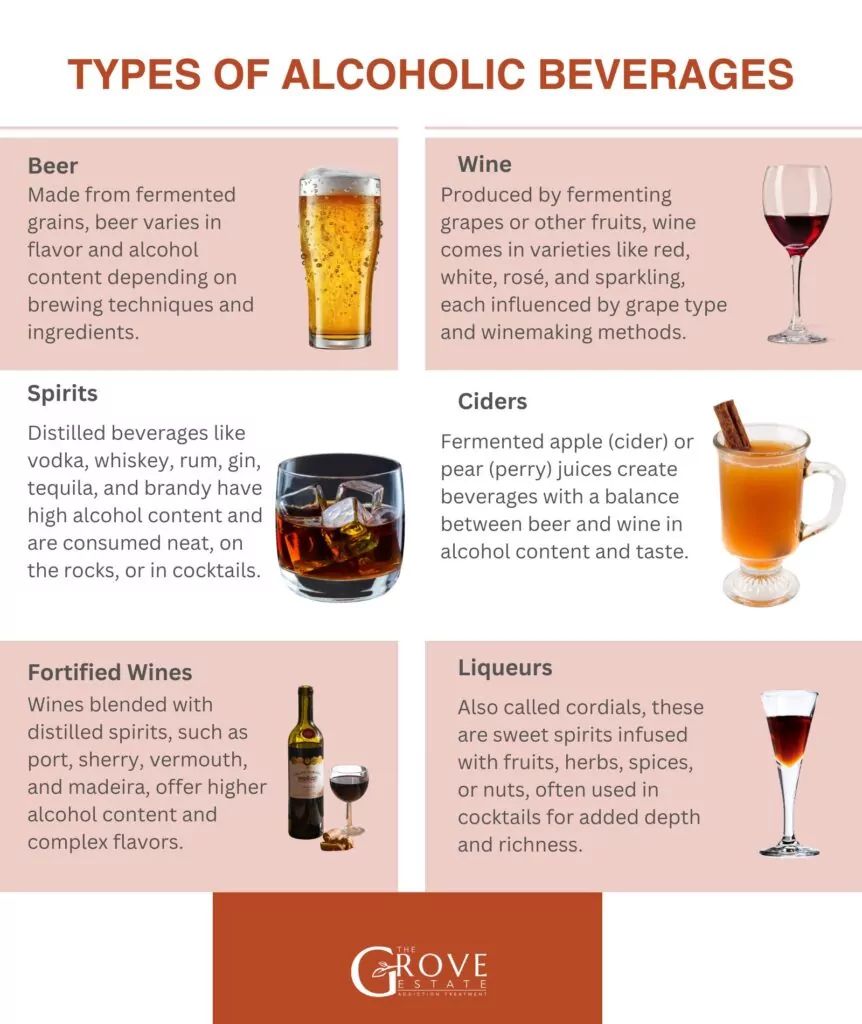
Ethanol is produced via the fermentation of sugars by yeast. In the financial sector, we categorize this based on the “feedstock.” Whether the sugar comes from grains (corn, rye, wheat), fruits (grapes, apples), or sugarcane, the resulting ethanol is the same molecular structure. However, the cost of production varies wildly. Industrial-scale ethanol produced from corn for “Grain Neutral Spirits” (GNS) is a high-volume, low-margin commodity. Conversely, ethanol derived from specific appellation grapes in Champagne represents a high-margin, low-volume luxury asset. Investors must distinguish between these “types” because the underlying commodity prices—such as the price of corn or the yield of a vineyard—directly impact the bottom line of beverage conglomerates.
Production Costs and Feedstock Volatility
The beverage industry is hyper-sensitive to agricultural shifts. For a company like Anheuser-Busch InBev or Diageo, the “type” of alcohol they produce is tied to the price of barley or agave. When drought hits Mexico, the cost of the ethanol found in Tequila rises, forcing a choice: absorb the cost and shrink margins, or pass the cost to the consumer. Sophisticated financial tools, such as futures contracts and hedging, are used by these corporations to lock in prices for the raw materials required to produce their specific type of ethanol. This makes the “type” of alcohol a variable in a complex risk-management equation.
Market Segmentation and Brand Equity
The chemical “type” of alcohol (ethanol) remains constant, but its perceived value is where the real money is made. In finance, this is known as the “premiumization” of the asset. The industry takes a commodity that costs cents to produce and scales its price point through branding and aging.
The Premiumization Trend in Spirits
Over the last decade, the global alcohol market has shifted from volume-driven growth to value-driven growth. Consumers are drinking less but “better.” This has financial implications for the types of alcohol produced. Distillers are moving away from mass-market “white spirits” (like budget vodka) toward aged “brown spirits” (like bourbon and scotch). From a balance sheet perspective, aged spirits are fascinating: they are essentially “inventory in waiting.” A distillery must hold its ethanol in barrels for years, representing a massive amount of locked-up capital. However, the return on investment (ROI) for an 18-year-old scotch compared to a 3-year-old blend is exponential, reflecting the premium the market places on time and “type.”
Craft vs. Conglomerate: Where the Profit Lies
The market for different types of alcoholic beverages is split between massive multinational corporations and artisanal “craft” producers. For the investor, the “type” of alcohol produced by a craft distillery—often marketed as “small-batch” or “hand-crafted”—allows for higher price elasticity. Small-scale producers can charge a premium that offsets their lack of economies of scale. Meanwhile, conglomerates focus on “GNS-based” products like flavored vodkas and gins, where the ethanol is cheap to produce, and the profit is generated through massive distribution networks and marketing spend.
Regulatory Impact and Taxation Frameworks
One cannot discuss the type of alcohol in beverages without addressing the “Sin Tax.” Alcohol is one of the most heavily regulated and taxed commodities in the world. The fiscal policy surrounding ethanol is a primary driver of retail pricing and corporate strategy.
Excise Taxes and Government Revenue
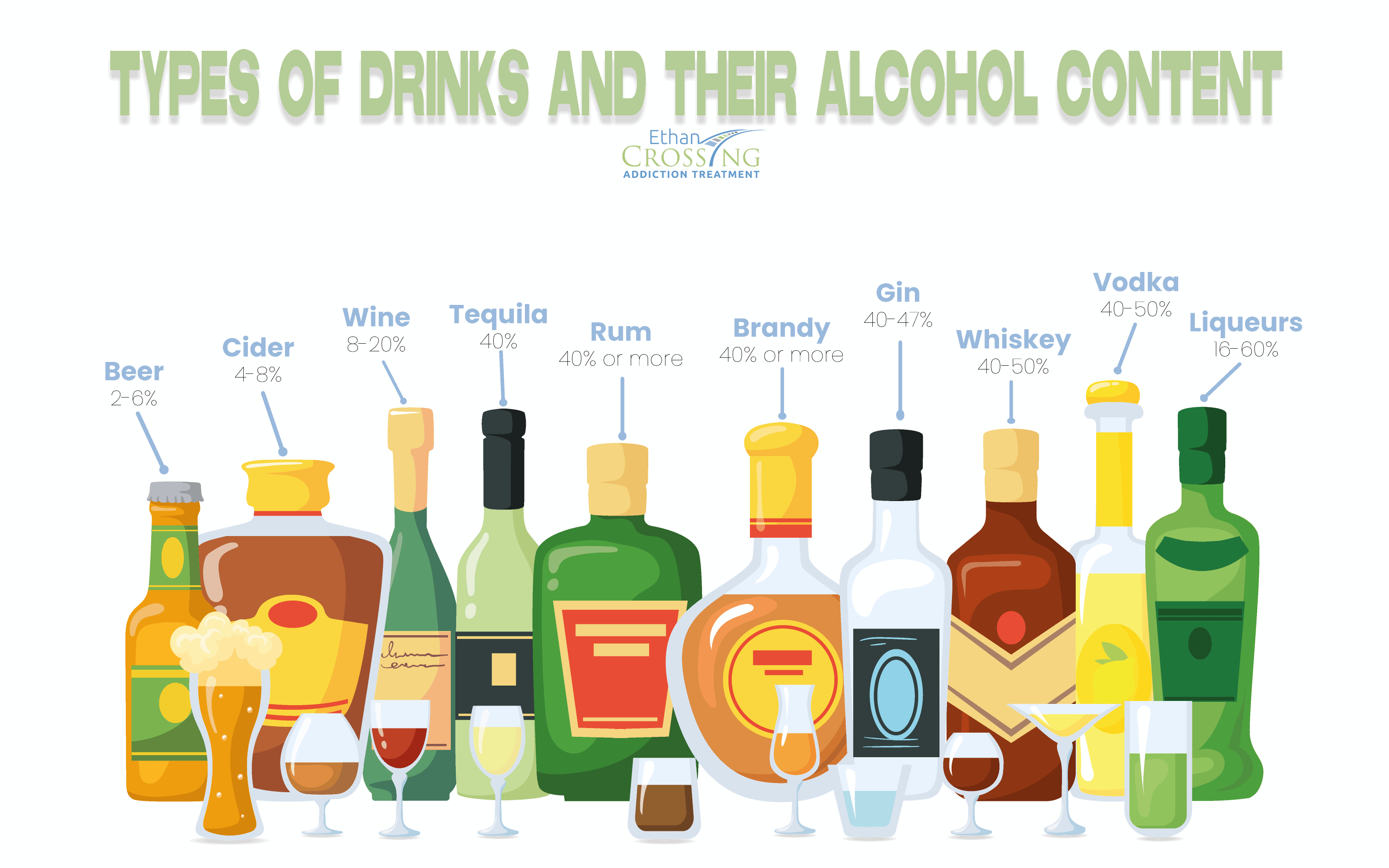
Governments across the globe view ethanol as a reliable source of “inelastic” revenue. Because the demand for alcohol remains relatively stable regardless of economic downturns, excise taxes are a staple of national budgets. However, the tax rate often depends on the type of alcohol and its concentration (Alcohol by Volume, or ABV). In many jurisdictions, distilled spirits are taxed at a significantly higher rate per unit of ethanol than beer or wine. This creates a financial “moat” or barrier for certain products, influencing which types of alcohol companies choose to promote in specific regions.
Trade Barriers and Global Distribution Logistics
The international trade of alcohol is a geopolitical chess match. Tariffs are frequently applied to specific types of alcohol—such as the recent trade disputes involving American Bourbon and French Cognac. For a multi-national brand, the “type” of alcohol they export determines their exposure to trade wars. Furthermore, the “Three-Tier System” in the United States (Producer, Wholesaler, Retailer) adds layers of cost that do not exist in other commodity markets. Navigating these regulatory waters is essential for maintaining the financial health of any beverage company.
Investing in the Alcohol Sector
For the individual or institutional investor, the alcoholic beverage sector offers a unique blend of stability and growth. Because the “type” of alcohol consumed changes with consumer trends, the sector requires a dynamic investment approach.
Blue-Chip Stocks and Defensive Assets
Companies like Diageo (DEO), Constellation Brands (STZ), and Brown-Forman (BF.B) are often considered “defensive” stocks. During a recession, consumers may cut back on luxury goods or travel, but historical data shows that spending on the “ethanol” category remains remarkably steady. These companies often pay consistent dividends, making them favorites for income-focused portfolios. The diversity of the “types” of alcohol in their portfolios—ranging from beer to high-end tequila—provides a natural hedge against shifting consumer preferences.
Alternative Investments: Rare Spirits and Wine Funds
Beyond traditional stocks, the “type” of alcohol itself has become an alternative asset class. Rare whiskies and fine wines have outperformed the S&P 500 in several recent five-year windows. Investing in a “cask” of scotch or a “case” of Bordeaux is no longer just for connoisseurs; it is for asset managers. The scarcity of certain types of aged ethanol creates a supply-demand imbalance that drives prices into the stratosphere. However, these are illiquid assets and require specialized knowledge of “provenance” and “storage conditions” to ensure the investment maintains its value.
Future Outlook: Technological Disruptions and Economic Shifts
The alcoholic beverage industry is not static. New technologies and shifting social values are changing the “types” of alcohol that dominate the market and how they generate profit.
E-commerce and Direct-to-Consumer (DTC) Models
Historically, the “type” of alcohol you could buy was limited by what a local distributor chose to carry. The rise of e-commerce has disrupted this. Direct-to-Consumer (DTC) shipping, particularly in the wine industry, allows producers to bypass the “middleman,” capturing a larger share of the margin. For investors, companies that have mastered the digital supply chain for their ethanol products are seeing higher growth rates than traditional brick-and-mortar-focused brands.

The Growth of Non-Alcoholic Alternatives
Perhaps the most significant economic shift is the rise of “alcohol-free” spirits and beers. While these products technically do not contain the ethanol “type” of alcohol, they are competing for the same “share of throat” and retail shelf space. From a business finance perspective, non-alcoholic versions of traditional beverages often carry higher margins because they avoid the heavy excise taxes associated with ethanol. Major players are aggressively diversifying into this space to capture the “sober curious” demographic, proving that the brand equity built around a “type” of alcohol can transcend the chemical compound itself.
In conclusion, while the “type” of alcohol in beverages is chemically ethanol, its economic reality is far more diverse. It is a commodity, a luxury good, a taxable asset, and a defensive investment. For those looking to navigate the financial landscape of the beverage industry, the key lies in understanding how this simple molecule is transformed through branding, regulation, and global trade into one of the world’s most enduring sources of wealth. Whether you are analyzing a balance sheet or a wine list, the underlying economics of ethanol remain a potent force in the global market.
aViewFromTheCave is a participant in the Amazon Services LLC Associates Program, an affiliate advertising program designed to provide a means for sites to earn advertising fees by advertising and linking to Amazon.com. Amazon, the Amazon logo, AmazonSupply, and the AmazonSupply logo are trademarks of Amazon.com, Inc. or its affiliates. As an Amazon Associate we earn affiliate commissions from qualifying purchases.