
Purple. It’s a color that evokes a sense of royalty, luxury, creativity, and even spirituality. It’s a hue that commands attention without being as aggressive as red or as playful as yellow. But when it comes to harnessing its power, a fundamental question arises for many: what two colors, when combined, yield this captivating shade? The answer, for those familiar with the basic principles of color theory, is red and blue. However, the true depth of this question lies not just in the mechanical act of mixing pigments, but in understanding the psychological impact and strategic application of purple within the realm of branding and marketing.

This article will delve into the multifaceted world of purple, exploring its origins as a color, its psychological connotations, and critically, how brands strategically leverage it to forge powerful identities, connect with consumers on an emotional level, and ultimately, drive business success. We will move beyond the simple pigment mix to understand the nuanced role of purple as a potent tool in the brand strategist’s arsenal.
The Genesis and Spectrum of Purple: From Pigment to Perception
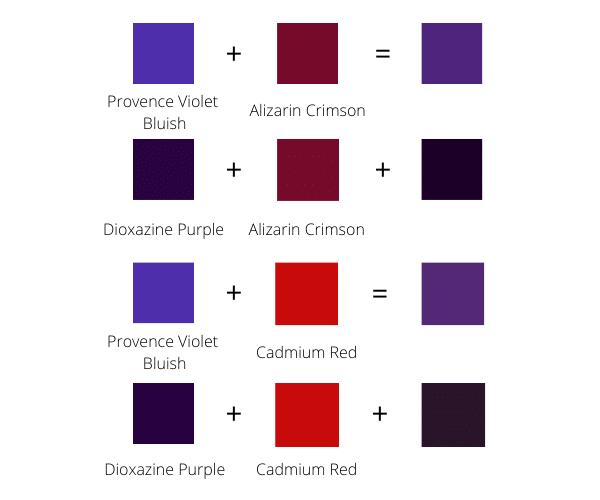
While the common understanding of purple’s creation is the simple intermingling of red and blue, the reality is a spectrum. The exact shade and its resulting impact are heavily influenced by the proportions of each primary color, as well as the presence of white or black, which further refine its character. Understanding this nuance is the first step in appreciating purple’s potential.
The Dichotomy of Red and Blue: Core Components of Purple
At its most fundamental level, purple is born from the union of red and blue. This inherent duality imbues purple with a complex psychological profile. Red, the color of passion, energy, and urgency, clashes and yet harmonizes with blue, the color of stability, trust, and depth. This inherent tension is what gives purple its intriguing and often sophisticated aura.
- The Influence of Red: When red dominates the mix, the resulting purple leans towards warmer, more vibrant shades like magenta or fuchsia. These hues often convey excitement, boldness, and a sense of urgency or action. Think of the vibrant packaging of certain energy drinks or the dynamic branding of a high-energy fashion label. The red component injects a sense of dynamism and immediate appeal.
- The Dominance of Blue: Conversely, when blue takes precedence, purples become cooler and more subdued, ranging from lavender to deep indigo. These shades evoke calmness, wisdom, and a sense of introspection or luxury. Brands that prioritize sophistication and a sense of heritage often gravitate towards these deeper purples. The blue undertones lend an air of trustworthiness and a more measured, thoughtful presence.
Beyond the Basic Mix: Shades and Their Psychological Resonance
The simple act of mixing red and blue is just the starting point. The infinite variations of purple offer a nuanced palette for brand expression. Each shade carries its own unique psychological baggage, influencing consumer perception and brand association.
- Light Purples (Lavender, Lilac): These softer, more delicate shades are often associated with femininity, romance, peace, and healing. Brands targeting a predominantly female audience, or those focused on wellness, relaxation, or delicate craftsmanship, might opt for these lighter purples. They suggest gentleness, compassion, and a touch of ethereal beauty.
- Mid-Tone Purples (Violet, Amethyst): These vibrant yet balanced purples strike a sophisticated chord. They represent creativity, imagination, and a sense of the extraordinary. Many luxury brands, particularly in cosmetics and fashion, utilize these shades to convey exclusivity, artistry, and a touch of magic. They suggest a blend of passion and thoughtfulness, appealing to those who appreciate refined aesthetics and innovative design.
- Dark Purples (Indigo, Deep Plum): The deepest shades of purple are steeped in richness, power, and mystery. They evoke a sense of luxury, opulence, and sometimes, a hint of the mystical. High-end jewelry brands, exclusive spirits, and premium technology often employ these deep purples to signify prestige, quality, and a refined, discerning taste. They communicate gravitas and an undeniable sense of importance.
The Psychology of Purple: Why Brands Choose This Captivating Hue
The strategic use of color in branding goes far beyond mere aesthetics; it taps into deep-seated psychological associations that influence consumer behavior and perception. Purple, with its rich history and multifaceted emotional resonance, offers a unique opportunity for brands to establish distinct identities and forge compelling connections.
Purple and Perceived Value: Royalty, Luxury, and Exclusivity
Historically, purple dyes were rare and incredibly expensive, making them accessible only to royalty and the wealthiest elite. This historical association has deeply embedded itself in our collective consciousness, making purple a powerful symbol of luxury, status, and exclusivity. Brands that utilize purple, particularly in its richer and deeper iterations, are inherently tapping into this legacy, signaling to consumers that their products or services are of high quality, exclusive, and perhaps even aspirational.

- Creating an Aura of Sophistication: By choosing purple, brands can instantly elevate their image, projecting an aura of sophistication and refinement. This is particularly effective for brands in industries where premium positioning is crucial, such as high-end fashion, luxury cosmetics, fine jewelry, and premium spirits. The color itself becomes a silent ambassador for quality and prestige.
- Appealing to Aspirational Consumers: For consumers who aspire to a higher standard of living or seek out unique and distinguished experiences, purple can be a powerful draw. It suggests a brand that understands and caters to discerning tastes, promising an elevated experience that transcends the ordinary. This can be a potent tool in building brand loyalty among a target demographic that values quality and perceived status.
Purple and Creativity: Innovation, Imagination, and the Unconventional
Beyond luxury, purple is strongly associated with creativity, imagination, and originality. It’s the color of artists, innovators, and dreamers. This makes it an ideal choice for brands that want to position themselves as forward-thinking, innovative, and capable of offering unique solutions or experiences.
- Fostering a Sense of Wonder and Magic: The slightly mystical and otherworldly quality of purple can evoke a sense of wonder and magic. Brands that aim to inspire, spark imagination, or offer something truly unique can leverage this aspect of purple. Think of brands in the entertainment industry, educational technology, or creative arts. They can use purple to suggest that their offerings are transformative, inspiring, and lead to novel discoveries.
- Encouraging Out-of-the-Box Thinking: For brands that encourage unconventional thinking, problem-solving, or artistic expression, purple serves as a visual cue. It can signal a space where new ideas are welcomed and where creativity flourishes. This can be particularly effective for companies in design, software development, or even educational institutions that emphasize creative learning.
Strategic Applications of Purple in Branding: Case Studies and Considerations
The effective use of purple in branding requires a strategic understanding of its psychological impact and a careful consideration of how it aligns with the overall brand identity and target audience. While the color itself holds power, its successful implementation is a testament to thoughtful design and marketing.
Industry Examples: Where Purple Shines Brightest
Numerous successful brands have harnessed the power of purple to create memorable and impactful identities. Examining these examples offers valuable insights into its diverse applications across various sectors.
- Technology and Innovation: Companies like Yahoo!, Twitch, and even elements within Microsoft’s branding have utilized shades of purple. This choice often signifies a desire to be perceived as innovative, creative, and perhaps a bit unconventional within the tech landscape. It suggests a brand that thinks differently and offers a fresh perspective. For instance, Twitch’s vibrant purple logo is instantly recognizable and associated with a dynamic community of creators and viewers, fostering a sense of energetic engagement.
- Luxury and Beauty: Cadbury, known for its iconic purple packaging, has successfully built a brand synonymous with indulgence and rich chocolate experiences. The deep, regal purple evokes a sense of premium quality and a pleasurable escape. Similarly, many high-end cosmetic brands, such as Urban Decay, often incorporate purple into their branding and product packaging to convey a sense of edgy sophistication and artistic expression, appealing to a demographic that values both luxury and individuality.
- Wellness and Spirituality: Brands in the wellness and spiritual sectors often employ lighter, more calming shades of purple. For example, some yoga studios, meditation apps, or aromatherapy brands might use lavender or lilac to evoke feelings of peace, tranquility, and self-discovery. These hues align with the core values of relaxation, mindfulness, and holistic well-being.
Considerations for Incorporating Purple into Your Brand Strategy
When considering purple for your brand, it’s crucial to move beyond simply liking the color. A strategic approach ensures that its use is not only aesthetically pleasing but also emotionally resonant and business-effective.
- Target Audience Alignment: Who are you trying to reach? Does the psychological profile of purple align with their aspirations, values, and preferences? A brand targeting a young, energetic audience might opt for brighter, more vibrant purples, while a brand aiming for a mature, sophisticated demographic would lean towards deeper, more muted tones.
- Competitive Landscape Analysis: What colors are your competitors using? While it’s important to stand out, understanding the existing color landscape can help you make informed decisions. If purple is heavily saturated in your market, consider how you can use it distinctively or perhaps focus on a specific shade that differentiates you.
- Brand Personality and Values: Does purple truly reflect your brand’s core personality and values? If your brand is about raw power and aggression, purple might be a mismatch. However, if it embodies creativity, sophistication, or a touch of mystery, purple can be an excellent fit.
- Consistency Across Touchpoints: Once you’ve decided on the role of purple in your branding, ensure it is applied consistently across all marketing materials, from your logo and website to social media, packaging, and even interior design if you have a physical presence. This consistency reinforces brand recognition and strengthens its emotional impact.
The Art and Science of Purple: A Powerful Branding Tool
The question of what two colors make purple, while seemingly simple, opens a door to a world of strategic branding and marketing possibilities. Red and blue, when masterfully blended, create a hue that speaks volumes about a brand’s aspirations, values, and intended message. Purple is more than just a color; it’s a carefully chosen statement that can convey luxury, ignite creativity, and foster a deep emotional connection with consumers.
As brands continue to navigate an increasingly crowded marketplace, the strategic use of color remains a critical differentiator. By understanding the deep psychological implications, the historical connotations, and the diverse spectrum of its shades, marketers and brand strategists can leverage purple not just to be seen, but to be felt. It’s a testament to the power of color theory when wielded with insight and intent, transforming a simple pigment mix into a potent force for brand identity and commercial success. Whether it’s the regal allure of deep indigo, the creative spark of violet, or the gentle touch of lavender, purple offers a rich and versatile palette for brands seeking to leave an indelible mark on the minds and hearts of their audience.
aViewFromTheCave is a participant in the Amazon Services LLC Associates Program, an affiliate advertising program designed to provide a means for sites to earn advertising fees by advertising and linking to Amazon.com. Amazon, the Amazon logo, AmazonSupply, and the AmazonSupply logo are trademarks of Amazon.com, Inc. or its affiliates. As an Amazon Associate we earn affiliate commissions from qualifying purchases.