
While many view the process of making maple syrup as a quaint, North American autumnal tradition, savvy investors and landowners view it through a different lens: a high-yield agricultural asset class. The “Liquid Gold” economy is built on a specific biological foundation. Just as a portfolio manager must distinguish between high-growth tech stocks and stable blue-chip dividends, a maple producer must identify which trees offer the highest Return on Investment (ROI).
To understand the financial potential of a “sugarbush” (a forest stand used for syrup), one must first identify the biological machinery that drives the revenue. In this article, we analyze the specific tree species that make maple syrup from a strategic financial perspective, evaluating their yield potential, operational efficiency, and long-term asset value.
Identifying High-Yield Assets: The Species That Drive the Industry
Not all trees are created equal in the eyes of a commercial syrup producer. When evaluating a piece of timberland for its income-generating potential, the species composition is the primary indicator of future cash flow. The concentration of sugar in the sap directly dictates the “Rule of 40″—the industry standard that it takes 40 gallons of sap to produce one gallon of syrup. Any improvement in this ratio via superior tree selection directly reduces fuel costs and labor, thereby widening profit margins.
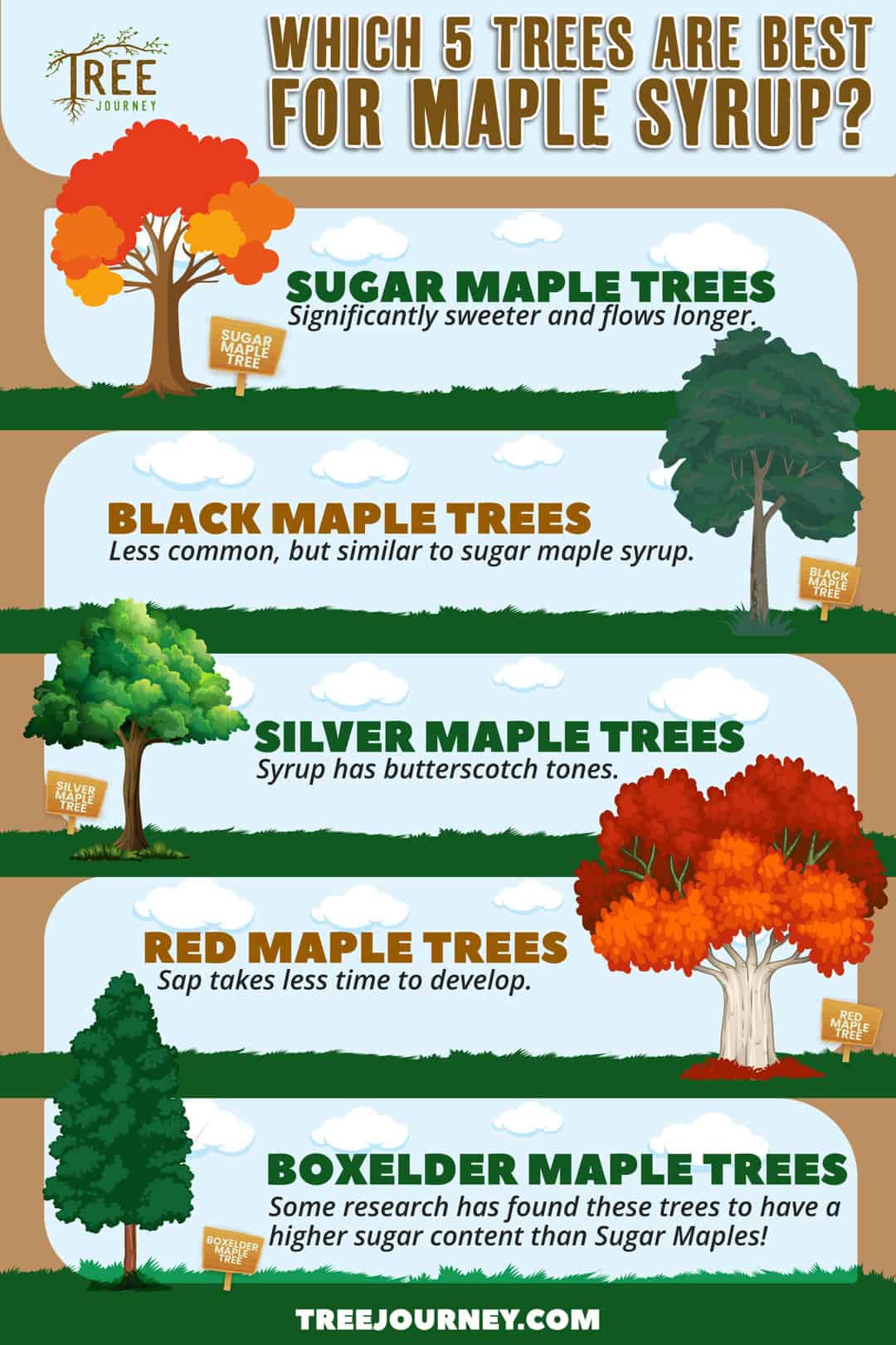
The Sugar Maple (Acer saccharum): The Blue-Chip Stock of Forestry
The Sugar Maple is the undisputed market leader in the syrup industry. From an investment standpoint, it is the “blue-chip” asset. The primary reason is its high sugar concentration, which typically ranges from 2.0% to 3.0%, though “sweet trees” can reach even higher.
In financial terms, the Sugar Maple offers the highest operational efficiency. Because the sap is sweeter, less water needs to be evaporated to reach the legally required sugar density of 66%. This translates to lower energy expenditures (wood, oil, or electricity) and less wear and tear on processing equipment like Reverse Osmosis (RO) machines and evaporators. For a commercial operation, a forest dominated by Acer saccharum represents a lower Cost of Goods Sold (COGS) and a more stable long-term yield.
Red and Black Maples: Diversifying Your Natural Capital Portfolio
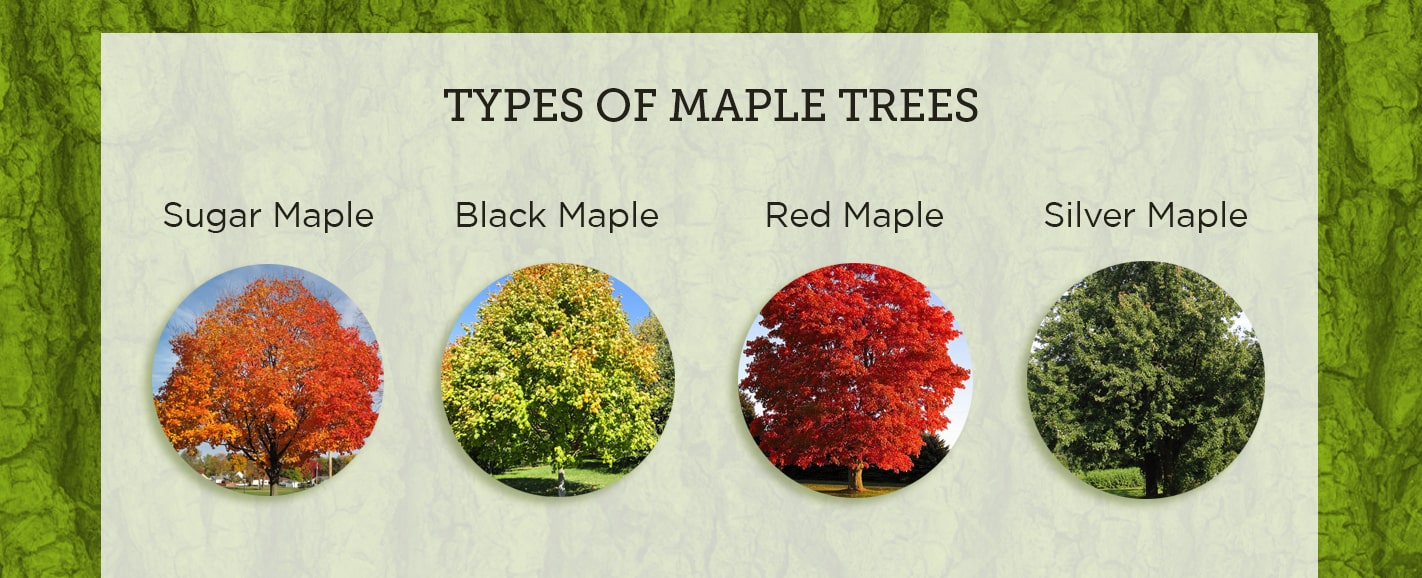
While the Sugar Maple is the gold standard, the Red Maple (Acer rubrum) and Black Maple (Acer nigrum) serve as vital secondary assets for portfolio diversification.
The Black Maple is often considered a subspecies of the Sugar Maple and offers comparable sugar yields, though it is more geographically limited. The Red Maple, however, is a fascinating study in market adaptability. While its sugar content is generally lower than that of the Sugar Maple, Red Maples are more resilient to various soil conditions and climate fluctuations. For a landowner, including Red Maples in the tapping plan allows for a larger volume of sap, which can be critical for scaling up production to meet wholesale contracts, even if the processing costs are slightly higher per gallon.
The Revenue Model: From Sap Flow to Cash Flow
To treat maple production as a serious business or side hustle, one must move beyond the botany and into the balance sheet. The transition from a standing tree to a bottled commodity involves complex capital expenditures and a deep understanding of the margin between raw material and finished product.
Understanding the Cost of Goods Sold (COGS) in Syrup Production
In the syrup economy, the primary “raw material” is the sap, but the real cost lies in the conversion. If you are tapping trees with a 1% sugar content (common in Silver Maples) versus 2% (Sugar Maples), your boiling time and fuel costs effectively double.
Professional producers use a metric called the “Jones’ Rule of 86” (an evolution of the Rule of 40) to calculate yield: divide 86 by the sugar content of the sap to determine how many gallons of sap are needed for one gallon of syrup. A strategic investor prioritizes stands of trees that lower this number, as it is the most direct way to increase the net profit margin without raising the price for the end consumer.
Capital Expenditure (CapEx) vs. Operational Yield
Entering the maple market requires significant upfront capital. Modern high-efficiency operations utilize vacuum tubing systems rather than traditional buckets. While a vacuum system represents a high CapEx—costing thousands of dollars in tubing, pumps, and extractors—it can increase sap yield by 50% to 100% compared to gravity-fed systems.
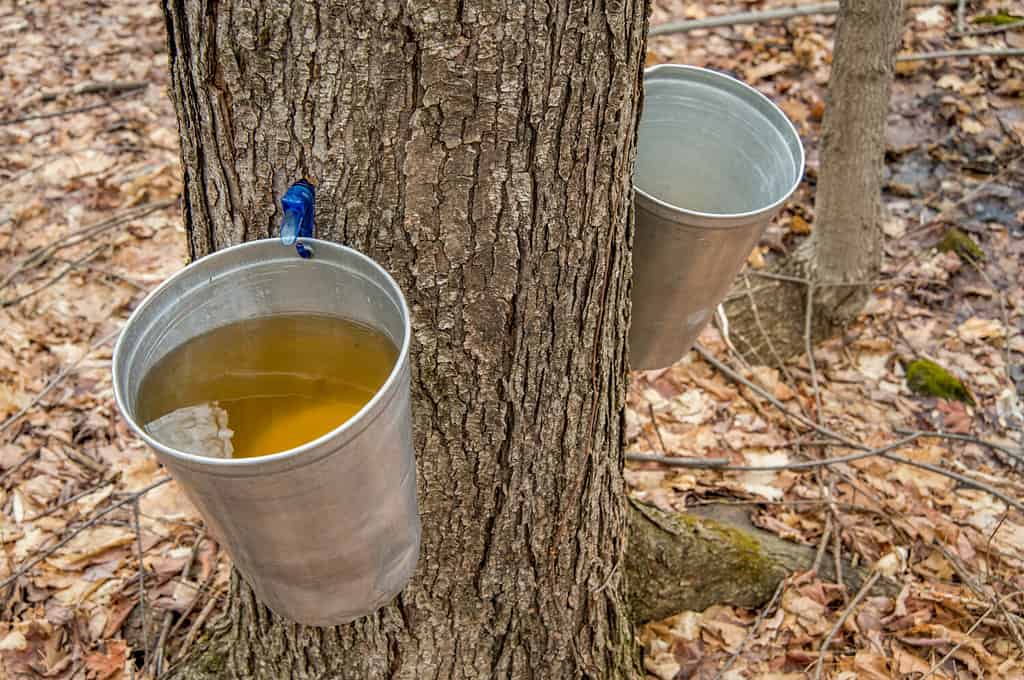
From a financial planning perspective, the “payback period” on this technology is shortened when the trees being tapped are of high quality. Investing in a top-tier evaporator for a forest of low-yield Silver Maples is a poor allocation of capital. Conversely, deploying high-tech extraction on a dense stand of Sugar Maples maximizes the ROI of the equipment, allowing the producer to break even in as little as three to five seasons.
Strategic Asset Management: Maximizing ROI on Tapped Land
Owning a forest is a long-term play. Unlike annual crops like corn or soy, maple trees are a multi-generational asset. Proper management of these “biological factories” is essential to ensure the land remains productive and the valuation of the property continues to appreciate.
Sustainable Tapping and Long-Term Value Retention
Over-tapping a tree is equivalent to over-leveraging a business; it might produce short-term gains, but it risks a total collapse of the asset. A tree must be at least 10-12 inches in diameter before it can be considered a “productive asset” (tappable).
Strategic asset management involves “conservative tapping”—ensuring that the number of taps per tree does not exceed its biological capacity to heal. This maintains the health of the timber, ensuring that if the owner ever decides to exit the syrup business, the trees still hold significant value as high-grade sawtimber. This “dual-exit strategy” (syrup revenue now, timber revenue later) makes maple-rich land a particularly attractive investment for rural estate portfolios.
Tax Incentives and Agricultural Exemptions for Landowners
One of the most overlooked financial benefits of owning “syrup trees” is the potential for significant tax savings. Many jurisdictions offer agricultural or forest land use tax assessments. By actively managing a forest for maple production, a landowner can often transition their property from a high-tax residential or “idle” status to a much lower agricultural valuation. These tax savings can often cover the annual property taxes, effectively making the syrup production a “self-funding” land investment.
Market Volatility and the Future of the Maple Commodity
The maple syrup market is not immune to global economic trends. As a luxury food product, it is sensitive to consumer discretionary spending, yet as an agricultural product, it is subject to the volatility of climate and weather.
Climate Risks and Hedge Strategies
The “dividend” of a maple tree is paid out in a very narrow window: the 4 to 6 weeks in early spring when temperatures fluctuate between freezing at night and thawing during the day. A warm winter can “bankrupt” a season by preventing the sap flow entirely.
To hedge against this volatility, large-scale producers are increasingly investing in northern territories (such as Quebec and Maine) where the season is more reliable. Additionally, geographic diversification—owning sugarbushes in different micro-climates—serves as a physical hedge against localized weather patterns that could ruin a harvest.
Global Demand and the Expansion of the Luxury “Agro-Investment” Niche
The global demand for natural, unrefined sugars is on the rise, particularly in European and Asian markets. This has transformed maple syrup from a regional pancake topper into a global commodity used in industrial food production, spirits, and high-end culinary arts.
For the investor, this means that the underlying asset—the trees—is becoming more valuable. We are seeing a rise in “sale-leaseback” models in the maple industry, where investors purchase the land and lease the tapping rights to professional syrup producers. This provides the investor with a steady, low-effort “rent” (the sap lease) while the producer handles the labor-intensive harvesting and processing.
Conclusion
The question of “what trees make maple syrup” is ultimately a question of asset identification. While the Sugar Maple is the premier vehicle for generating high-margin revenue, the broader maple family offers various avenues for land utilization and income generation. By treating the forest as a portfolio of living assets, landowners can capitalize on the growing global demand for “Liquid Gold.”
Whether you are looking for a high-margin side hustle or a long-term real estate investment with agricultural tax benefits, understanding the economic profile of the maple tree is the first step toward building a sustainable, profitable enterprise in the heart of the woods. In the world of natural capital, few assets are as sweet—or as resilient—as the maple tree.
aViewFromTheCave is a participant in the Amazon Services LLC Associates Program, an affiliate advertising program designed to provide a means for sites to earn advertising fees by advertising and linking to Amazon.com. Amazon, the Amazon logo, AmazonSupply, and the AmazonSupply logo are trademarks of Amazon.com, Inc. or its affiliates. As an Amazon Associate we earn affiliate commissions from qualifying purchases.