
For over two decades, fans of the television series Gilmore Girls have embarked on a specific kind of pilgrimage. They head to the rolling hills of Connecticut, searching for a town that doesn’t technically exist: Stars Hollow. While the show was primarily filmed on a backlot in California, the enduring question of “what town was Gilmore Girls filmed in” reveals a masterclass in place branding and the power of fictional identity.
In the world of marketing and brand strategy, Stars Hollow is more than just a backdrop for fast-talking dialogue and caffeine addiction. It is a highly curated brand asset that has driven millions of dollars in tourism, influenced real estate trends, and defined a “small-town aesthetic” that brands still attempt to replicate today. To understand the “where” of Gilmore Girls, we must look past the studio walls and analyze how a fictional location became one of the most successful lifestyle brands in modern media.
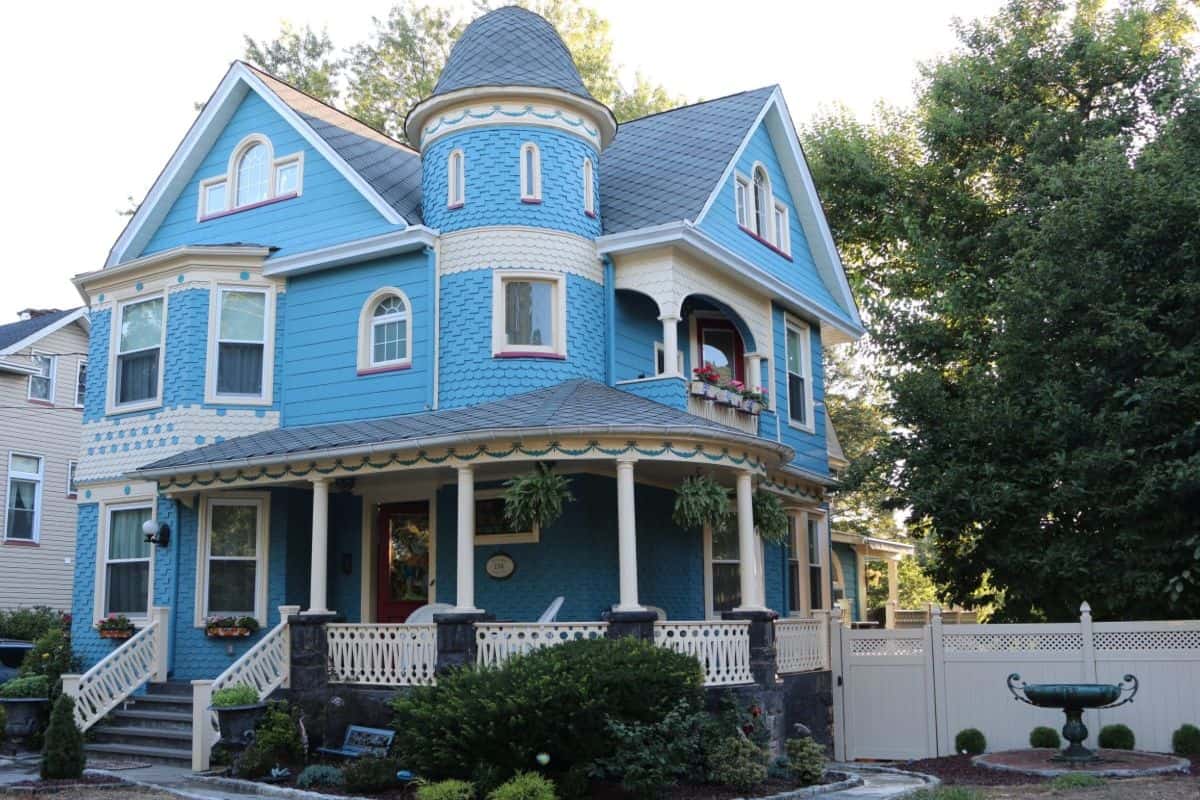
Decoding the Myth: Where Stars Hollow Lives and the Brand It Built
When audiences ask where Gilmore Girls was filmed, they are usually looking for the soul of the show. The answer is a fascinating study in the intersection of real-world inspiration and manufactured brand consistency. While the pilot episode was filmed in Unionville, Ontario, the remainder of the series was shot on the “Midwest Street” backlot at Warner Bros. Studios in Burbank, California. However, the brand of the town was born in Washington Depot, Connecticut.
The Connecticut Inspiration: Washington Depot as a Brand Catalyst
The inception of the Stars Hollow brand began when series creator Amy Sherman-Palladino stayed at the Mayflower Inn in Washington Depot, Connecticut. In brand strategy terms, this was the “discovery phase.” She observed a community where people knew their neighbors, the local diner was the town’s social hub, and the atmosphere was thick with a specific kind of New England charm.
This real-life town provided the “Brand DNA.” It offered the sensory details—the smell of autumn leaves, the proximity of the local bookstore, and the communal warmth—that would eventually be packaged into a television product. By grounding the show’s identity in a real geographic region, the creators gave the brand an anchor of authenticity that fans could latch onto, even if the town itself was a composite.
The Warner Bros. Lot: Engineering a Controlled Brand Environment
Once the brand DNA was established, it had to be scaled and controlled. This happened on the Warner Bros. backlot. For a brand to be successful, it must be consistent. By building Stars Hollow on a studio lot, the production team could control every touchpoint of the brand’s visual identity.
From the iconic gazebo in the center of the square to the specific color palette of the buildings, the physical set was a controlled environment designed to evoke a specific emotional response: comfort. In branding, consistency builds trust. Because the town square never changed, it became a reliable “safe space” for the audience, reinforcing the brand’s core value of escapism.
The Architecture of Nostalgia: Designing a Brand That People Want to Visit
The success of Stars Hollow as a brand lies in its architecture—both literal and figurative. Place branding is the process of discovering or creating a unique identity for a location and communicating that identity to a target audience. Gilmore Girls didn’t just film a show; they designed a lifestyle brand centered on “The Architecture of Nostalgia.”
Small-Town Archetypes as Marketing Assets
Every brand needs recognizable symbols. Stars Hollow utilized archetypal small-town elements and turned them into brand assets. Luke’s Diner isn’t just a restaurant; it’s a symbol of reliability and “no-nonsense” quality. The DragonFly Inn represents the “boutique hospitality” arm of the brand.
These locations serve as “brand pillars.” When a viewer sees the coffee cup at Luke’s or the floral arrangements at Sookie’s kitchen, they are interacting with a cohesive visual language. This is why the question of where the show was filmed is so persistent—the branding is so effective that the audience experiences a genuine “sense of place,” a psychological phenomenon where a person develops a deep emotional bond with a location.
Visual Consistency and the Aesthetic of Comfort
In the age of social media, the “Stars Hollow aesthetic” has become a brand of its own, often categorized under “Cottagecore” or “Fall Aesthetic” on platforms like Pinterest and TikTok. This visual brand is characterized by warm lighting, autumnal colors, and a density of detail that suggests history and lived-in comfort.
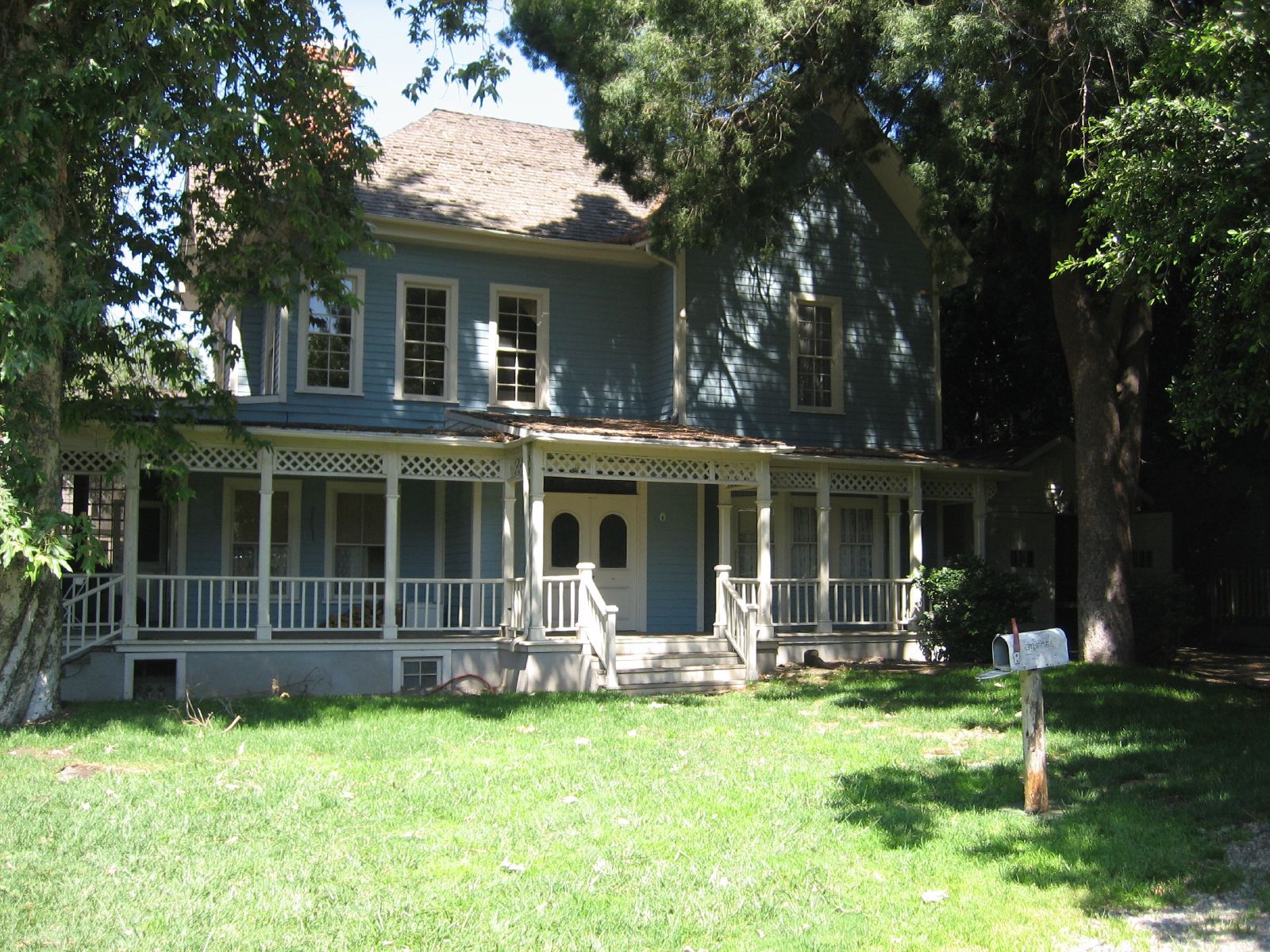
From a design perspective, this was a deliberate choice to differentiate the Gilmore Girls brand from the gritty or hyper-modern looks of other shows in the early 2000s. By leaning into a timeless, curated nostalgia, the brand avoided becoming dated. Today, businesses—from coffee shops to independent bookstores—use the “Stars Hollow playbook” to design their interiors, knowing that this specific brand of comfort drives customer loyalty.
From Screen to Street: The Commercial Impact of Fictional Place Branding
The power of the Stars Hollow brand is most evident in its economic ripple effect. Even though the town is fictional, it has created real-world wealth and transformed the marketing strategies of entire regions in New England. This is a prime example of “set-jetting,” a trend where travelers visit locations from their favorite shows, but Gilmore Girls took it a step further by creating a brand that fans want to inhabit.
The “Gilmore Girls Fan Fest” and Event-Based Branding
For years, the town of Washington Depot and other nearby villages like New Milford and Kent have capitalized on their association with the show. The “Gilmore Girls Fan Fest” (now known as The Firelight Event) is a textbook example of experiential marketing. It allows fans to “step into the brand.”
These events don’t just celebrate a show; they sell an experience. Local vendors, inns, and shops align their branding with the show’s themes to capture a highly engaged demographic. This illustrates how a fictional brand can provide a “halo effect” for real-world businesses, boosting local economies by providing a narrative that tourists are eager to pay for.
The Economic Ripple Effect on Litchfield County
The branding of Stars Hollow has also had a significant impact on real estate and local commerce in Litchfield County, Connecticut. The area has seen a surge in “lifestyle seekers”—individuals who want to live the life the brand promises.
In marketing, this is known as “brand extension.” The show extended its influence from the screen to the real-world housing market. People aren’t just looking for a house; they are looking for the “Stars Hollow life.” This demand has influenced how realtors market properties in the area, often highlighting “walkable town centers” and “community spirit”—the very values that the Gilmore Girls brand elevated to national prominence.
Lessons in Brand Loyalty: Why Audiences Are Still Seeking Stars Hollow 20 Years Later
The longevity of the Gilmore Girls brand is a testament to the power of community-centric storytelling. In a digital age where many brands feel impersonal and fleeting, Stars Hollow offers the opposite: a sense of belonging.
Building a Sense of Community Through Storytelling
At its core, the brand of Stars Hollow is about “The Third Place.” In sociology and marketing, the Third Place is the social environment separate from the two usual social environments of home (“first place”) and the office (“second place”). Stars Hollow, with its town meetings and shared festivals, is the ultimate Third Place.
Brands that successfully create a community around their product—think Apple, Harley-Davidson, or CrossFit—are the ones that survive for decades. Gilmore Girls achieved this by making the town a character in its own right. The brand doesn’t just sell a story about a mother and daughter; it sells the idea of being part of a community where you are known and valued.

Longevity and the Legacy of Authentic Brand Narrative
As we analyze “what town was Gilmore Girls filmed in,” we ultimately find that the location is less important than the narrative. The brand’s success stems from its ability to evoke a feeling that transcends the physical set.
For brand strategists, the lesson is clear: authenticity isn’t necessarily about being “real” in the literal sense; it’s about being true to the brand’s promise. Stars Hollow promised a world where life was faster but simpler, where coffee was a personality trait, and where community was the foundation of everything. By delivering on that promise consistently for seven seasons and a revival, the creators built a brand that remains as potent today as it was in 2000.
In conclusion, while the physical filming of Gilmore Girls took place on a sunny lot in California, the brand of Stars Hollow lives in the collective imagination of millions. It is a masterpiece of place branding that demonstrates how a well-crafted identity can move beyond the screen and into the real world, influencing tourism, design, and the way we think about the communities we call home. Stars Hollow isn’t just a town on a map; it’s a gold standard in the art of brand building.
aViewFromTheCave is a participant in the Amazon Services LLC Associates Program, an affiliate advertising program designed to provide a means for sites to earn advertising fees by advertising and linking to Amazon.com. Amazon, the Amazon logo, AmazonSupply, and the AmazonSupply logo are trademarks of Amazon.com, Inc. or its affiliates. As an Amazon Associate we earn affiliate commissions from qualifying purchases.