
The humble oil filter, often overlooked and underappreciated, plays a critical role in the health and longevity of your vehicle’s engine. While the concept is simple – to remove contaminants from the engine oil – the technology behind achieving this goal is surprisingly complex and has evolved significantly over time. Understanding what constitutes a “best” oil filter involves delving into the intricate workings of filtration media, bypass valve mechanisms, and construction materials. This article will explore the technological advancements and key considerations that determine the superior performance of automotive oil filters, guiding you towards informed choices for your vehicle’s well-being.

The Foundation of Filtration: Understanding Filter Media
At the heart of every oil filter lies its filtration media, the material responsible for trapping harmful particles suspended in the engine oil. The effectiveness of this media directly impacts how well the filter protects your engine. Modern oil filters utilize a variety of materials, each with its own set of advantages and limitations, driving the technological evolution of oil filtration.
Cellulose vs. Synthetic Fibers: The Core Debate
Historically, oil filters primarily used cellulose fibers, derived from wood pulp. These fibers are effective at capturing larger particles and are relatively inexpensive to produce. However, cellulose-based filters have limitations in terms of particle capture efficiency, especially for smaller, more abrasive contaminants that can cause significant engine wear over time.
In contrast, synthetic filter media, typically made from polyester or acrylic fibers, represent a significant technological leap. These fibers can be engineered with much smaller pore sizes, allowing them to capture a far greater range of contaminants, including sub-micron particles that cellulose filters might miss. Synthetic media also boasts superior durability and resistance to degradation from heat and chemical exposure within the engine. This means they maintain their filtering integrity for longer periods, even under demanding operating conditions.
Blend Media: The Best of Both Worlds?
Recognizing the strengths of both cellulose and synthetic fibers, many manufacturers have developed blend media filters. These filters combine cellulose and synthetic fibers in varying ratios, aiming to strike a balance between cost-effectiveness and high-performance filtration. The specific blend ratio and the manufacturing process can significantly impact the filter’s overall efficiency and lifespan. Advanced manufacturing techniques allow for precise control over fiber density and pore distribution within the blend, optimizing its ability to capture a broad spectrum of contaminants.
Pleating Technology and Surface Area
Beyond the material itself, the way the media is pleated plays a crucial role in maximizing its effectiveness. Pleating increases the surface area of the filter media, allowing more oil to flow through it while maintaining a high level of filtration. Modern pleating techniques are highly sophisticated, creating intricate patterns that ensure even oil distribution and prevent “channeling,” where oil bypasses certain areas of the media. The depth and density of the pleats are carefully engineered to optimize both filtration efficiency and flow rate, ensuring the engine receives adequate, clean oil without undue restriction. Some advanced filters employ specialized pleating designs that further enhance contaminant holding capacity and extend service intervals.
The Critical Role of the Bypass Valve: Ensuring Uninterrupted Oil Flow
While the primary function of an oil filter is to remove contaminants, it’s equally important that it doesn’t impede the flow of oil to the engine, especially during cold starts or when the filter becomes clogged. This is where the bypass valve, a seemingly simple but technologically critical component, comes into play.
Functionality and Design
The bypass valve is a spring-loaded mechanism designed to open when the pressure differential across the filter media exceeds a certain threshold. This occurs when the oil becomes too thick (e.g., at cold temperatures) or when the filter media is heavily laden with contaminants and begins to restrict flow. By opening, the bypass valve allows unfiltered oil to bypass the filter and continue circulating through the engine.
The effectiveness of the bypass valve hinges on its precise calibration. If it opens too easily, unfiltered oil can reach the engine more frequently, negating the filter’s purpose. Conversely, if it opens too late, engine components could be starved of oil, leading to severe damage. Modern bypass valves are engineered with tight tolerances and high-quality springs to ensure reliable and consistent operation across a wide range of temperatures and pressures. The design also considers factors like vibration and thermal expansion to maintain precise functionality.
Pressure Differential Settings and Variations
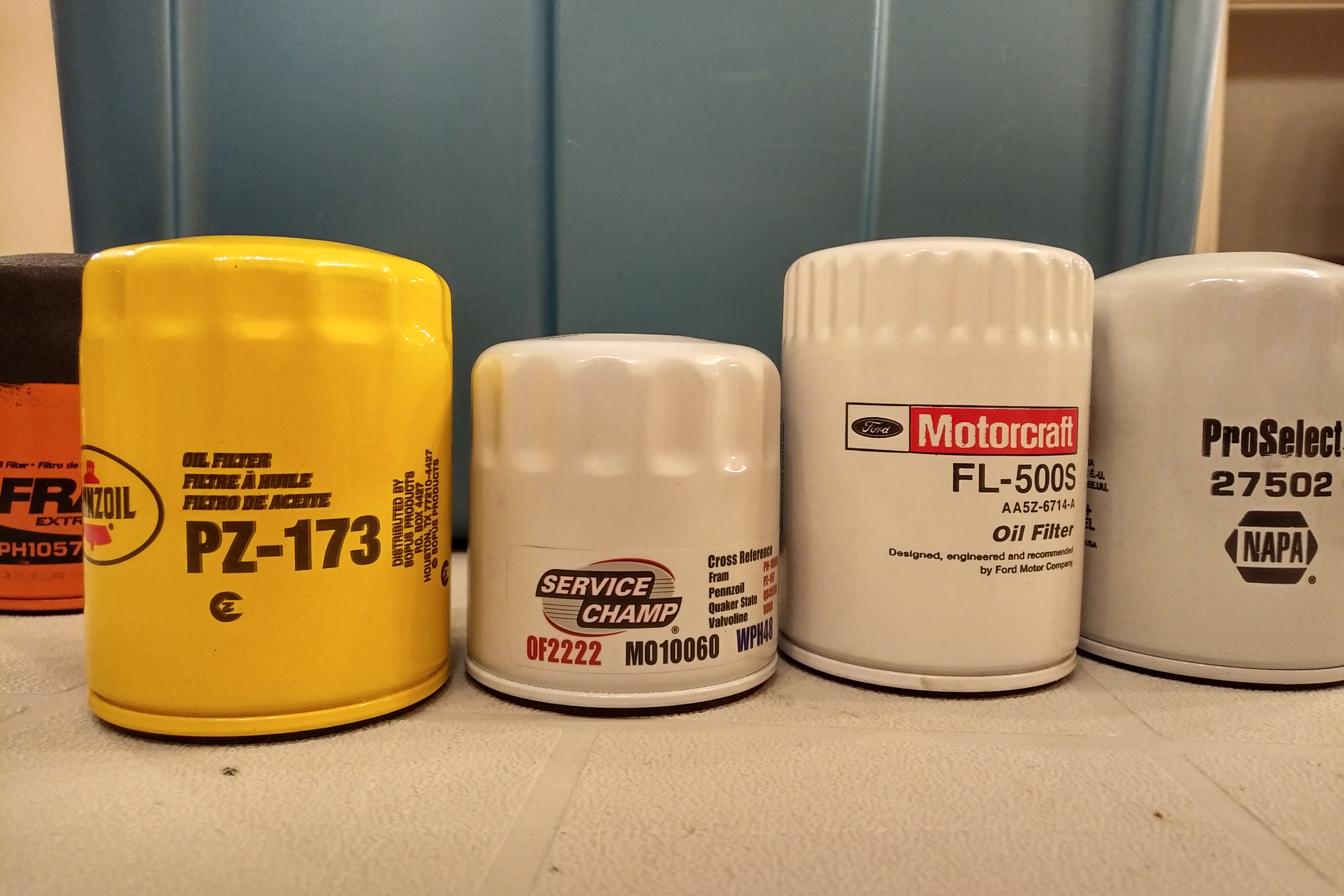
The pressure at which the bypass valve opens is a critical specification, often referred to as the bypass pressure setting. This setting is determined by the filter manufacturer based on the vehicle’s specific engine requirements and the expected viscosity of the oil under various operating conditions. Different vehicle manufacturers may specify different bypass pressure settings for their engines, and choosing a filter that adheres to these specifications is paramount. Some high-performance filters may offer adjustable bypass settings or utilize more sophisticated valve designs that adapt to changing flow conditions, further enhancing their technological sophistication.
Construction and Durability: The Unsung Heroes of Filter Performance
Beyond the filter media and bypass valve, the overall construction and materials used in an oil filter contribute significantly to its performance, durability, and ability to withstand the harsh environment within an engine compartment.
Housing and Sealing: Preventing Leaks and Maintaining Integrity
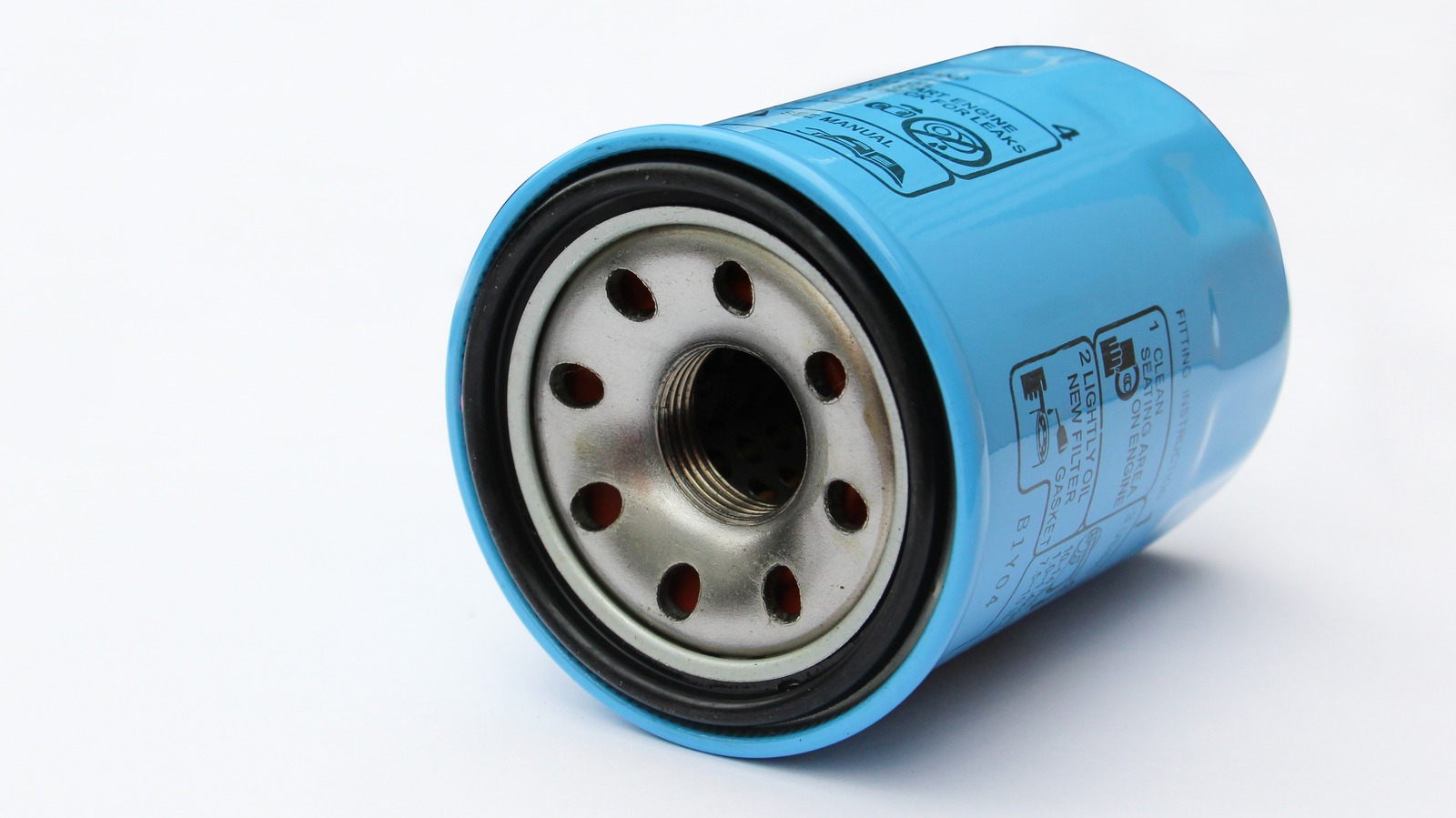
The filter housing, typically made of steel, must be robust enough to withstand the engine’s operating pressures and vibrations. High-quality housings are engineered with precise dimensions and thread pitches to ensure a secure and leak-free seal against the engine block. The gasket, often made of nitrile or silicone, plays a vital role in this sealing process. Advanced gasket materials are designed to maintain their elasticity and sealing properties over a wide temperature range and resist degradation from engine oil and other fluids. Some premium filters utilize multi-layered gaskets or specialized sealing compounds for enhanced reliability.
Anti-Drainback Valve Technology
Many modern oil filters incorporate an anti-drainback valve. This is a one-way valve, typically located at the inlet of the filter, designed to prevent oil from draining back into the oil pan when the engine is shut off. This is particularly important for engines that sit for extended periods or are subjected to frequent starts and stops. By retaining a small amount of oil within the filter and oil passages, the anti-drainback valve ensures that oil is readily available to critical engine components upon startup, reducing wear and tear during those initial moments of operation. The material and design of this valve are crucial for its effectiveness and longevity.
Internal Components and Structural Integrity
The internal components of an oil filter, such as the threaded baseplate, support screens, and end caps, also contribute to its overall performance and lifespan. High-quality filters use robust internal structures to prevent collapse under pressure and maintain the integrity of the filter media. Support screens, often made of durable mesh, prevent the filter media from being drawn into the oil flow under high pressure. Advanced manufacturing processes ensure precise assembly and alignment of these components, contributing to the filter’s overall reliability and its ability to perform optimally throughout its intended service life.
The Technological Edge: What Differentiates a “Best” Oil Filter
When considering what makes an oil filter truly “best,” it’s a convergence of advanced material science, precise engineering, and rigorous testing. The pursuit of optimal engine protection drives continuous innovation in this seemingly simple component.
Micron Rating and Efficiency Curves
A key technological metric for oil filters is their micron rating, which indicates the smallest size of particle the filter can capture with a certain efficiency. However, a single micron rating doesn’t tell the whole story. The true measure of a filter’s effectiveness lies in its efficiency curve, which illustrates how well it captures particles across a range of sizes. High-efficiency filters have steeper efficiency curves, meaning they capture a greater percentage of smaller particles. Manufacturers are constantly refining their media and construction to achieve lower micron ratings with higher efficiency across a broad particle size spectrum.
Flow Rate and Pressure Drop Considerations
While high filtration efficiency is desirable, it must be balanced with adequate oil flow rate and minimal pressure drop. An oil filter that is too restrictive can starve the engine of oil, leading to damage. Advanced filter designs optimize the balance between filtration efficiency and flow rate. This is achieved through careful selection of filter media, advanced pleating technology that maximizes surface area without impeding flow, and optimized bypass valve calibration. Engineers use sophisticated computational fluid dynamics (CFD) modeling to design filters that provide superior protection without compromising engine performance.
Testing and Certification Standards
Reputable oil filter manufacturers invest heavily in research, development, and testing to ensure their products meet stringent performance standards. This often involves rigorous laboratory testing that simulates real-world engine conditions. Filters are tested for their ability to capture contaminants, maintain structural integrity under pressure, and ensure proper bypass valve function. Adherence to industry standards, such as those set by the Society of Automotive Engineers (SAE) or original equipment manufacturers (OEMs), is a strong indicator of a filter’s quality and performance. Some advanced filters may undergo proprietary testing protocols that push the boundaries of filtration technology even further.
In conclusion, the quest for the “best” oil filter is a journey into the sophisticated world of automotive filtration technology. It’s about understanding the interplay of advanced filter media, precisely engineered bypass and anti-drainback valves, and robust construction. By prioritizing filters that leverage these technological advancements, vehicle owners can ensure optimal engine protection, contributing to enhanced performance, increased longevity, and ultimately, a more reliable and enjoyable driving experience.
aViewFromTheCave is a participant in the Amazon Services LLC Associates Program, an affiliate advertising program designed to provide a means for sites to earn advertising fees by advertising and linking to Amazon.com. Amazon, the Amazon logo, AmazonSupply, and the AmazonSupply logo are trademarks of Amazon.com, Inc. or its affiliates. As an Amazon Associate we earn affiliate commissions from qualifying purchases.