
In the global marketplace, a product’s origin is more than just a logistical detail; it is a core component of its brand identity. For the tool industry, the “Made in USA” label carries a weight that few other geographical markers can match. It evokes images of industrial resilience, uncompromising quality, and a legacy of craftsmanship that dates back to the Industrial Revolution. However, in an era of complex global supply chains, what does it truly mean for a brand to be “American-made”?
Understanding which tools are made in America requires looking beyond the physical hardware and into the brand strategies, marketing narratives, and corporate identities that sustain these manufacturers. From legacy hand-tool makers to high-tech power tool innovators, the American brand remains a gold standard for professionals and enthusiasts alike.
1. The Psychology of the “Made in USA” Brand Strategy
The decision to manufacture tools within the United States is often as much a marketing strategy as it is an operational one. For brands, the “Made in USA” seal serves as a powerful differentiator in a crowded market flooded with low-cost imports.
The Perception of Quality and Durability
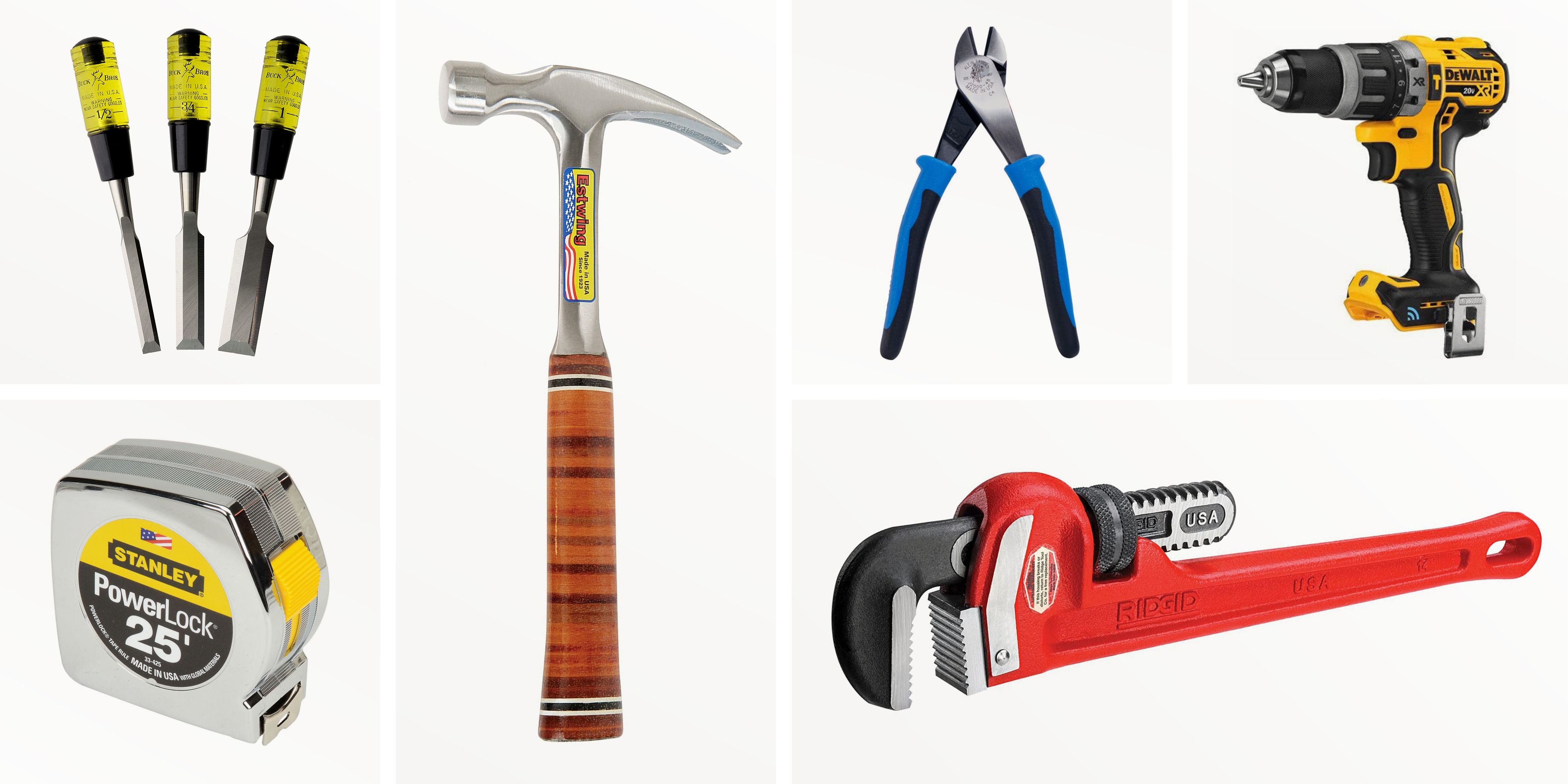
In the tool industry, branding is built on trust. A mechanic or a carpenter relies on their tools for their livelihood. American-made brands have successfully positioned themselves as the “buy it once” option. This brand promise—that a tool will not fail under pressure—is the cornerstone of companies like Estwing or Snap-on. By keeping production local, these brands signal to the consumer that they maintain tighter control over quality standards and material sourcing, such as high-grade American steel.
Patriotism and the “Heroic” Brand Narrative
Many American tool brands lean heavily into a “heroic” narrative. Their marketing materials often feature the hardworking American tradesperson, linking the brand’s identity to the national identity of grit and self-reliance. This emotional connection creates fierce brand loyalty. When a consumer buys a tool made in the USA, they aren’t just buying a wrench; they are participating in a narrative of supporting local jobs and sustaining domestic industry.
Premium Positioning and Pricing Power
From a brand strategy perspective, the “Made in USA” label allows for premium pricing. Consumers are often willing to pay a 20% to 50% markup for American-made tools because the brand identity suggests a higher resale value and better long-term performance. This positioning allows domestic manufacturers to survive despite higher labor costs compared to overseas competitors.
2. Heritage Brands: The Pillars of American Tool Identity
Several iconic brands have spent over a century cultivating an identity synonymous with American manufacturing. These companies have become benchmarks for what it means to produce tools domestically.
Estwing: The Gold Standard of Forged Steel
Based in Rockford, Illinois, Estwing is a prime example of a brand that has maintained a consistent identity since 1923. Their solid steel hammers and axes are instantly recognizable by their blue UV coating and leather-wrapped grips. Estwing’s brand strategy is centered on “unbreakable” construction. By keeping their manufacturing centralized in the US, they have protected their brand from the quality-control issues that often plague companies that outsource to multiple global factories.
Klein Tools: The Professional Electrician’s Choice
For electricians, Klein Tools represents the pinnacle of professional identity. Founded in Chicago in 1857, the company has expanded its manufacturing footprint across various US states, including Texas and Michigan. Klein’s brand identity is deeply intertwined with the “tradesperson’s legacy.” They don’t just market tools; they market the idea of a professional standard. Their iconic “Lineman’s Pliers” are a symbol of the American electrical trade, reinforcing the brand’s position as a staple of domestic infrastructure.
Channellock: Innovation in Blue
Channellock, headquartered in Meadville, Pennsylvania, is another heritage brand that has refused to move production offshore. Their distinct “Channellock Blue” color is a key element of their visual brand identity. By focusing on a specific niche—tongue-and-groove pliers—and perfecting the manufacturing process on American soil, they have created a brand that is both specialized and universally respected in the automotive and plumbing sectors.
3. Navigating the Legal Branding: FTC Standards and Compliance
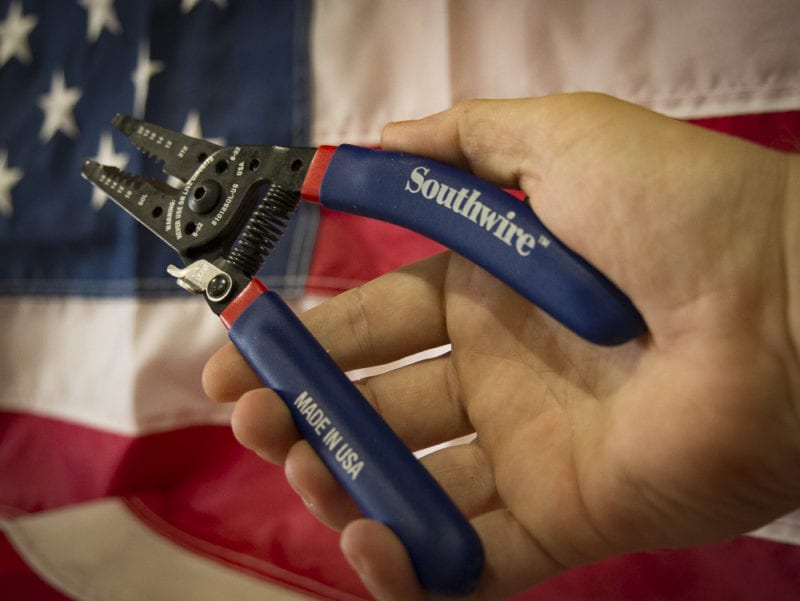
The “Made in USA” label is not just a marketing slogan; it is a regulated legal claim. For a brand to claim its tools are made in America, it must navigate the strict guidelines set by the Federal Trade Commission (FTC).
The “All or Virtually All” Standard
To carry the unqualified “Made in USA” label, the FTC requires that “all or virtually all” of the product be made in the United States. This means the brand must source its raw materials domestically and perform all significant processing and assembly within US borders. For tool brands, this is a significant logistical challenge. A brand like Maglite, which manufactures its flashlights in California, must ensure that every component, from the casing to the internal electronics, meets these stringent requirements to maintain its brand integrity.
“Assembled in USA” vs. “Made in USA”
Many modern tool brands use a nuanced branding approach. When a tool contains significant foreign components but is put together in a domestic factory, the brand must use the “Assembled in USA” qualifier. This is common in the power tool industry. Brands like DeWalt (owned by Stanley Black & Decker) have successfully marketed a “Made in USA with Global Materials” line. While this is a hybrid approach, it allows the brand to capitalize on the “American-made” sentiment while maintaining a competitive price point through global sourcing.
The Risks of “Brand Washing”
In recent years, the FTC has cracked down on “brand washing”—the practice of using American flags or “USA” imagery on packaging for tools actually made overseas. For a brand, an FTC violation is a catastrophic PR event. It erodes the core value of the brand: trust. Companies that value their corporate identity invest heavily in supply chain audits to ensure their “Made in USA” claims are bulletproof.
4. The Digital and Technological Shift in American Tool Branding
While traditional hand tools dominate the “Made in USA” conversation, a new category of “tools” is emerging in the American brand landscape: digital and high-tech precision tools.
Software as a Tool: The Silicon Valley Identity
In the modern economy, a “tool” isn’t always something you hold in your hand. American-made software tools—ranging from CAD (Computer-Aided Design) programs like Autodesk to project management suites—carry a different kind of American brand prestige. The “Silicon Valley” brand signifies innovation, disruption, and cutting-edge tech. This digital toolset is a vital part of the American export economy, branded as the “brains” behind the “brawn” of physical manufacturing.
Precision Manufacturing and Robotics
Brands like Haas Automation represent the intersection of hardware and high-tech. Haas, based in California, manufactures CNC (Computer Numerical Control) machines—the tools that make other tools. Their brand identity is built on American engineering excellence and the democratization of manufacturing. By producing these high-complexity tools in the US, they prove that American brands can compete in the high-tech sector, not just in traditional blacksmithing or forging.
The Rise of the “Maker” Tech Brand
The “Maker Movement” has given rise to new American brands like Glowforge (3D laser printers) or specialized CNC routers for hobbyists. These brands market themselves as the tools for the next generation of American inventors. Their brand strategy often involves community building and open-source collaboration, blending traditional American self-reliance with 21st-century digital connectivity.
5. The Future of the American Tool Brand in a Globalized Economy
As we move further into the 21st century, the “Made in USA” brand faces both challenges and opportunities. The landscape of tool manufacturing is shifting, and brands must adapt to stay relevant.
Reshoring as a Brand Rebirth
Many brands that moved production overseas in the 1990s and 2000s are now “reshoring”—bringing manufacturing back to the US. This is often driven by a desire to “fix” a damaged brand image. When quality declined due to overseas outsourcing, consumers noticed. By moving production back to the US, these brands are attempting a “rebranding” focused on a return to their roots and a commitment to quality.
Sustainability and Ethical Branding
Modern consumers, particularly Millennials and Gen Z, are increasingly concerned with the ethical implications of their purchases. American-made tools have a natural advantage here. Brands can market their adherence to US environmental regulations and fair labor practices as part of their corporate social responsibility (CSR) strategy. A “Made in USA” tool is increasingly branded as a “sustainable” choice because it involves shorter shipping distances and a lower carbon footprint compared to tools shipped across the Pacific.
Conclusion: The Enduring Value of the American Label
The question of “what tools are made in America” is ultimately a question of brand value. While the global economy offers many cheaper alternatives, the American tool brand survives because it represents a specific set of values: durability, honesty, and professional pride. Whether it is a forged steel hammer from a century-old factory in Pennsylvania or a sophisticated software suite from a tech hub in Seattle, these tools carry the weight of a brand identity that remains one of the most powerful in the world. For the consumer, “Made in USA” is more than a origin story; it is a promise of performance.
aViewFromTheCave is a participant in the Amazon Services LLC Associates Program, an affiliate advertising program designed to provide a means for sites to earn advertising fees by advertising and linking to Amazon.com. Amazon, the Amazon logo, AmazonSupply, and the AmazonSupply logo are trademarks of Amazon.com, Inc. or its affiliates. As an Amazon Associate we earn affiliate commissions from qualifying purchases.