
In the high-stakes world of the National Football League, an athlete is more than just a player; they are a high-value asset and a personal brand. When Sam Darnold was drafted third overall by the New York Jets in 2018, his brand was valued at its peak. He was marketed as the “Franchise Savior,” a blue-chip prospect with the pedigree of a storied collegiate program (USC) and the physical tools to anchor a billion-dollar organization for a decade. However, what happened to Sam Darnold in the years following his debut serves as a masterclass in brand dilution, the volatility of market perception, and, ultimately, the power of a strategic professional pivot.
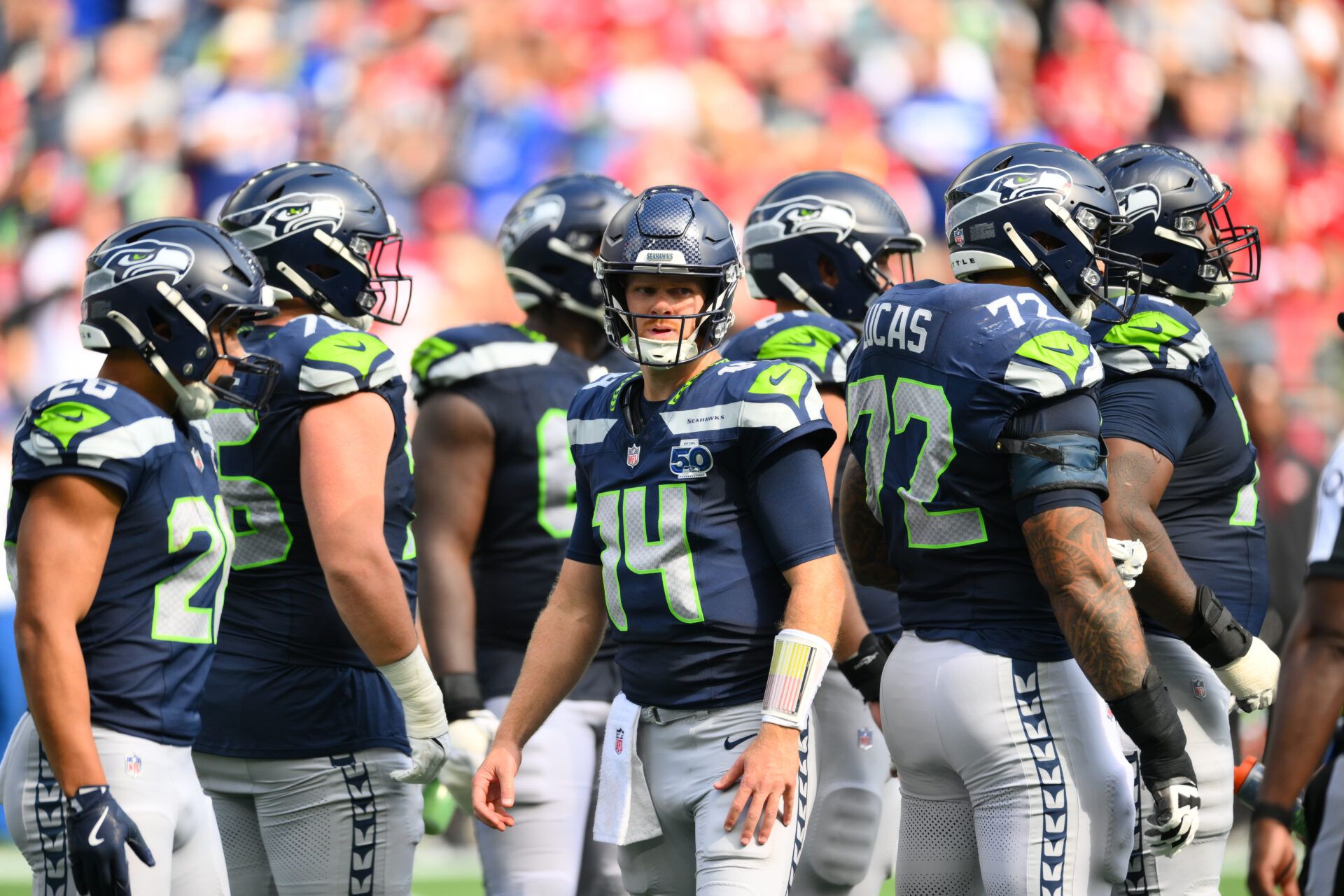
To understand the trajectory of Darnold’s career is to understand how a personal brand can survive a catastrophic “product launch” and undergo a successful rebranding effort in a secondary market.
The Initial Public Offering: Building the “Franchise Savior” Brand
The foundation of any powerful brand is its “Origin Story.” For Sam Darnold, that story was built on the sunny fields of Southern California. As the quarterback for USC, Darnold’s brand identity was synonymous with “potential.” In marketing terms, he was a high-beta asset—massive upside with significant expectations.
USC and the Hype Cycle
In branding, the “Hype Cycle” often precedes the actual utility of a product. Darnold entered the NFL draft following a Rose Bowl performance that cemented his status as a premium brand. Scouts and media outlets acted as his marketing department, highlighting his ability to make “pro-level throws” and his “unflappable” demeanor. This stage of his career was defined by Brand Equity—he hadn’t played a professional snap, yet his perceived value was among the highest in the world.
The New York Jets and the Perils of Brand Misalignment
The most common mistake in brand strategy is a “mismatch” between the product and the distribution channel. When Darnold joined the New York Jets, his brand was immediately placed in a volatile, under-resourced environment. In corporate terms, he was a CEO hired to lead a company that lacked a functional board of directors, a clear business plan, and the necessary infrastructure to succeed.
The “Franchise Savior” narrative became a burden. When a brand is marketed as a total solution, any failure is magnified. In New York, the lack of offensive line support and coaching stability led to a rapid degradation of the “Darnold Brand.” The product (his performance) was failing, but the environment (the organization) was equally at fault. This created a “Brand Crisis” that peaked with the infamous “seeing ghosts” incident on national television—a moment that threatened to permanently define his identity as “damaged goods.”
Brand Dilution: Navigating the “Bust” Narrative
In professional branding, once a “narrative” takes hold, it is incredibly difficult to shift. From 2019 to 2021, the Sam Darnold brand transitioned from “Savior” to “Cautionary Tale.” This is a classic example of brand dilution, where the original promise of the product is lost under a mountain of negative associations.
Managing Negative Public Perception
When a brand is underperforming, the “noise” can become deafening. For Darnold, the public perception shifted from him being an elite talent to him being a “bust.” In the world of corporate identity, a “bust” is a failed product line. Managing this perception requires a delicate balance of public humility and internal recalibration. Darnold’s strategy during this period was one of quiet professionalism—an essential move for preserving his “Personal Brand Integrity.” By not lashing out at critics or blaming his environment, he maintained the “Good Teammate” attribute, which would later become a key selling point in his rebranding efforts.
The Impact of Performance on Market Value
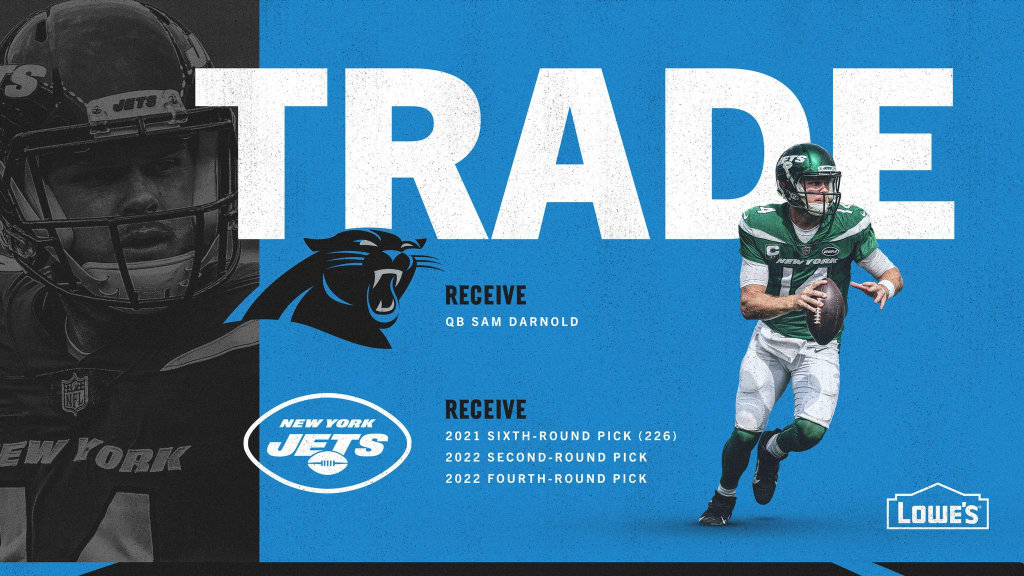
Brand value is inextricably linked to market value. After three tumultuous years in New York, Darnold’s “trade value”—the price another organization was willing to pay for his brand—had plummeted. The New York Jets eventually “divested” from the asset, trading him to the Carolina Panthers. This move represented a “Brand Relocation.” Sometimes, a brand needs a change of scenery to shed the negative associations of its past. However, as the Panthers experiment showed, if the underlying product issues aren’t addressed, the location doesn’t matter. The brand continued to lose value, leading many to believe that the “Sam Darnold” brand was nearing its expiration date.

Strategic Pivots: The Journey Through the “Support Role” Phase
What happened next is perhaps the most instructive part of the Sam Darnold story from a brand strategy perspective. Rather than clinging to his status as a “Starter” and fading into obscurity, Darnold engaged in a “Market Pivot.” He recognized that to save his long-term career, he had to accept a “Junior” or “Support” role within a premium organization.
The San Francisco Experiment and Brand Association
In 2023, Darnold signed a one-year contract with the San Francisco 49ers to be the backup to Brock Purdy. This was a brilliant move in Personal Brand Management. By associating himself with the Kyle Shanahan “coaching tree”—the gold standard in NFL offensive strategy—Darnold was effectively enrolling his brand in an “Executive MBA” program.
In business, your brand is often judged by the company you keep. By working under Shanahan, the narrative around Darnold shifted from “He can’t play” to “He is learning from the best.” This association “de-risked” his brand for future employers. The market began to wonder if his previous failures were truly his fault or a result of poor “Brand Management” by his former teams.
Learning from Premium Brand Environments
The time spent in San Francisco allowed Darnold to recalibrate his “Technical Specs.” In branding, if the product is broken, you must go back to Research and Development (R&D). Darnold used this period to refine his footwork, decision-making, and understanding of complex systems. When a brand goes “dark” or takes a back seat, it allows the public to forget the previous failures, creating space for a “Re-Launch.”
The Minnesota Vikings Era: Successful Brand Rejuvenation
The current chapter of Sam Darnold’s career—his tenure with the Minnesota Vikings—is the culmination of a multi-year rebranding strategy. In 2024, the Vikings needed a “Bridge” brand—a reliable, experienced leader who could provide stability while they groomed a rookie. Darnold was positioned as the perfect “Mid-Market” solution.
Alignment with High-Performance Systems
Successful rebranding requires “Product-Market Fit.” In Minnesota, under head coach Kevin O’Connell, Darnold finally found a system that aligned with his brand’s strengths: arm talent, mobility, and veteran experience. The results were immediate and positive. By performing at a high level within a functional system, Darnold effectively “erased” the “Bust” label.
This is the “Redemption Arc” in brand storytelling. The audience loves a comeback story, and Darnold’s brand transitioned from “Cautionary Tale” to “Resilient Veteran.” This shift has massive financial implications, as his market value for his next contract has likely tripled compared to where it stood two years ago.
Lessons in Brand Recovery for Professionals
The story of Sam Darnold provides several key takeaways for personal brand strategy:
- Environment Matters: Even a high-quality product can fail in a poorly managed distribution channel.
- The Power of the Pivot: When your brand is declining in one market, you must be willing to accept a “lower” role in a “better” environment to rebuild your equity.
- Association as Strategy: Linking your personal brand to established, high-performing “Parent Brands” (like the 49ers or Vikings) can facilitate a rapid recovery in perceived value.
- Resilience is a Brand Attribute: Maintaining professional integrity during a crisis ensures that doors remain open when the market eventually shifts.
Conclusion: The Long-Term Valuation of the Darnold Brand
What happened to Sam Darnold wasn’t just a series of football games; it was the evolution of a professional brand under extreme pressure. From the “Franchise Savior” IPO in New York to the “R&D” phase in San Francisco, and finally to the “Market Leader” performance in Minnesota, Darnold has navigated the most difficult cycle in professional sports branding.
Today, the Sam Darnold brand is defined by resilience, adaptability, and high-level execution. He is no longer the “unproven prospect” or the “failed starter.” He is a case study in how to manage a career through volatility, proving that with the right strategic pivots and a commitment to product improvement, any brand can find its way back to the top of the market. His journey serves as a reminder to executives and professionals everywhere: your current market value is not your permanent identity—it is simply the starting point for your next strategic move.
aViewFromTheCave is a participant in the Amazon Services LLC Associates Program, an affiliate advertising program designed to provide a means for sites to earn advertising fees by advertising and linking to Amazon.com. Amazon, the Amazon logo, AmazonSupply, and the AmazonSupply logo are trademarks of Amazon.com, Inc. or its affiliates. As an Amazon Associate we earn affiliate commissions from qualifying purchases.