
In the competitive landscape of higher education, the college application process has evolved into something far more sophisticated than a mere collection of grades and test scores. Today, admissions committees are looking for a cohesive “brand.” When students ask, “What should I write in my college essay?” they are essentially asking how to define their Personal Brand in a way that resonates with a specific audience.
Your college essay is your primary marketing collateral. It is the one space in your application where you move from being a data point to being a person with a vision, a voice, and a unique value proposition. To write an essay that stands out, you must stop thinking like a student and start thinking like a brand strategist.
Defining Your Unique Value Proposition (UVP)
In branding, the Unique Value Proposition (UVP) is the clear statement that describes the benefit of your offer, how you solve your customer’s needs, and what distinguishes you from the competition. For a college applicant, your UVP is the intersection of your unique experiences, your perspective, and the specific intellectual vitality you bring to a campus.
Identifying Your Core Narrative
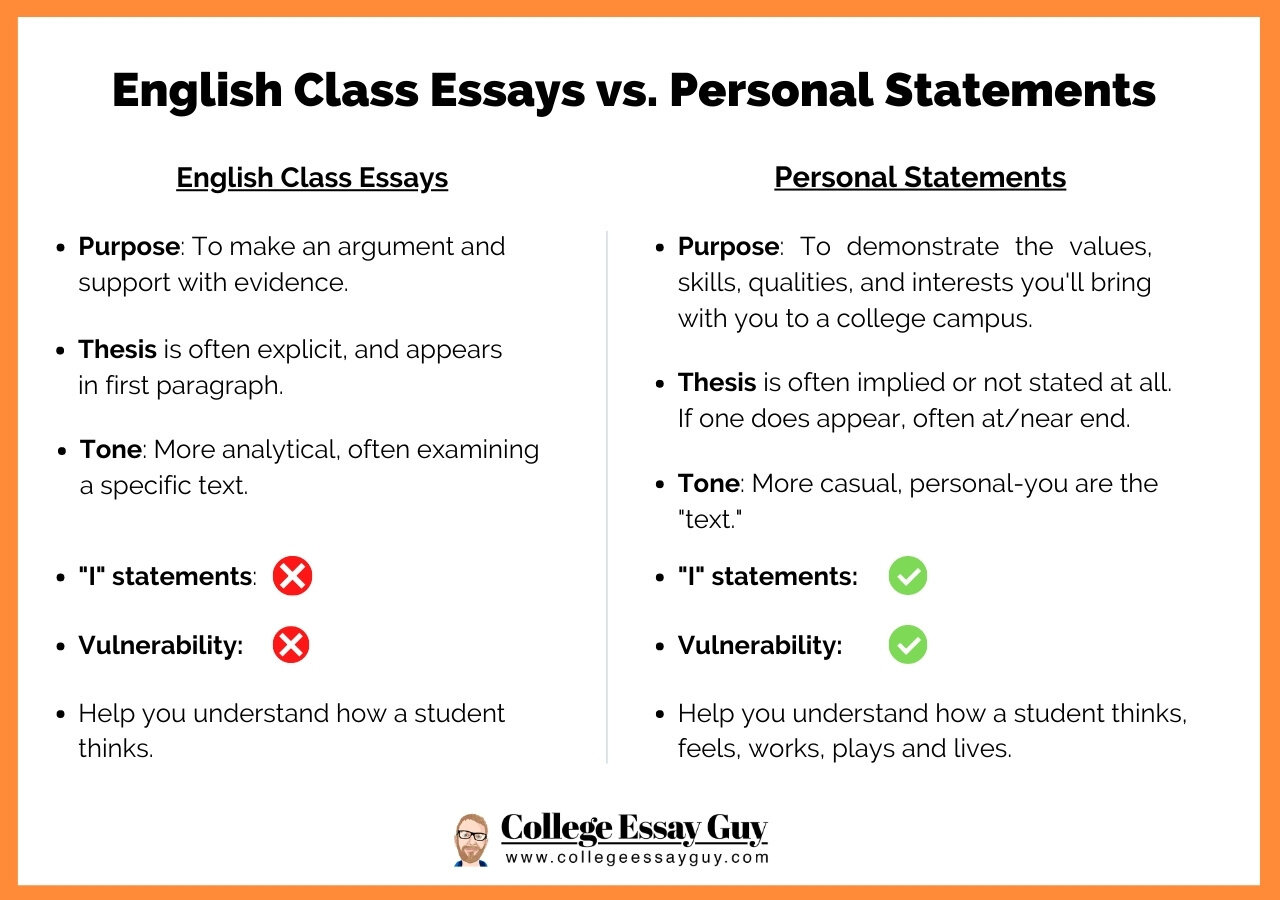
Every successful brand has a core narrative—a “North Star” that guides all its messaging. To find yours, you must conduct a personal brand audit. Look back at your last four years and identify the recurring themes. Are you the “innovative problem-solver” who fixed a broken system in your student government? Are you the “empathetic bridge-builder” who facilitated difficult conversations in your community?
Instead of trying to list every achievement, choose one central theme that defines your identity. A brand that tries to be everything to everyone ends up being nothing to anyone. By narrowing your focus to a single, powerful narrative, you create a memorable “brand hook” that stays with the admissions officer long after they have put your file down.
Moving Beyond Achievements to Values
A common mistake in personal branding is focusing solely on “what” you have done rather than “why” you did it. High-end brands like Patagonia or Apple don’t just sell products; they sell values. Your college essay should do the same.
If you spent three years in a research lab, the “what” is the data you collected. The “brand value,” however, is your persistence in the face of failure or your curiosity about the unknown. When deciding what to write, look for the underlying values that drive your actions. This shifts the essay from a resume in prose form to a deep dive into your character, which is the cornerstone of a strong personal brand.
Strategic Storytelling: The Art of the Narrative Arc
Once you have identified your brand’s core values, you must communicate them through storytelling. In marketing, storytelling is the most effective way to build an emotional connection with an audience. For your college essay, the goal is to move the admissions officer from a state of objective evaluation to one of subjective investment.
Show, Don’t Tell: Evidence-Based Branding
In the world of branding, claims without evidence are just noise. If a brand claims to be “eco-friendly” but provides no data, consumers lose trust. Similarly, if you claim to be “a leader” in your essay but don’t provide a specific scene that demonstrates that leadership, the “brand” feels hollow.
“Show, don’t tell” is the gold standard of evidence-based branding. Instead of writing, “I am a very resilient person,” describe the specific moment you were faced with a setback—perhaps a failed project or a personal loss—and walk the reader through your thought process and actions. By providing the “data” of your experience, you allow the reader to conclude that you are resilient on their own. This is a much more persuasive form of brand positioning.
The Vulnerability Factor: Humanizing Your Brand
The most successful personal brands are those that feel human and relatable. In your college essay, there is a temptation to present a “polished” version of yourself—one that has no flaws and has never failed. However, a brand that is too perfect often feels corporate and distant.
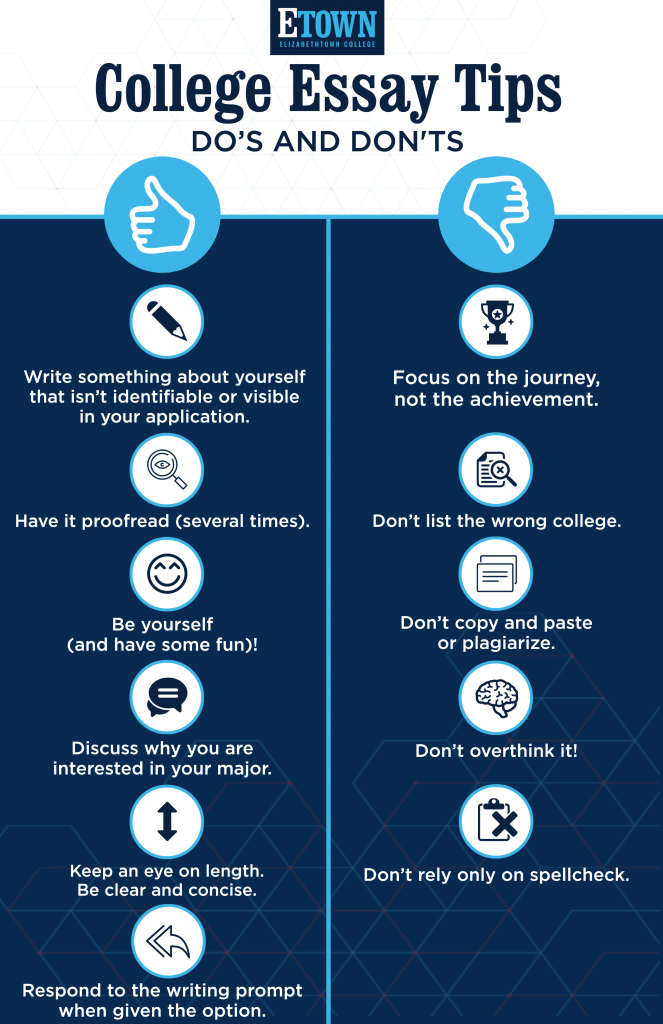
Authentic branding requires a level of vulnerability. Writing about a time you failed, a moment of doubt, or a struggle you haven’t entirely solved can actually strengthen your personal brand. It demonstrates self-awareness and emotional intelligence—two traits that are highly valued by elite institutions. It shows that your brand is not just a facade, but a living, breathing identity that is capable of growth and reflection.
Audience Alignment: Understanding the Admissions Market
A fundamental principle of brand strategy is knowing your audience. You wouldn’t market a luxury car the same way you market a budget-friendly sneaker. Similarly, “what to write” should be influenced by the specific “market” you are entering—the college or university itself.
Researching Institutional Culture
Every college has its own brand identity. Some institutions value tradition and leadership; others prioritize social justice, innovation, or interdisciplinary collaboration. To write an effective essay, you must understand the “brand culture” of the school you are applying to.
Read the university’s mission statement, look at their recent initiatives, and see what kind of students they highlight on their social media. If a school’s brand is centered on “service to the community,” and your personal brand is centered on “competitive entrepreneurship,” you need to find the bridge between the two. You are not changing who you are; you are highlighting the aspects of your personal brand that align most closely with the “brand needs” of the institution.
Finding the Intersection Between You and the College
This is the “Product-Market Fit” of college admissions. Your essay should demonstrate how your personal brand will add value to the college’s existing ecosystem. How will you contribute to their classrooms? How will your brand interact with their student organizations?
When you write about why you want to attend a specific school, avoid generic praise. Instead, treat it like a brand partnership. “My brand of grassroots activism aligns with University X’s commitment to urban renewal, specifically through the Y Program.” This shows that you have done your market research and that your personal brand is a strategic fit for their community.
Brand Consistency and Voice
In the professional world, brand consistency is key to building trust. This means your “voice” should remain steady throughout your essay and across all parts of your application.
Establishing an Authentic Tone
Your brand voice is the personality behind your words. Is your brand voice academic and serious? Is it witty and irreverent? Is it poetic and reflective? The most important rule of personal branding is authenticity. If you try to adopt a “sophisticated” voice that isn’t yours, the brand will feel forced and “off-brand.”
Think of your essay as a conversation with a mentor. You want to be professional, but you also want your personality to shine through. Use the vocabulary you actually use in real life (within reason). Avoid “thesaurus syndrome”—the tendency to swap simple words for complex ones in an attempt to sound smarter. A clear, authentic voice is far more powerful than a convoluted, artificial one.
Polishing the Brand Image: Clarity and Precision
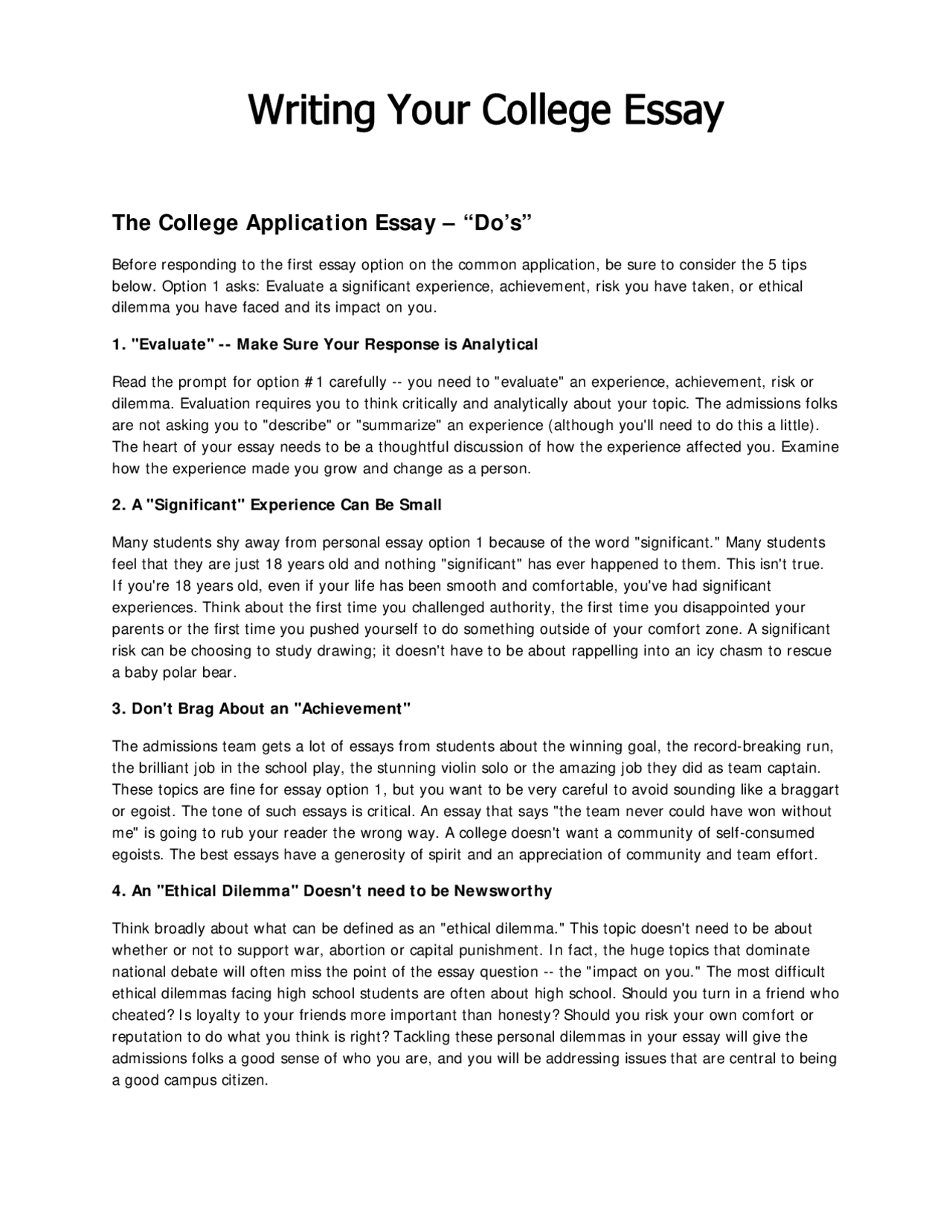
Finally, a brand is only as good as its execution. In marketing, a typo on a billboard can ruin a multi-million dollar campaign. In a college essay, lack of clarity or grammatical errors can signal a lack of attention to detail—a negative brand trait.
Precision in writing is the equivalent of high-quality graphic design for a corporate brand. Every word should serve a purpose. If a sentence doesn’t reinforce your personal brand or advance your narrative, cut it. Your essay should be a “lean” brand document: high-impact, focused, and polished to a professional standard. This final stage of “packaging” ensures that your message is delivered without distraction, allowing your personal brand to stand at the forefront.
By treating your college essay as a personal branding exercise, you transform it from a stressful requirement into a strategic opportunity. You aren’t just telling a story; you are defining who you are, what you stand for, and why you are a “must-have” addition to any campus community. This mindset shift is the key to moving beyond the generic and creating an identity that is truly unforgettable.
aViewFromTheCave is a participant in the Amazon Services LLC Associates Program, an affiliate advertising program designed to provide a means for sites to earn advertising fees by advertising and linking to Amazon.com. Amazon, the Amazon logo, AmazonSupply, and the AmazonSupply logo are trademarks of Amazon.com, Inc. or its affiliates. As an Amazon Associate we earn affiliate commissions from qualifying purchases.