
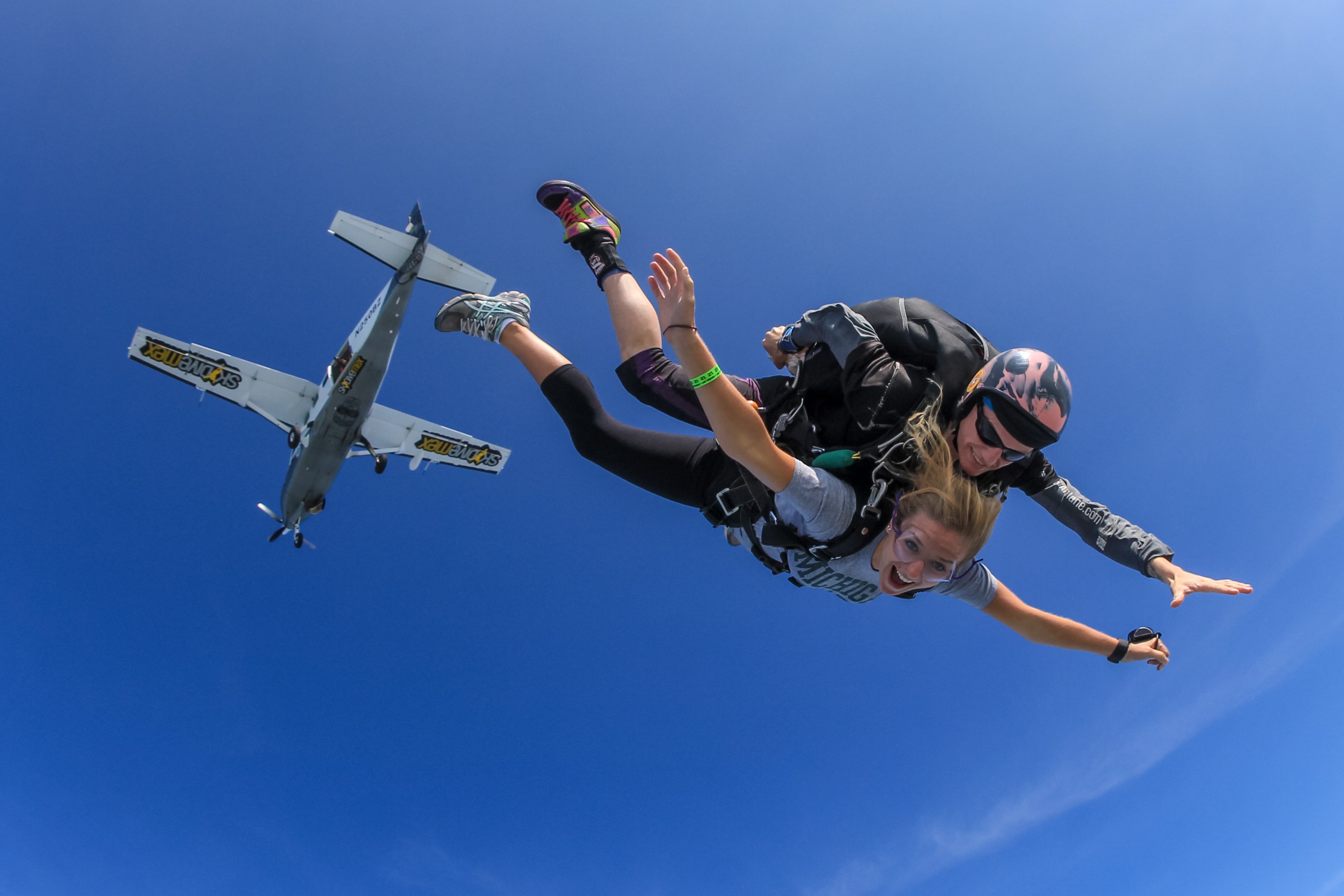
A tandem jump is often described as a gateway to the exhilarating world of skydiving, allowing individuals with no prior experience to safely leap from an aircraft at thousands of feet above the ground. However, beyond the sheer thrill and breathtaking views, a tandem jump is a sophisticated interplay of human ingenuity and advanced technology. It represents a meticulously engineered system designed to facilitate a controlled descent, integrating specialized equipment and trained professionals to ensure safety and an unforgettable experience. Understanding what constitutes a tandem jump delves into the technology that makes it possible, the physics that govern it, and the safety protocols that underpin every aspect of the jump.
The Technological Arsenal: Equipment That Defies Gravity
The success and safety of a tandem jump hinge on a suite of highly specialized and rigorously tested technological components. Each piece of equipment is designed with redundancy and precision in mind, reflecting decades of innovation in aerospace engineering and materials science.
The Rig: A Lifeline of Engineered Fabric and Function
At the heart of the tandem jump experience is the tandem rig itself. This is not a single parachute but a complex system comprising two distinct parachutes: the main parachute and the reserve parachute. Both are housed within a backpack-like container, meticulously packed and maintained to exacting standards.
The Main Parachute: Precision Deployment for a Smooth Descent
The main parachute is the primary means of slowing the descent. Modern tandem parachutes are typically ram-air designs, also known as square or parafoil parachutes. Unlike older round parachutes, these are steerable and offer a much more controlled and softer landing. They are constructed from ripstop nylon or similar high-strength, lightweight synthetic fabrics. The design features cells that inflate with air as they move forward, creating a rigid wing-like structure. This aerodynamic shape allows the skydiver to steer the parachute by manipulating control lines called “brakes.” The canopy size for tandem jumps is significantly larger than for solo jumps to accommodate the combined weight of two people and the associated equipment, ensuring a slow and stable descent rate. The deployment system is also technologically advanced, often featuring a “pilot chute” – a small parachute that is thrown out first to catch the wind and pull the main parachute container open, thereby initiating the main canopy’s inflation.
The Reserve Parachute: The Ultimate Safety Net
The reserve parachute is a critical technological backup. It is a parachute that is designed to be deployed only if the main parachute malfunctions and cannot be safely used. The design and construction of reserve parachutes are subject to stringent regulations by aviation authorities. They are also typically ram-air designs, though they might differ slightly in their deployment mechanisms. Crucially, the reserve parachute is packed by a certified parachute rigger, a highly skilled technician who undergoes extensive training and certification. The packing process itself is a highly technical undertaking, ensuring that the canopy will deploy reliably and quickly. The rig also incorporates a device known as an Automatic Activation Device (AAD).
The Automatic Activation Device (AAD): A Digital Guardian Angel
The AAD is perhaps one of the most sophisticated pieces of technology on a tandem rig. It is a small, self-contained computer that is worn by the skydiver. The AAD continuously monitors the skydiver’s altitude and vertical speed. Its purpose is to automatically deploy the reserve parachute if it detects that the skydiver is falling too fast at an altitude where manual deployment would be too late. The algorithms within the AAD are designed to distinguish between a freefall scenario and a situation where the main parachute might have failed. It utilizes high-precision sensors and processing power to make split-second decisions, representing a significant leap in skydiving safety technology. The reliance on a digital device underscores the technological evolution of this adventurous sport.
The Harness System: Securing the Bond
The harness system is another vital technological component, designed to securely connect the tandem student to the tandem instructor and their respective parachutes. It is engineered to distribute the forces experienced during freefall and canopy flight evenly across the bodies of both individuals.
Instructor Harness: The Command Center
The instructor wears a harness that is integrated with the main and reserve parachute containers. This harness is designed to withstand significant forces and allows the instructor to control the deployment of both parachutes. It features robust buckles, webbing, and attachment points made from high-tensile strength materials. The harness also includes attachment points for the student’s harness, ensuring a secure and stable connection.
Student Harness: Comfort and Security for the Passenger
The student wears a simpler, yet equally important, harness. This is typically a lap and chest strap system that is designed for ease of use and maximum security. It is fitted snugly to the student’s body to prevent any movement or shifting during the jump. The attachment points on the student harness are directly connected to the instructor’s harness or the rig, creating the “tandem” connection. The design prioritizes comfort for someone who is likely experiencing significant adrenaline and perhaps apprehension, while never compromising on the absolute necessity of a secure connection. The webbing materials are chosen for their durability and resistance to abrasion, ensuring they can withstand the rigors of repeated use and exposure to the elements.
Specialized Clothing and Protective Gear: Enhancing Performance and Safety
While seemingly less about complex mechanics, the specialized clothing and protective gear worn by tandem jumpers are also a testament to technological advancement, designed to enhance safety and performance in a demanding environment.
Jumpsuits: Aerodynamics and Protection
Modern jumpsuits are not merely for aesthetics. They are often made from durable, yet flexible, materials like Cordura or nylon. For tandem jumps, they can be designed to reduce drag and provide a degree of protection against minor abrasions during freefall. Some jumpsuits incorporate padding in key areas for added comfort and safety. The fit is crucial – not too loose to create excessive drag, and not too tight to restrict movement. The fabric itself is often engineered to be wind-resistant, contributing to a smoother freefall experience.
Helmets: Impact Resistance and Communication
Helmets are mandatory for tandem jumps and are designed with advanced impact-resistant materials like polycarbonate or ABS. They offer crucial protection to the head against potential impacts, however unlikely. Many modern skydiving helmets also incorporate features for communication systems, allowing the instructor to communicate with the student and ground crew, further enhancing safety and coordination. The aerodynamic design of the helmets also minimizes drag.
Goggles: Clear Vision in Extreme Conditions
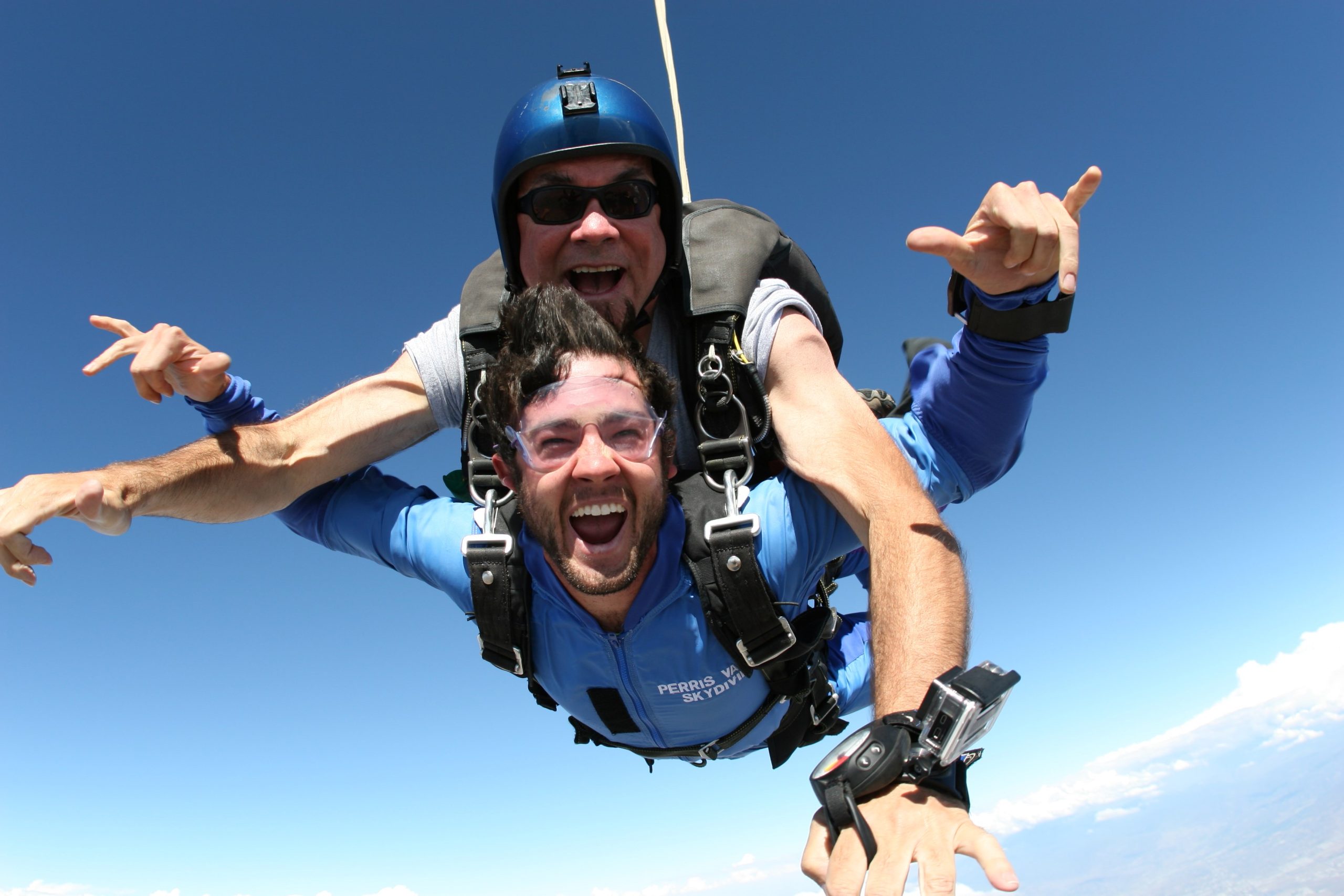
High-quality, impact-resistant goggles are essential for tandem jumps. At freefall speeds, the wind can be intense, and debris can be present in the air. Skydiving goggles are designed to provide a clear field of vision while protecting the eyes from the elements and potential projectiles. They are often designed with anti-fog coatings to prevent condensation from obscuring vision, a critical technological feature for maintaining situational awareness at high speeds.
The Physics of Flight: Understanding the Forces at Play
A tandem jump is a practical application of fundamental physics principles, particularly those governing motion and forces. The technology employed in the equipment is designed to work within these natural laws to create a safe and controlled experience.
Freefall Dynamics: Terminal Velocity and Air Resistance
When a tandem pair exits the aircraft, they are subjected to two primary forces: gravity pulling them downwards and air resistance (or drag) pushing upwards. Initially, gravity is dominant, causing rapid acceleration. However, as their speed increases, air resistance also increases. Eventually, the force of air resistance equals the force of gravity, and the acceleration ceases. At this point, they reach their terminal velocity, the maximum speed they will fall. For a tandem skydiving configuration, this is typically around 120-150 miles per hour. The technology of the jumpsuit and the body positions adopted by the tandem pair are all designed to influence and manage this drag. A more aerodynamic posture reduces drag, allowing for a higher terminal velocity, while a less aerodynamic posture increases drag and slows the descent. The size of the main parachute is technologically designed to reduce this terminal velocity significantly once deployed.
Canopy Flight: Aerodynamics and Control
Once the main parachute is deployed, the dynamics change dramatically. The large surface area of the ram-air canopy generates significant lift and drag, reducing the descent rate to a manageable pace, typically around 15-20 feet per second. This phase of the jump is essentially controlled flight. The instructor manipulates the control lines (brakes) connected to the trailing edge of the canopy. Pulling on these lines changes the shape of the wing, altering the airflow and thus controlling the direction and speed of descent. This is where the steerable nature of the ram-air parachute becomes paramount, allowing the instructor to navigate towards the designated landing area. The technology of the canopy material and its construction are critical for maintaining its aerodynamic integrity and responsiveness to these control inputs.
The Science of Deployment: A Sequence of Engineered Events
The deployment of the parachute is a carefully orchestrated sequence of events, driven by specific technological mechanisms.
Pilot Chute Activation: Initiating the Sequence
The process typically begins with the deployment of a pilot chute. This is a small parachute designed to be thrown out of the parachute container. The wind catches the pilot chute, generating enough force to pull open the container flap and then extract the main parachute. This is a common deployment method in modern skydiving, ensuring a consistent and reliable initial extraction of the main canopy. The design of the pilot chute’s attachment and its release mechanism are crucial for preventing accidental deployments or premature release.
Main Canopy Inflation: Shaping the Descent
Once extracted from the container, the main parachute begins to inflate. The ram-air design features internal ribs that create cells. As the canopy moves through the air, these cells fill with air, creating the characteristic rectangular or wing-like shape. The speed and evenness of this inflation are critical for a safe and smooth transition from freefall to canopy flight. The material of the canopy, its internal construction, and the packing method all play a role in ensuring a rapid and symmetrical inflation.
Reserve Deployment (if necessary): The Contingency Plan
In the rare event of a main parachute malfunction, the reserve parachute is deployed. This can be done manually by the instructor pulling a ripcord, or automatically by the AAD. The reserve parachute is designed for a very fast and reliable deployment, often with a slightly different packing method to ensure it emerges from its container quickly. The technology of the AAD, with its sensors and processing capabilities, plays a vital role in triggering this backup system when needed, acting as a last resort safeguard.
Safety Protocols and Technological Redundancy: Building Trust in the Leap
The inherent risks associated with jumping from an aircraft are mitigated through a robust framework of safety protocols and technological redundancies. The tandem jump experience is built upon a foundation of trust, a trust that is earned through meticulous attention to detail in both human training and technological design.
Rigorous Maintenance and Inspection: Upholding the Integrity of the Gear
Every piece of equipment used in a tandem jump undergoes stringent maintenance and inspection schedules. This is not just good practice; it is a regulatory requirement. Parachute containers, canopies, harnesses, and lines are regularly inspected for wear, tear, and any signs of damage. The materials are tested for strength, and any component showing degradation is immediately retired and replaced. The packing of the main and reserve parachutes is a highly technical process performed by certified professionals. They meticulously fold and secure the canopies to ensure they will deploy correctly and reliably. The AAD units are also regularly serviced and their batteries checked. This constant vigilance ensures that the technological systems are always in optimal working condition.
Certified Professionals: The Human Element in a Technological System
While technology plays a crucial role, the human element is indispensable. Tandem instructors are highly trained and certified professionals who undergo extensive theoretical and practical training. They must demonstrate proficiency in equipment handling, freefall control, canopy piloting, emergency procedures, and student management. Their experience and judgment are critical in assessing weather conditions, making decisions about the jump, and ensuring the student’s safety throughout the entire process. The technology provides the tools, but the instructor wields them with skill and expertise. Their understanding of the technology and its limitations is paramount.
Emergency Procedures: Pre-Planned Technological Solutions
Despite all precautions, malfunctions can occur. For these rare instances, well-defined emergency procedures are in place, all of which rely on the technological redundancies built into the system. The most common emergency is a main parachute malfunction, such as a “line twist” or a “partial malfunction.” In such cases, the instructor is trained to execute a “cutaway,” a procedure where the malfunctioning main parachute is jettisoned, followed by the immediate deployment of the reserve parachute. This sequence is made possible by the design of the rig, which allows for the quick and clean separation of the main canopy and the subsequent deployment of the reserve. The speed and efficiency of this technologically enabled procedure are key to ensuring the safety of the tandem pair. The AAD acts as a final safeguard, automatically deploying the reserve if the instructor is unable to do so or if the situation deteriorates rapidly.
The Psychology of Safety: Confidence Through Competence
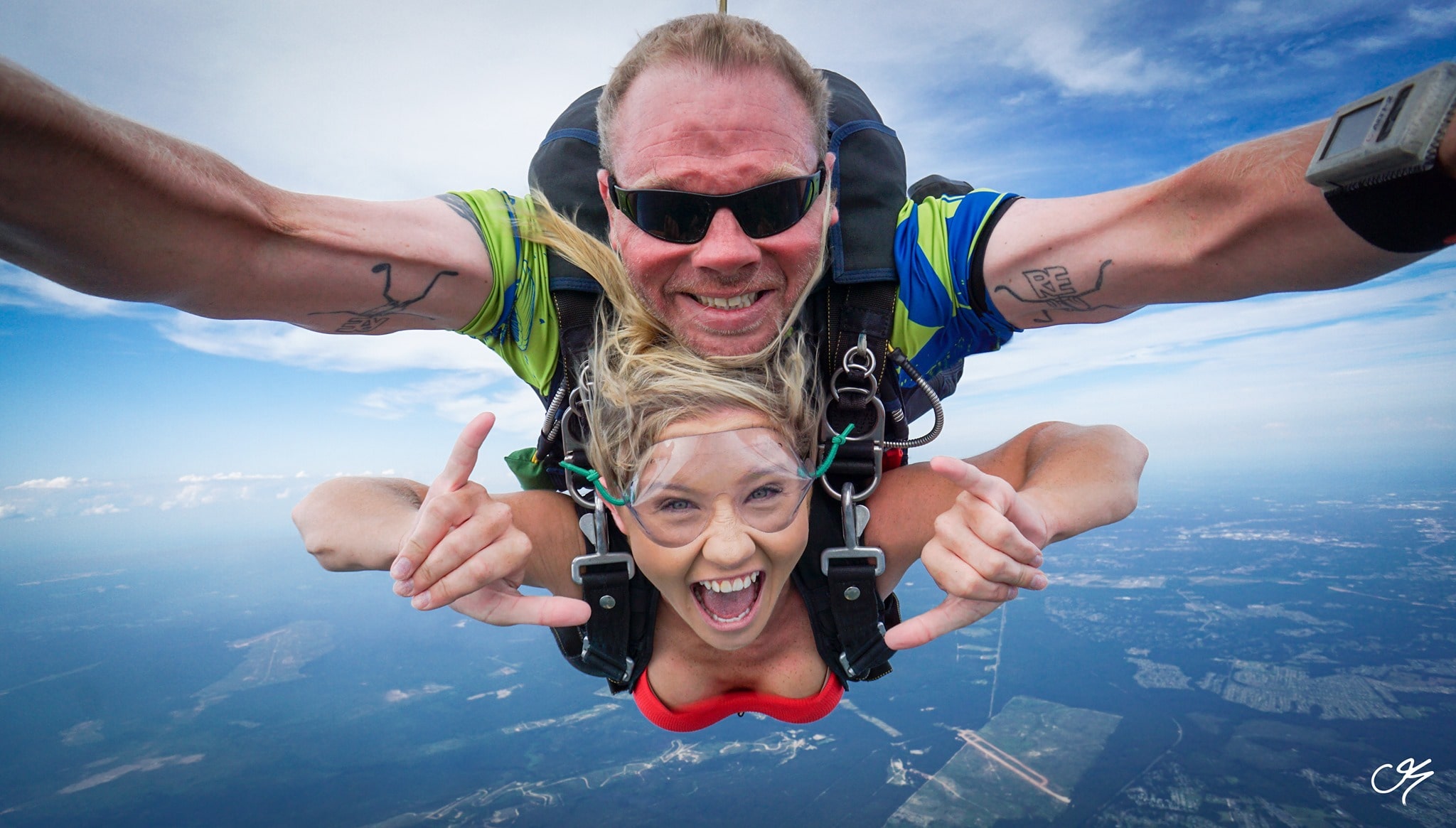
The technology and protocols surrounding tandem jumps are designed not only for physical safety but also to build confidence in the participant. Knowing that the equipment is advanced, rigorously maintained, and that the instructor is highly trained can alleviate much of the fear associated with the experience. The structured nature of the process, from pre-jump briefings to post-landing procedures, further instills a sense of control and security. This psychological aspect is an important, though often overlooked, component of the overall safety of a tandem jump, and it is directly enabled by the reliable and understandable functioning of the underlying technology.
aViewFromTheCave is a participant in the Amazon Services LLC Associates Program, an affiliate advertising program designed to provide a means for sites to earn advertising fees by advertising and linking to Amazon.com. Amazon, the Amazon logo, AmazonSupply, and the AmazonSupply logo are trademarks of Amazon.com, Inc. or its affiliates. As an Amazon Associate we earn affiliate commissions from qualifying purchases.