
The intense heat and humidity of a hot yoga class can be both exhilarating and challenging. While the mental benefits of pushing your limits are undeniable, your physical comfort and ability to move freely are paramount to a successful practice. For men, the question of “what to wear” can often lead to confusion. It’s not just about looking presentable; it’s about selecting attire that enhances your performance, wicks away sweat, and allows for unrestricted movement. This guide will delve into the optimal choices for men’s hot yoga attire, focusing on the functional and performance-enhancing aspects of the clothing itself, and how these technological advancements in fabric and design contribute to a superior hot yoga experience.
The Science of Sweat-Wicking and Breathability: Fabric as Your Ally
The cornerstone of any effective hot yoga wardrobe for men lies in the fabric. Traditional cotton, while comfortable for everyday wear, becomes a liability in the steamy confines of a hot yoga studio. Once saturated with sweat, cotton becomes heavy, clingy, and can even lead to chafing. Instead, opt for advanced synthetic blends engineered to manage moisture and promote airflow.
Performance Synthetics: The Backbone of Your Hot Yoga Gear
Modern athletic wear utilizes a range of high-performance synthetic materials that are specifically designed to excel in demanding environments like hot yoga. These fabrics are engineered at a molecular level to offer a unique combination of properties.
-
Polyester Blends: This is perhaps the most common and effective fabric for hot yoga. High-quality polyester blends are hydrophobic, meaning they repel water. Instead of absorbing sweat, they channel it away from your skin to the surface of the fabric where it can evaporate quickly. This process is known as wicking. Look for terms like “moisture-wicking,” “quick-drying,” and “breathable” in product descriptions. The tight weave of polyester also contributes to its durability and ability to maintain its shape even after repeated washing and intense workouts. Many brands are now incorporating recycled polyester, adding an eco-conscious element to these performance-driven materials.
-
Nylon (Polyamide): Similar to polyester, nylon offers excellent moisture-wicking properties and is known for its strength and elasticity. It often feels slightly smoother and silkier than polyester, which can be a preference for some. Nylon’s inherent durability makes it a great choice for items that will undergo significant stretching and friction. Its resilience ensures that your hot yoga shorts or leggings will retain their form and function throughout their lifespan.
-
Spandex (Elastane/Lycra): This is the magic ingredient that provides stretch and recovery. Spandex is almost always blended with polyester or nylon in athletic wear. It allows the fabric to stretch significantly to accommodate your full range of motion during poses, and then return to its original shape without becoming saggy or losing its fit. For hot yoga, the optimal blend usually contains between 8-20% spandex, providing ample flexibility without compromising breathability.
The Technological Innovation in Fabric Treatments
Beyond the base fibers, manufacturers are increasingly employing advanced fabric treatments to further enhance performance. These are often invisible to the naked eye but make a significant difference in your comfort and practice.
-
Antimicrobial Treatments: In a hot, humid environment, bacteria can thrive, leading to unpleasant odors. Many performance fabrics are infused with antimicrobial agents that inhibit the growth of odor-causing bacteria. This not only keeps you smelling fresher but also helps to maintain the hygiene of your workout gear. These treatments can be applied during the dyeing process or as a post-production finish, and are designed to remain effective through multiple washes.
-
Odor Control Technologies: Closely related to antimicrobial treatments, specific odor control technologies aim to neutralize or trap odor molecules. Brands are developing proprietary solutions that work at a chemical level to break down the compounds responsible for body odor, ensuring your gear stays fresh for longer. This is a crucial technological advancement for intensive activities like hot yoga where prolonged sweating is inevitable.
-
UV Protection: While less critical for indoor hot yoga, some outdoor or studio environments might benefit from UV protective fabrics. This feature is often integrated into the fiber structure or applied as a finish, shielding your skin from harmful UV rays.
Essential Garments for a Male Hot Yoga Practitioner
With an understanding of the fabric technology, let’s break down the specific garments that will serve you best in a hot yoga class. The focus is on functionality, minimal distraction, and allowing your body to breathe.
Bottoms: The Foundation of Freedom
Your choice of lower body wear is crucial for unrestricted movement and comfort. The goal is to minimize bulk and maximize flexibility.
-
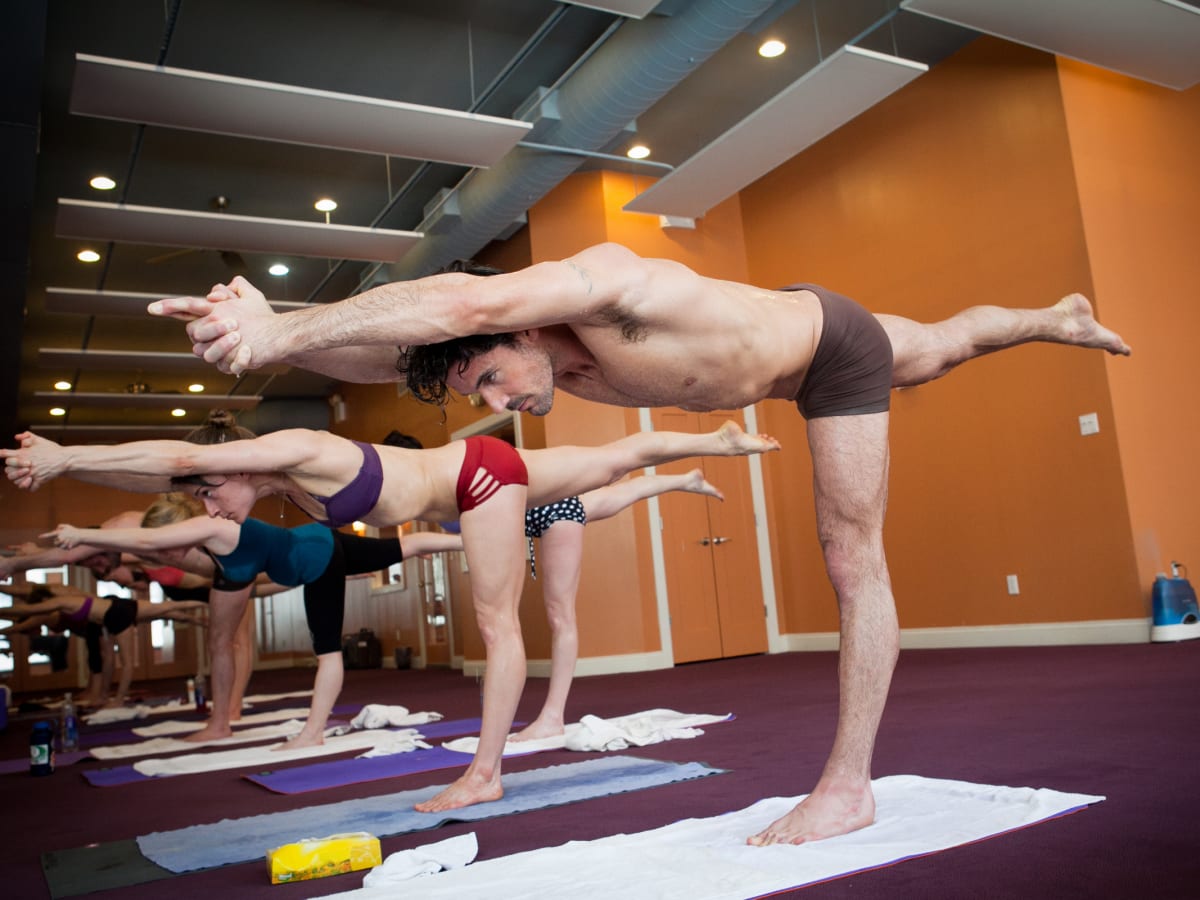
Performance Shorts: This is the most popular and practical choice for many men. Look for shorts made from lightweight, quick-drying polyester or nylon blends with a good amount of stretch.
- Inseam Length: The ideal inseam length is a matter of personal preference, but generally, shorts that hit mid-thigh offer a good balance of coverage and freedom of movement. Too long and they can bunch up, too short and they might feel revealing.
- Fit: A relaxed but not baggy fit is key. You want enough room to move through deep stretches and inversions without the fabric feeling restrictive or getting in the way. Many athletic shorts feature a built-in liner, which can be comfortable and provide support.
- Waistband: A comfortable, elastic waistband with a drawstring is essential for a secure fit that won’t slide down during vigorous poses. Look for wide waistbands that lie flat against your skin to avoid digging in.
-
Yoga-Specific Leggings/Tights: While traditionally more associated with women’s activewear, men’s yoga leggings are gaining popularity for their incredible range of motion and compression benefits.
- Material: Opt for seamless, high-stretch blends that are highly breathable and moisture-wicking. The close fit hugs your muscles, which some men find beneficial for proprioception (awareness of your body in space) and reduced muscle fatigue.
- Support: Many men’s leggings offer a supportive compression fit around the groin area, which can enhance comfort and confidence.
- Layering: Leggings can also be worn under shorts for added warmth or coverage, though in extremely hot yoga settings, they are often worn on their own.
- Athletic Briefs or Compression Underwear: Regardless of whether you choose shorts or leggings, a good pair of moisture-wicking athletic briefs or compression underwear is essential. These garments are designed to wick sweat away from your skin and prevent chafing. Look for seamless designs made from synthetic blends like polyester, nylon, or modal. Avoid cotton underwear at all costs.
Tops: Barely There or Strategically Covered
The upper body requires an approach that prioritizes breathability and minimal distraction.
-
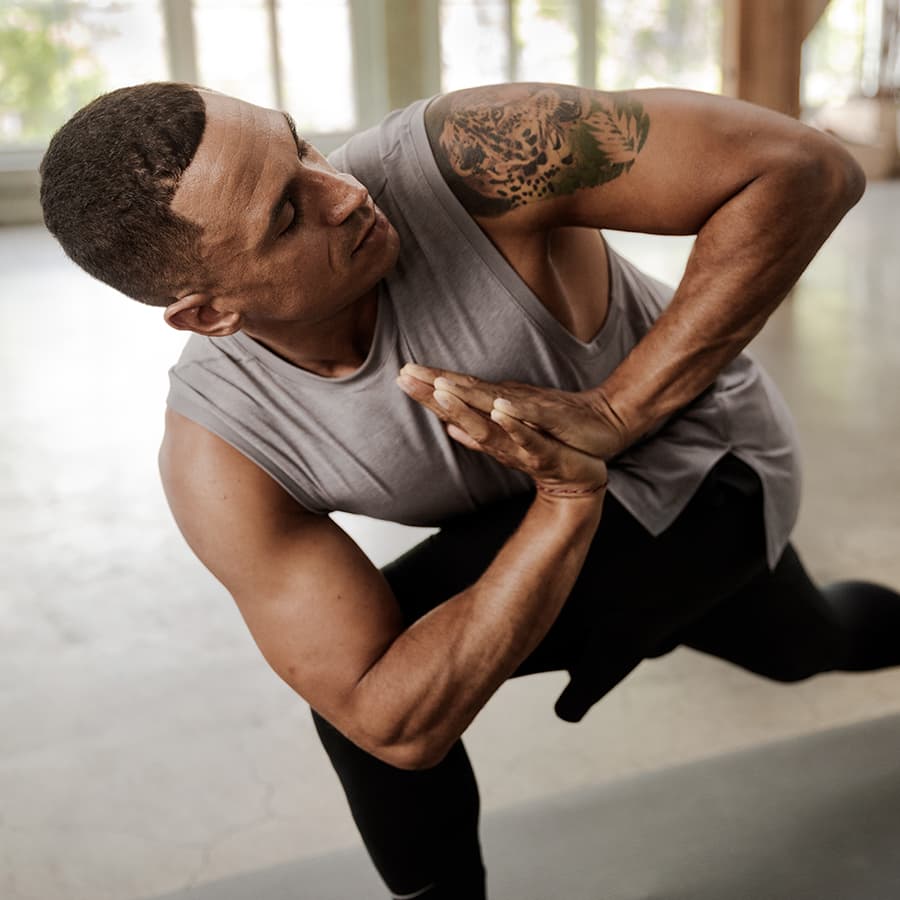
Moisture-Wicking Tank Tops: This is the go-to for most men. Lightweight, form-fitting tank tops made from breathable, quick-drying fabrics are ideal.
- Fit: A snug but not constricting fit is important. You don’t want excess fabric to get tangled or become a distraction during inversions.
- Neckline: A standard crew neck or V-neck is usually fine. Some practitioners prefer slightly deeper V-necks for maximum ventilation.
- Material: Again, focus on polyester, nylon, or specialized performance blends that excel at moisture management.
-
Lightweight Performance T-shirts: If you prefer a bit more coverage, a very lightweight, breathable t-shirt made from a performance fabric can work.
- Sleeve Length: Short sleeves are generally preferred to avoid overheating. Long-sleeved performance shirts can be an option for those who run cold, but they can sometimes feel too warm in a hot studio.
- Fit: A slim or athletic fit is recommended to prevent the fabric from hanging loosely and potentially becoming a nuisance.
-
Going Shirtless: In some studios and for some individuals, practicing without a top is a perfectly acceptable and often preferred option for maximum breathability and freedom. If this is your choice, ensure you have a towel to place on your mat for hygiene.
The Importance of Accessories and Footwear
While the core of your hot yoga attire revolves around your clothing, a few strategic accessories can further enhance your experience.
Footwear: Grip and Hygiene
In most hot yoga studios, you practice barefoot to enhance grip on your mat and to connect with the earth. However, for those who prefer or require foot coverage for hygiene or grip enhancement, there are options.
-
Grip Socks: These are socks with strategically placed silicone or rubber grips on the sole, designed to prevent slipping on the mat. They offer a barefoot feel while providing extra traction. Look for breathable, moisture-wicking materials. Many brands offer specific yoga socks that are thin and flexible.
-
Barefoot Practice: The most common and often recommended approach. Ensure your feet are clean before class, and you may want to bring a small towel to wipe your feet if they become excessively sweaty.
Towels: Your Essential Companion
A good towel is non-negotiable for hot yoga. It’s essential for managing sweat and maintaining hygiene on your mat.
-
Yoga Mat Towel: These are typically made from microfiber, a highly absorbent material that can soak up a significant amount of sweat. They are designed to be placed directly on top of your yoga mat. Microfiber towels are also quick-drying. Look for one that is large enough to cover most of your mat.
-
Hand Towel: A smaller towel is useful for wiping sweat from your face and body during class. Again, microfiber is an excellent choice for its absorbency and quick-drying properties.
Water Bottle: Hydration is Key
Staying hydrated is crucial for a safe and effective hot yoga practice. Invest in a good quality, reusable water bottle. Insulated bottles can keep your water cool throughout your practice.
Concluding Thoughts: Investing in Your Practice
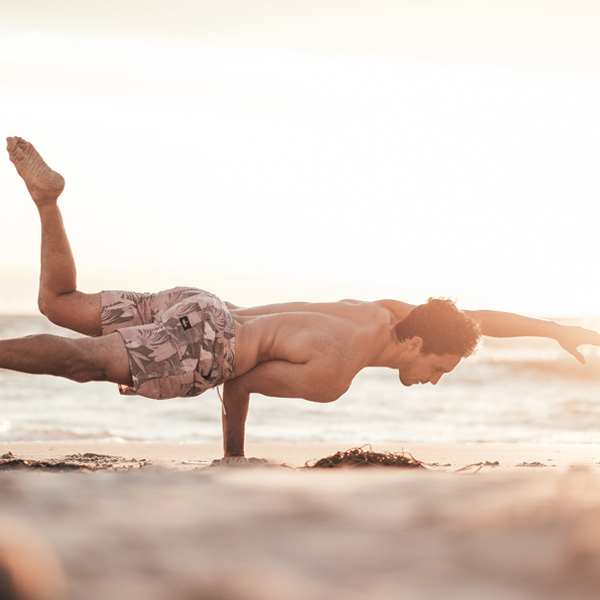
Choosing the right attire for hot yoga is not merely about aesthetics; it’s an investment in your comfort, performance, and overall experience. By understanding the technological advancements in fabric science and selecting garments that prioritize moisture-wicking, breathability, and freedom of movement, male practitioners can significantly enhance their practice. From the microfibers designed to draw sweat away from your skin to the seamless construction that prevents chafing, every element of your hot yoga wardrobe plays a role in allowing you to fully immerse yourself in the practice, push your boundaries, and reap the profound benefits of hot yoga.
aViewFromTheCave is a participant in the Amazon Services LLC Associates Program, an affiliate advertising program designed to provide a means for sites to earn advertising fees by advertising and linking to Amazon.com. Amazon, the Amazon logo, AmazonSupply, and the AmazonSupply logo are trademarks of Amazon.com, Inc. or its affiliates. As an Amazon Associate we earn affiliate commissions from qualifying purchases.