
The abbreviation “PMB” appearing on an address can be a source of confusion, especially in our increasingly digital world. Often encountered on mail or packages, it typically signifies a “Private Mailbox” or “Post Office Box.” While seemingly a simple postal term, understanding PMBs offers a fascinating glimpse into the evolution of communication, personal data management, and even the subtle ways technology shapes our interactions with the physical world. This exploration will delve into the practicalities of PMBs, their historical context, and crucially, their intersection with technology, digital security, and the modern business landscape.
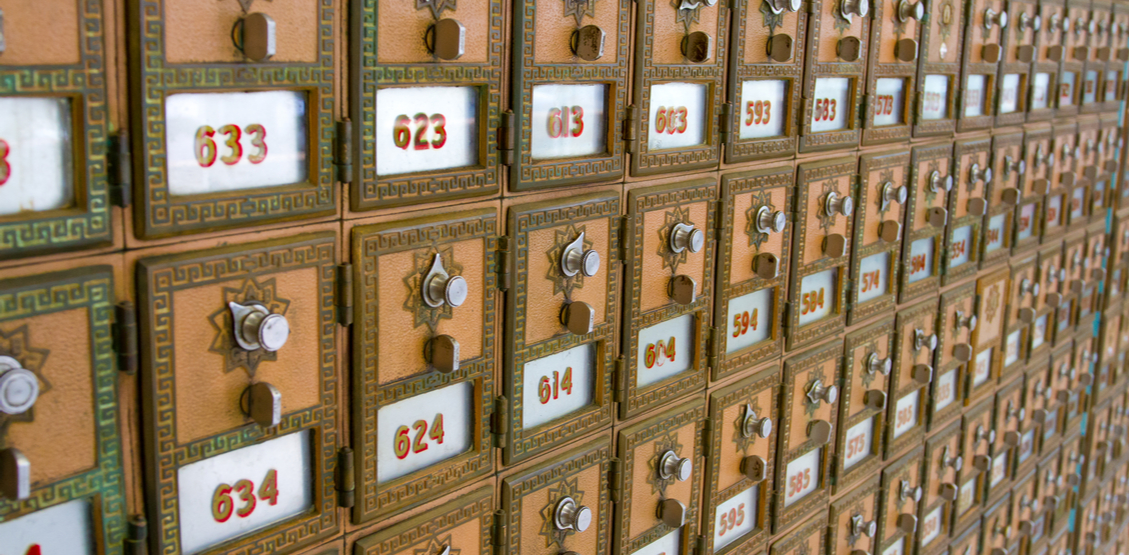
The Fundamentals of a Private Mailbox (PMB)
At its core, a Private Mailbox is a secure, rented space within a post office or a private mail service provider where individuals and businesses can receive their mail. Unlike a traditional Post Office Box (PO Box) located within a USPS facility, PMBs are often provided by third-party services, offering a broader range of amenities and flexibility. This distinction is important, as it underpins many of the technological and logistical advantages they offer.
Distinguishing PMBs from PO Boxes
While often used interchangeably by the public, there’s a technical distinction between a PO Box and a PMB. A PO Box is a numbered compartment at a U.S. Postal Service (USPS) facility. When you rent a PO Box, your address will typically look like:
[Your Name/Company Name]
PO Box [Number]
[City, State, Zip Code]
A Private Mailbox, on the other hand, is a service offered by a private company. These companies, often referred to as “mail and package centers” or “virtual mailbox providers,” operate their own facilities and offer mailbox rentals. The key difference in addressing is how the PMB number is integrated. A PMB address usually includes the provider’s street address, followed by a unit or box number preceded by “PMB” or “Unit.” For example:
[Your Name/Company Name]
123 Main Street
PMB 456
Anytown, USA [Zip Code]
This format is crucial for mail carriers. When mail arrives at the private facility, it is sorted, and then placed into the designated PMB. This offers several advantages over a traditional PO Box, particularly for businesses and individuals who require more than just basic mail reception.
The “Why” Behind Choosing a PMB
The decision to opt for a PMB over a traditional PO Box or even a home address stems from a variety of needs. For individuals, a PMB can offer increased privacy, especially for those who prefer not to have their home address publicly listed. This is a significant concern in an age where data breaches and doxxing are prevalent. For businesses, particularly remote or home-based ones, a PMB provides a professional mailing address, separating business correspondence from personal mail and lending an air of legitimacy.
Furthermore, PMB services often bundle additional functionalities that go beyond simple mail collection. These can include:
- Package Handling: Many PMB providers are equipped to receive packages from all carriers (USPS, FedEx, UPS, DHL), something not all USPS PO Boxes can guarantee. This is a major convenience for online shoppers and businesses that frequently ship and receive goods.
- Mail Forwarding: Recipients can have their mail forwarded to any location, domestically or internationally, on a scheduled basis or upon request.
- Mail Scanning and Digital Access: This is where the technological implications become most pronounced. Advanced PMB services offer the ability to have mail scanned and delivered digitally, allowing recipients to view their mail from anywhere with an internet connection.
- Holding Mail: Mail can be held for extended periods, ideal for frequent travelers.
- Shredding Services: Secure disposal of unwanted mail is another common offering.
These enhanced services transform a simple mailbox into a more comprehensive communication hub, bridging the gap between the physical and digital realms.
Technological Integration and the Digital Mailbox Revolution
The evolution of Private Mailboxes is intrinsically linked to technological advancements, particularly in digital communication and data management. The rise of the internet and mobile technology has empowered PMB providers to offer services that were once unimaginable, fundamentally changing how we interact with our physical mail.
The Rise of the Virtual Mailbox
The most significant technological leap for PMBs is the advent of the “virtual mailbox.” This service leverages technology to digitize the traditional mail process, offering unparalleled convenience and accessibility. Here’s how it typically works:
- Mail Arrival and Sorting: When mail arrives at the PMB facility, it is sorted as usual.
- Scanning and Digitization: Instead of being placed directly into a physical box, certain mail items (often at the recipient’s instruction) are opened, scanned by high-resolution scanners, and converted into digital documents (e.g., PDFs).
- Secure Online Portal: These scanned documents are then uploaded to a secure online portal or mobile app accessible only to the mailbox holder.
- Actionable Options: From this portal, the recipient can then:
- Read: View the contents of their mail digitally.
- Shred: Request the physical mail be securely shredded.
- Forward: Request the physical mail be forwarded to a different address.
- Discard: Request the physical mail be discarded.
- Deposit Checks: Some advanced services even allow for remote check deposit, where the PMB service can deposit checks on your behalf.
This digital transformation offers immense benefits:
- Global Accessibility: Individuals and businesses can manage their mail from anywhere in the world, provided they have an internet connection. This is a game-changer for digital nomads, expatriates, and international businesses.
- Efficiency: Eliminates the need for physical trips to collect mail. Important documents can be reviewed and acted upon immediately, improving response times and productivity.
- Organization: Digital archives of mail make it easier to search, retrieve, and organize correspondence over time. This can be invaluable for record-keeping, tax purposes, and legal matters.
- Reduced Clutter: Less physical mail means less paper clutter at home or in the office.
Security and Encryption in Digital Mail Management

As mail becomes digitized, security and data protection become paramount. Reputable PMB providers invest heavily in robust security measures to protect sensitive information contained within scanned mail.
- Secure Online Portals: Access to the online portal is typically protected by multi-factor authentication (MFA), strong password policies, and encryption protocols (e.g., SSL/TLS) to prevent unauthorized access.
- Data Encryption: Scanned documents are often encrypted both in transit and at rest, ensuring that even if data were intercepted, it would be unreadable without the decryption key.
- Physical Security: The physical mailboxes and scanning facilities themselves are usually secured with surveillance systems, limited access, and stringent employee background checks.
- Compliance: Many providers adhere to industry-specific compliance standards (e.g., HIPAA for healthcare-related mail, although this is less common for standard PMBs) to demonstrate their commitment to data privacy.
The technological infrastructure behind these services is complex, involving secure cloud storage, advanced scanning hardware and software, and sophisticated web and mobile application development. This allows for seamless integration of the physical mail handling with the digital interface.
The Impact on Business and E-commerce
The technological capabilities of PMBs have had a profound impact on how businesses operate, particularly in the digital age.
- Remote Work Enablement: For companies with fully remote workforces, a PMB offers a centralized physical address for official correspondence, legal notices, and client communications, without requiring a physical office space.
- Professional Image for Startups and Solopreneurs: A PMB provides a credible business address, enhancing the perception of legitimacy and professionalism for startups, freelancers, and small businesses operating from home. This is crucial for building trust with clients and partners.
- E-commerce Operations: Online sellers can use PMBs to manage returns, receive supplier shipments, and maintain a clear separation between personal and business mail, streamlining their operations.
- Global Market Reach: Businesses looking to establish a presence in new markets can utilize PMBs to receive mail and correspondence without the immediate need for a physical office in that location.
The integration of technology has transformed PMBs from mere postal receptacles into sophisticated communication and administrative hubs, essential tools for navigating the complexities of modern business and personal data management in an increasingly digital world.
The Future of PMBs: Beyond the Digital Scan
As technology continues its relentless advance, the role and functionality of Private Mailboxes are poised to evolve further. The current trend towards digitization is just the beginning, hinting at even more integrated and intelligent solutions for managing our physical and digital correspondence.
Enhanced Automation and AI Integration
The future of PMBs will likely see greater integration of Artificial Intelligence (AI) and automation. Imagine a scenario where AI can:
- Intelligent Mail Sorting: Automatically identify and categorize incoming mail based on sender, content, or urgency. For instance, AI could flag bills for immediate payment, legal documents for urgent review, or marketing flyers for discarding.
- Sentiment Analysis: Potentially analyze the sentiment of correspondence to help users prioritize responses.
- Automated Responses: For certain types of routine correspondence (e.g., order confirmations, shipping notifications), AI might be able to generate templated responses or flag them for a quick human review.
- Predictive Analytics: AI could analyze mail patterns to predict future needs, such as suggesting optimal forwarding schedules or identifying potential delivery issues before they arise.
These advancements will move PMBs beyond simple scanning and forwarding to actively assisting users in managing their information flow more effectively.
Blockchain and Enhanced Security
The inherent need for secure and verifiable communication makes blockchain technology a natural fit for the future of PMBs.
- Immutable Records: Blockchain could be used to create tamper-proof logs of mail handling, forwarding, and delivery, providing an indisputable audit trail for important documents. This would be invaluable for legal and financial transactions.
- Decentralized Identity Verification: For remote access and account management, blockchain-based identity verification could offer enhanced security and privacy, reducing reliance on traditional password-based systems.
- Secure Document Sharing: Blockchain could facilitate the secure and verifiable sharing of digital mail contents among authorized parties without compromising the original document.
By leveraging blockchain, PMB providers can offer an unprecedented level of trust and transparency in the handling and management of sensitive mail.
IoT and Smarter Mail Management
The Internet of Things (IoT) can also play a role in the future evolution of PMBs.
- Smart Mailbox Sensors: Physical mailboxes could be equipped with sensors that detect when mail has been deposited or collected, automatically notifying the user or triggering the scanning process.
- Environmental Monitoring: For valuable or sensitive mail, IoT sensors could monitor environmental conditions (e.g., temperature, humidity) during storage and transit, ensuring the integrity of the contents.
- Integration with Smart Home Ecosystems: Future PMB services could integrate with smart home devices, allowing users to receive notifications about their mail through their smart speakers or smart displays.
These integrations, while perhaps seeming futuristic, are logical extensions of the trend towards making our physical interactions more connected and intelligent.

The Evolving Definition of “Address”
Ultimately, the continued technological integration within PMB services blurs the lines between physical and digital presence. For many, a PMB is no longer just a place to receive paper; it’s a digital gateway to their correspondence and a crucial tool for managing their identity and communications in an increasingly interconnected world. The “what” of PMB is evolving from a physical location to a digital service, powered by technology, security, and the ongoing demand for convenience and control. As the digital and physical worlds continue to merge, Private Mailboxes, with their technological underpinnings, will remain a vital component in navigating this evolving landscape.
aViewFromTheCave is a participant in the Amazon Services LLC Associates Program, an affiliate advertising program designed to provide a means for sites to earn advertising fees by advertising and linking to Amazon.com. Amazon, the Amazon logo, AmazonSupply, and the AmazonSupply logo are trademarks of Amazon.com, Inc. or its affiliates. As an Amazon Associate we earn affiliate commissions from qualifying purchases.