
In the modern professional landscape, the boundaries between the office and social environments have become increasingly porous. When we ask the question, “what to wear to a bar,” we are rarely just discussing fashion or comfort. From a brand strategy perspective, we are discussing the curation of a visual identity that persists beyond the boardroom. Whether you are a startup founder meeting a potential investor for a “casual drink” or a consultant attending a high-end industry mixer, your attire serves as a critical touchpoint in your personal brand’s ecosystem.
Personal branding is the intentional effort to create and influence public perception of an individual by positioning them as an authority in their industry, elevating their credibility, and differentiating them from the competition. In social settings like a bar or a lounge, your brand is not communicated through a slide deck or a mission statement; it is communicated through visual cues, presence, and the nuance of your presentation.

The Psychology of the Visual Hook: Why Social Attire is a Brand Asset
Every interaction is an opportunity for brand reinforcement. In marketing, we often discuss the “Rule of Seven,” which suggests a prospect needs to see a brand at least seven times before they commit to a purchase. In personal branding, these “views” occur across various platforms: your LinkedIn profile, your keynote speeches, and, crucially, your appearance in social hubs.
Decoding the First Impression
Psychological studies on thin-slicing suggest that humans form a baseline opinion of an individual’s competence and trustworthiness within milliseconds. In a dimly lit bar or a crowded rooftop lounge, these visual shortcuts are amplified. When your attire aligns with your professional narrative, you reduce cognitive dissonance for your audience. If your brand is “Reliable Financial Architect,” showing up in disheveled, overly casual wear creates a brand fracture. Conversely, a well-tailored, understated ensemble reinforces the narrative of precision and attention to detail.
Consistency Across Touchpoints: From LinkedIn to the Lounge
A brand is a promise of consistency. If your digital brand suggests a high-energy, creative disruptor, but your physical presence at a social event is muted and conventional, you dilute your brand equity. Mastering what to wear to a bar is about ensuring that your “after-hours” persona is a logical extension of your “on-clock” identity. This doesn’t mean wearing a three-piece suit to a dive bar; it means selecting pieces that carry the DNA of your professional identity into a more relaxed context.
Navigating the Spectrum: Aligning Your Outfit with Your Brand Persona
Different professional niches require different brand archetypes. Just as a corporate brand selects a color palette and typography to evoke specific emotions, a personal brand must select a wardrobe that signals specific values.
The Tech Disruptor: Smart Casual with an Edge
For those in the technology and innovation sector, the brand goal is often to appear forward-thinking, agile, and unburdened by tradition. In a bar setting, the “Tech Disruptor” brand is best served by high-quality basics paired with a “hero piece”—perhaps a designer sneaker or a limited-edition tech accessory. This signals that you value functionality and quality but are not afraid to invest in “the next big thing.” It is a brand strategy that emphasizes modernism over heritage.
The Corporate Leader: Polished Professionalism
For executives and leaders in traditional industries (law, finance, or corporate management), the brand is built on a foundation of stability and authority. “What to wear to a bar” for this demographic involves the “deconstructed suit.” By losing the tie and perhaps swapping the dress shirt for a high-gauge knit or a premium polo, the leader maintains a silhouette of authority while signaling adaptability. The brand message here is: “I am in control, even when the pressure is off.”
The Creative Visionary: Expressive and Authentic
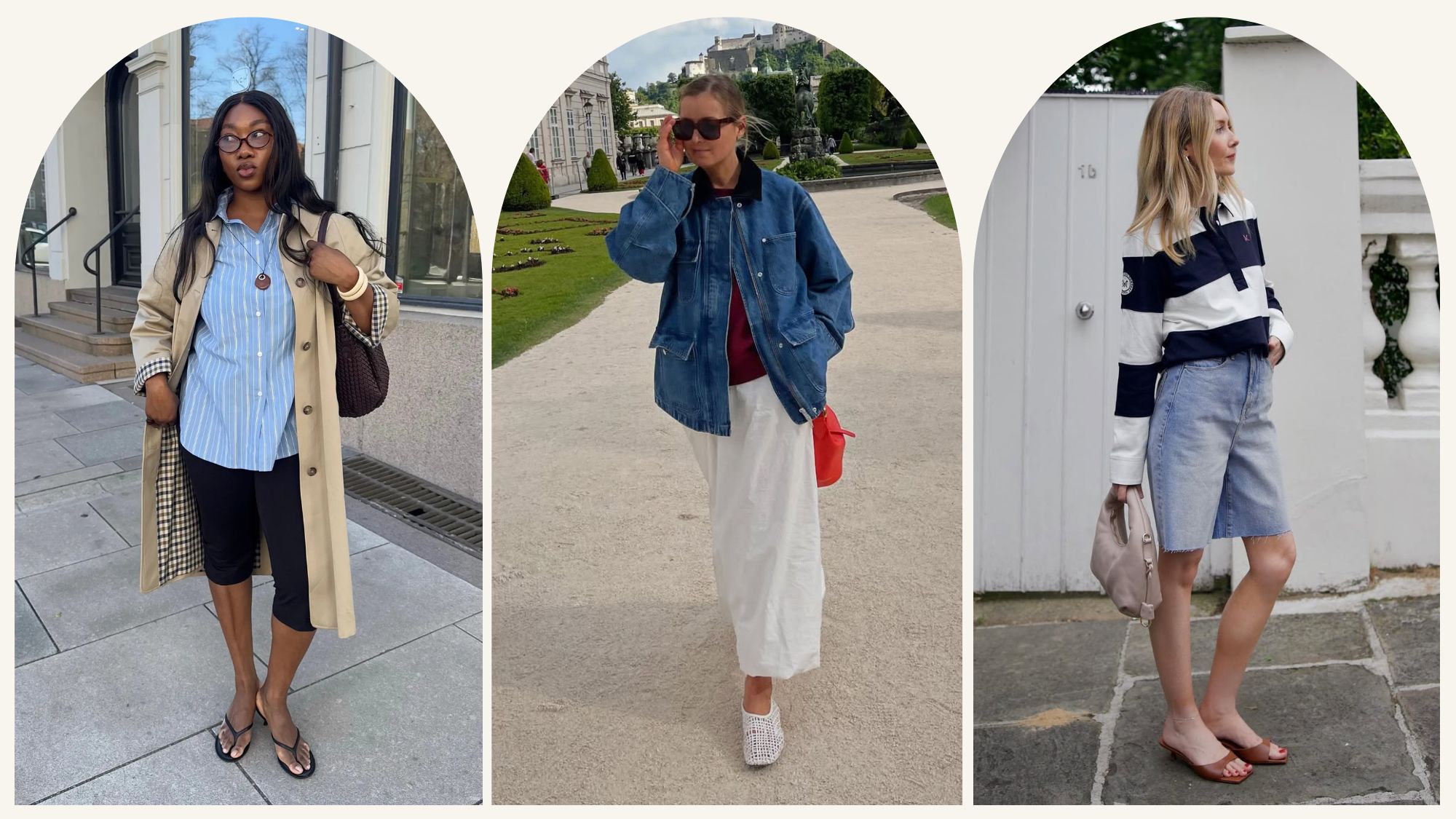
For those in marketing, design, or the arts, the bar is often a stage for brand activation. In this niche, playing it too safe can actually damage your brand. Authenticity is the primary currency. Wearing a bold pattern, a unique vintage piece, or an avant-garde silhouette signals that you are a source of original ideas. It invites conversation and serves as a visual portfolio of your creative sensibilities.
The Strategic “Fit”: Engineering Authority through Non-Verbal Cues
In brand design, “white space” and “kerning” matter just as much as the logo itself. In the world of personal branding, “fit” and “fabric” are the design elements that communicate quality and attention to detail.
Color Theory and Brand Sentiment
The colors you choose for a night out are not just aesthetic choices; they are emotional triggers.
- Navy and Charcoal: Signal reliability and sophistication. These are the “safe bets” for a brand that wants to be taken seriously without being intimidating.
- Black: Communicates power, elegance, and a hint of mystery. It is the ultimate “uniform” for a brand that wants to appear high-end and exclusive.
- Earth Tones (Olive, Camel, Rust): These signal approachability and groundedness. They are excellent for brands built on mentorship, sustainability, or community.
Quality as a Proxy for Competence
There is a concept in marketing known as “Signaling.” By choosing high-quality materials—merino wool, heavy-weight cotton, or genuine leather—you are signaling that you have the resources and the taste to choose the best. In a professional networking context, this often translates to the perception that you also provide high-quality work. When you choose what to wear to a bar, you are choosing the “packaging” of your brand. Cheap, poorly fitting clothes act like a low-resolution logo; they might represent the brand, but they do so poorly.
Social Networking as Brand Activation
The bar is not just a place to consume beverages; it is a venue for brand activation. Your attire is the “packaging,” but your behavior is the “brand experience.”
The Art of the Approach
When you are dressed in alignment with your brand, you carry yourself with a different level of “Brand Confidence.” This psychological boost allows for more effective networking. If you are comfortable in your “social uniform,” your body language becomes more open, making your personal brand more “UX-friendly” (User Experience). People are more likely to approach a brand that looks cohesive and well-managed.
Sustaining Your Reputation After the First Drink
Brand management involves risk mitigation. Part of “what to wear to a bar” includes practical considerations that protect your brand’s reputation. Can you move comfortably? Does the fabric breathe well in a crowded room? Does it hold its shape throughout the night? A brand that looks “exhausted” by 11:00 PM is a brand that signals a lack of stamina. By choosing durable, high-performance fabrics, you ensure that your visual brand remains crisp from the first cocktail to the final handshake.

Conclusion: The Long-Term ROI of Social Brand Management
Investing time and thought into what you wear to social venues is not an act of vanity; it is a calculated business move. In an era where “who you know” is often dictated by “how you are perceived,” your personal brand is your most valuable asset.
By treating the bar as a professional touchpoint and your attire as a strategic brand tool, you ensure that your identity is communicated clearly, consistently, and powerfully. Whether you are aiming for disruption, authority, or creativity, your visual presentation provides the framework upon which your professional relationships are built.
The next time you prepare for a social evening, don’t just look in the mirror; look at your brand strategy. Ask yourself if the person reflected in the glass is the same person you want the world to invest in. When your visual identity matches your professional excellence, you don’t just “go to a bar”—you activate a brand.
aViewFromTheCave is a participant in the Amazon Services LLC Associates Program, an affiliate advertising program designed to provide a means for sites to earn advertising fees by advertising and linking to Amazon.com. Amazon, the Amazon logo, AmazonSupply, and the AmazonSupply logo are trademarks of Amazon.com, Inc. or its affiliates. As an Amazon Associate we earn affiliate commissions from qualifying purchases.