
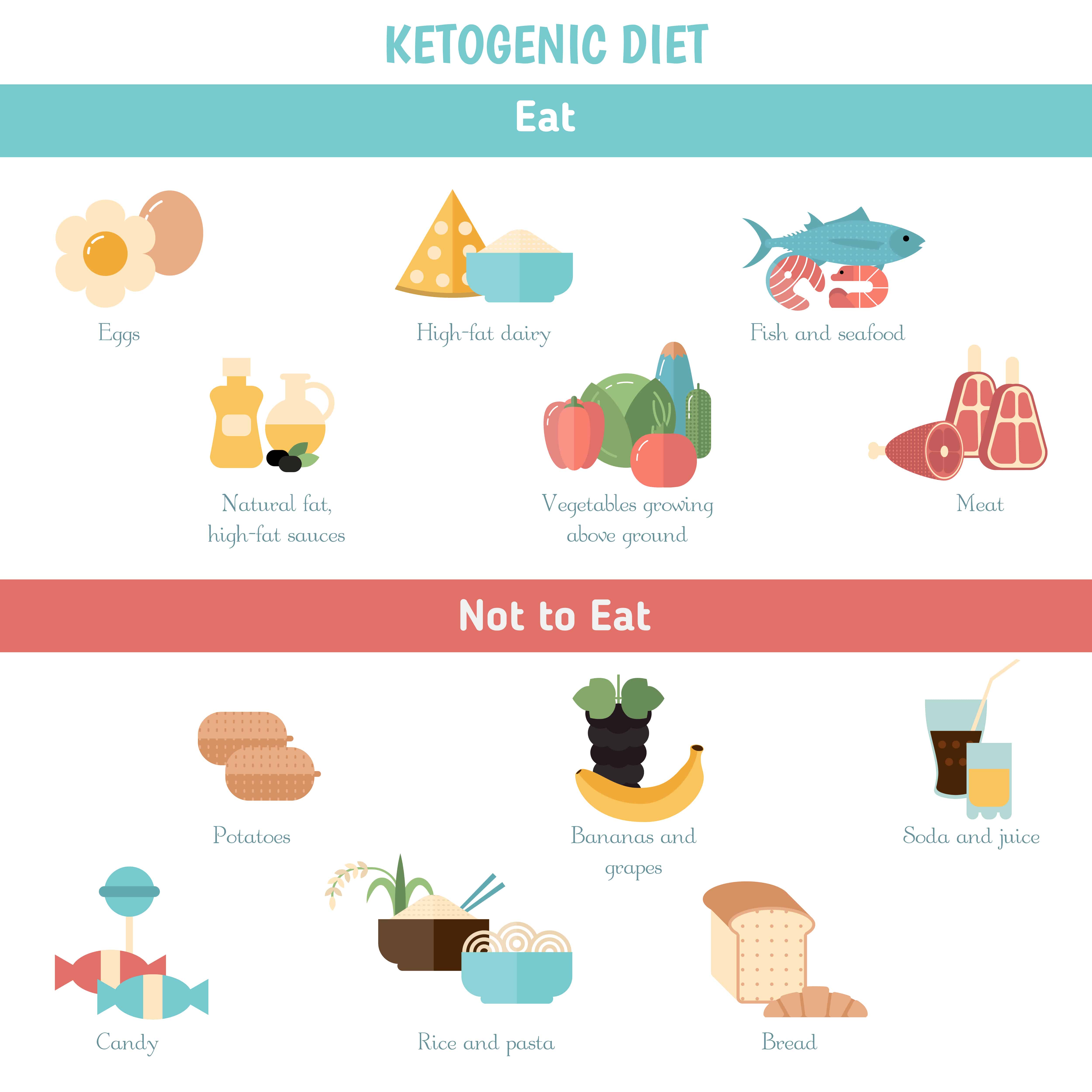
The ketogenic diet, a regimen characterized by very low carbohydrate intake, moderate protein, and high fat consumption, has surged in popularity. Its proponents often highlight its potential benefits for weight management, improved energy levels, and even cognitive function. However, embarking on this dietary journey can represent a significant financial undertaking if not approached strategically. Understanding what foods to avoid is not just about optimizing ketosis; it’s also about safeguarding your budget and making smart financial choices that support your long-term health goals. This article will delve into the “what not to eat” aspect of the ketogenic diet, specifically from a financial perspective, identifying common pitfalls that can drain your wallet and offering actionable advice for a more budget-conscious approach.
Hidden Financial Traps in “Keto-Friendly” Processed Foods
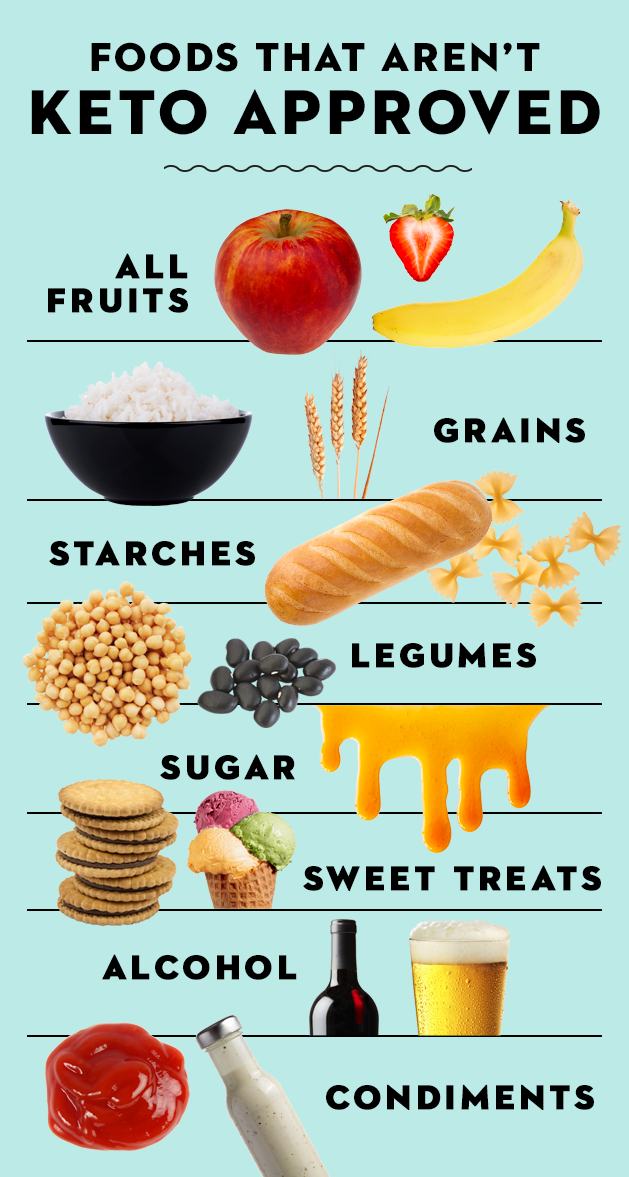
The market has responded enthusiastically to the keto trend, flooding shelves with a plethora of “keto-certified,” “low-carb,” and “sugar-free” products. While these may seem like convenient shortcuts, they often come with a premium price tag and can undermine your financial well-being just as effectively as high-carb foods derail your ketosis.
The Deceptive Allure of Specialty “Keto” Snacks
Many pre-packaged snacks, baked goods, and desserts marketed as keto-friendly are significantly more expensive than their conventional counterparts. These often rely on expensive alternative sweeteners like erythritol, xylitol, or monk fruit, along with specialized flours such as almond or coconut flour, and proprietary blends of fibers. While these ingredients are essential for creating palatable low-carb treats, their manufacturing and sourcing contribute to a higher retail price.
For example, a small bag of keto cookies might cost $6-$8, whereas a traditional cookie might be $3-$4 for a larger package. Over time, a consistent reliance on these specialty items can add up to hundreds, if not thousands, of dollars annually. This is money that could be allocated to more nutrient-dense, whole foods that provide superior nutritional value and satiety, ultimately offering a better return on investment for your health and finances.
The Costly Illusion of “Sugar-Free” Beverages
Sugar-free sodas, flavored waters, and even some “keto” juices are often laden with artificial sweeteners and flavorings. While they might not contain sugar, they can be deceptively expensive per serving. A single can of sugar-free soda can cost $1-$2, while a large jug of filtered water is pennies on the dollar.
Furthermore, the long-term health impacts of excessive consumption of artificial sweeteners are still debated. From a financial standpoint, these beverages represent a discretionary expense that offers minimal nutritional benefit. Prioritizing water, unsweetened tea, or black coffee is not only the most ketogenic choice but also the most fiscally responsible one. Consider the cost of buying multiple diet sodas per week – it’s a recurring expense that can be easily eliminated.
Overpriced “Keto” Meal Replacements and Supplements
The keto market is rife with meal replacement shakes, bars, and powders designed to simplify the diet. While these can be useful in a pinch, they are almost universally overpriced compared to preparing your own meals. Many of these products are formulated with a blend of fats, proteins, and low-carb fibers, often using expensive emulsifiers and stabilizers to achieve their texture and shelf-life.
Similarly, supplements marketed to boost ketone production (exogenous ketones) or enhance fat burning can be incredibly costly. While some individuals may find benefit in specific situations, for the majority, the body can produce its own ketones efficiently through proper dietary adherence. Investing heavily in these supplements is often an unnecessary financial burden. A holistic approach to diet and lifestyle is generally more effective and far less expensive.
The Pitfalls of Premium Ingredients and Unnecessary Expenditures
Beyond the processed “keto” items, certain whole foods, when purchased without a budget-conscious mindset, can also lead to significant overspending on a ketogenic diet.
The Premium Price of Pre-Cut and Prepared Ingredients
The convenience of pre-cut vegetables, pre-marinated meats, and individually portioned cheese snacks comes at a noticeable markup. Grocery stores charge a premium for labor and packaging involved in these convenient options. While saving a few minutes in the kitchen might feel worthwhile initially, the cumulative cost can be substantial.
For instance, a head of broccoli might cost $2-$3, while a bag of pre-cut florets could be $4-$5 for a similar quantity. Similarly, pre-grilled chicken breasts or seasoned steaks are invariably more expensive than buying raw ingredients and preparing them yourself. Mastering basic knife skills and simple cooking techniques can unlock significant savings.
The Temptation of Exotic and Specialty Fats
While healthy fats are the cornerstone of the ketogenic diet, not all fats are created equal in terms of price. While high-quality fats like olive oil, avocado oil, and butter are essential, the pursuit of exotic oils such as MCT oil (beyond what’s needed for a basic keto diet), specialty nut oils, or gourmet animal fats can quickly inflate your grocery bill.
For example, while MCT oil can offer benefits for some on keto, a large bottle can cost $30-$50. Similarly, certain grass-fed or imported animal fats might carry a significant premium. Focusing on widely available, cost-effective healthy fats like eggs, avocados (when in season and on sale), olive oil, coconut oil, and fatty cuts of conventional meat or poultry can provide all the necessary fat without breaking the bank.
Over-Reliance on Expensive Protein Sources
While protein is moderate on a ketogenic diet, it’s still a crucial macronutrient. Some individuals gravitate towards very expensive protein sources like prime cuts of beef, organic chicken, or wild-caught fish exclusively. While these are excellent sources of nutrition, they represent a significant financial commitment.
Exploring more budget-friendly protein options such as chicken thighs and wings, ground beef (80/20 or 85/15), pork shoulder, canned fish (sardines, mackerel), and eggs can provide ample protein without the steep price tag. These cuts often have more fat, which aligns well with ketogenic principles, and can be prepared in incredibly versatile and delicious ways.
Strategies for a Budget-Friendly “What Not to Eat” Mindset
Shifting your perspective from what you can’t eat to what you should avoid for financial reasons can be a powerful tool. This involves a conscious effort to identify and eliminate unnecessary expenses.
The Power of Home Cooking and Bulk Purchasing
The most effective way to combat the rising costs associated with the ketogenic diet is to embrace home cooking and strategic bulk purchasing. Preparing meals from scratch eliminates the markup associated with pre-made and processed foods. Investing in staple low-carb ingredients in larger quantities, when storage and usage allow, can significantly reduce per-unit costs.
Consider buying bags of frozen vegetables (which are often cheaper and last longer than fresh), large packs of chicken or ground beef to portion and freeze, and wholesale containers of nuts and seeds. Learning a few versatile ketogenic recipes that utilize these bulk ingredients can transform your meal preparation into a cost-saving endeavor.
Smart Shopping Habits: Sales, Seasonality, and Store Brands
Becoming a savvy shopper is paramount. Actively look for sales on meats, produce, and healthy fats. Many stores offer weekly flyers and digital coupons that can be leveraged. Purchasing produce in season is almost always more cost-effective and leads to fresher, more flavorful ingredients.
Don’t shy away from store brands or generic options for items like canned goods, certain oils, or dairy products. Often, these products are manufactured by the same companies as name brands but without the marketing overhead, allowing for significant savings. Comparison shopping between different grocery stores in your area can also reveal considerable price differences.
Mindful Meal Planning to Reduce Waste
A significant financial leak in any diet, including keto, is food waste. When you don’t plan your meals, you’re more likely to buy ingredients you won’t use, leading to spoilage and wasted money. A structured meal plan, even a loose one, helps you buy only what you need and utilize ingredients efficiently across multiple meals.
Before you shop, take inventory of what you already have in your pantry, refrigerator, and freezer. Then, plan your meals around those existing items. This not only reduces waste but also encourages creativity in the kitchen, as you find ways to combine ingredients into satisfying keto dishes. This proactive approach ensures that every dollar spent on food contributes directly to your dietary goals and your financial health. By focusing on what not to eat, not just for ketosis, but for your wallet, you can achieve a sustainable and financially responsible ketogenic lifestyle.
aViewFromTheCave is a participant in the Amazon Services LLC Associates Program, an affiliate advertising program designed to provide a means for sites to earn advertising fees by advertising and linking to Amazon.com. Amazon, the Amazon logo, AmazonSupply, and the AmazonSupply logo are trademarks of Amazon.com, Inc. or its affiliates. As an Amazon Associate we earn affiliate commissions from qualifying purchases.