
Attending a masquerade party transcends mere social engagement; it presents a unique and potent platform for personal branding. Far from a simple fashion choice, the attire selected for such an event is a deliberate statement, a non-verbal marketing campaign for the persona you wish to project. In an environment rich with intrigue and theatricality, every detail contributes to the narrative you weave about yourself. Understanding the masquerade through a branding lens allows for a more impactful, memorable, and strategically aligned presentation, transforming a festive occasion into an opportunity to solidify or redefine your personal identity.
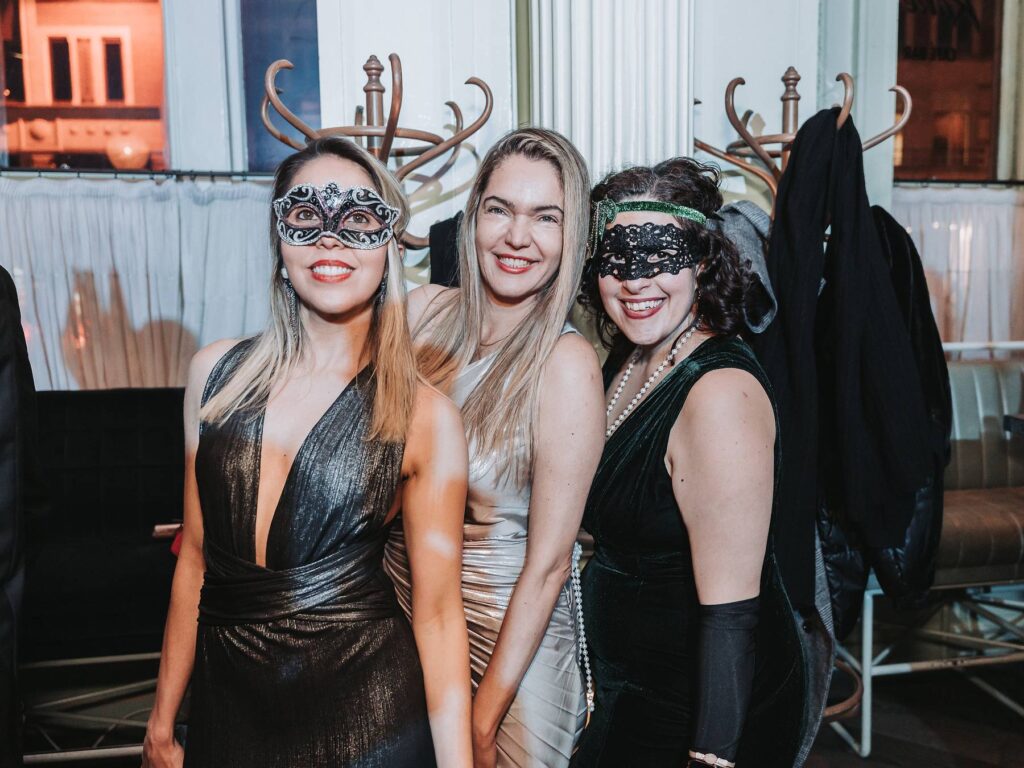
The Masquerade as a Personal Branding Opportunity
A masquerade party inherently encourages the adoption of a persona, making it an ideal setting for conscious personal branding. Unlike everyday interactions where one’s identity is largely static, the masked ball invites a temporary, yet powerful, reimagining of self. This isn’t about deception, but rather about strategic self-presentation – curating an image that resonates with your professional or social aspirations, or simply exploring an facet of your personality in a structured, engaging way.
Crafting Your Persona: Beyond the Fabric
Before selecting a single garment, the foundational step is to define the persona you intend to embody. Is it one of enigmatic sophistication, playful charm, audacious power, or understated elegance? This desired identity serves as the core brand message. Consider the attributes associated with this persona: a commanding presence, approachable grace, intellectual curiosity, or adventurous spirit. Each attribute has visual correlates that can be translated into attire and accessories. For instance, a persona of “enigmatic sophistication” might lean towards darker, richer tones, streamlined silhouettes, and a mask that covers a significant portion of the face, hinting at depth rather than overt display. Conversely, “playful charm” might manifest in lighter colors, whimsical patterns, and a smaller, more decorative mask. The garment becomes a physical manifestation of your brand’s essence, demanding careful thought regarding its psychological impact and visual cues.
Strategic Presentation: The First Impression
In a masquerade setting, the first impression is amplified by the inherent mystery. Your curated look is your initial marketing pitch, conveying information before a single word is exchanged. This immediate visual impact is critical for personal branding. A cohesive and thoughtfully executed ensemble signals attention to detail, confidence, and an understanding of the event’s unique “brand identity.” It communicates your engagement with the theme and your respect for the occasion. Conversely, an ill-conceived or mismatched outfit can inadvertently send messages of disinterest or a lack of self-awareness, undermining your desired brand perception. The goal is to create a visual “hook” that prompts intrigue and encourages further engagement, setting the stage for subsequent interactions that reinforce the persona you’ve established. This initial brand touchpoint should be memorable and align directly with the narrative you wish to tell.
Elements of Masquerade Attire: Design and Identity
Each component of your masquerade ensemble plays a distinct role in constructing your personal brand identity. From the focal point of the mask to the subtle nuances of accessories, every design choice contributes to the overall message. Approaching these choices with an awareness of their communicative power is essential for effective branding.
The Mask: Your Mystical Brand Identifier
The mask is, arguably, the most iconic element of a masquerade and the primary visual identifier of your temporary brand. Its design, material, and coverage directly influence the perception of your persona.
- Shape and Coverage: A full-face mask, such as a traditional Venetian volto or bauta, conveys a greater sense of mystery and formality, suggesting a powerful, perhaps even unapproachable, brand. A half-mask (lupo or columbina) allows for more facial expression, balancing allure with approachability. A simple eye mask hints at flirtation and playfulness, projecting a more lighthearted brand.
- Embellishment: The choice of embellishments—feathers, jewels, lace, intricate painting—speaks volumes. Bold, opulent embellishments can signal extravagance and confidence, a “luxury brand” persona. Subtle, intricate detailing suggests refinement and sophistication, a “bespoke brand.” Minimalist designs can convey modern chic or understated power.
- Color: The color of your mask should align with your overall color palette and the emotional tone of your persona. Gold or silver can suggest wealth and status. Deep reds and purples evoke passion and royalty. Black offers timeless elegance and mystery.
The mask is not merely an accessory; it is a strategic visual asset, the very emblem of your brand for the evening. Its selection should be a conscious decision about how you wish to be perceived and remembered.
Garment Choices: Communicating Your Narrative
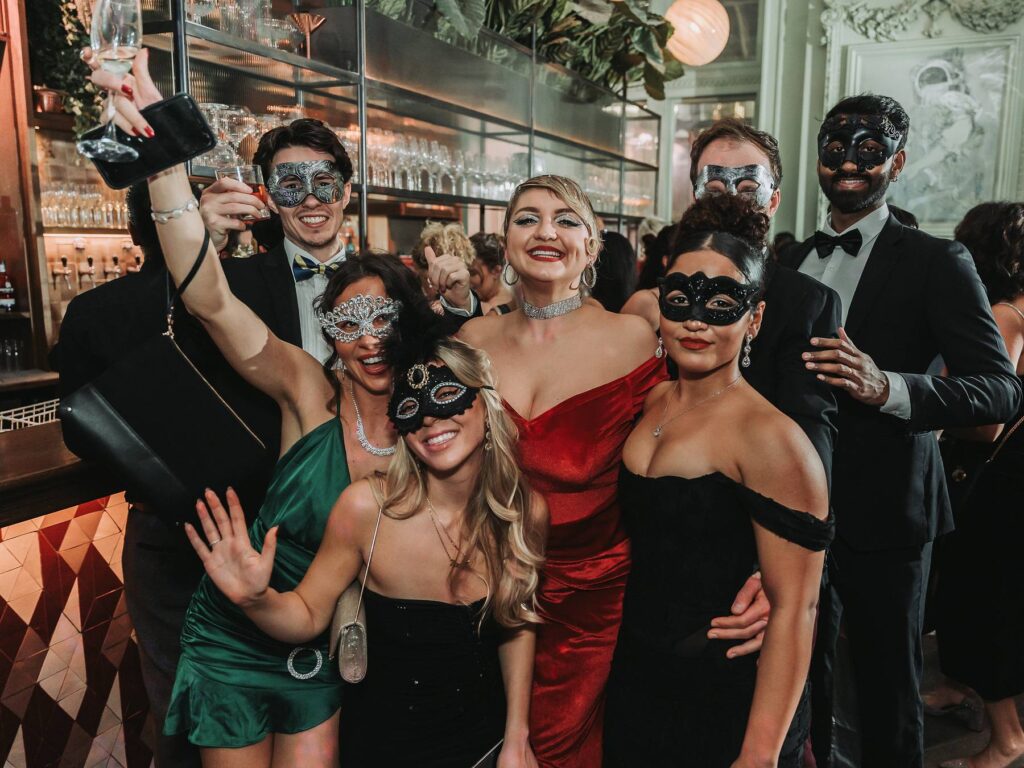
The clothing itself forms the canvas upon which your brand is painted. The silhouette, fabric, and color scheme are critical design elements that communicate your narrative.
- Silhouette: The overall shape of your attire dictates its formality and the kind of movement it allows, influencing the perceived “flow” of your brand. A sweeping ball gown or tailored suit projects gravitas and traditional elegance, a “heritage brand” feel. More contemporary or form-fitting designs might signal modernity, confidence, and a “cutting-edge brand” image. Historical costumes (e.g., Rococo, Baroque, Renaissance) can evoke a sense of theatricality and an appreciation for art and history, creating a “curated, artisanal brand” persona.
- Fabric: The texture and drape of the fabric are powerful non-verbal cues. Luxurious fabrics like silk, velvet, satin, and brocade immediately elevate the perceived value and sophistication of your brand. They suggest quality, discernment, and an appreciation for the finer things. Conversely, simpler fabrics, while elegant in their own right, might convey a more understated, accessible brand.
- Color Palette: Color psychology plays a significant role in branding. Deep jewel tones (emerald, sapphire, ruby) communicate richness and nobility. Classic black and white convey timeless elegance and power. Softer pastels can suggest gentleness and approachability. Bold, contrasting colors might indicate a vibrant, dynamic, or avant-garde brand. The colors chosen should resonate with the emotional impact you aim to achieve and maintain consistency with your mask and accessories.
Together, these garment choices must form a coherent visual statement that reinforces the desired persona and avoids sending mixed messages. Each piece should be a deliberate stroke in the masterpiece of your personal brand for the evening.
Accessories and Details: Amplifying Your Message
The minutiae of your ensemble—jewelry, gloves, footwear, and even hair styling—are the finishing touches that amplify your brand message. These small details can significantly enhance or detract from the overall impression.
- Jewelry: Select jewelry that complements the style and era of your attire and mask. Statement pieces can draw attention and signal confidence, while delicate pieces convey refinement. The choice of metals and gemstones can also align with the desired brand aesthetic (e.g., pearls for classic elegance, diamonds for luxury, antique silver for vintage charm).
- Gloves: Long gloves add an immediate touch of formality and old-world glamour, signaling a sophisticated and poised brand. Shorter gloves or no gloves at all might suggest a more contemporary or relaxed approach, depending on the overall context.
- Footwear: Comfortable yet elegant footwear is crucial. While often partially hidden, the style of your shoes or boots should align with the formality and era of your costume, reinforcing the authenticity of your brand persona.
- Hair and Makeup: These elements serve as an extension of your mask and costume. Hair styling can range from elaborate updos to dramatic waves, complementing the historical or modern aesthetic. Makeup can enhance the drama of the mask, creating a captivating gaze or a subtle allure, further shaping the narrative of your brand.
Every accessory is an opportunity to refine and strengthen your brand message, demonstrating a meticulous approach to your self-presentation.
Authenticity and Impact: Aligning Attire with Your Brand Goals
While the masquerade encourages the adoption of a persona, the most effective personal branding always incorporates an element of authenticity. The goal is not to become someone you are not, but rather to highlight or explore a specific facet of yourself in a compelling way. This balance ensures that your presented brand is both engaging and sustainable beyond the initial visual impression.
Understanding the Event’s “Brand Identity”
Just as you are crafting a personal brand, the masquerade party itself has a “brand identity” or theme. Understanding this is crucial for successful integration. Is it a grand, formal Venetian ball? A gothic and mysterious affair? A whimsical fairytale gathering? Aligning your personal brand expression with the event’s overarching theme demonstrates respect for the hosts and an understanding of social context. Your attire should complement, rather than clash with, the ambient branding of the party. This shows adaptability and an ability to operate within established frameworks, valuable traits for any personal brand. A beautifully executed costume that is entirely out of place can still detract from your overall impact.
Balancing Tradition with Modern Personal Expression
Many masquerade parties draw inspiration from historical periods, particularly the Venetian Carnivals. While adhering to traditional elements can enhance authenticity, there’s also room for modern interpretation and personal expression. This balance allows your brand to feel both timeless and current. For example, a classic ball gown can be updated with contemporary fabrics or subtle asymmetrical detailing. A traditional mask might incorporate modern artistic techniques. The key is to infuse your persona with elements that feel genuine to you, even within the framework of a historical theme. This creative tension allows your personal brand to stand out while remaining contextually appropriate.

Post-Event Resonance: The Lasting Impression
The impact of your masquerade branding extends beyond the party itself. A well-crafted and memorable persona can become a topic of conversation, fostering connections and leaving a lasting impression. This residual effect is the ultimate measure of successful personal branding. When people recall your enigmatic mask or elegant costume, they are recalling the brand you projected. This reinforces the idea that even in a temporary setting, strategic self-presentation can contribute to your broader personal and professional reputation. The memory of your thoughtful and engaging presentation can open doors to future interactions, making the masquerade not just a party, but a strategic networking and branding success.
aViewFromTheCave is a participant in the Amazon Services LLC Associates Program, an affiliate advertising program designed to provide a means for sites to earn advertising fees by advertising and linking to Amazon.com. Amazon, the Amazon logo, AmazonSupply, and the AmazonSupply logo are trademarks of Amazon.com, Inc. or its affiliates. As an Amazon Associate we earn affiliate commissions from qualifying purchases.