
A stress echocardiogram, or stress echo test, represents a sophisticated convergence of medical imaging and physiological monitoring technologies. It’s a critical diagnostic tool used to assess heart function under exertion, employing ultrasound and electrocardiogram (ECG) equipment alongside a treadmill or stationary bicycle. While the primary focus often rests on the advanced machinery and the expertise of the medical team, the patient’s attire plays a surprisingly significant role in ensuring the optimal performance and data integrity of this complex technological setup. Choosing the right clothing isn’t just about comfort; it’s about becoming an effective interface with the diagnostic system, facilitating accurate data capture and a seamless operational flow.
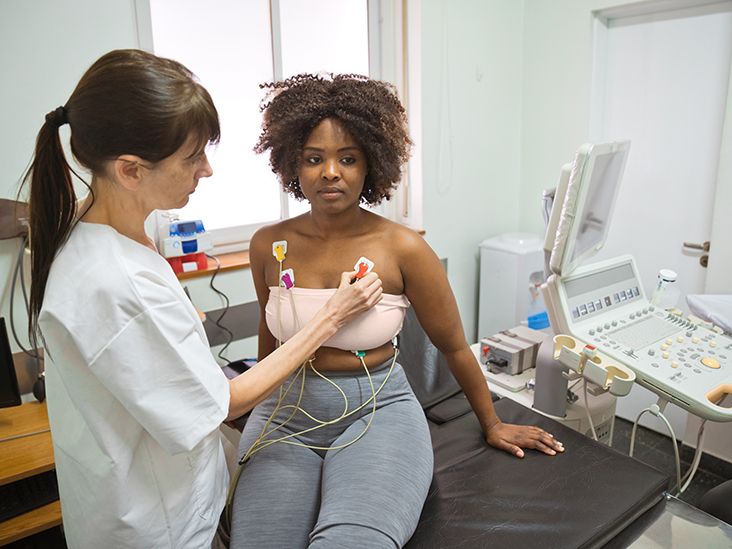
The Technological Core of a Stress Echo Test: Understanding the System
To fully appreciate the impact of clothing choices, it’s essential to grasp the core technological components at play during a stress echo. This procedure isn’t a single device but an integrated system designed to capture dynamic cardiac performance.
Ultrasound Imaging: Precision and Portability
The “echo” in stress echo refers to echocardiography, which utilizes high-frequency sound waves (ultrasound) to create real-time images of the heart’s chambers, valves, and blood flow. A handheld transducer, connected to a sophisticated processing unit, is applied to the chest to emit and receive these sound waves. This technology demands direct skin contact, or at least unimpeded access to the chest area, for the transducer to effectively transmit and capture acoustic data. Any physical barrier or interference can degrade image quality, obscure vital structures, and ultimately compromise the diagnostic yield. The precision of this imaging system relies heavily on a clear pathway for its acoustic signals.
ECG Monitoring: Real-time Electrical Data
Simultaneously, an electrocardiogram (ECG or EKG) system continuously monitors the heart’s electrical activity. Multiple electrodes are strategically placed on the chest, arms, and legs, connected via leads to an ECG machine. This technology captures the nuanced electrical impulses that coordinate heartbeats, providing critical data on rhythm, rate, and potential ischemia. For accurate readings, the electrodes must maintain consistent, secure contact with the skin. Loose clothing, certain fabrics, or metallic adornments can create signal interference (artifacts) or dislodge electrodes, interrupting the continuous stream of vital electrical data that the system is designed to acquire.
Exercise Modalities: Ergonomics and Data Capture
The “stress” component of the test typically involves a treadmill or stationary bicycle, which are specialized pieces of exercise equipment designed to progressively increase cardiovascular workload. These machines are not just for physical exertion; they are instrumented to maintain precise, reproducible exercise protocols, often integrated with the ECG system to correlate physical activity levels with cardiac responses. The ergonomics of interaction with this equipment—from maintaining balance on a treadmill to pedaling efficiently on a bike—are crucial. Patient comfort and freedom of movement directly impact the ability to achieve the target heart rate, which is a key parameter for the diagnostic system to assess the heart’s stress response. Improper footwear or restrictive clothing can hinder this interaction, limiting the system’s ability to gather a full spectrum of stress-induced physiological data.
Attire as an Interface: Enhancing Diagnostic Efficacy
Considering the technological ecosystem of a stress echo, patient attire transforms from a simple personal choice into a critical interface element. Strategic clothing choices directly enhance the efficacy of the diagnostic process.
Fabric Choices for Unimpeded Imaging and Monitoring
The selection of fabric is paramount for maximizing the performance of both ultrasound and ECG technologies. Loose-fitting, soft, and lightweight clothing made from natural fibers or breathable synthetics (like athletic wear) is ideal. These materials allow for easy adjustment, permitting the sonographer unobstructed access to the chest for transducer placement. Tightly woven or heavy fabrics can create a “drag” effect, hindering the smooth movement of the ultrasound probe across the skin, potentially leading to suboptimal image acquisition.
For ECG monitoring, the absence of metallic elements is crucial. Zippers, buttons, underwire bras, or jewelry made of metal can act as electrical conductors, introducing noise or artifacts into the ECG signal. This interference can mimic abnormal heart rhythms or obscure genuine electrical changes, rendering the data less reliable and potentially requiring repeat testing. Therefore, clothing devoid of metal components directly supports the integrity of the electrical monitoring system. Opting for non-metallic fasteners and removing all jewelry before the test are simple yet effective ways to ensure clean data capture.
Footwear for Secure Exercise Protocols

Appropriate footwear is not merely a comfort consideration; it’s a safety and performance requirement for the exercise component of the stress echo. Athletic shoes with good grip and support are essential for stable interaction with the treadmill or stationary bike. Slippery soles, loose-fitting shoes, or footwear without adequate cushioning can compromise balance and increase the risk of falls, thereby interrupting the precisely timed exercise protocol.
Furthermore, proper athletic shoes enable the patient to exert themselves effectively and safely to reach the target heart rate. This physical exertion is a controlled part of the diagnostic system, designed to reveal how the heart functions under stress. Footwear that hinders this exertion or causes discomfort prematurely can prevent the patient from reaching the necessary physiological state for a complete and accurate diagnostic assessment by the integrated monitoring technologies.
Accessibility and Modesty: Streamlining Tech Application
The practical application of diagnostic technology demands accessibility. Clothing that can be easily removed or adjusted—such as a two-piece outfit (shorts/sweatpants and a t-shirt/sports bra)—significantly streamlines the preparation process. This allows medical staff to efficiently place ECG electrodes and position the ultrasound transducer without undue delays or compromising patient modesty. A seamless setup process reduces pre-test anxiety and ensures that the technological components can be applied quickly and correctly, minimizing the overall time spent in the clinical setting and enhancing the efficiency of the diagnostic workflow.
The Patient as a Data Node: Comfort and Compliance
Beyond facilitating equipment function, appropriate attire optimizes the patient’s role as a biological data node within the stress echo system. Comfort and compliance directly influence the quality of the physiological data gathered.
Maintaining Physiological Stability for Accurate Readings
Comfortable, breathable clothing helps maintain a stable body temperature throughout the test, particularly during the exercise phase when core temperature can rise. Overheating or excessive sweating due to restrictive or non-breathable fabrics can introduce physiological stressors independent of the exercise protocol, potentially confounding the cardiovascular responses being measured by the ECG and blood pressure monitoring systems. By minimizing these external variables, appropriate attire helps ensure that the physiological data collected accurately reflects the heart’s response to the controlled exercise stress, rather than discomfort or thermal dysregulation.
Minimizing Artifacts: The Silent Interruption to Data Quality
Artifacts are unwanted signals that interfere with the clear interpretation of diagnostic data. Beyond metallic interference with ECGs, tight clothing can restrict breathing or chest wall movement, potentially affecting lung sounds or creating movement artifacts on ultrasound images. Similarly, certain synthetic fabrics can generate static electricity, which, though rare, could theoretically introduce subtle noise. By choosing loose, non-restrictive garments made of natural, breathable materials, patients actively contribute to minimizing these silent interruptions, ensuring the clarity and reliability of the data streamed from their body to the diagnostic systems. This enhances the signal-to-noise ratio, a critical metric in data quality assessment.
Smart Attire for Smart Diagnostics: A Forward Look
As medical technology continues to evolve, the intersection of personal attire and clinical diagnostics is becoming even more pronounced, hinting at a future where clothing might play an even more integrated role.
Integrating Wearables and Diagnostic Preparation
Today, many individuals wear personal technology such as smartwatches, fitness trackers, and continuous glucose monitors. While these devices offer valuable personal health data, they typically need to be removed or temporarily deactivated during a stress echo. Their electrical components or physical presence can interfere with clinical diagnostic equipment. Understanding how to prepare by removing these personal tech items is part of optimizing the patient-tech interface with the clinical system. The insight gained from personal wearables can sometimes inform the clinical context, but during the actual test, clinical equipment takes precedence, demanding a clear field.

The Future of “Smart” Medical Garments
Looking ahead, the concept of “what to wear” for a diagnostic test might shift dramatically with the advent of smart textiles and medical-grade wearable technology. Imagine garments embedded with advanced biosensors that can non-invasively monitor vital signs, ECG, or even localized cardiac function with clinical precision. These future “smart” medical garments could potentially streamline diagnostic procedures, reduce the need for external electrodes or transducers, and provide continuous, high-fidelity data streams directly to diagnostic platforms. In such a future, the “clothing” itself would be an integral part of the diagnostic technology, blurring the lines between what is worn and what is measured, promising an even more seamless and patient-friendly interaction with advanced medical diagnostics. For now, selecting simple, tech-friendly attire remains the most effective strategy for an accurate and comfortable stress echo experience.
aViewFromTheCave is a participant in the Amazon Services LLC Associates Program, an affiliate advertising program designed to provide a means for sites to earn advertising fees by advertising and linking to Amazon.com. Amazon, the Amazon logo, AmazonSupply, and the AmazonSupply logo are trademarks of Amazon.com, Inc. or its affiliates. As an Amazon Associate we earn affiliate commissions from qualifying purchases.