
Embarking on a cruise is often hailed as a pinnacle of relaxation, adventure, and value. The allure of waking up to a new vista each day, with all your needs seemingly catered for, is undeniably appealing. However, before you set sail on that dream voyage, a critical question inevitably arises: “How much is a cruise ticket?” The answer, while seemingly straightforward, is anything but. It’s a complex tapestry woven from base fares, taxes, gratuities, cabin choices, destinations, and a myriad of optional extras that can significantly alter your total expenditure. Understanding the true cost of a cruise ticket requires a deeper dive than just glancing at the advertised price. This article will unravel the financial layers of cruise travel, empowering you to budget wisely and ensure your maritime adventure is as financially smooth as it is enjoyable.
Deconstructing the Base Fare: What’s Included (and What’s Not)?
At first glance, cruise advertisements often showcase attractive per-person prices that seem incredibly reasonable for a week-long vacation. However, these figures typically represent the base fare, and understanding what this foundation includes – and more importantly, excludes – is the first step in decoding the true cost.
The “All-Inclusive” Myth vs. Reality
Many people are drawn to cruises by the promise of an “all-inclusive” experience. While cruises certainly offer significant value compared to land-based vacations, the term “all-inclusive” on a cruise ship is often used with a degree of artistic license. The base fare typically covers your accommodation (your chosen cabin), most meals in the main dining rooms and buffet restaurants, and access to a wide array of onboard entertainment, including Broadway-style shows, live music, pools, hot tubs, and often a gym. Essentially, your sleeping arrangements, sustenance, and basic amusement are covered.
However, the reality is that many desirable elements are considered “extras.” Standard beverages usually include tap water, iced tea, basic coffee, and some juices at breakfast. Alcoholic drinks, specialty coffees, and bottled water are almost always additional. Furthermore, while there are numerous complimentary dining options, most ships also feature specialty restaurants that offer enhanced culinary experiences for an additional charge. Understanding this distinction is crucial for setting realistic expectations and budgeting accurately.
Taxes, Fees, and Port Charges (TFP): The Unavoidable Add-ons
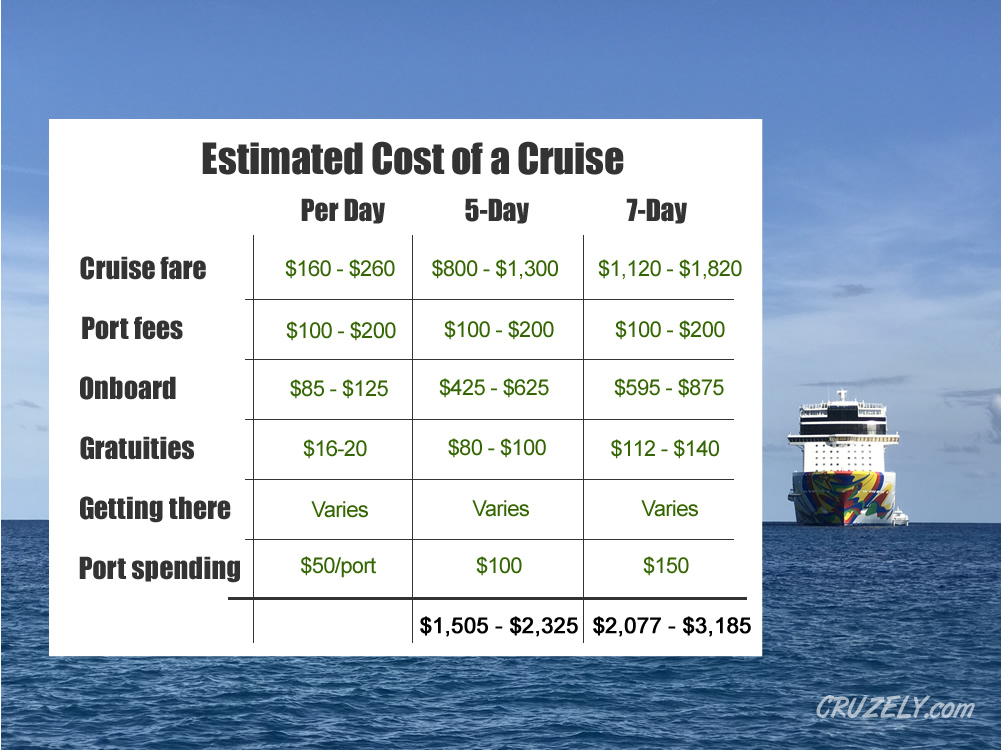
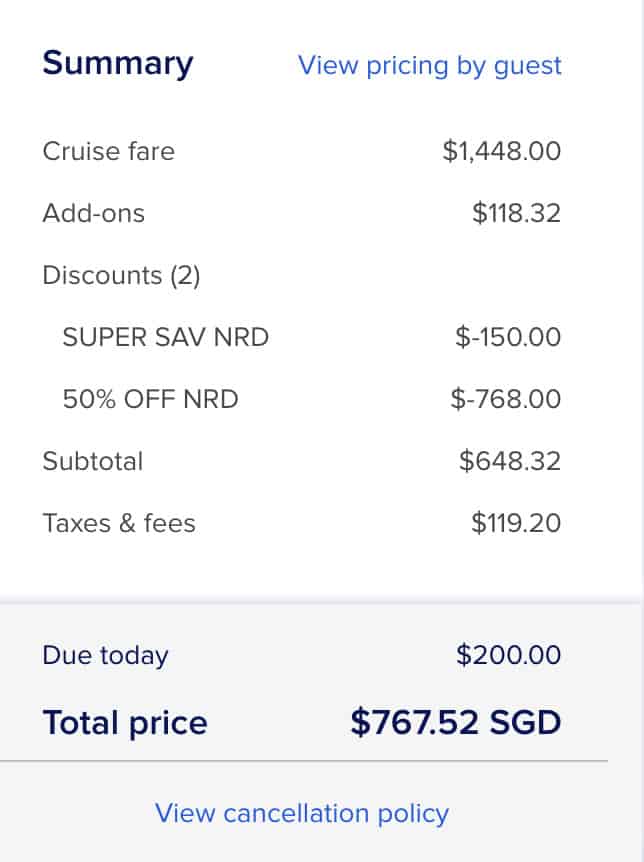
One of the most significant and often overlooked components of a cruise ticket’s total cost comprises taxes, fees, and port charges (TFP). These are mandatory government and port authority levies that are added on top of the advertised base fare. They are not negotiable and can sometimes add hundreds of dollars per person to your bill, depending on the itinerary, number of ports visited, and the duration of the cruise.
These charges cover a range of expenses, from customs and immigration fees to port usage fees levied by the cities and countries your ship visits. While cruise lines are required to disclose these charges, they are frequently presented as a separate line item rather than being fully integrated into the headline price. Always factor these into your initial budget calculations; they are a guaranteed expense you cannot avoid.
Gratuities/Service Charges: Budgeting for Staff Appreciation
Another universally applied charge on most cruise lines is gratuities, also known as service charges. These are intended to compensate the hard-working crew members—from your cabin steward to the dining room staff and behind-the-scenes personnel—who ensure your voyage is enjoyable. Gratuities are typically charged per person, per day, and can range from $14 to $20, depending on the cruise line and cabin category (suites often have higher rates).
While some cruise lines allow you to adjust or remove gratuities in exceptional circumstances, they are generally considered mandatory and are automatically added to your onboard account. Many passengers opt to pre-pay their gratuities when booking, which locks in the rate and means one less thing to worry about on their final bill. Budgeting for these in advance is essential; for a seven-day cruise, these charges alone can add $100-$140 per person.
Factors Influencing Cruise Ticket Prices
The advertised price of a cruise ticket is not static; it’s a dynamic figure that fluctuates based on a multitude of variables. Understanding these factors is key to finding the best value and timing your booking strategically.
Destination and Itinerary Length
The “where” and “how long” of your cruise are primary price determinants. Popular destinations like the Caribbean tend to be more competitive and thus can offer lower price points, especially for shorter itineraries. Exotic destinations such as Antarctica, the Galápagos, or extended world cruises naturally command a premium due to their unique offerings, longer duration, and logistical complexities. Similarly, a short 3-4 night “sampler” cruise will be significantly less expensive than a 7-night or 14-night voyage, even if the daily rate is sometimes higher on shorter trips due to fixed overheads.
Cabin Category and Deck Location
Your choice of cabin is perhaps the most direct influencer of the base fare.
- Inside cabins: These windowless rooms are the most economical option, perfect for budget-conscious travelers who plan to spend most of their time exploring the ship.
- Oceanview cabins: Offering a window or porthole to the sea, these are a step up in price, providing natural light and a sense of connection to the outside world without a private outdoor space.
- Balcony cabins: These are often the most popular choice, providing a private veranda where you can enjoy fresh air and scenic views. They come with a significant price bump over oceanview rooms.
- Suites: Ranging from junior suites to opulent multi-room accommodations, these offer more space, enhanced amenities, and often exclusive perks like concierge services, priority boarding, and access to private lounges or dining areas. Suites represent the highest tier of pricing.
The deck location can also play a role, with cabins on higher decks or those more centrally located sometimes commanding a slightly higher price within the same category due to convenience or perceived prestige.
Cruise Line and Ship
The cruise industry is diverse, featuring everything from budget-friendly lines to ultra-luxury experiences.
- Mainstream lines like Carnival, Royal Caribbean, and Norwegian Cruise Line offer a wide range of itineraries and amenities at competitive price points, appealing to families and those seeking a lively atmosphere.
- Premium lines such as Celebrity Cruises or Holland America Line typically offer a more refined experience, often with a slightly higher price point that includes elevated dining and service.
- Luxury lines like Regent Seven Seas, Silversea, and Seabourn include almost everything in their fares—fine dining, premium beverages, gratuities, and even some shore excursions—but their initial ticket prices are substantially higher.
- Newer ships with cutting-edge features and attractions often debut with higher prices than older vessels within the same fleet. As ships age, or after refurbishments, their pricing might adjust.
The brand and the specific ship you choose will significantly shape both your experience and your financial outlay.
Time of Year and Booking Window
Seasonality plays a massive role in cruise pricing.
- Peak season: Popular times like summer, spring break, and major holidays (Christmas, New Year’s) see the highest demand and, consequently, the highest prices. Tropical destinations like the Caribbean are also more expensive during their dry season.
- Shoulder season: The periods immediately before or after peak season (e.g., late spring, early fall) often offer a sweet spot of pleasant weather and lower prices.
- Off-season: Cruising during hurricane season in the Caribbean or in colder months for certain destinations can yield significant savings, albeit with potential weather risks.
The booking window is also critical. Generally, booking early (6-12 months in advance) often secures the best cabin selection and sometimes early-bird discounts or added perks. Conversely, last-minute deals can emerge if a cruise hasn’t filled, but these typically come with limited cabin choices and may not be suitable for groups. Waiting too long for popular itineraries can mean higher prices as demand increases.
Beyond the Base Fare: Essential Onboard and Offshore Expenses
While the base fare, taxes, and gratuities form the backbone of your cruise cost, truly budgeting for your voyage means accounting for the array of additional expenses that will arise both on and off the ship. Neglecting these can lead to significant overspending.
Drink Packages and Specialty Dining
For many, the cost of beverages on a cruise ship can be a surprising expense. Individual alcoholic drinks, sodas, specialty coffees, and bottled water can quickly add up. Most cruise lines offer drink packages that allow for unlimited beverages (within certain tiers) for a daily fee. These can range from $60-$100+ per person, per day. Determining if a package is worthwhile requires an honest assessment of your consumption habits. If you plan to enjoy several cocktails, sodas, and specialty coffees daily, a package might offer savings.
Similarly, while main dining rooms are included, most ships boast several specialty restaurants that offer premium dining experiences—think steakhouses, Italian trattorias, or sushi bars—for an additional cover charge or à la carte pricing. These can range from $30 to $80+ per person per meal. If you envision enjoying a few gourmet dinners, budget accordingly.
Shore Excursions and Port Activities
When your ship docks, the opportunities for adventure begin, but these almost always come with a price tag. Shore excursions can be booked directly through the cruise line or independently through local tour operators. Cruise line excursions offer convenience, guaranteed return to the ship, and vetted guides, but they are often more expensive. Independent tours can be more budget-friendly and offer unique experiences but require more personal planning and responsibility. The cost of excursions varies wildly, from $50 for a simple bus tour to hundreds of dollars for unique adventures like scuba diving, helicopter tours, or private car services. It’s wise to research port activities and allocate a significant portion of your budget for these experiences.
Wi-Fi and Connectivity Packages
Staying connected at sea has become a necessity for many, but it comes at a premium. Satellite internet on cruise ships is notoriously expensive and often slower than land-based connections. Cruise lines offer various Wi-Fi packages, typically charged per device, per day, or by data usage. Prices can range from $15-$30+ per day for basic browsing to higher rates for streaming-capable packages. If digital detox is not an option, factor this into your daily expenses.
Spa Treatments, Retail Therapy, and Casino Fun
The onboard spa offers massages, facials, and other treatments for an extra charge, often comparable to high-end resort spas. The ship’s retail shops, while tax and duty-free, can entice with souvenirs, jewelry, and luxury goods. And for those who enjoy a flutter, the casino is a popular attraction. These are entirely discretionary expenses, but they can quickly inflate your total spending if not managed carefully. Setting a daily or weekly budget for “fun money” can help keep these impulse purchases in check.
Travel Insurance: A Non-Negotiable Investment
While not an onboard expense, travel insurance is a critical financial consideration for any cruise. Given the significant investment in a cruise vacation, travel insurance protects you against unforeseen circumstances such as trip cancellation, medical emergencies onboard or in foreign ports, lost luggage, or unexpected delays. Policies vary widely in coverage and cost, but neglecting insurance can leave you vulnerable to substantial financial loss if something goes awry. Consider it a non-negotiable part of your overall cruise budget.
Smart Strategies for Saving Money on Your Cruise
Cruising can be an incredibly cost-effective way to travel, especially if you employ smart strategies to maximize value and minimize unnecessary expenses.
Timing is Everything: Booking Smart
As discussed, the booking window is paramount. Booking well in advance (6-18 months for popular itineraries) often provides the best choice of cabins and early-bird discounts. Conversely, if you have flexibility and can depart at short notice, last-minute deals can occasionally offer significant savings, especially during shoulder seasons. Avoiding peak seasons and holidays is a straightforward way to reduce base fares. Consider repositioning cruises (one-way voyages when ships move between regions, e.g., from the Caribbean to Europe) as they often offer excellent per-day value, though they require different flight arrangements.
Loyalty Programs and Travel Agents
If you enjoy cruising, joining cruise line loyalty programs can unlock exclusive benefits, discounts, and even onboard credit for future sailings. The perks often increase with the number of cruises taken.
Utilizing a knowledgeable travel agent can also be a significant advantage. Travel agents often have access to group rates, exclusive promotions, and can sometimes offer added perks like onboard credit or free gratuities that you wouldn’t find booking directly. Their expertise can also guide you to the best value for your specific needs.
Understanding Promotions and Bundles
Cruise lines frequently offer promotions such as “free at sea” (Norwegian Cruise Line), “drinks and Wi-Fi included” (Celebrity), or “Kids Sail Free.” These bundled perks can significantly enhance the value of your ticket by including items that would otherwise be separate expenses. Always calculate if these bundled offers truly save you money compared to a cheaper base fare where you pay for extras à la carte. Sometimes a “free drinks” package might seem great, but if you’re not a heavy drinker, a lower base fare might be better.
Considering Repositioning Cruises and Shorter Itineraries
As mentioned, repositioning cruises offer a unique and often very economical way to travel, covering long distances with fewer port stops but at a lower per-day cost. Shorter itineraries (3-5 nights) can also be a great way to experience a cruise without a large financial commitment, though as noted earlier, their daily rate can sometimes be higher. They are ideal for first-time cruisers or those looking for a quick getaway.
Budgeting for Onboard Spending
The most effective way to control your total cruise cost is to budget diligently for onboard spending. Before you embark, create a realistic spending plan for drinks, specialty dining, excursions, souvenirs, and anything else you anticipate purchasing. Many cruise lines allow you to link a credit card to your onboard account. Review your statement periodically to track spending and avoid surprises on the final bill. Stick to your budget, and don’t be swayed by every tempting offer.
Calculating Your Total Cruise Budget: A Practical Approach
The journey to understanding “how much is a cruise ticket” culminates in a comprehensive budget that encompasses every potential cost, leaving no financial stone unturned.
Creating a Comprehensive Pre-Cruise Checklist
Before you even book, start a spreadsheet or detailed list. Include:
- Base Fare: The advertised price.
- Taxes, Fees, & Port Charges: The mandatory additions.
- Gratuities: Pre-paid or daily charge.
- Flights: To and from the embarkation/disembarkation port.
- Pre/Post-Cruise Accommodation: If flying in a day early or staying a day late.
- Airport Transfers: To and from the port.
- Travel Insurance: Your safety net.
- Drink Packages/Specialty Dining: If opting for these.
- Shore Excursions: An estimated cost for port activities.
- Wi-Fi Package: If needed.
- Miscellaneous Spending: A buffer for souvenirs, casino, spa, unplanned treats.
- Passport/Visa Costs: If applicable for your destination.
- Packing Essentials: Sunscreen, appropriate attire, medications.
By meticulously listing these, you get a holistic view of your financial commitment.
Setting Realistic Expectations
The key to a financially stress-free cruise is setting realistic expectations. The headline price is almost never the final price. Embrace the fact that additional costs are inherent to the experience. By understanding the inclusions and exclusions, researching potential add-ons, and proactively budgeting for every anticipated expense, you empower yourself to make informed decisions. Don’t be swayed by the initial low number; instead, focus on the comprehensive total that will allow you to enjoy every aspect of your cruise without financial anxiety.
In conclusion, “how much is a cruise ticket” is a question with a multi-faceted answer. It’s an investment that offers incredible value, combining accommodation, dining, entertainment, and transportation into one package. However, discerning the true cost requires diligent research, careful budgeting, and an understanding of the myriad factors that influence the final price tag. By adopting a professional, insightful, and proactive approach to your financial planning, you can transform the dream of a cruise into an affordable reality, ensuring a voyage that’s as enriching for your wallet as it is for your spirit.
aViewFromTheCave is a participant in the Amazon Services LLC Associates Program, an affiliate advertising program designed to provide a means for sites to earn advertising fees by advertising and linking to Amazon.com. Amazon, the Amazon logo, AmazonSupply, and the AmazonSupply logo are trademarks of Amazon.com, Inc. or its affiliates. As an Amazon Associate we earn affiliate commissions from qualifying purchases.