
Defining Your Personal Brand for the Broadway Experience
Attending a Broadway show is more than just an evening of entertainment; it’s a curated experience, an opportunity for social engagement, and a moment to subtly reinforce or evolve your personal brand. In a world increasingly focused on digital presence, the in-person presentation remains a critical component of how you are perceived. Your attire for a Broadway show is a powerful non-verbal statement, communicating professionalism, respect for the occasion, and an understanding of social nuances. It’s about projecting an image that is authentic to you while also fitting the context of a revered cultural institution.

The Role of Attire in Non-Verbal Communication
Long before you utter a single word, your clothing speaks volumes. For a Broadway show, your choice of attire can signal your level of engagement, your personal aesthetic, and your understanding of the event’s prestige. A well-chosen outfit projects confidence and an appreciation for the art form, subtly aligning you with a demographic that values culture and presentation. Conversely, an outfit perceived as overly casual or inappropriate can inadvertently convey a lack of seriousness or disregard for the occasion, potentially impacting how you are perceived by fellow theatergoers and industry professionals who might also be in attendance. Every element, from the fabric texture to the color palette, contributes to a comprehensive narrative about who you are and what you value.
Aligning Your Look with Your Aspirations
Your personal brand should be a consistent narrative across all platforms and interactions, including your in-person appearances. When selecting your Broadway ensemble, consider what message you want to convey about yourself. Are you aiming for an image of sophisticated elegance, creative flair, or understated chic? Your clothing choices should strategically align with these aspirational brand attributes. For instance, if your personal brand leans towards classic professionalism, a tailored suit or a sophisticated cocktail dress might be the perfect choice. If creativity and individuality are central to your brand, you might opt for a unique accessory or a distinctive silhouette that still maintains an air of theatrical appropriate-ness. This intentional alignment ensures that your physical presence reinforces the brand identity you’ve meticulously cultivated.
Understanding Broadway’s Brand Identity
Broadway itself possesses a distinct brand identity—one that conjures images of theatrical grandeur, artistic excellence, and a touch of old-world glamour. While the days of mandatory black tie might be largely in the past, the inherent prestige of a Broadway production still influences audience expectations regarding attire. Understanding this overarching brand, as well as the specific brand identity of individual shows and venues, is crucial for making informed styling decisions that enhance, rather than detract from, the overall experience.
From Glamour to Casual Chic: Deciphering the Dress Code Nuances
Broadway’s brand identity is not monolithic; it encompasses a spectrum. A gala opening night for a new musical will naturally command a more formal, glamorous approach than a weekday matinee of a long-running play. The “dress code” is often unstated but universally understood within the theater community. Historically, Broadway attire leaned towards formal evening wear, reflecting the event’s significance. Today, while cocktail attire (dresses, skirts, blazers, dress shirts, dress trousers) remains a strong and respected choice, the brand has evolved to embrace “smart casual” or “elevated casual” for many regular performances. This might include stylish dark jeans paired with a sophisticated top and blazer, or a chic jumpsuit. The key is to avoid overly casual wear such as athletic gear, t-shirts with large logos, or excessively distressed denim, which can clash with the aspirational brand image of the Broadway experience. The goal is to appear polished, respectful, and prepared for a special evening.
The Show’s Narrative as a Style Cue
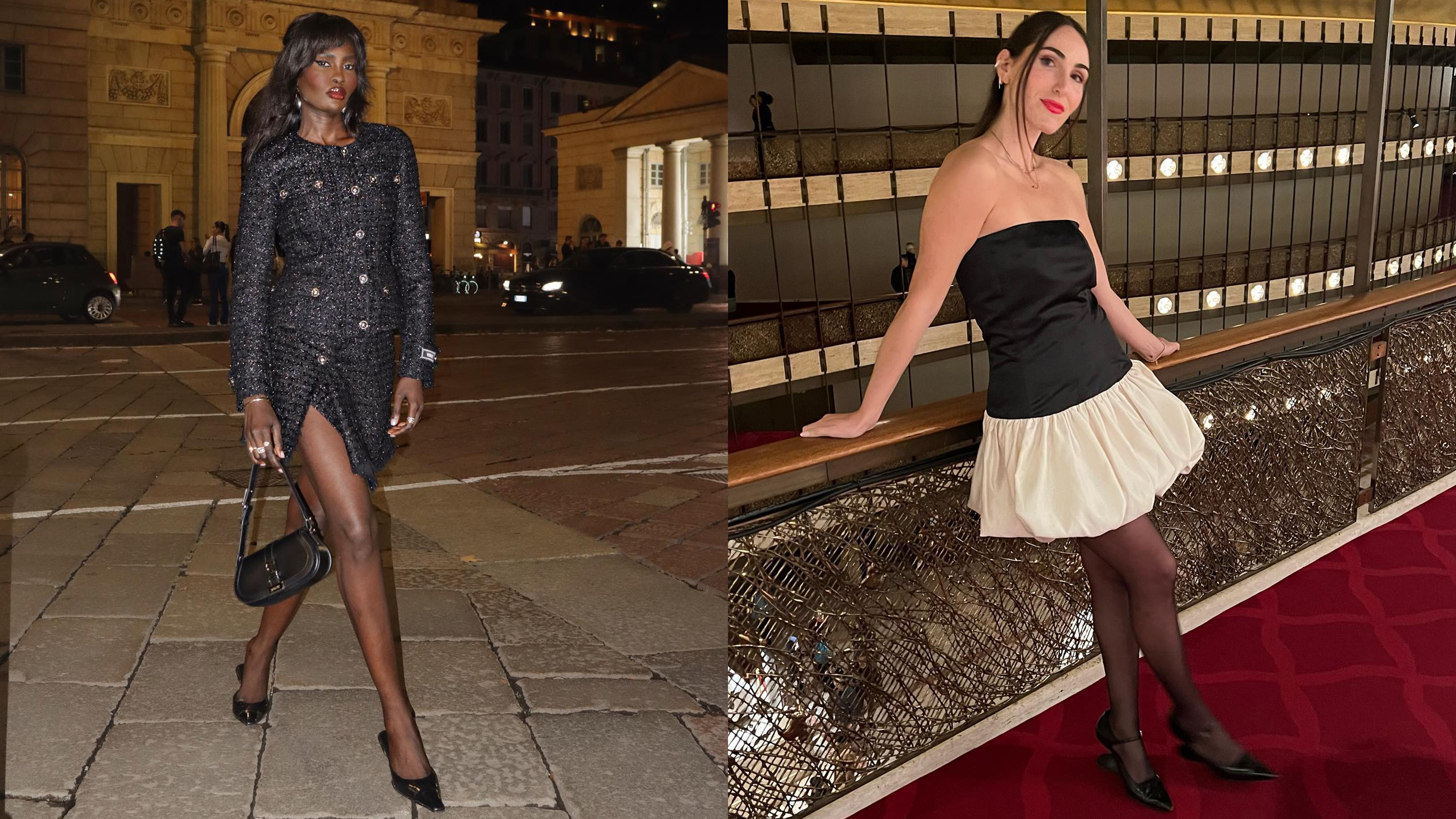
Beyond the general brand of Broadway, individual shows often carry their own distinct brand identity and narrative themes. These can serve as subtle, yet powerful, style cues. Attending a classic drama might inspire a more traditional, refined look, echoing the timelessness of the play. A contemporary, high-energy musical could invite a slightly more modern, vibrant, or even playful touch to your ensemble, perhaps through color or unique accessories, without venturing into costume territory. For example, if you’re seeing “Hamilton,” you might consider incorporating elements that nod to revolutionary-era fashion in a modern way—perhaps a rich jewel tone or a tailored jacket with a distinctive lapel. This subtle homage demonstrates an awareness of the show’s brand and an appreciation for its thematic elements, showcasing a deeper engagement with the experience.
Strategic Styling: Marketing Yourself in a Social Setting
Your attire for a Broadway show is not just about personal expression; it’s a strategic tool for social interaction and marketing your personal brand within a dynamic environment. Broadway lobbies, intermissions, and post-show gatherings are often fertile grounds for networking, impromptu conversations, and making memorable impressions. Your sartorial choices can either open doors to these interactions or inadvertently create barriers.
Curating an Ensemble for Impact and Comfort
The most effective brand presentation combines impact with practicality. While you want your outfit to make a positive impression, it must also allow for comfort during the show itself. Theater seats can be snug, and intermissions involve standing and mingling. An outfit that is too restrictive, uncomfortable, or prone to wrinkling can detract from your ability to fully enjoy the experience and engage effectively. Focus on well-fitting garments made from quality fabrics that drape elegantly and offer a degree of flexibility. Consider layers for temperature control, as theaters can vary in climate. The goal is to exude an effortless sophistication that allows your personal brand to shine through, unburdened by wardrobe malfunctions or discomfort. Remember that your appearance extends beyond clothing to include well-groomed hair, appropriate makeup, and polished footwear, all of which contribute to a cohesive and impactful brand image.
Post-Show Engagements: Maintaining Your Image
The Broadway experience often extends beyond the final curtain call, with opportunities for drinks, dinner, or even meeting cast members at the stage door. Your chosen attire needs to seamlessly transition into these post-show engagements, maintaining the integrity of your personal brand. An outfit that was perfect for the theater but feels out of place in a more casual post-show setting can create a disjointed brand image. Opt for versatility. A classic blazer paired with dress trousers or a versatile dress can easily adapt from the theater to a high-end restaurant or a casual bar. The key is to select pieces that are inherently adaptable, allowing you to sustain a polished and appropriate brand presence throughout the entire evening, solidifying the positive impressions made earlier.
Strategic Wardrobe Curation: Building a Brand Asset
Viewing your wardrobe as an investment in your personal brand fundamentally shifts how you approach clothing choices. For occasions like a Broadway show, selecting pieces that are timeless, versatile, and high-quality becomes a strategic decision, much like investing in any other brand asset. This approach ensures that your clothing not only serves a functional purpose but also consistently enhances and reinforces your desired personal brand identity over time.
The Power of Versatility and Timeless Pieces
A strategic wardrobe for special occasions like Broadway shows prioritizes versatility and timelessness. Instead of chasing fleeting trends, focus on classic silhouettes, neutral colors, and quality fabrics that will remain stylish for years. A well-tailored blazer, a little black dress (or dark suit), sophisticated separates, and quality dress shoes are foundational brand assets. These pieces can be mixed and matched to create numerous polished ensembles, each projecting a consistent image of professionalism and refinement. By investing in these core items, you build a wardrobe that reliably supports your personal brand for a range of elevated social and cultural events, including various Broadway experiences. This reduces the need for last-minute, trend-driven purchases that might quickly become outdated and less effective for brand building.

Accessory Selection: The Finishing Touch to Your Brand Statement
Accessories are often underestimated in their power to define and elevate a personal brand. For a Broadway show, carefully chosen accessories can be the finishing touch that transforms an outfit from merely appropriate to truly impactful. A distinctive watch, elegant jewelry, a statement handbag, or a high-quality silk scarf can add personality, sophistication, and a touch of individuality to your ensemble. These aren’t just adornments; they are deliberate choices that underscore your attention to detail and your commitment to a fully realized brand image. They offer an opportunity to infuse your personal style and flair without overpowering the occasion. When selecting accessories, ensure they complement your overall look and align with the brand message you wish to convey, acting as subtle but effective enhancements to your overall presentation.
aViewFromTheCave is a participant in the Amazon Services LLC Associates Program, an affiliate advertising program designed to provide a means for sites to earn advertising fees by advertising and linking to Amazon.com. Amazon, the Amazon logo, AmazonSupply, and the AmazonSupply logo are trademarks of Amazon.com, Inc. or its affiliates. As an Amazon Associate we earn affiliate commissions from qualifying purchases.