
Attending a western-themed wedding extends beyond simply choosing an outfit; it presents a unique opportunity to strategically showcase and refine your personal brand. In an era where every social interaction contributes to your public perception, understanding how to align your sartorial choices with the event’s identity and your own desired image is paramount. This isn’t merely about fashion; it’s about visual communication, demonstrating respect for the hosts, and solidifying your brand’s adaptability and attention to detail.
The Wedding as a Personal Branding Platform
A wedding, particularly one with a distinct theme like “western,” functions as a high-visibility social event where your personal brand is under subtle, yet constant, evaluation. Your attire, more than any verbal introduction, becomes your initial brand statement. It communicates your understanding of social cues, your appreciation for the occasion’s specific aesthetic, and your capacity to integrate gracefully into various social contexts.
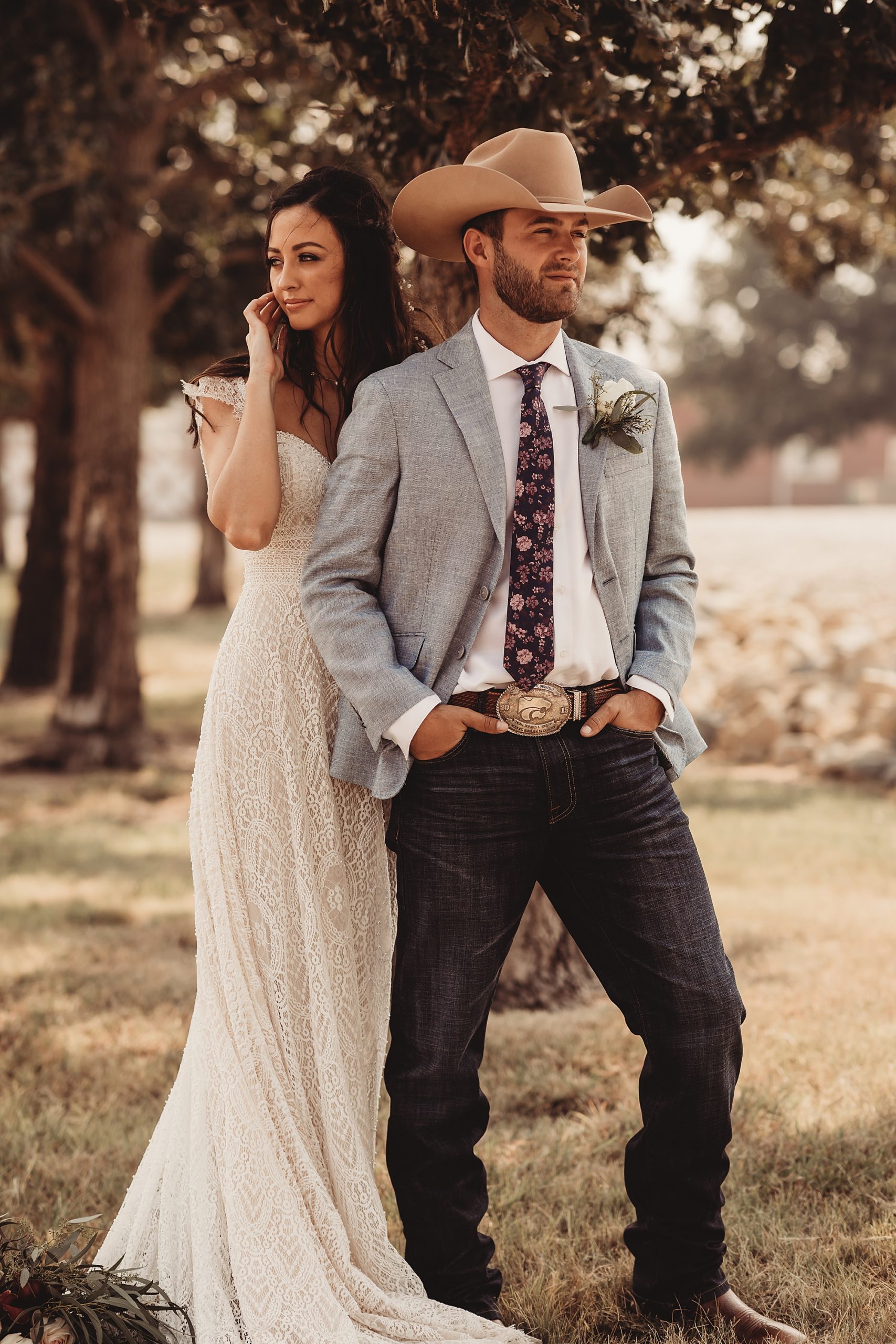
Understanding the Event’s Core Identity
Before selecting a single garment, a critical first step in your personal branding strategy is to thoroughly understand the wedding’s specific “brand identity.” Is it a rustic ranch affair, a refined country chic gathering, or a full-blown rodeo-inspired celebration? The invitation itself often serves as the primary brief, conveying the desired tone and formality. Look for keywords such as “cocktail western,” “casual ranch attire,” or “black-tie cowboy.” Each phrase signals a different level of formality and dictates the parameters within which your personal brand can express itself. Misinterpreting this core identity can lead to a brand misalignment, potentially conveying disrespect or a lack of social awareness.
Aligning Your Personal Brand with the Theme
Once the event’s identity is clear, the challenge lies in aligning it with your own personal brand without sacrificing authenticity. Your goal is not to adopt a costume, but to integrate elements of the western theme into your established brand narrative. If your personal brand leans towards sophisticated elegance, consider how you can incorporate western motifs with elevated fabrics and tailored silhouettes. If your brand is more avant-garde, explore contemporary interpretations of western wear. The key is to find the intersection where the theme enhances your brand, rather than overshadowing it. This strategic alignment demonstrates versatility and a keen understanding of context, both valuable attributes for any strong personal brand.
Deconstructing the Western Aesthetic for Brand Integration
The western aesthetic is rich with iconic elements, each carrying its own connotations and potential for brand messaging. Strategic selection and combination of these elements are crucial for crafting an outfit that resonates with the theme while reinforcing your personal brand.
Key Elements of Western Design
Understanding the foundational components of western design is essential for effective brand integration. This includes materials like denim, leather, suede, and cotton; patterns such as plaid, bandana prints, and tribal motifs; and iconic silhouettes like cowboy boots, hats, and pearl-snap shirts. Each element, when chosen thoughtfully, contributes to the overall brand narrative you wish to project. For instance, a well-fitted denim shirt can convey approachable ruggedness, while a finely crafted leather belt with an ornate buckle can suggest an appreciation for heritage and quality craftsmanship.
Authenticity vs. Caricature: Protecting Your Brand’s Integrity
One of the most significant risks in themed dressing is veering into caricature, which can undermine the integrity of your personal brand. An outfit that appears too theatrical or costume-like can suggest a lack of seriousness or a misunderstanding of the event’s nuanced brand identity. To avoid this, focus on incorporating key western elements in a balanced and refined manner. For example, instead of donning a full rodeo clown ensemble, select one or two statement pieces—a quality hat, a distinctive pair of boots—and build the rest of your outfit around a more contemporary or semi-formal base. Your objective is to convey an understanding and appreciation of the western theme, not to perform it. This careful curation protects your brand’s image as sophisticated and discerning.
Color Palettes and Material Choices as Brand Statements
The visual impact of your attire is heavily influenced by color and material. In western aesthetics, earthy tones—browns, tans, deep reds, forest greens, and denim blues—are predominant. Choosing these colors strategically can ground your personal brand within the theme. However, incorporating subtle pops of color that align with your personal brand palette can create distinction. Similarly, material choices speak volumes:
- Leather and Suede: Convey robustness, quality, and a classic western sensibility. A well-chosen leather jacket or suede vest can elevate your brand’s perceived value.
- Denim: Signals approachability and casual elegance. The cut and wash of denim can differentiate between rugged and refined brand statements.
- Cotton and Linen: Offer comfort and a relaxed, natural feel, suitable for a more laid-back brand projection.
By consciously selecting colors and materials, you reinforce specific attributes of your personal brand, whether it’s grounded reliability, understated luxury, or relaxed sophistication.
Executing Your Western Wedding Brand Strategy
With a clear understanding of the event’s brand identity and the western aesthetic, the next step is to execute your strategy through specific clothing and accessory choices. Each item should be a deliberate decision, contributing to your overall brand narrative.

Footwear: The Foundation of Your Brand Presence
For a western wedding, footwear is arguably the most crucial branding element. Quality cowboy or cowgirl boots are often expected and serve as a powerful signal of your commitment to the theme.
- Men: Opt for classic leather cowboy boots, ensuring they are clean and well-maintained. The style can range from traditional to more modern interpretations, depending on your personal brand and the wedding’s formality. A polished pair of boots immediately elevates your brand’s attention to detail.
- Women: Cowgirl boots offer a wide range of styles, from intricate embroidery to sleek, minimalist designs. Consider comfort, especially for potential dancing. The height of the shaft and heel can also communicate different brand facets, from bold and confident to subtly chic.
Alternative footwear, such as dress shoes for men or elegant heels for women, should only be considered if the wedding explicitly states a “country chic” or “western formal” dress code where boots might be optional, and even then, chosen to complement other western-inspired elements of your outfit to maintain brand consistency.
Apparel: Communicating Your Brand Message
Your main garments are where your personal brand truly comes to life.
-
For Men:
- Shirts: A crisp, well-fitting button-down shirt is a versatile choice. Options include solid colors (white, light blue, earthy tones), subtle plaids, or a classic Western-style shirt with pearl snaps and yoke detailing. The shirt’s fabric and fit communicate professionalism and care for presentation.
- Pants/Jeans: Dark-wash, well-fitting jeans or chinos are often appropriate for a more casual western wedding. For a more formal event, consider tailored trousers in a rustic fabric like tweed or wool, perhaps in an earthy tone.
- Jackets/Vests: A sport coat, blazer, or a leather/suede jacket can add a layer of sophistication and complete your brand’s ensemble. A vest, particularly a tailored one, lends a classic western gentleman’s touch, signaling refinement.
-
For Women:
- Dresses/Skirts: Maxi dresses in floral prints, flowy fabrics, or solid earthy tones are excellent choices. Skirts paired with a stylish blouse (perhaps with subtle western detailing like embroidery or a ruffled neckline) also work well. The silhouette and fabric choice can convey femininity, confidence, or relaxed elegance—all aspects of your personal brand.
- Pants/Jumpsuits: Wide-leg pants in a luxurious fabric or a tailored western-inspired jumpsuit can offer a modern, sophisticated brand statement. Pair with appropriate accessories to maintain the theme.
- Outerwear: A denim jacket, a fringed suede jacket, or a tailored blazer can add layers and texture, allowing you to adapt your brand presentation to varying temperatures and social settings.
Accessories: Refining Your Brand’s Narrative
Accessories are the crucial finishing touches that can elevate your outfit and reinforce specific aspects of your personal brand.
- Hats: A well-chosen cowboy or fedora-style hat can be a powerful brand statement, but ensure it complements your face shape and the overall formality. A straw hat for daytime, felt for evening. Remember hat etiquette to avoid brand missteps.
- Belts: A quality leather belt with a distinctive buckle is quintessential. The buckle can be a subtle nod to western motifs or a bold, engraved piece, allowing you to express your individual brand personality.
- Jewelry: Turquoise, silver, or leather jewelry can add authentic western flair without being over-the-top. For women, layered necklaces or statement earrings can enhance a bohemian-western brand.
- Bolo Ties/Scarves: For men, a bolo tie can replace a traditional necktie for a distinct brand statement. For women, a bandana or silk scarf can be styled in various ways to add a touch of western charm.
Each accessory is an opportunity to refine your brand’s narrative, adding depth and personality to your visual communication.
The Impact of Your Attire on Your Personal Brand
Your choice of attire at a western wedding isn’t just about fitting in; it’s a strategic act of personal branding that carries significant impact.
Projecting Respect and Professionalism
Demonstrating an understanding of the wedding’s theme and making a genuine effort to adhere to it communicates respect for the couple and the occasion. This thoughtfulness reflects positively on your personal brand, portraying you as considerate, socially astute, and professional in your approach to social engagements. It shows you value the event and the relationship, bolstering your brand’s reputation for reliability and decorum.
Cultivating Memorability and Distinction
While adhering to the theme, your goal is also to make a memorable impression that aligns with your unique personal brand. By carefully selecting pieces that reflect your style while embracing the western aesthetic, you differentiate yourself. A well-executed, authentic, and polished western-themed outfit makes you stand out for the right reasons, reinforcing a personal brand that is both adaptable and distinctive. People will remember not just what you wore, but how you carried yourself and who you appeared to be.

Mitigating Brand Risks: Avoiding Missteps
Conversely, failing to dress appropriately for a themed wedding can pose significant brand risks. Appearing underdressed, overdressed (in the wrong way), or completely out of sync with the theme can communicate a lack of awareness, disrespect, or even a disregard for social norms. These missteps can subtly erode trust in your judgment and impact how your personal brand is perceived in future interactions. Therefore, investing time in strategic outfit planning is not just an aesthetic choice, but a proactive measure in safeguarding and enhancing your personal brand’s equity.
In conclusion, dressing for a western wedding is a strategic exercise in personal branding. By understanding the event’s identity, deconstructing the western aesthetic, and executing your choices with precision and thoughtful consideration for your own brand, you can craft an appearance that is not only appropriate but also powerful and authentically you.
aViewFromTheCave is a participant in the Amazon Services LLC Associates Program, an affiliate advertising program designed to provide a means for sites to earn advertising fees by advertising and linking to Amazon.com. Amazon, the Amazon logo, AmazonSupply, and the AmazonSupply logo are trademarks of Amazon.com, Inc. or its affiliates. As an Amazon Associate we earn affiliate commissions from qualifying purchases.