
Attending a conference is an investment—an investment of time, resources, and, crucially, your professional reputation. While the primary goal is often knowledge acquisition, networking, or business development, the silent language of your attire plays an indispensable role in achieving these objectives. Your wardrobe choices are not merely about personal preference; they are a powerful, non-verbal extension of your personal brand and, by proxy, your corporate identity. In a crowded room of professionals, what you wear communicates your respect for the occasion, your attention to detail, and your understanding of professional standards, all of which contribute to how effectively you market yourself and your value proposition.

The Power of First Impressions: Your Attire as a Brand Statement
Every interaction at a conference, from the coffee line to a keynote Q&A, is an opportunity to reinforce or redefine your professional image. Your clothing is the first piece of information you offer about yourself, forming an immediate impression before you even utter a word. This initial judgment shapes how receptive others are to your ideas, your pitch, or your networking overtures.
Non-Verbal Communication and Professional Perception
Psychological studies consistently show that appearance influences perception of competence, trustworthiness, and approachability. When you dress thoughtfully, you signal professionalism and seriousness about your role and your company. Conversely, an unkempt or inappropriately dressed individual can inadvertently detract from their message, regardless of its merit. Consider your attire a visual resume; it should highlight your strengths and align with the professional brand you wish to project. Are you aiming for innovative and cutting-edge, or established and reliable? Your clothes can subtly communicate these nuances.
Aligning with Conference Culture
Conferences often have an unspoken dress code that reflects the industry, the organizers, and the typical attendees. A tech summit might lean towards smart casual, fostering an environment of innovation and collaboration, while a financial services conference might necessitate business formal, emphasizing trust and gravitas. Failing to align with this cultural expectation can create a disconnect. It’s not about conforming blindly, but about demonstrating cultural intelligence and respect for the event’s professional ecosystem. Research the conference’s history, scope, and even its past attendees through social media to gauge the prevailing style and ensure your personal brand resonates with the overall event identity.
Deciphering Dress Codes: From Business Formal to Smart Casual
Understanding the nuances of various dress codes is fundamental to strategically planning your conference wardrobe. Each category carries a distinct brand message and evokes different perceptions.
Business Professional: Authority and Trust
This is the most formal end of the spectrum and typically applies to industries where gravitas, tradition, and trustworthiness are paramount, such as finance, law, or high-level corporate events.
- For Men: A dark suit (navy, charcoal, black), a crisp collared shirt (white or light blue), a conservative tie, polished leather dress shoes, and matching socks. A well-tailored suit conveys meticulousness and attention to detail—qualities highly valued in these sectors.
- For Women: A tailored suit (skirt suit or pant suit) in a conservative color, a professional blouse, closed-toe heels or professional flats, and minimal, elegant jewelry. The emphasis is on polished sophistication and understated power.
The brand message here is one of established authority, reliability, and serious intent. It communicates that you are a serious player, capable of handling significant responsibilities and making impactful decisions.
Business Casual: Approachability with Polish
Business casual strikes a balance between professional polish and relaxed comfort, making it a prevalent choice for many conferences, especially in tech, marketing, and general business sectors. It suggests accessibility without sacrificing professionalism.
- For Men: Blazers or sport coats, dress shirts (can be patterned), polo shirts, tailored trousers or dark wash jeans (if appropriate for the specific industry/conference), loafers or dress shoes. Ties are optional.
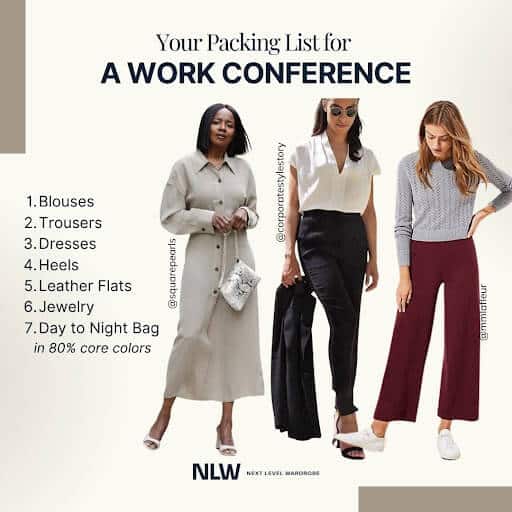
- For Women: Blazers, tailored blouses or professional knit tops, skirts (pencil or A-line), tailored trousers, professional dresses, smart flats, low heels, or stylish ankle boots.
This category projects a brand image that is professional yet approachable, signaling a readiness for collaboration and open dialogue. It’s about being presentable and serious about your work, but also ready to engage in dynamic conversations.
Smart Casual/Informal: Networking and Comfort
Sometimes a conference, especially one with a strong focus on innovation, creativity, or highly interactive workshops, might lean towards smart casual or even slightly informal. This requires careful interpretation to avoid appearing underdressed. The goal is to look stylish, comfortable, and contemporary, aligning with a brand that values creativity and forward-thinking.
- For Men: Dark, well-fitting jeans or chinos, stylish button-down shirts (can be untucked if tailored and neat), premium knitwear, blazers optional. Fashionable, clean sneakers or stylish boots.
- For Women: Stylish blouses or tops, smart trousers, fashionable skirts, professional-yet-trendy dresses, smart flats, clean fashion sneakers, or stylish boots.
The brand message here often emphasizes innovation, modern thinking, and an ability to connect on a more personal level. It suggests confidence in your abilities that doesn’t rely on rigid formality, portraying a more dynamic and accessible brand persona. However, “informal” should never mean sloppy; personal grooming and the quality of your garments remain paramount.
Industry-Specific Nuances
Always consider your specific industry. A marketing conference might allow for more creative expression and current fashion trends to showcase an innovative brand, whereas a cybersecurity conference might still lean towards more conservative business casual. Health conferences often balance professionalism with practical comfort for long hours. Tailor your interpretation of these dress codes to your industry’s brand identity.
Strategic Wardrobe Choices for Personal Branding
Beyond the general categories, specific choices in your clothing can further refine your personal brand message and distinguish you in a meaningful way.
Color Psychology and Brand Association
Colors evoke emotions and associations. Blues often convey trustworthiness and stability, grays signal sophistication and practicality, while darker shades (navy, charcoal) generally project authority. Brighter colors can communicate creativity and dynamism, but should be used strategically as accents to avoid overwhelming your core message. Consider the colors associated with your company’s brand, or the specific values you want to embody. A pop of a brand color in a tie, scarf, or accessory can subtly reinforce your affiliation and brand loyalty.
Accessories: Subtle Statements
Accessories are critical for refining your look and adding a personal touch that speaks volumes. A quality watch, an elegant scarf, tasteful jewelry, or a well-chosen pair of glasses can elevate an outfit and communicate attention to detail. However, avoid excessive or distracting accessories; they should complement, not overpower, your overall brand presentation. A stylish but functional bag for carrying notes, business cards, and a device also contributes to a polished image. Ensure your accessories are in good condition and reflect the level of professionalism you wish to project.
Comfort Meets Confidence
A crucial, yet often overlooked, aspect of conference attire is comfort. You will likely be on your feet for extended periods, sitting through long sessions, and navigating crowded venues. Uncomfortable shoes, ill-fitting clothes, or restrictive fabrics can detract from your focus, dampen your energy, and ultimately impact your ability to engage effectively. When you are physically comfortable, your confidence naturally shines through, allowing you to project an authentic and poised personal brand. Test your outfits for mobility and comfort beforehand. Confidence is your strongest accessory, and discomfort can be its biggest enemy.
Quality Over Quantity
Investing in a few high-quality, versatile pieces will serve your personal brand far better than a large wardrobe of lesser-quality items. Well-tailored garments made from good fabrics drape better, last longer, and present a more refined image. Quality clothing conveys a sense of investment in oneself and one’s career, reflecting a brand that values excellence and durability. These pieces can be mixed and matched to create multiple looks, maximizing their utility across various professional settings.
Maintaining Your Brand Image Throughout the Event
Your brand presentation extends beyond your initial outfit choice. Sustaining a polished image over several days requires foresight and diligent execution.
Packing Smart: Wrinkle-Free and Versatile
Plan your outfits day by day, considering the specific agenda for each. Pack wrinkle-resistant fabrics whenever possible. Rolling clothes can minimize creases. If staying in a hotel, utilize the iron or steamer, or hang clothes immediately upon arrival. Choose versatile pieces that can be dressed up or down with simple changes in accessories or by adding/removing a blazer. A capsule wardrobe approach can be highly effective for multi-day conferences. Ensure you have backup options for unforeseen spills or damage.
Grooming Essentials
Even the most expensive suit cannot compensate for poor grooming. Hair should be neat and styled, nails clean and trimmed, and makeup (if worn) subtle and professionally applied. Pay attention to details like fresh breath and well-maintained footwear. These elements are fundamental to a strong personal brand, indicating self-respect and attention to detail. Carrying a small emergency kit with stain remover, a lint roller, and basic toiletries can be a lifesaver for maintaining your impeccable image throughout the day.

The Follow-Up Factor
Your attire helps make that crucial first impression, but your lasting brand impression is solidified through your interactions and follow-up. Ensure your personal brand remains consistent from your initial handshake to your post-conference email. The confidence and credibility you project through your thoughtful appearance should be echoed in the quality of your conversations, the insightfulness of your questions, and the professionalism of your post-event communications. What you wear is the prologue; your actions and follow-through are the main narrative of your brand story.
aViewFromTheCave is a participant in the Amazon Services LLC Associates Program, an affiliate advertising program designed to provide a means for sites to earn advertising fees by advertising and linking to Amazon.com. Amazon, the Amazon logo, AmazonSupply, and the AmazonSupply logo are trademarks of Amazon.com, Inc. or its affiliates. As an Amazon Associate we earn affiliate commissions from qualifying purchases.