
The conclusion of “Mobile Suit Gundam: Char’s Counterattack” often leaves fans with a profound sense of accomplishment and, simultaneously, a yearning for more. This cinematic masterpiece, a pivotal moment in the Universal Century timeline, is more than just a space opera; it’s a complex narrative weaving together themes of leadership, ideological conflict, and the enduring human capacity for both destruction and redemption. For those who have just experienced Amuro Ray and Char Aznable’s final, titanic clash, the question naturally arises: where does one go next in the vast Gundam multiverse, or even within the established Universal Century narrative? This exploration delves into the technological, narrative, and thematic threads that “Char’s Counterattack” so expertly weaves, suggesting pathways for continued engagement with the Gundam saga and its impact on broader technological and societal discussions.
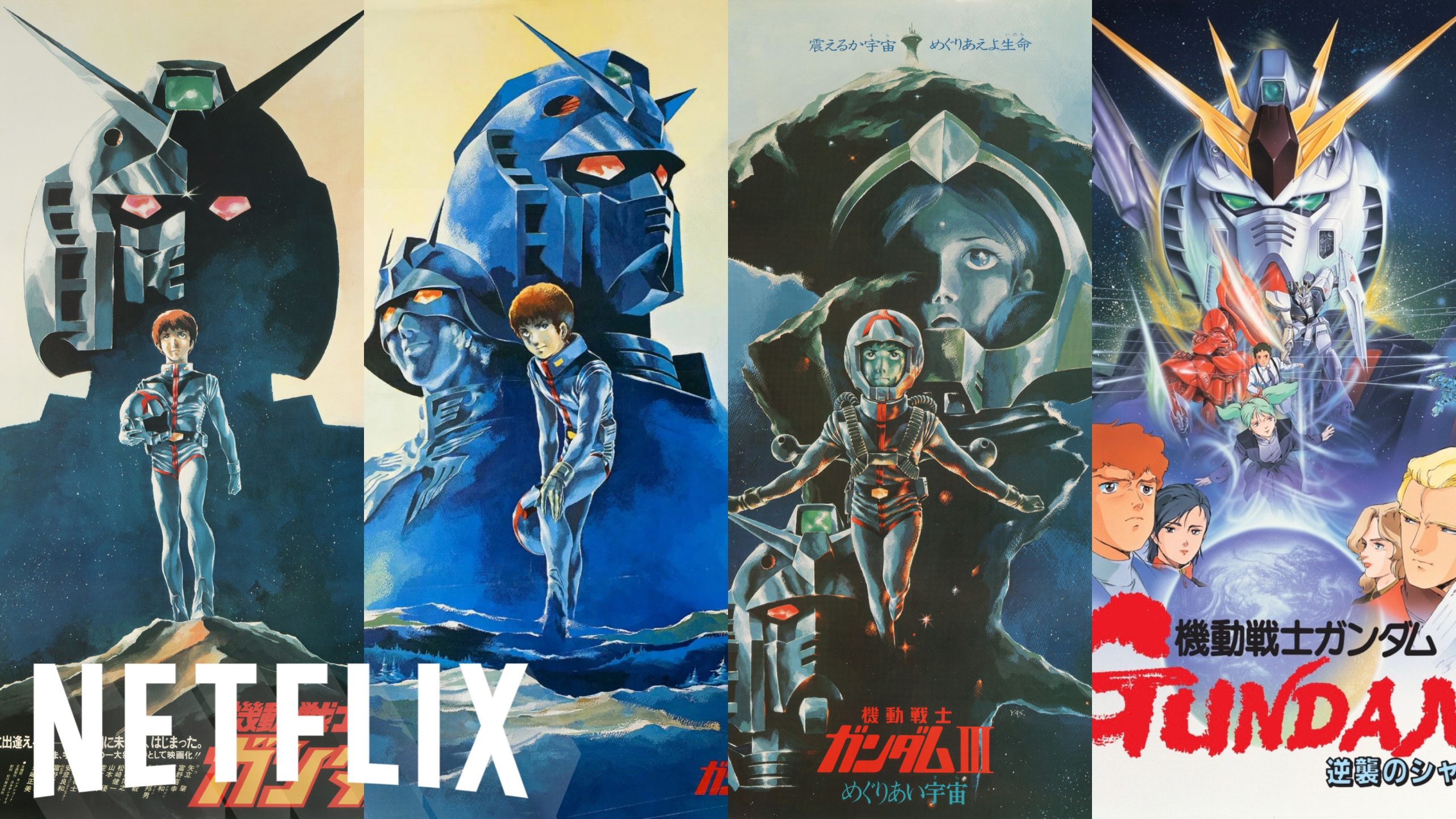
I. Deepening the Universal Century: The Direct Sequels and Spin-offs
“Char’s Counterattack” is not an isolated event; it’s a culmination and a springboard. To truly appreciate the gravity of the events witnessed, understanding the subsequent narratives within the Universal Century is paramount. These stories often build directly upon the foundations laid by Char’s final gambit, exploring the lingering societal shifts and the new technological frontiers that emerge in its wake.
A. The Aftermath: Navigating a New Era of Space Colonization
The immediate fallout of “Char’s Counterattack” is explored in the OVA series “Mobile Suit Gundam Unicorn.” Set approximately 13 years after the movie, “Unicorn” deals with the consequences of Neo Zeon’s defeat and the political machinations surrounding Laplace’s Box, a powerful artifact tied to the very origins of the Universal Century and the concept of Newtypes. This series offers a crucial look at how the advanced psycho-frame technology, prominently featured in “Char’s Counterattack,” evolves and is wielded in a new era. The focus on advanced AI and predictive combat systems, subtly hinted at in “Char’s Counterattack,” becomes a central theme as mobile suits become increasingly sophisticated and integrated with their pilots’ cognitive functions. The exploration of enhanced human potential, a cornerstone of the Newtype concept, is further dissected, showcasing the ethical dilemmas surrounding technologically augmented human evolution.
- Technological Evolution: “Unicorn” showcases mobile suits with significantly advanced capabilities, including psycho-frame technology that allows for near-instantaneous pilot-machine synchronization. This concept, while fantastical, has parallels in modern advancements in brain-computer interfaces (BCIs) and the drive towards more intuitive and responsive human-machine interaction in fields ranging from prosthetics to advanced robotics. The development of AI-driven combat prediction systems, used by both sides, mirrors current research in machine learning for strategic planning and threat assessment.
- Narrative Continuity and Thematic Resonance: The series directly addresses the legacy of Amuro and Char, showing how their actions continue to shape the political landscape. The exploration of a powerful artifact that could destabilize the Federation further emphasizes the narrative’s ongoing concern with the responsible stewardship of advanced technologies and the potential for their misuse in perpetuating conflict. The theme of understanding and controlling powerful forces, whether they be military or technological, is a direct echo of “Char’s Counterattack.”
B. Expanding the Timeline: Further Universal Century Adventures
Beyond “Unicorn,” the Universal Century timeline continues to unfurl with titles that, while not direct sequels, significantly enrich the lore and explore different facets of the Gundam universe established by “Char’s Counterattack.”
- “Mobile Suit Gundam F91”: While chronologically set earlier in the UC timeline, “F91” offers a glimpse into the future trajectory of mobile suit development and societal evolution that “Char’s Counterattack” implicitly sets in motion. It depicts a more decentralized, technologically advanced society grappling with the consequences of unchecked corporate power and the emergence of new forms of warfare. The advanced designs of the F91 Gundam and the Crossbone Vanguard’s mobile suits represent a leap in miniaturization and efficiency, hinting at the direction mobile suit technology would continue to take.
- “Mobile Suit Victory Gundam”: This series, set in UC 193, represents a darker and more desperate period. It showcases a Federation weakened and facing resurgence from new Neo Zeon remnants. The mobile suits here are more utilitarian and often reflect a society struggling with the economic and social costs of perpetual conflict. The advanced weaponry and the sheer scale of destruction depicted serve as a cautionary tale, highlighting the destructive potential of the technologies that Amuro and Char, in their own ways, sought to control or influence.
II. Beyond the Universal Century: Exploring Gundam’s Diverse Timelines
The Universal Century, while the most iconic and extensive Gundam timeline, is not the only one. The franchise’s enduring appeal has led to the creation of numerous alternate universes, each offering a unique interpretation of the mobile suit concept and its thematic implications, often exploring similar technological and societal questions through different lenses.
A. The Future Century and the Rise of Real Robot Action
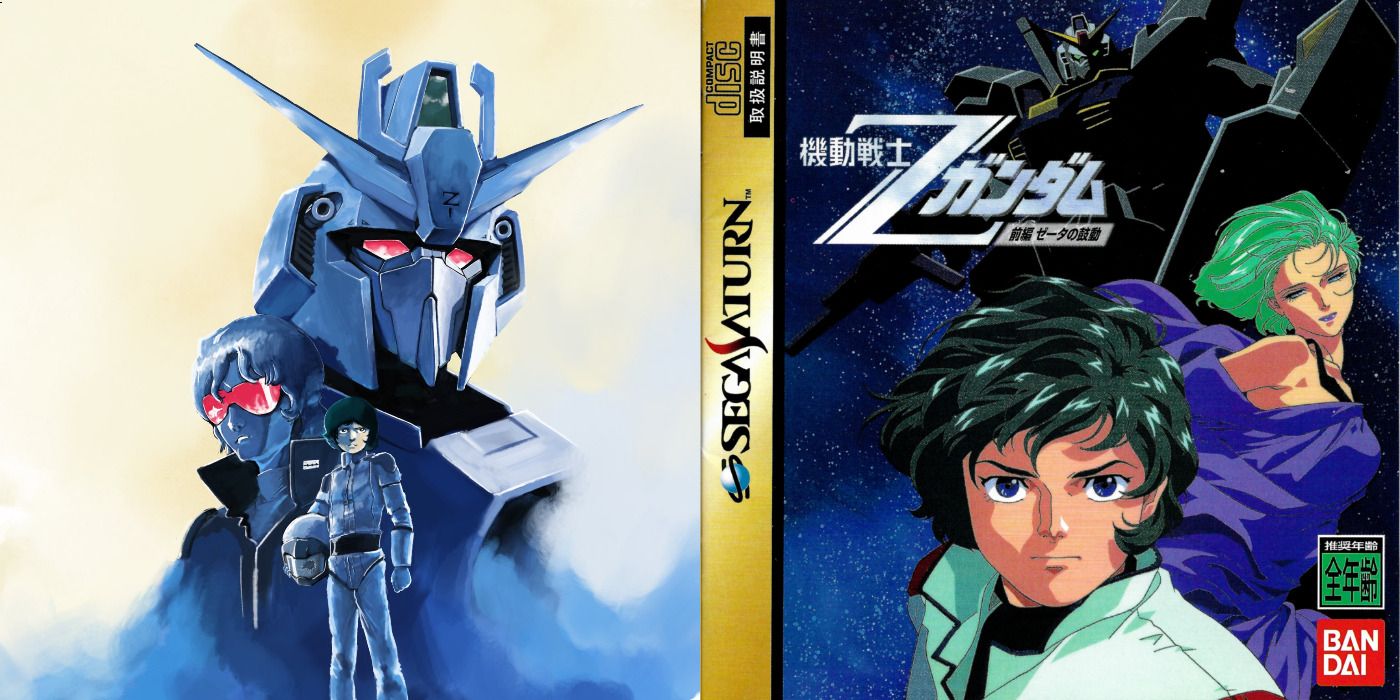
“Mobile Fighter G Gundam” presents a radical departure from the established UC narrative. Set in the Future Century, it foresees a world where traditional warfare has been replaced by a grand tournament of mobile suits, the Gundam Fight. While ostensibly a more lighthearted and fantastical series, it delves into themes of national pride, the evolution of combat robotics, and the concept of “burning spirit” in pilots.
- Robotics and AI in a Competitive Arena: The highly personalized and expressive mobile suits in “G Gundam” can be seen as a futuristic extrapolation of advanced robotics and AI. Each suit is a unique creation, reflecting the personality and fighting style of its pilot. This concept touches upon the development of adaptable and highly specialized robotic systems, a burgeoning area in modern tech. The idea of AI being trained to mimic or even enhance human combat prowess, albeit in a highly stylized manner, is an interesting thought experiment.
- The Human Element in Advanced Warfare: Despite the advanced technology, “G Gundam” emphasizes the pilot’s will and spirit. This resonates with the ongoing debate about the role of humans in increasingly automated warfare. While technology advances, the article explores the enduring importance of human judgment, intuition, and leadership, a theme that was central to the struggles of Amuro and Char.
B. The Cosmic Era and the Spectacle of Advanced Mobile Suits
The “Gundam SEED” and “Gundam SEED Destiny” series are set in the Cosmic Era (CE) timeline and are renowned for their visually stunning mobile suit designs and fast-paced, action-packed battles. These series explore the impact of advanced genetic engineering and cybernetics on warfare and society.
- Genetically Engineered Soldiers and AI Integration: “SEED” introduces the concept of “Coordinators,” genetically enhanced humans, and their role in the ongoing conflict with “Naturals.” This, coupled with the advanced mobile suits equipped with sophisticated AI, raises questions about the ethical implications of bio-engineering and the potential for creating super-soldiers. The integration of AI into mobile suits in “SEED” is particularly pronounced, with many units possessing a degree of autonomous capability and advanced tactical analysis.
- Technological Arms Race and Societal Division: The constant development of more powerful and specialized mobile suits in the CE timeline highlights the concept of a technological arms race, mirroring real-world geopolitical dynamics. The societal divisions created by the distinction between Naturals and Coordinators, and the subsequent manipulation of these divisions by various factions, offers a compelling case study in how technological advancement can exacerbate existing societal tensions and lead to new forms of discrimination. The intricate design and functionality of mobile suits like the Freedom Gundam and the Destiny Gundam showcase a speculative but grounded approach to future military hardware development.
III. Thematic Echoes: Technology, Humanity, and Conflict
Beyond specific series, the enduring appeal of Gundam, and by extension, the lessons learned from “Char’s Counterattack,” lies in its consistent exploration of how technology shapes humanity and the cyclical nature of conflict. The mobile suit, a symbol of both devastating power and human ingenuity, serves as a powerful metaphor.
A. The Double-Edged Sword of Advanced Weaponry
“Char’s Counterattack,” with its climactic battle involving the asteroid Axis and the deployment of incredibly powerful mobile suits, serves as a potent reminder of the destructive potential inherent in advanced technology. The very innovations that grant a strategic advantage can also lead to unprecedented levels of devastation. This theme is consistently explored across the Gundam franchise.
- AI-Driven Warfare and the Erosion of Human Control: As mobile suits become more advanced, the role of AI in combat increases. This raises pertinent questions about the future of warfare. Will AI systems eventually operate independently, making critical decisions without human oversight? The narrative within Gundam often portrays the dangers of such autonomy, emphasizing the need for human judgment and ethical considerations in the deployment of autonomous weapon systems. This directly relates to current discussions surrounding lethal autonomous weapons systems (LAWS).
- Technological Solutions to Existential Threats: Conversely, Gundam also showcases how technology can be used to prevent disaster. The efforts to deflect Axis in “Char’s Counterattack,” while controversial, represent a desperate application of advanced engineering to avert an existential threat. This mirrors humanity’s ongoing reliance on technological innovation to address challenges like climate change, disease, and resource scarcity. The development of specialized mobile suits and orbital weaponry in various series can be seen as speculative designs for future large-scale disaster mitigation.

B. Newtypes and the Evolution of Human Consciousness
The concept of Newtypes, individuals with heightened spatial awareness, empathy, and often telepathic abilities, is a recurring motif in Gundam, and particularly central to the narrative arc involving Amuro and Char. This concept can be viewed through a technological and evolutionary lens.
- Bridging the Gap: Human-Machine Symbiosis: The development of psycho-frame technology in “Char’s Counterattack” and subsequent UC series suggests a future where the boundaries between humans and machines blur. This points towards advancements in BCIs, neural networks, and artificial intelligence designed not just to augment human capabilities but to create a more symbiotic relationship. The potential for AI to interpret and respond to human intent at a subconscious level, as Newtypes seem to do with their mobile suits, is a fascinating area of technological speculation.
- Empathy and Understanding in a Technologically Advanced World: The Newtype phenomenon, in its ideal form, represents an evolution of human consciousness towards greater empathy and understanding. In a world increasingly shaped by technology, where communication can be both instantaneous and superficial, the Gundam franchise asks whether technology can also facilitate deeper human connection. The aspiration for Newtypes to bridge divides and foster peace, even in the face of overwhelming conflict, serves as a poignant commentary on the enduring human desire for connection and understanding amidst technological progress.
In conclusion, “Char’s Counterattack” is a rich tapestry that not only concludes a significant chapter in the Gundam saga but also opens a Pandora’s Box of technological, narrative, and philosophical explorations. Whether delving deeper into the Universal Century to witness the ripple effects of its conclusion, or venturing into alternate timelines to see how the mobile suit concept evolves, fans are presented with a wealth of content that continues to interrogate the intricate relationship between technology, humanity, and the perennial struggle for peace. The echoes of Amuro and Char’s final confrontation reverberate through each series, inviting viewers to ponder the future of warfare, the evolution of consciousness, and the ultimate responsibility that comes with wielding immense technological power.
aViewFromTheCave is a participant in the Amazon Services LLC Associates Program, an affiliate advertising program designed to provide a means for sites to earn advertising fees by advertising and linking to Amazon.com. Amazon, the Amazon logo, AmazonSupply, and the AmazonSupply logo are trademarks of Amazon.com, Inc. or its affiliates. As an Amazon Associate we earn affiliate commissions from qualifying purchases.