
In an increasingly interconnected digital world, where much of our lives—from banking and shopping to communication and work—transpires online, the threat landscape continuously evolves. Among the myriad cyber threats, one term consistently surfaces as a pervasive and dangerous tactic: phishing. Far more than just a buzzword, phishing represents a sophisticated form of social engineering that targets human vulnerabilities, rather than solely technical ones, to gain unauthorized access to sensitive information or systems. Understanding “what does phishing mean” is not merely academic; it is an essential component of digital literacy and a critical defense mechanism for individuals and organizations alike in the modern age.
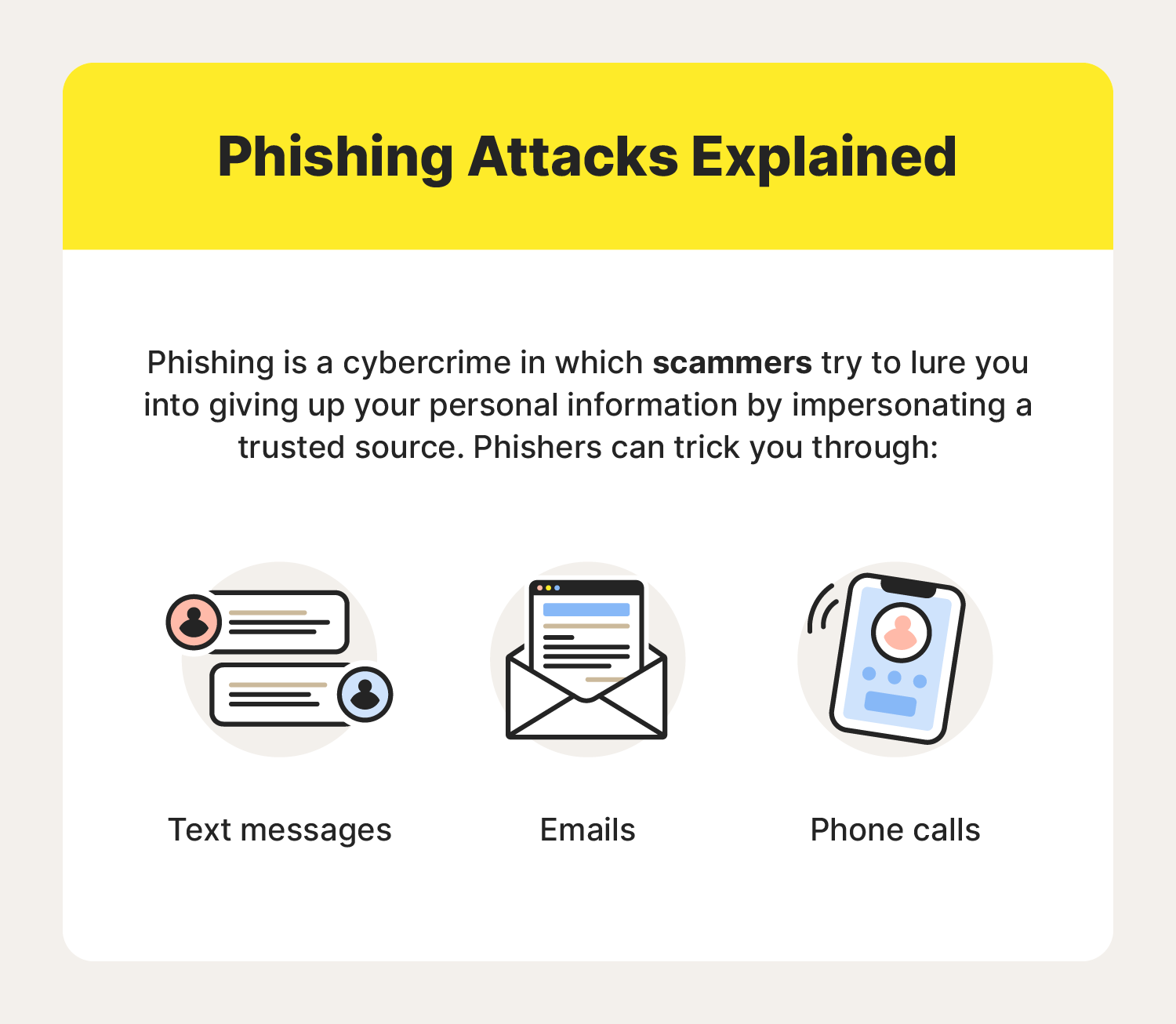
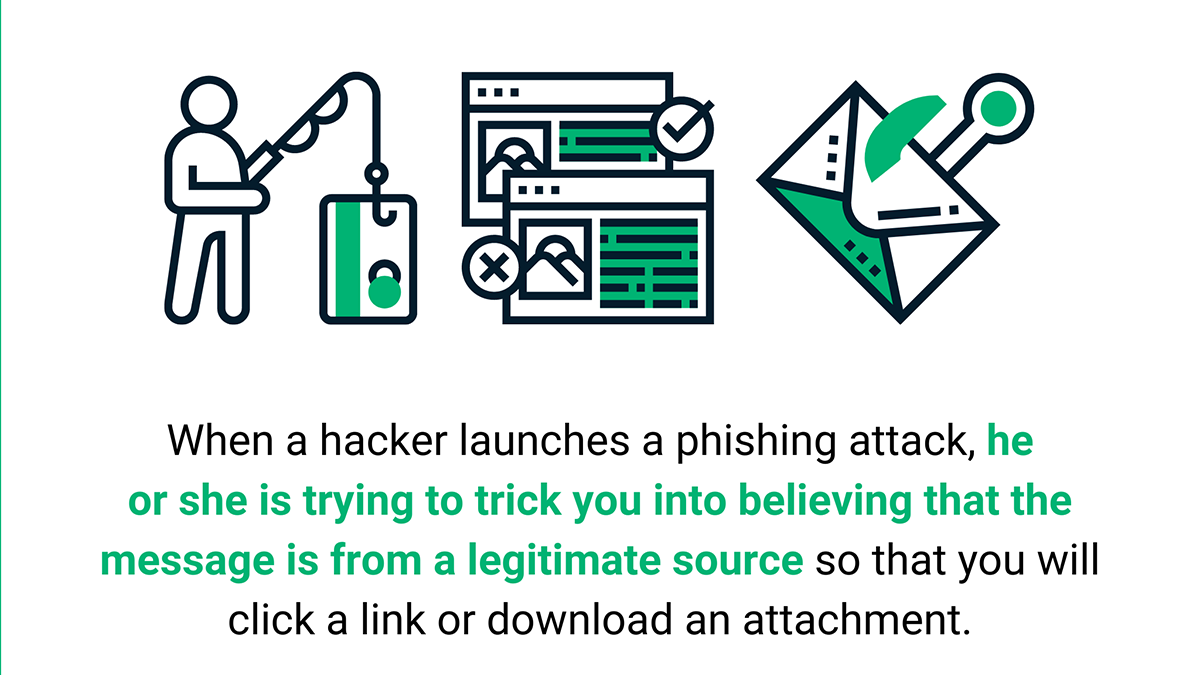
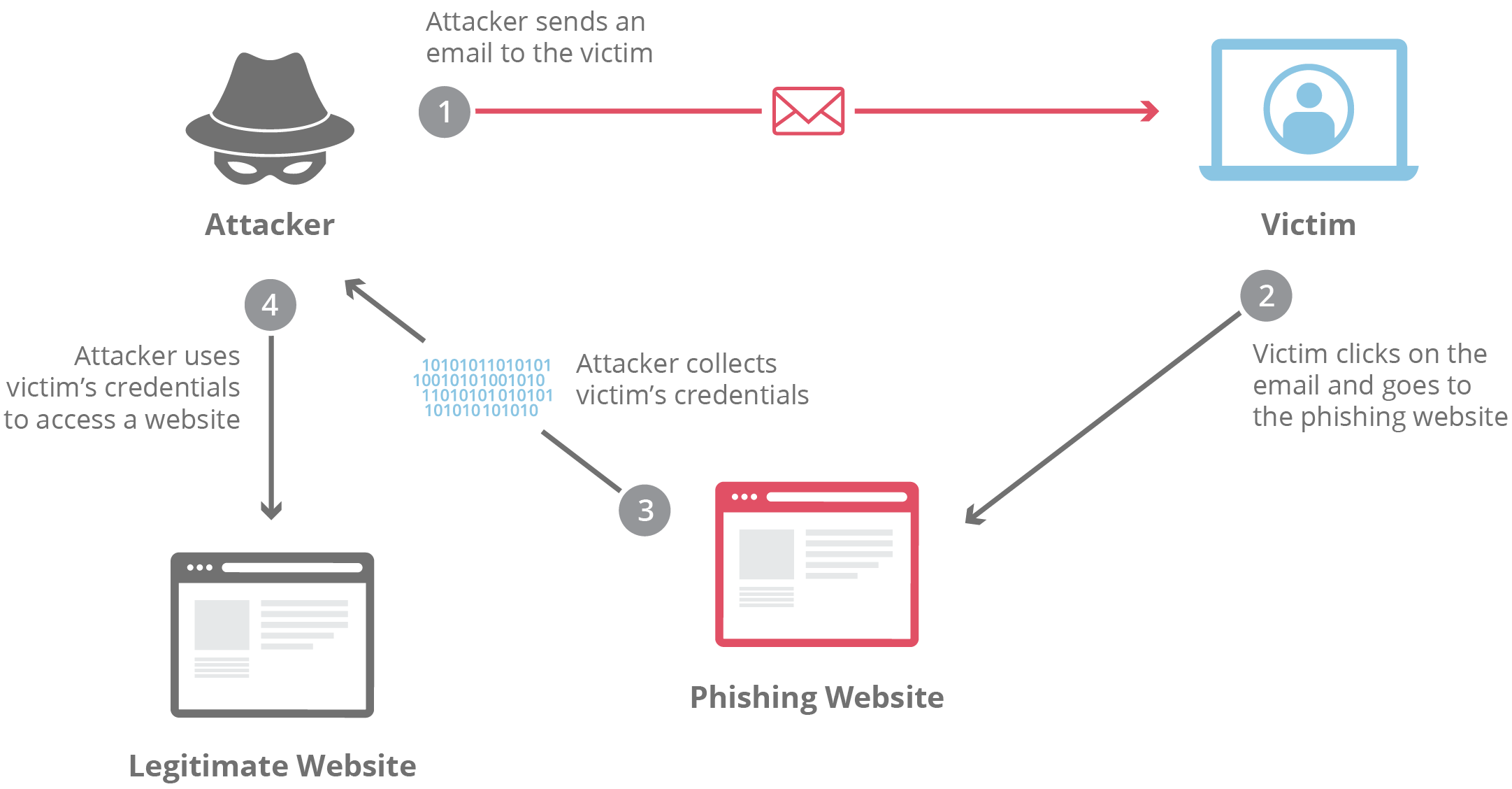
At its core, phishing is a fraudulent attempt by an attacker to trick an individual into revealing sensitive information—such as usernames, passwords, credit card details, or other personal data—or to deploy malicious software onto their device. This is achieved by disguising themselves as a trustworthy entity in an electronic communication. These deceptive communications often mimic legitimate sources like banks, government agencies, popular social media platforms, e-commerce sites, or even internal IT departments. The success of a phishing attack hinges on the victim’s unwitting compliance, making it a powerful and alarmingly effective weapon in a cybercriminal’s arsenal. From the unsolicited email claiming an urgent account verification to the SMS notification about an undelivered package, phishing exploits our trust and our innate desire for convenience and security, turning them against us.
The Anatomy of a Phishing Attack
To effectively combat phishing, one must first understand its constituent parts. A typical phishing attack follows a predictable, albeit often nuanced, pattern, leveraging various channels and psychological tactics to achieve its malicious goals. Deconstructing these elements reveals the intricate design behind what might seem like a simple trick.
Deceptive Communication Channels
Phishing is not confined to a single medium; attackers exploit a range of communication channels to reach their targets.
- Email Phishing: This is the most traditional and still widely prevalent form. Attackers send mass emails designed to look like they come from legitimate organizations. These emails often contain urgent warnings or enticing offers, encouraging recipients to click on malicious links or open infected attachments.
- SMS Phishing (Smishing): With the ubiquity of mobile phones, smishing has become increasingly common. Attackers send fraudulent text messages that may mimic package delivery notifications, bank alerts, or password reset requests. The short, often hurried nature of SMS communication can lower a user’s guard.
- Voice Phishing (Vishing): This involves using phone calls to impersonate legitimate entities. Vishing attacks often combine with email phishing, where an email might direct a victim to call a fraudulent number, or a direct call might trick the victim into revealing information over the phone or installing remote access software.
- Social Media Phishing: Attackers create fake profiles or pages, or compromise existing ones, to spread malicious links, conduct surveys designed to harvest data, or impersonate customer support to trick users into revealing credentials. Direct messages from seemingly trusted friends whose accounts have been compromised also fall into this category.
The Lure: Urgency, Fear, or Reward
Central to every phishing attack is a psychological trigger designed to bypass rational thought. Attackers expertly craft their messages to provoke an immediate, unthinking reaction.
- Urgency: Phrases like “Your account will be suspended if you don’t act now,” or “Immediate action required” pressure victims into making quick decisions without proper scrutiny. This creates a sense of panic that overrides caution.
- Fear: Warnings about security breaches, unauthorized transactions, or legal repercussions are used to instill fear, compelling recipients to click on links to “resolve” non-existent issues. The fear of financial loss or data compromise can be a powerful motivator.
- Reward: Attractive offers such as lottery winnings, tax refunds, exclusive discounts, or “free” gifts can entice victims. These too-good-to-be-true propositions often require the user to “verify” their identity or “pay a small fee” to claim their prize, leading them directly into the attacker’s trap.
The Impersonation Game
The effectiveness of phishing hinges on its ability to convincingly mimic a trusted source. Attackers invest significant effort in replicating the branding, logos, and communication styles of legitimate organizations. This involves creating fake websites that look almost identical to official ones, using similar domain names (e.g., micros0ft.com instead of microsoft.com), and crafting email templates that mirror genuine communications. The subtle differences are often missed by an unsuspecting eye, especially when under pressure from the lure. This deceptive authenticity is the cornerstone of a successful social engineering campaign.
The Malicious Payload
Once a victim is lured, the attack proceeds to its final stage: harvesting information or deploying malware.
- Fake Login Pages: The most common payload, these pages are meticulously designed replicas of legitimate login portals. When victims enter their credentials, the data is captured by the attacker.
- Malware Downloads: Phishing emails or messages can contain attachments (e.g., seemingly innocent PDFs or Word documents) that, when opened, unleash malware such as ransomware, spyware, or keyloggers onto the victim’s device, giving attackers persistent access or control.
- Data Entry Forms: Some phishing attacks direct users to forms that request a wide array of personal and financial information, such as social security numbers, birth dates, addresses, and credit card details, all under the guise of verification or updating profiles.
Common Types of Phishing Attacks
While the general principle of deception remains constant, phishing has evolved into several specialized forms, each targeting specific vulnerabilities or types of victims. Understanding these distinctions helps in recognizing and mitigating different attack vectors.
Spear Phishing
Unlike general phishing, which casts a wide net, spear phishing is a highly targeted attack. Attackers research their victims, gathering personal information (like names, job titles, email addresses, and even personal interests) from social media, corporate websites, or other public sources. This allows them to craft highly personalized and credible emails that appear to come from a known or trusted sender, such as a colleague, superior, or business partner. The personalization makes these attacks significantly more effective and harder to detect.
Whaling
Whaling is a specific type of spear phishing that targets high-profile individuals within an organization, such as CEOs, CFOs, or other senior executives. The goal is often to gain access to highly sensitive corporate information, execute fraudulent wire transfers, or compromise the company’s reputation. These attacks are meticulously crafted, often involving extensive research into the executive’s role, company operations, and even personal details to create an utterly convincing deception.
Pharming
Pharming is a more technical form of attack that redirects users from a legitimate website to a fake one without their knowledge, even if they type the correct URL. This can be achieved either by poisoning a DNS server (DNS cache poisoning), which alters the IP address associated with a domain name, or by manipulating a victim’s hosts file. The victim believes they are interacting with the genuine site, while all their input is captured by the attacker. This makes pharming particularly dangerous, as traditional vigilance against suspicious links may not be enough.
Clone Phishing
In a clone phishing attack, criminals replicate a legitimate, previously delivered email (e.g., a newsletter or a password reset notification) and replace its legitimate links or attachments with malicious ones. They then send this “cloned” email from a spoofed email address that appears to be the original sender. The victim, having received the original legitimate email before, is less likely to suspect the authenticity of the cloned version, making it an effective way to bypass initial security checks.
Evil Twin Phishing
This method involves setting up a fake Wi-Fi access point that mimics a legitimate one (an “evil twin”). For example, an attacker might set up a Wi-Fi hotspot named “Free Airport Wi-Fi” that looks like the official one. When users connect to this fake network, the attacker can intercept their internet traffic, capture login credentials, or redirect them to malicious websites. This is particularly effective in public places where people are accustomed to using free, open Wi-Fi networks.
The Devastating Impact of Phishing
The consequences of falling victim to a phishing attack can be far-reaching and severe, affecting individuals, businesses, and even national security. The seemingly innocuous click on a link can trigger a cascade of detrimental events.
Financial Loss
For individuals, the most immediate impact is often direct financial loss. Attackers can gain access to bank accounts, credit card details, or investment platforms, leading to unauthorized transactions, fraudulent purchases, and emptying of accounts. For businesses, whaling or spear phishing attacks can result in multi-million dollar wire transfer frauds, supply chain compromises, or intellectual property theft. The recovery process can be long and arduous, involving legal battles, forensic investigations, and significant financial write-offs.
Identity Theft and Data Breach
When personal data like Social Security numbers, dates of birth, addresses, or government identification numbers are compromised, victims become vulnerable to identity theft. This can lead to new accounts being opened in their name, fraudulent loans being taken out, or even criminal records being created. For organizations, a successful phishing attack can lead to a massive data breach, exposing customer records, employee data, and sensitive corporate information, which not only carries severe legal and regulatory penalties but also long-term reputational damage.
Reputational Damage
Whether an individual or an organization, falling victim to phishing can severely damage trust and credibility. For individuals, it can lead to social embarrassment and a loss of trust from friends and family whose accounts might also be compromised. For businesses, a data breach stemming from phishing can erode customer confidence, leading to customer churn, negative press, and a diminished market value. Rebuilding a damaged reputation is often more challenging and costly than preventing the breach in the first place.
Operational Disruption
Beyond direct financial and data losses, phishing attacks can severely disrupt business operations. Ransomware, often delivered via phishing, can encrypt critical systems and data, bringing an organization to a complete standstill until a ransom is paid or backups are restored. Even less severe attacks can lead to significant downtime, loss of productivity, and diversion of IT resources to incident response and recovery, impacting business continuity and profitability.
Fortifying Your Defenses: How to Recognize and Prevent Phishing
Given the sophistication and prevalence of phishing, adopting a proactive and multi-layered defense strategy is paramount. Education, vigilance, and technical safeguards form the bedrock of an effective anti-phishing posture.
Scrutinize the Sender
Always examine the sender’s email address, not just the display name. Attackers often use addresses that are slightly misspelled or come from a suspicious domain (e.g., support@yourbank.co instead of support@yourbank.com). Even if the display name looks legitimate, hovering over it can reveal the actual email address. Be wary of generic greetings like “Dear Customer” from supposed official sources.
Inspect Links Carefully
Before clicking on any link, hover your mouse cursor over it to reveal the actual URL. Look for discrepancies between the displayed link text and the destination URL. Malicious links often point to suspicious domains or IP addresses. If in doubt, do not click. Instead, manually type the legitimate website’s URL into your browser.
Beware of Urgency and Emotional Manipulation
Phishing emails often create a false sense of urgency or use emotionally charged language (fear, excitement, guilt) to pressure recipients into immediate action. If an email demands instant attention, warns of severe consequences, or offers something too good to be true, it’s a major red flag. Take a moment to think critically before responding.
Verify Information Independently
If you receive a suspicious request for information or an urgent alert from a company or organization, do not reply directly to the email or call the number provided in the message. Instead, contact the organization using a trusted method, such as their official phone number listed on their legitimate website or a number you’ve used before.
Strong Authentication and Security Tools
Implement multi-factor authentication (MFA) or two-factor authentication (2FA) wherever possible. Even if attackers steal your password, they won’t be able to access your account without the second factor (e.g., a code from your phone). Keep your operating system, web browsers, and antivirus software up to date. Use reputable spam filters and email security gateways that can help detect and block phishing attempts before they reach your inbox.
Regular Training and Awareness
For organizations, regular cybersecurity awareness training for all employees is crucial. Phishing is a human problem at its core, and educating staff on how to recognize, report, and avoid these attacks significantly strengthens the overall security posture. Conduct simulated phishing exercises to test employee vigilance and reinforce training.
The Future of Phishing and Adaptive Defenses
The landscape of cyber threats is dynamic, and phishing is no exception. As technology advances, so too do the methods employed by attackers.
AI-Enhanced Phishing
Artificial intelligence and machine learning are already being leveraged by attackers to create more sophisticated and personalized phishing campaigns. AI can analyze vast amounts of data to craft highly convincing lures, generate natural-sounding text (e.g., via large language models), and even create custom fake websites on the fly, making detection increasingly challenging.
Deepfakes and Vishing
The rise of deepfake technology—AI-generated realistic audio, video, and images—presents a terrifying new frontier for vishing and social engineering. Attackers could potentially impersonate executives’ voices or even video appearances to authorize fraudulent transactions or demand sensitive information, blurring the lines between reality and deception.
Evolving Cybersecurity Solutions
In response, cybersecurity defenses are also becoming more sophisticated. AI-driven threat detection systems are being developed to identify subtle anomalies in email patterns, behavioral analytics are used to flag unusual user activity, and advanced endpoint protection solutions are improving their ability to detect and block new forms of malware. Zero-Trust architectures, which verify every user and device before granting access, are also gaining traction.
Collective Responsibility
Ultimately, combating phishing is a collective responsibility. It requires continuous vigilance from individual users, robust security measures from technology companies, and proactive education and regulation from governments. By fostering a culture of cybersecurity awareness and continually adapting our defenses, we can hope to stay ahead of the evolving threat of phishing.
Conclusion
To truly grasp “what does phishing mean” is to understand that it is more than just a technical vulnerability; it is a direct assault on trust and human psychology. It represents a persistent and evolving threat in our digital lives, capable of inflicting significant financial, reputational, and operational damage. While the methods of attackers grow more sophisticated with each technological advancement, our primary defense remains rooted in awareness, education, and diligent scrutiny. By understanding the common tactics, recognizing the red flags, and implementing robust security practices, individuals and organizations can significantly fortify their defenses against this pervasive digital menace. In the constant cat-and-mouse game of cybersecurity, an informed and vigilant user is undeniably the strongest firewall.
aViewFromTheCave is a participant in the Amazon Services LLC Associates Program, an affiliate advertising program designed to provide a means for sites to earn advertising fees by advertising and linking to Amazon.com. Amazon, the Amazon logo, AmazonSupply, and the AmazonSupply logo are trademarks of Amazon.com, Inc. or its affiliates. As an Amazon Associate we earn affiliate commissions from qualifying purchases.