
New Orleans is a city often defined by its sensory experiences—the sound of brass bands, the taste of Creole cuisine, and the sight of centuries-old architecture. However, for the astute investor or entrepreneur, a “visit” to New Orleans is not merely a vacation; it is an exploration of a unique, resilient, and evolving economic landscape. Known colloquially as the “Big Easy,” the city offers a complex financial ecosystem where heritage-driven tourism meets a burgeoning tech sector and a globally significant logistics hub.
To understand what to visit in New Orleans from a professional perspective, one must look past the neon lights of Bourbon Street and analyze the capital flows, tax incentives, and market sectors that drive this Gulf Coast anchor. This guide breaks down the strategic areas of interest for those looking to deploy capital or expand business operations in one of America’s most culturally distinct financial markets.
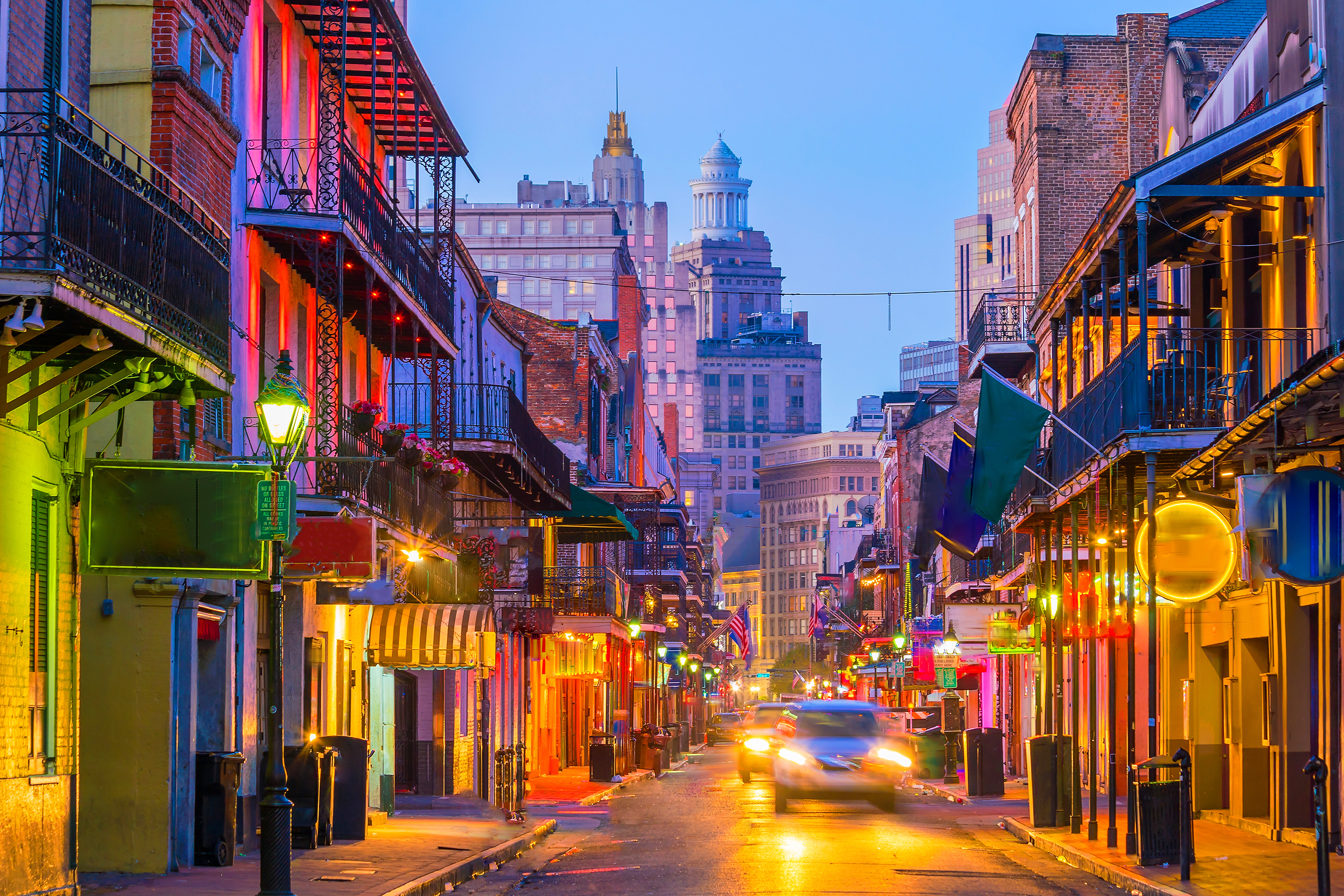
The Hospitality Powerhouse: Real Estate and Tourism Economics
Tourism is the undisputed engine of the New Orleans economy, contributing billions of dollars in annual spending. For the individual looking at “what to visit” through a financial lens, the hospitality sector represents the primary point of entry. The city’s ability to attract over 18 million visitors annually creates a robust demand for both traditional and alternative lodging.
Navigating the Short-Term Rental (STR) Regulatory Landscape
For many years, the short-term rental market in New Orleans was a “wild west” for passive income seekers. However, recent legislative shifts have tightened the market. An investor visiting the city today must evaluate the “OSTR” (Owner-Occupied Short-Term Rental) and “CSTR” (Commercial Short-Term Rental) distinctions. The most lucrative opportunities now lie in commercial-zoned properties in the Warehouse District or the Marigny, where zoning allows for high-turnover guest stays without the legal volatility of residential neighborhoods. Understanding these zoning maps is as crucial as understanding the city’s geography.
Boutique Hotels and the Luxury Upswing
While the STR market faces regulation, the boutique hotel sector is witnessing a renaissance. Investors are increasingly looking at “adaptive reuse” projects—transforming historic warehouses or dilapidated banks into high-end hospitality experiences. Visiting neighborhoods like the Lower Garden District reveals a shift toward luxury tourism. These developments benefit from federal and state historic tax credits, which can offset up to 45% of qualified rehabilitation expenses. For a financial strategist, visiting these sites is a lesson in leveraging government incentives to preserve cultural equity while generating high RevPAR (Revenue Per Available Room).
The Silicon Bayou: Technology and Innovation Districts
Beyond the hospitality sector, New Orleans has carved out a niche as a rising tech hub, often referred to as the “Silicon Bayou.” This shift is driven by a combination of a low cost of doing business, a high quality of life, and aggressive state-level tax credits for digital media and software development.
Identifying High-Growth Innovation Hubs
A business-focused visit to New Orleans must include a stop at the New Orleans BioInnovation Center and the various co-working spaces in the Downtown Development District. These hubs serve as the nerve center for startups specializing in health tech, environmental software, and fintech. The “Money” story here is one of human capital. As remote work becomes a permanent fixture of the global economy, New Orleans has become a “destination city” for tech talent fleeing the exorbitant costs of San Francisco or New York. This migration is fueling a secondary market in commercial office spaces designed for hybrid work models.
Leveraging the Digital Media Tax Credit
Louisiana offers one of the most aggressive digital media incentives in the United States. The program provides a 25% tax credit on qualified payroll for in-state labor and an 18% credit for qualified production expenses. For software companies and game developers, “visiting” New Orleans is a strategic move to lower the “burn rate” of their ventures. When analyzing what to visit, observing the operations of established firms like Lucid (now part of Cint) or DXC Technology provides a blueprint for how large-scale tech entities can thrive in a traditionally non-tech environment.
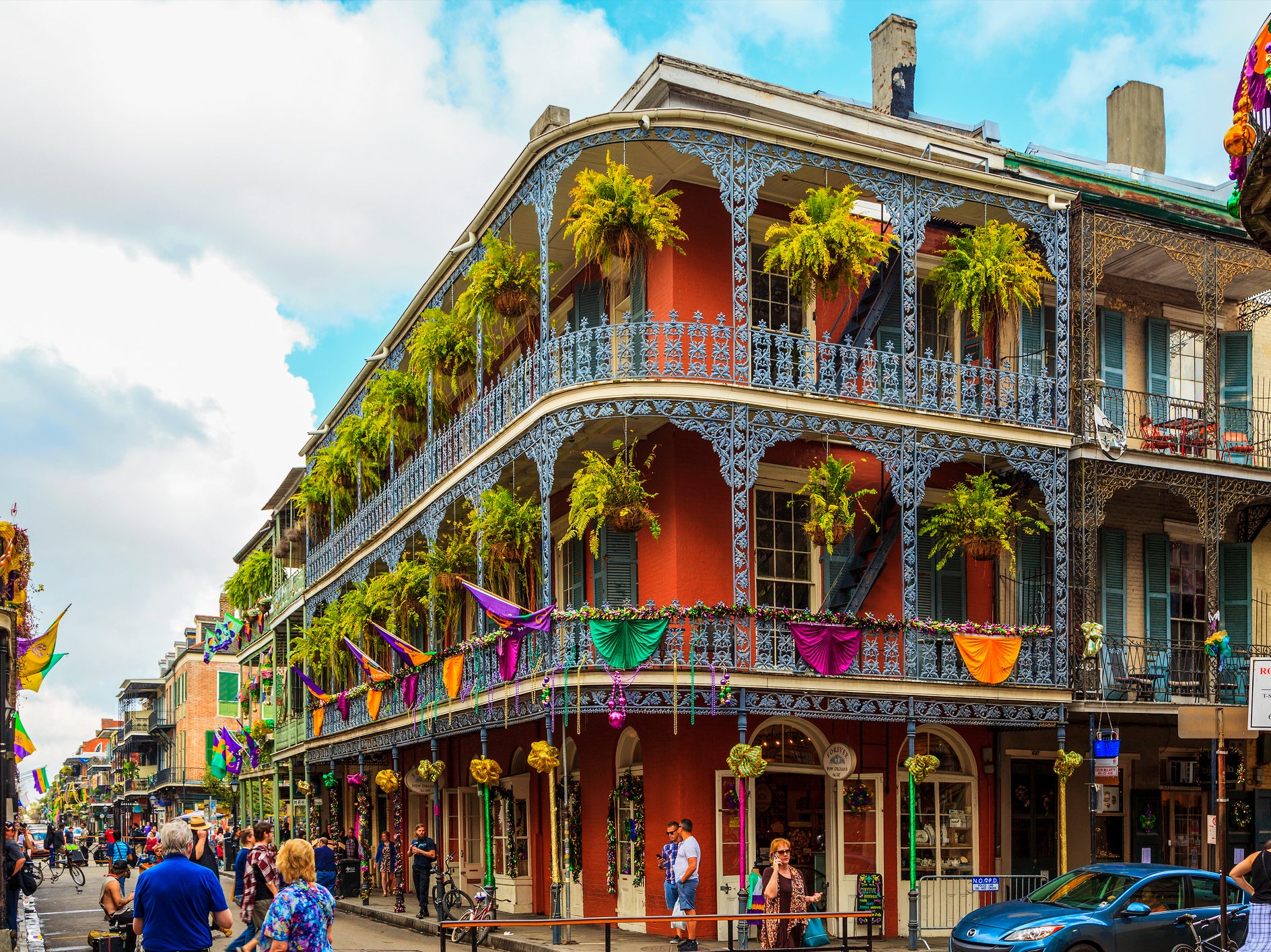
Logistics and Global Trade: The Port of South Louisiana
The Mississippi River is the lifeblood of the New Orleans economy, and the Port of New Orleans (Port NOLA) is a critical node in global supply chains. For those interested in industrial real estate, logistics, or international trade, the riverfront is the most important “sight” in the city.
The Impact of the Louisiana International Terminal
Current multi-billion dollar investments in the Louisiana International Terminal (LIT) are set to transform the region into a premier container port. For the investor, this means a long-term play in industrial warehousing and cold storage facilities. As global trade routes shift and the Panama Canal expansion continues to influence East Coast and Gulf shipping, New Orleans is positioned as a primary gateway for goods entering the American Midwest. A site visit to the St. Bernard Parish development zones offers a glimpse into the future of Southern logistics.
Energy Transition and Green Infrastructure
New Orleans is also at the forefront of the “Energy Transition.” While the region has historically been tied to oil and gas, there is a massive influx of capital into offshore wind research and carbon capture technology. Visiting the industrial corridors along the river allows an investor to see the physical transition from fossil fuels to sustainable energy. The “Money” here is in the infrastructure—pipelines, specialized shipping, and the engineering firms that facilitate this massive industrial pivot.
Strategic Diversification: The Film and Creative Economy
New Orleans is frequently called “Hollywood South.” The film industry is not just a cultural curiosity; it is a significant contributor to the city’s bottom line. For those looking to diversify a portfolio, the intersection of finance and film in New Orleans offers unique opportunities.
The Financial Mechanics of Film Tax Credits
The Louisiana Motion Picture Tax Credit is the cornerstone of this industry. It provides up to a 40% tax credit on local expenditures. For private equity firms or high-net-worth individuals, these credits can be bought and sold on a secondary market, providing a sophisticated tool for tax liability management. Visiting major studios like Second Line Stages provides insight into how permanent infrastructure is being built to support a rotating door of multi-million dollar productions.
High-End Residential Markets as Wealth Preservation
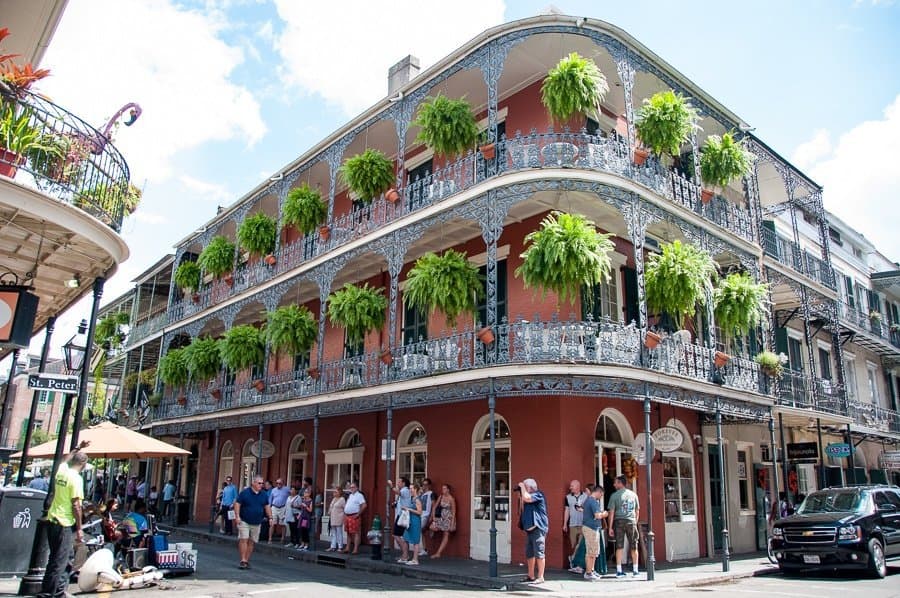
Finally, a visit to New Orleans for financial purposes should include an audit of the high-end residential market in the Garden District and Uptown. These neighborhoods represent “Legacy Real Estate”—assets that hold value through economic downturns due to their historical significance and scarcity. In an era of high inflation, tangible assets in “trophy” locations serve as a hedge. The architecture of St. Charles Avenue is not just a tourist attraction; it is a collection of high-value assets that form the bedrock of the city’s private wealth.
Conclusion: The ROI of the Big Easy
When deciding “what to visit” in New Orleans, the perspective of a professional or an investor must be multi-faceted. The city is a study in resilience and economic evolution. From the high-yield potential of the hospitality sector and the tax-advantaged growth of the “Silicon Bayou” to the industrial might of the Mississippi River, New Orleans offers a diverse range of opportunities for capital allocation.
Success in this market requires a balance of local cultural understanding and rigorous financial analysis. The “Big Easy” is not always easy—it requires navigating complex regulations and an environment that prizes personal relationships as much as spreadsheets. However, for those who take the time to visit its innovation centers, its ports, and its development zones, New Orleans reveals itself as more than a party destination; it is a dynamic frontier for modern investment.
aViewFromTheCave is a participant in the Amazon Services LLC Associates Program, an affiliate advertising program designed to provide a means for sites to earn advertising fees by advertising and linking to Amazon.com. Amazon, the Amazon logo, AmazonSupply, and the AmazonSupply logo are trademarks of Amazon.com, Inc. or its affiliates. As an Amazon Associate we earn affiliate commissions from qualifying purchases.