
Columbus, Ohio, has undergone a radical transformation over the last decade, transitioning from a traditional Midwestern hub into what industry analysts now call the “Silicon Heartland.” For the tech-focused traveler, an itinerary for Columbus is no longer about sightseeing in the traditional sense; it is a journey through one of the most rapidly expanding technological corridors in North America. From the massive semiconductor fabrication sites rising in the suburbs to the sophisticated smart-city infrastructure integrated into its downtown streets, Columbus offers a unique look at the future of American innovation.
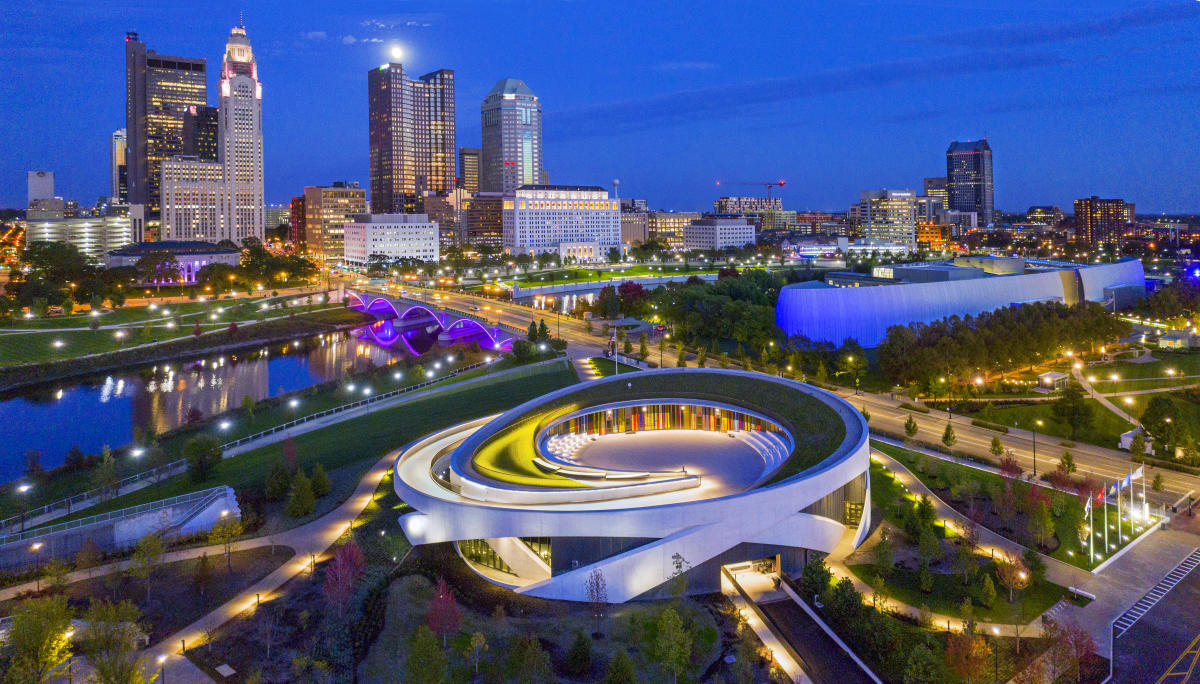
As the city positions itself as a global leader in AI development, semiconductor manufacturing, and insurtech, visitors have the opportunity to witness the physical manifestation of a multi-billion dollar shift in the global tech supply chain. This guide explores the essential locations that define the Columbus tech landscape, providing insight into why this city has become the focal point for the next generation of digital and industrial evolution.
The Semiconductor Frontier: New Albany’s Mega-Site
No exploration of the modern Columbus tech scene is complete without visiting the outskirts of the city, specifically the New Albany area. This region is currently the site of one of the most significant technological investments in United States history: Intel’s $20 billion semiconductor manufacturing complex.
The Scale of Intel’s “Ohio One”
Visiting the perimeter of the Intel site offers a perspective on the sheer scale of the “Silicon Heartland” movement. This project represents the return of high-end semiconductor manufacturing to domestic soil. For tech professionals and enthusiasts, observing the development of “Ohio One” provides a window into the future of global supply chains. The site is designed to house at least two massive “fabs” (fabrication plants), which will utilize extreme ultraviolet (EUV) lithography to produce the world’s most advanced chips. The infrastructure required to support these facilities—ranging from dedicated power substations to advanced water reclamation systems—is a marvel of modern engineering and a testament to the city’s technical capacity.
The Ecosystem of Suppliers
The tech interest in New Albany extends beyond Intel. The surrounding International Business Park has become a magnet for the entire semiconductor stack. Companies like Applied Materials, ASML, and Lam Research are establishing a presence here. A drive through this corridor reveals a concentrated ecosystem of precision engineering firms and high-tech logistics providers that are essential to the global hardware economy. This area serves as a physical case study in how a major tech “anchor” can fundamentally reshape the geography of an entire metropolitan area.
The Ohio State University Innovation District
Back toward the city center, the intersection of academia and industry finds its peak at The Ohio State University (OSU) Innovation District. This is not merely a college campus; it is a high-density zone for research, development, and commercialization.
The Pelotonia Research Center
A primary destination within the district is the Pelotonia Research Center. This state-of-the-art facility is designed around the concept of “interdisciplinary research.” It houses high-tech laboratories where data scientists work alongside biomedical engineers. For those interested in the convergence of AI and healthcare, this facility represents the cutting edge of computational biology and machine learning applied to oncology. The architecture itself reflects the transparency and collaboration required in modern tech R&D, featuring open-concept labs and integrated digital workspaces.
The Energy Innovation Center
Sustainability and energy technology are central pillars of the Columbus tech narrative. The Energy Innovation Center at OSU is a hub for developing microgrid technologies and next-generation battery storage solutions. Visitors can learn about the “Combined Heat and Power” (CHP) plant and how the university is utilizing a massive digital twin of its campus energy grid to optimize consumption. This is a critical stop for anyone interested in “GreenTech” and the digitalization of the energy sector.
Smart City Infrastructure and the Downtown Hub
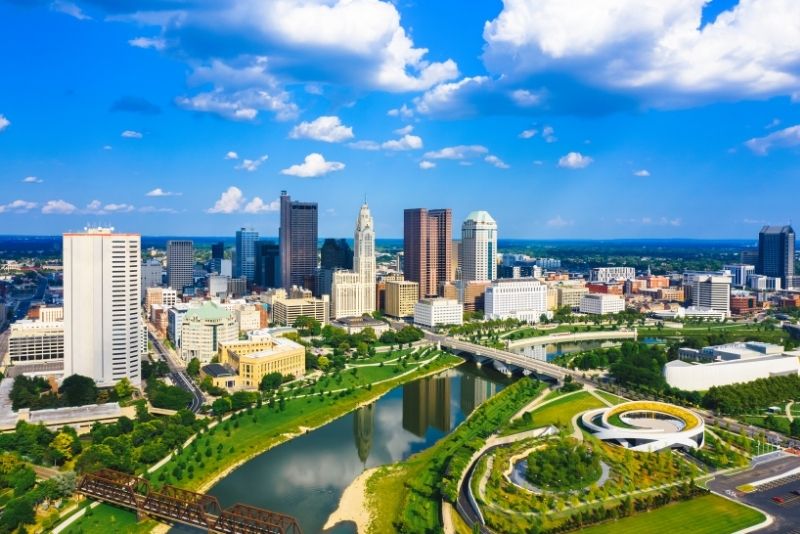
Columbus gained national attention in 2016 when it won the U.S. Department of Transportation’s Smart City Challenge. Today, the remnants and evolutions of that project are visible throughout the downtown and Short North areas, making it a living laboratory for urban tech.
The Smart Columbus Experience Center
While the physical Experience Center has evolved into a broader community initiative, the spirit of the project remains visible in the city’s integrated infrastructure. Columbus was a pioneer in testing V2I (Vehicle-to-Infrastructure) communication. Tech enthusiasts can observe the implementation of smart mobility hubs and the integration of real-time data feeds into the city’s transit systems. The city’s “Operating System” (the Smart Columbus OS) remains a benchmark for how municipalities can use open-source data to solve urban challenges, from traffic congestion to food desert logistics.
The Rise of Insurtech and Fintech
The downtown skyline is more than just corporate offices; it is the headquarters for some of the world’s most disruptive insurtech companies. Root Insurance, which pioneered the use of telematics and mobile sensor data to price auto insurance, is headquartered here. Nearby, the presence of major financial institutions like JPMorgan Chase—which operates its largest global technology hub in Columbus—underscores the city’s dominance in fintech. For visitors, the vibrant coworking spaces like Rev1 Ventures and The Idea Foundry provide a glimpse into the startup culture that fuels these industries. The Idea Foundry, in particular, is one of the largest makerspaces in the world, combining traditional fabrication with advanced robotics and VR development labs.
The Data Center Corridor: The Backbone of the Internet
While semiconductor chips are being built in the east, the north and west of Columbus have become the “Data Center Capital of the Midwest.” This is the physical infrastructure that powers the cloud, and for those interested in the “plumbing” of the internet, the scale of these installations is breathtaking.
Hyperscale Presence: AWS, Google, and Meta
A drive through the areas of Hilliard and Dublin reveals the massive footprints of Amazon Web Services (AWS), Google, and Meta. These hyperscale data centers are the silent engines of the modern digital economy. While the interiors are highly secure, the sheer external scale and the specialized cooling infrastructure visible from the outside highlight why Columbus is a strategic node in global data distribution. The proximity to high-capacity fiber paths and a stable power grid makes this region one of the most densely packed data environments in the world.
Dublin’s Connected Corridor
The neighboring city of Dublin offers a specialized look at the “Beta District,” an 33-mile loop of dedicated fiber optics and a roadside unit network designed for testing autonomous and connected vehicles. This “Connected Corridor” is a prime example of how local government can provide the hardware needed for tech companies to test self-driving algorithms and smart-city sensors in real-world environments. It is an essential visit for those tracking the progress of autonomous transport and IoT (Internet of Things) integration.
Battelle and the Future of Applied Science
No technical tour of Columbus is complete without mentioning Battelle Memorial Institute. As the world’s largest independent non-profit research and development organization, Battelle is the quiet giant behind many of the world’s most significant technological breakthroughs.
Scientific Innovation at Scale
Located near the OSU campus, Battelle’s headquarters is the site where the technology for the first office copier (Xerox) was developed, along with many of the advancements in nuclear fuel and armor plating. Today, their work focuses on cybersecurity for industrial control systems, advanced materials science, and environmental tech. While it is a high-security research facility, its presence in Columbus anchors the city’s identity as a place where hard science meets commercial application. It serves as a reminder that Columbus has been a tech town long before the “Silicon Heartland” moniker became popular.
Collaboration with National Labs
Battelle’s management of several national laboratories (including Oak Ridge and Brookhaven) means that a constant stream of high-level scientific talent flows through Columbus. This creates a unique ecosystem where theoretical physics and high-level data science are regularly applied to solve private-sector problems. For the visiting technologist, the surrounding neighborhood is a hub for boutique engineering consultancies and niche tech firms that spin off from Battelle’s research.
Conclusion: Navigating the Technical Landscape
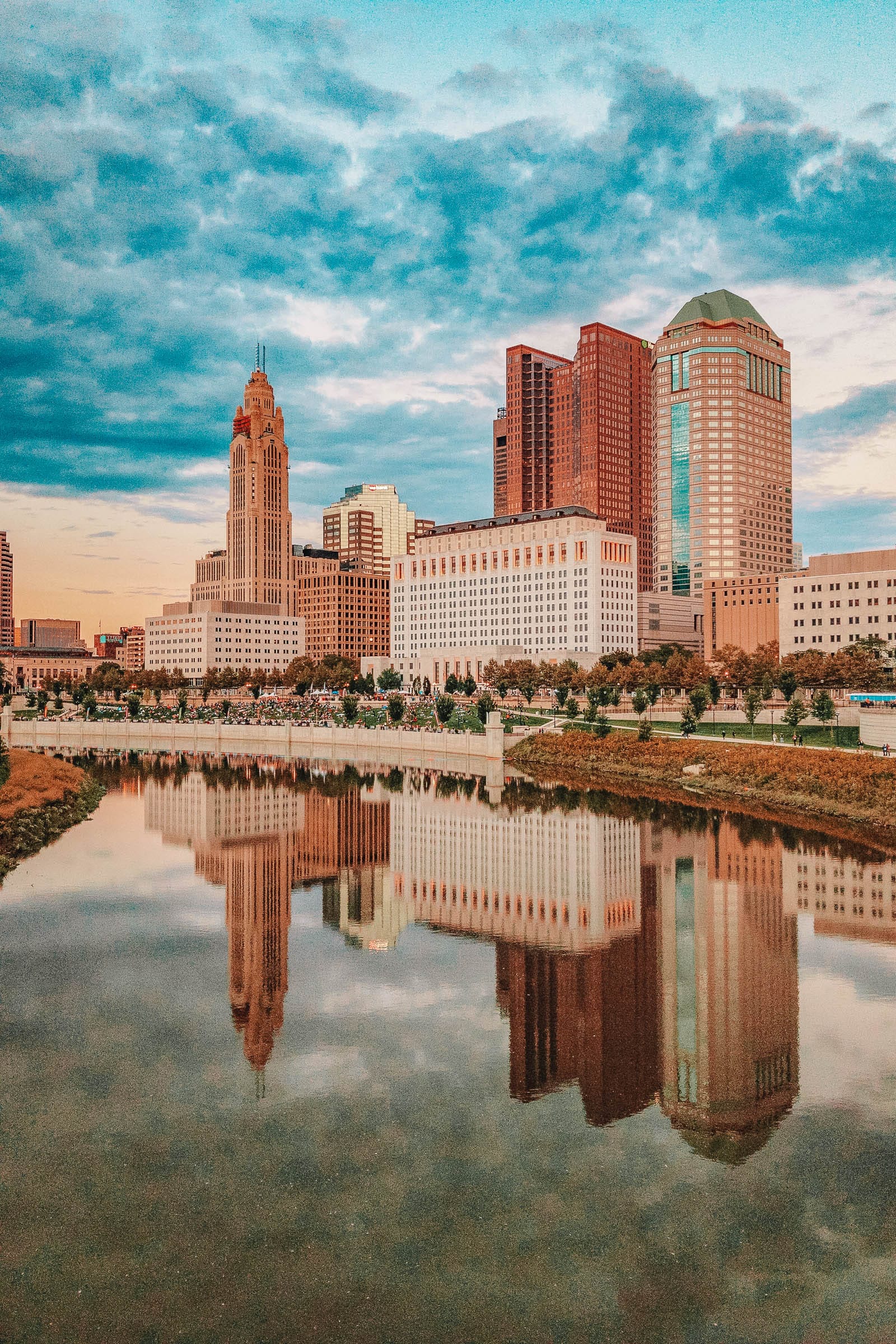
Visiting Columbus today requires a shift in perspective. It is a city where the “sights” are often found in the sprawling construction of fabrication plants, the sleek glass of innovation districts, and the hum of data centers. To visit Columbus is to see the re-industrialization of America through the lens of high technology. Whether you are observing the rollout of 5G-enabled smart poles in the Short North or tracking the progress of the world’s most advanced semiconductor facility in New Albany, you are witnessing a city that has successfully bridged the gap between its manufacturing heritage and a digital-first future. For those who want to see where the next decade of American tech will be built, Columbus is the most important destination on the map.
aViewFromTheCave is a participant in the Amazon Services LLC Associates Program, an affiliate advertising program designed to provide a means for sites to earn advertising fees by advertising and linking to Amazon.com. Amazon, the Amazon logo, AmazonSupply, and the AmazonSupply logo are trademarks of Amazon.com, Inc. or its affiliates. As an Amazon Associate we earn affiliate commissions from qualifying purchases.