
Car windows, often overlooked as a potential canvas, serve as dynamic spaces for brand messaging, personal expression, and temporary marketing campaigns. From promoting a small business to announcing a celebratory event, the ability to effectively communicate a message on a vehicle’s glass offers a unique blend of visibility and mobility. Understanding the right tools and strategies is crucial to ensure your message is not only seen but also reinforces a professional and impactful brand identity.
The Mobile Billboard: Leveraging Car Windows for Brand Visibility
In an increasingly cluttered advertising landscape, mobile marketing offers a direct and often cost-effective way to capture attention. Car windows transform a personal or company vehicle into a moving billboard, extending the reach of your brand far beyond a static location. This approach is particularly potent for small businesses, entrepreneurs, and individuals aiming to amplify their message within a local community or during specific events.
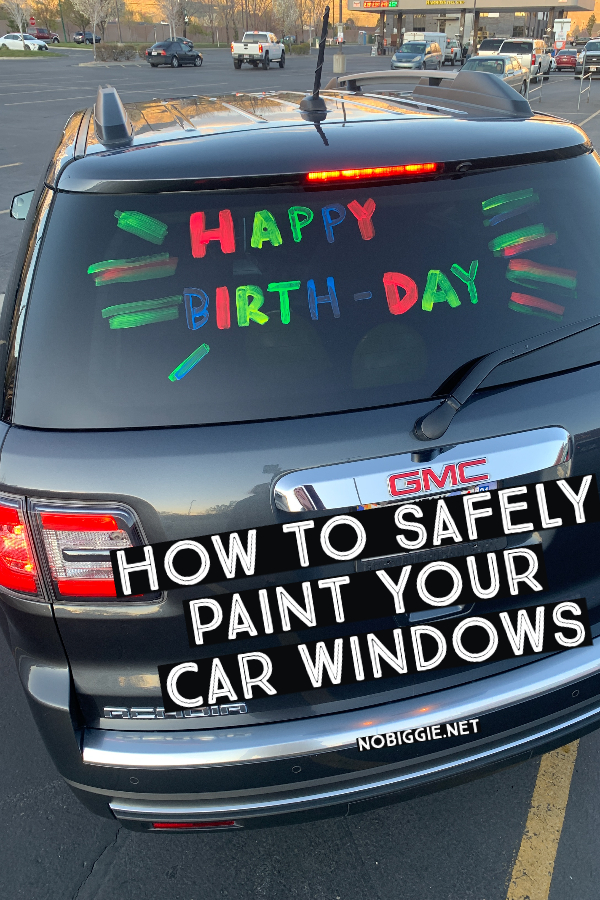
Consider a local artisan promoting their craft, a real estate agent advertising an open house, or a startup announcing a new service. Each drive, each parked moment, becomes an opportunity for passive exposure. The transient nature of vehicle-based advertising means the message must be clear, concise, and immediately engaging. This isn’t about lengthy descriptions, but rather a powerful, memorable visual or textual hook that drives interest and recall. Furthermore, it’s a testament to agility – messages can be changed as frequently as campaigns dictate, allowing for responsive and timely brand communication. Whether it’s a QR code for instant access to a website, a social media handle, or a simple call to action, the car window becomes a functional element in a broader brand strategy, contributing to visibility and brand building without significant overheads.
Crafting Your Message: Selecting the Right Tools for Impact
The choice of writing tool is paramount, directly influencing the message’s clarity, durability, and ultimately, its professional appearance. Different applications demand different properties, from ease of removal to resistance against the elements. Selecting wisely ensures your on-window branding maintains integrity and reflects positively on your brand.
Liquid Chalk Markers: Versatility and Visibility
Liquid chalk markers are arguably the most popular and versatile choice for temporary car window writing. They offer a vibrant, opaque finish that stands out against tinted or clear glass, making them highly visible both day and night. Their water-based formula is non-toxic and, crucially, easily removable with a damp cloth or window cleaner, making them ideal for messages that need frequent updates, such as daily specials, event promotions, or temporary sales announcements.
The range of available colors allows for creative freedom, enabling brands to align their window messaging with their established color palette. Fine-tip markers are excellent for detailed text or small logos, while broader chisel tips can create bold headlines or larger graphics that are readable from a distance. The smooth application prevents streaking and provides a crisp line, which is essential for maintaining a polished brand image. They adhere well to glass without smudging once dry, yet their temporary nature ensures no lasting residue or damage to the vehicle’s finish, preserving both the car’s aesthetic and the brand’s reputation for care and quality.
Automotive Paint Pens: Durability for Specific Campaigns
When a message requires greater longevity and resilience against weather, automotive paint pens or specialized window paint markers provide a more durable solution. These pens contain oil-based or acrylic paints designed to withstand rain, wind, and even car washes, making them suitable for longer-term campaigns or branding that needs to endure for several weeks or months.
Unlike liquid chalk, automotive paint pens offer a more permanent adhesion, requiring a solvent-based cleaner or rubbing alcohol for removal. This enhanced durability comes with the trade-off of requiring more effort to clean off, so they are best suited for messages that are intended to remain in place for a significant period. Brands using these pens often prioritize stability for static information like company names, website addresses, or persistent taglines. The opaque finish ensures high visibility, and the precise tips allow for detailed work, ensuring brand logos or intricate text can be rendered accurately. When selecting these, ensure they are specifically marked as “automotive” or “car window safe” to avoid products that might etch or permanently stain the glass.
Temporary Car Window Paints: For Broader Creative Expression
For larger, more artistic expressions or full-window coverage, temporary car window paints (often aerosol-based or brush-on formulas) offer the broadest creative potential. These are frequently used for major events like parades, sports victories, or large-scale promotional stunts where the visual impact needs to be significant and eye-catching.
These paints are formulated to be opaque and provide even coverage across large areas, allowing for vibrant graphics, large lettering, and even caricatures. Many brands in the automotive after-market or craft sector offer products specifically designed for car windows that dry quickly, resist smudging, and are fully removable without damaging the glass. Removal typically involves specialized cleaners or mild solvents, similar to automotive paint pens, emphasizing their suitability for medium-to-long-term displays. While offering unparalleled creative freedom, using these paints requires more skill and a steady hand, or even stencils, to achieve a professional finish that truly represents the brand’s quality.

Design Principles for On-Window Branding: Making Your Message Stick
Effective on-window branding goes beyond merely applying a tool; it hinges on strategic design that commands attention and conveys the message instantly. Given the mobile and often fleeting nature of this medium, clarity, contrast, and concise communication are paramount to success.
Clarity and Conciseness
The primary goal of a car window message is immediate comprehension. Drivers and pedestrians typically have only a few seconds to absorb the information. This necessitates an extreme focus on brevity. Avoid lengthy sentences, complex jargon, or excessive detail. Instead, opt for headlines, keywords, a clear call to action, or a recognizable logo. For instance, instead of “Visit our website for the latest deals on artisanal coffee,” a more effective message would be “Artisan Coffee: [Website/Social Handle]” or “Fresh Brews Daily.” Each word and graphic element must earn its place, contributing directly to the message’s core objective. The font choice also plays a critical role; legible, sans-serif fonts in a bold weight are generally more effective than intricate or overly decorative styles.
Color Psychology and Contrast
Colors evoke emotions and draw the eye, making them powerful tools in brand communication. For car windows, contrast is king. Bright, opaque colors like white, yellow, or light blue tend to stand out best against the dark tint or reflective nature of car glass. If your brand uses specific colors, assess their visibility on a dark background. A logo with dark text on a dark background will disappear. Consider outlining darker elements with a lighter color or using a solid, contrasting background shape behind your message. Understanding basic color psychology can also enhance impact; for example, red often signifies urgency or excitement, while green can suggest nature or sustainability. Aligning color choices with your brand identity and the message’s intent can subtly strengthen its resonance.
Placement and Readability
Strategic placement ensures your message is seen without obstructing the driver’s view or appearing haphazard. Rear windows are typically the most common and safest location, offering the largest canvas. Side rear windows can also be effective, especially for parked vehicles. However, avoid placing messages on the front windshield or driver’s side window where visibility is critical for safety. The height and angle of the lettering also impact readability. Test your design by viewing it from various distances and angles, mimicking how others will see it. Ensure text is large enough to be read from a typical viewing distance (e.g., across a parking lot or from an adjacent lane of traffic) and positioned away from wiper paths, defrost lines, or window trim that could obscure parts of the message.
Application, Maintenance, and Removal: Upholding Your Brand’s Professionalism
The execution and upkeep of your car window message are as important as its design. A poorly applied or deteriorating message can detract from your brand’s image, suggesting a lack of attention to detail or professionalism.
Preparation and Application Best Practices
Before applying any writing tool, thoroughly clean the car window. Dust, grime, and grease can prevent proper adhesion, leading to a smudged or uneven finish. Use a glass cleaner and a microfiber cloth to ensure a spotless, streak-free surface. For precise designs, especially with paint pens or temporary paints, consider using stencils. Tape the stencil securely to the window, apply the material evenly, and remove the stencil carefully once the medium has partially dried to prevent smudging. For freehand drawing, light pencil marks or a dry-erase marker can serve as temporary guides that can be wiped away later. Apply markers or pens with steady, even pressure, allowing each layer to dry if building up opacity or working with multiple colors. This meticulous approach ensures a sharp, clean finish that reflects well on your brand.
Longevity and Weather Resistance
The lifespan of your window message depends heavily on the chosen tool and environmental factors. Liquid chalk markers, while vibrant, are susceptible to heavy rain and aggressive washing. For extended visibility in variable weather, consider a clear sealant specifically designed for temporary window art, or opt for more durable paint pens. Even with durable options, extreme temperatures, direct prolonged sunlight, and automatic car washes can degrade the message over time. Regularly inspect the message for fading, cracking, or peeling. A message that starts to look worn or unkempt should be refreshed or removed promptly, as a deteriorating display can negatively impact your brand’s perception. Maintaining a crisp, clean message reinforces your commitment to quality.

Clean Removal: Protecting Your Vehicle’s Finish and Your Reputation
The removal process is critical not only for clearing the message but also for protecting the car’s finish. For liquid chalk, a simple wipe with a damp cloth or window cleaner is usually sufficient. For paint pens and temporary paints, follow the manufacturer’s specific removal instructions, which often involve automotive-safe solvents, rubbing alcohol, or specialized window cleaners. Always test a small, inconspicuous area first to ensure the cleaner does not damage window tints or surrounding paintwork. Prompt and complete removal is essential; lingering residue or ghosting can be unsightly and reflect poorly on your brand, especially if the vehicle is part of a corporate fleet or frequently seen by clients. A clean removal ensures the car window is ready for its next brand message, maintaining a cycle of professional and effective mobile communication.
aViewFromTheCave is a participant in the Amazon Services LLC Associates Program, an affiliate advertising program designed to provide a means for sites to earn advertising fees by advertising and linking to Amazon.com. Amazon, the Amazon logo, AmazonSupply, and the AmazonSupply logo are trademarks of Amazon.com, Inc. or its affiliates. As an Amazon Associate we earn affiliate commissions from qualifying purchases.