
Knoxville, Tennessee, a city nestled by the Tennessee River and framed by the Great Smoky Mountains, is more than just a dot on the map; it’s a meticulously crafted destination brand. For visitors pondering “what to see in Knoxville, TN,” they are implicitly asking about the city’s unique selling propositions, its character, and the experiences it promises. A city’s brand is its personality, its reputation, and its promise to potential visitors and residents alike. For Knoxville, understanding its brand involves delving into the strategic presentation of its historical roots, natural beauty, cultural vibrancy, and community spirit. This exploration isn’t merely a list of attractions; it’s an analysis of how these elements coalesce to form a powerful and engaging brand narrative, inviting individuals to not just see Knoxville, but to experience its carefully cultivated identity.

Defining Knoxville’s Core Brand Pillars: The Essence of Its Appeal
Every strong brand is built upon core pillars that define its essence and differentiate it from competitors. For Knoxville, these pillars are meticulously interwoven to create a multifaceted identity that appeals to diverse audiences. These are the fundamental aspects that the city’s marketing and development efforts consistently highlight, shaping the answer to “what to see.”
Heritage & History: The Authenticity Anchor
Knoxville’s brand is deeply rooted in its rich history, offering visitors a tangible connection to the past that serves as a powerful authenticity anchor. The Old City, with its restored Victorian buildings, bustling Market Square, and independent boutiques, isn’t just a collection of historical structures; it’s branded as a vibrant hub where history breathes alongside modern life. Visitors are encouraged to “see” the cobblestone streets as pathways to stories from the 19th century, to witness the architectural legacy of its industrial past, and to explore the very ground where pivotal moments in Tennessee’s history unfolded. The East Tennessee History Center and the James White’s Fort further reinforce this pillar, presenting narratives that highlight Knoxville’s role in pioneer settlement, the Civil War, and the development of the American South. The branding here emphasizes a blend of preservation and reinvention, positioning Knoxville as a place where heritage is celebrated and remains central to its contemporary appeal, making history not just something to learn about, but something to actively experience and visually appreciate.
Outdoor & Adventure: The Natural Allure
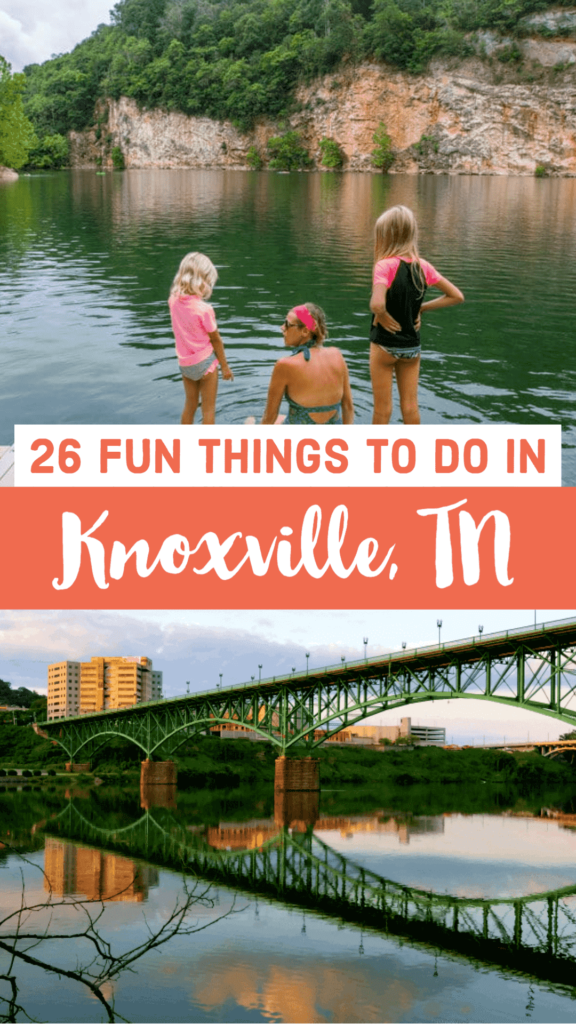
Beyond its historical charm, Knoxville strategically brands itself as a gateway to natural beauty and outdoor adventure. The Tennessee River, winding through the city, is a central brand asset, offering opportunities for kayaking, paddle boarding, and scenic cruises. World’s Fair Park, a legacy of the 1982 World’s Fair, isn’t just a green space; it’s branded as an urban oasis, offering stunning views from the Sunsphere and connecting visitors to expansive lawns and interactive fountains. Nearby, the Ijams Nature Center extends this brand pillar, presenting itself as an accessible wild escape within city limits, featuring extensive trails, a quarry, and educational programs. The ultimate expression of this pillar, however, is Knoxville’s proximity to the Great Smoky Mountains National Park. While not directly within the city, its accessibility positions Knoxville as the ideal base camp for exploring the nation’s most visited national park. This strategic branding leverages the awe-inspiring power of nature, inviting visitors to “see” breathtaking landscapes and engage in invigorating activities, transforming the city into a launching pad for regional exploration and outdoor recreation.
Arts & Culture: The Vibrant Heartbeat
A thriving arts and culture scene injects vitality into Knoxville’s brand, positioning the city as a dynamic and creative hub. The Tennessee Theatre and the Bijou Theatre, two beautifully restored historic venues, are branded not merely as places for entertainment but as architectural masterpieces and cultural landmarks. They host a diverse array of performances, from Broadway shows to live music, signaling Knoxville’s commitment to high-quality artistic experiences. Downtown Knoxville’s numerous art galleries, public art installations, and the lively music scene further cement this brand pillar. The First Friday Art Walk, for instance, is a branded event that transforms the city into an open-air gallery, inviting interaction and discovery. This cultural branding speaks to a sophisticated and engaged audience, offering “what to see” in terms of creative expression, live performances, and a palpable sense of community that values artistic endeavors. It positions Knoxville as a city with a beating creative heart, constantly generating new experiences and expressions.
Crafting the Knoxville Experience: Marketing, Design & Placemaking

A city’s brand is not merely defined by its assets but by how these assets are packaged, communicated, and experienced. For Knoxville, this involves strategic marketing, thoughtful design, and intentional placemaking that transform “what to see” into “how to feel” and “what to remember.”
Digital Storytelling & Visual Identity: Engaging the Modern Traveler
In the digital age, a city’s visual identity and its ability to tell compelling stories online are paramount to its brand success. Knoxville’s tourism organizations and local businesses leverage high-quality photography, engaging video content, and a consistent visual language to present its attractions. Websites and social media channels serve as primary touchpoints, showcasing the vibrancy of Market Square, the tranquility of the riverfront, or the excitement of a live concert. The branding here focuses on creating aspirational content that inspires travel. Through virtual tours, Instagrammable moments, and user-generated content, visitors are invited to “see” Knoxville through an idealized, yet authentic, lens. The digital narrative emphasizes ease of exploration, diversity of experiences, and the welcoming spirit of its community, ensuring that the brand promise resonates long before a visitor sets foot in the city.
Experiential Design & Placemaking: Cultivating Memorable Moments
Beyond digital narratives, the physical design and placemaking efforts within Knoxville are crucial to reinforcing its brand. Spaces like Market Square are not accidental; they are intentionally designed as vibrant public gathering places that encourage interaction, host events, and foster a sense of community. The design of new riverfront developments, the integration of greenways, and the revitalization of historic districts all contribute to an overall brand experience. These initiatives focus on creating pedestrian-friendly areas, accessible public spaces, and aesthetically pleasing environments where “what to see” becomes synonymous with a comfortable, enjoyable, and memorable stay. The thoughtful placement of public art, the landscaping of parks, and the restoration of historical facades are all elements of experiential design that contribute to a cohesive and attractive urban brand, ensuring that every interaction with the city reinforces its positive image.
Measuring Brand Resonance and Economic Impact: Beyond Tourist Numbers
For any brand, understanding its impact is critical. For a city like Knoxville, measuring the success of its brand goes beyond simple visitor counts; it involves assessing resonance, fostering local pride, and calculating long-term economic benefits.
Metrics Beyond Headcounts: Sentiment and Perception
While visitor numbers and tourism revenue are important, a sophisticated brand strategy also evaluates qualitative metrics. This includes tracking social media sentiment, conducting visitor surveys, and analyzing media coverage to understand how Knoxville’s brand is perceived. Are visitors truly “seeing” the city as vibrant, authentic, and welcoming? Is the outdoor brand resonating with adventure seekers? Are cultural enthusiasts finding what they expect? These insights allow brand managers to refine messaging, adapt offerings, and strengthen areas where the brand might be underperforming. The goal is not just to attract visitors, but to create brand advocates who will share their positive experiences, further amplifying Knoxville’s appeal through authentic testimonials and word-of-mouth marketing – arguably the most powerful form of branding.
The Economic Footprint of a Strong Brand: Investment and Sustainability
A robust city brand like Knoxville’s translates directly into significant economic benefits. A clear brand identity attracts not only tourists but also new businesses, skilled talent, and investment. When people “see” Knoxville as an attractive place to visit, they also begin to see it as an attractive place to live, work, and invest. This economic footprint includes increased job creation in tourism and hospitality, support for local businesses (from restaurants to retail), and a stronger tax base that can be reinvested into public services and infrastructure. Furthermore, a strong brand fosters sustainable tourism practices, encouraging responsible exploration of natural and historical assets, ensuring that “what to see” today will remain preserved and appealing for future generations. It underscores that destination branding is not just about marketing a place, but about building a sustainable economic engine and a thriving community.
In conclusion, “what to see in Knoxville, TN” is a question that reveals the depth of its brand strategy. It’s a carefully constructed narrative woven from historical authenticity, natural beauty, and a vibrant cultural scene. Through deliberate marketing, thoughtful urban design, and continuous refinement, Knoxville has crafted a compelling brand identity that invites exploration, fosters connection, and promises a memorable experience, making it a truly distinctive destination within the American South.
aViewFromTheCave is a participant in the Amazon Services LLC Associates Program, an affiliate advertising program designed to provide a means for sites to earn advertising fees by advertising and linking to Amazon.com. Amazon, the Amazon logo, AmazonSupply, and the AmazonSupply logo are trademarks of Amazon.com, Inc. or its affiliates. As an Amazon Associate we earn affiliate commissions from qualifying purchases.