
Drapery, at its fundamental level, refers to textile panels or fabrics used to cover windows, doorways, or walls, often characterized by their elaborate folds, pleats, and hangings. However, in the realm of brand strategy, corporate identity, and design, drapery transcends its basic functional definition to become a potent, albeit often underestimated, element of spatial communication. It is a nuanced design tool capable of articulating brand values, shaping customer perceptions, and contributing significantly to a cohesive marketing narrative within physical environments. Far from being a mere aesthetic accessory, strategic drapery selection and application are integral to crafting distinctive brand experiences and reinforcing an organization’s visual and emotional identity.

More Than Just Fabric: Drapery as a Design Statement
For brands, the choice of drapery is never arbitrary; it is a calculated design decision that speaks volumes about their positioning, values, and desired customer experience. When integrated thoughtfully, drapery can elevate an interior, establish a specific mood, and contribute to the overall sensory journey a brand aims to create.
Defining Drapery in a Commercial Context
In commercial and corporate settings, drapery typically encompasses custom-fabricated window treatments, often extending from floor to ceiling, featuring specific heading styles (e.g., pinch pleat, ripplefold, grommet) and an array of fabric choices. Unlike simpler curtains, drapery often implies a more substantial, tailored, and luxurious finish, designed for both aesthetic impact and functional benefits such as light control, acoustic dampening, and privacy. For a brand, this customizability is paramount. It allows for the precise alignment of fabric weight, texture, pattern, and color with the brand’s established visual guidelines, reinforcing brand consistency across all touchpoints—from a flagship store to a corporate lounge or a boutique hotel lobby.
Historical Roots and Enduring Relevance in Design
The concept of drapery has deep historical roots, dating back to ancient civilizations where fabrics were used for warmth, privacy, and status symbols. From opulent velvet drapes in royal palaces to intricate tapestries adorning medieval halls, drapery has always been associated with luxury, craftsmanship, and a sense of occasion. Today, brands leverage this inherent grandeur and historical resonance. A brand seeking to convey heritage, timeless elegance, or sophisticated luxury might opt for rich, heavy drapery fabrics with classic pleating. Conversely, a modern, minimalist brand might select sheer, unadorned drapery in natural fibers to evoke transparency, simplicity, and contemporary chic. The enduring relevance of drapery lies in its capacity to adapt to diverse aesthetic demands while consistently adding depth, softness, and a curated finish to any space.
Crafting Corporate Identity Through Window Treatments
The physical environment of a business—be it a retail store, office, restaurant, or hotel—is a tangible manifestation of its brand. Within this environment, drapery plays a critical role in shaping how that brand is perceived, contributing directly to its corporate identity.
Reflecting Brand Values and Aesthetics
Drapery acts as a silent ambassador for a brand’s ethos. A financial institution might use subdued, elegant drapery in neutral tones and sophisticated textures to convey trustworthiness, stability, and professionalism. A creative agency, conversely, might opt for vibrant colors, unique patterns, or unconventional fabric blends to reflect innovation, dynamism, and artistic flair. The choice of fabric—silk for luxury, linen for natural authenticity, velvet for opulence, or performance fabrics for durability in high-traffic areas—all communicate specific aspects of a brand’s commitment to quality, aesthetic, and functional needs. Furthermore, the hanging style, fullness, and length of drapery contribute to the overall architectural language of a space, either reinforcing existing lines or introducing contrasting elements that enhance brand distinctiveness.
Enhancing Customer Experience and Perception
The impact of drapery extends beyond mere visual appeal; it significantly influences the emotional and psychological experience of customers and clients. Soft, flowing drapery can create a welcoming, comforting atmosphere in a spa or a hospitality setting, encouraging relaxation and prolonged stays. In a high-end retail environment, luxurious drapery can heighten the sense of exclusivity and prestige, aligning with the perceived value of the products being sold. Acoustic properties of heavier drapery can reduce noise levels, fostering a more intimate and comfortable setting for conversations in a restaurant or meeting room, thereby enhancing the overall service experience. Brands meticulously consider these sensory aspects, understanding that every detail contributes to the overarching brand narrative and customer satisfaction.
The Role of Customization in Brand Cohesion
For brands striving for absolute cohesion, customized drapery is indispensable. This isn’t just about choosing off-the-shelf options; it involves working with designers and manufacturers to create unique solutions. This could mean incorporating specific brand colors into a custom pattern, embroidering a subtle brand emblem, or selecting fabrics that are exclusively dyed to match a precise Pantone reference from the brand’s style guide. Such bespoke elements ensure that the drapery seamlessly integrates with other interior components—furniture, flooring, lighting, and artwork—to present a unified and unmistakable brand identity. This level of customization communicates a brand’s dedication to detail, quality, and uniqueness, differentiating it from competitors who might rely on more generic solutions.
Drapery’s Impact on Marketing and Spatial Storytelling
Marketing today is increasingly about creating immersive experiences. Drapery serves as a powerful tool in spatial storytelling, guiding perceptions and enhancing the visual merchandising strategies of brands.
Visual Merchandising and Retail Environments
In retail, visual merchandising is key to attracting customers and driving sales. Drapery can define product zones, create dramatic backdrops for displays, or add a touch of glamour to changing rooms, transforming a transactional space into an experiential one. The strategic use of drapery can draw attention to new collections, create focal points, or establish seasonal themes that resonate with marketing campaigns. For example, a fashion brand might use light, airy drapery in spring to evoke freshness, switching to rich, heavy fabrics in winter to convey warmth and luxury. This adaptability allows brands to dynamically refresh their physical spaces in alignment with ongoing marketing efforts, maintaining relevance and appeal.
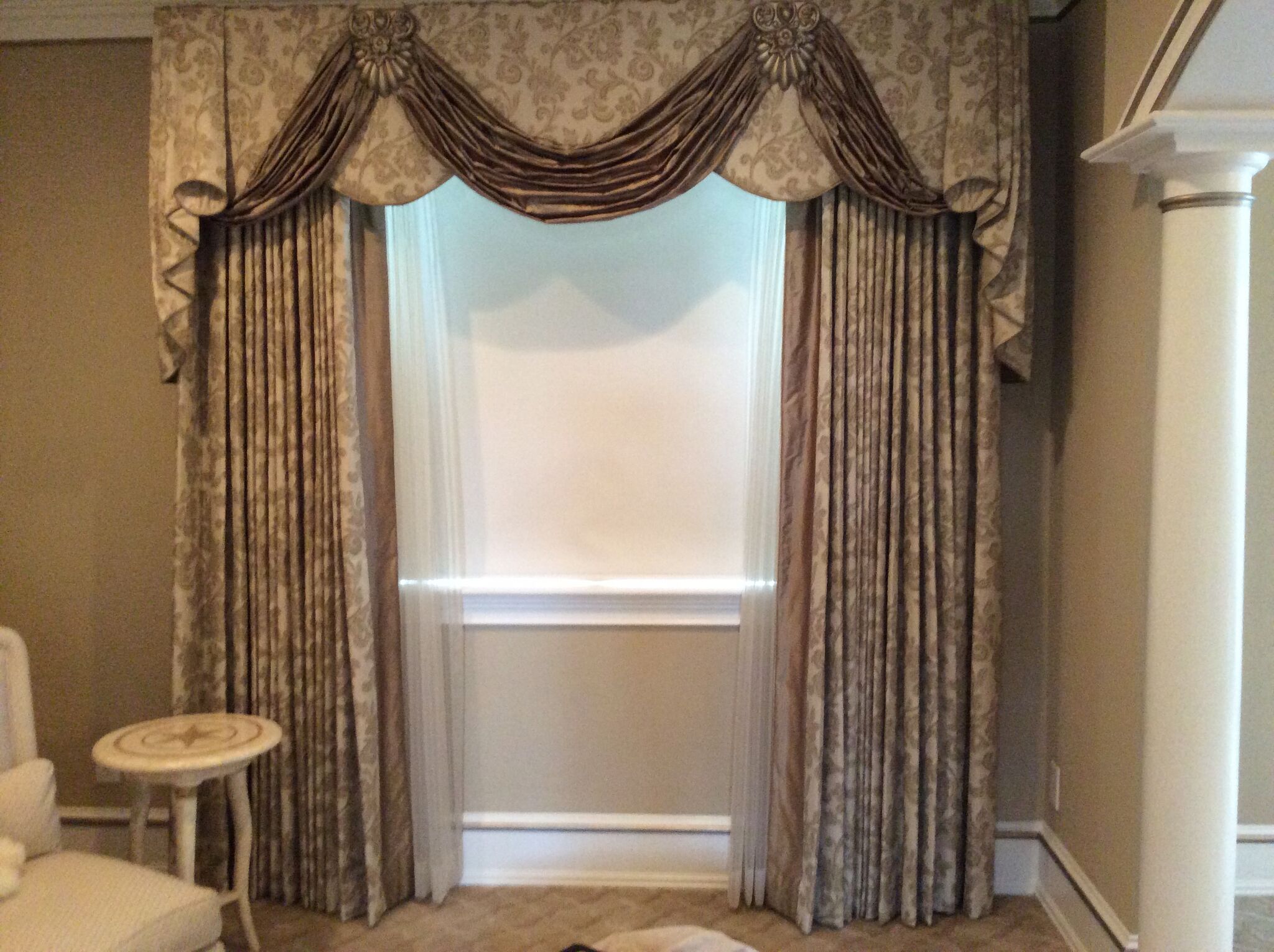
Creating Ambiance for Hospitality and Service Brands
Hospitality brands—hotels, restaurants, and event venues—rely heavily on ambiance to deliver their brand promise. Drapery is instrumental in crafting these atmospheric conditions. In a hotel lobby, grand drapery can establish a sense of arrival and luxury. In a restaurant, the right drapery can create intimate dining nooks, control glare from windows, and enhance acoustics, all contributing to a memorable dining experience. For service brands, such as law firms or medical practices, well-chosen drapery can project an image of calm, competence, and professionalism, making clients feel at ease and confident in the service they are receiving. The ability of drapery to modulate light, sound, and visual privacy makes it an invaluable asset in shaping the desired brand atmosphere.
Photography, Videography, and Digital Brand Presence
In an era dominated by visual content, physical spaces are frequently photographed and videographed for marketing collateral, social media, and online presence. Drapery plays a critical role in these visual representations. Its texture, fall, and interaction with light can add depth, softness, and a professional finish to interior shots. Thoughtfully designed drapery provides an appealing backdrop for product shoots, interviews, or promotional videos, ensuring that the brand’s physical environment consistently projects a polished and aspirational image online. Brands that understand the visual weight of drapery ensure it is always impeccable, contributing positively to every digital impression their physical space makes.
Strategic Selection: Materiality, Function, and Sustainability in Branding
The choice of drapery fabric and design goes beyond mere aesthetics; it encompasses practical considerations that, when aligned with brand values, can further strengthen corporate identity and marketing efforts.
Fabric Choices and Brand Perception
The materiality of drapery is a direct communicator of brand quality and ethos. Brands committed to luxury often select natural silks, velvets, or high-thread-count linens. Those emphasizing durability and practicality might lean towards blended fabrics with inherent stain resistance or fade protection. Eco-conscious brands are increasingly opting for sustainable fabrics like organic cotton, recycled polyester, or hemp, aligning their interior design choices with their commitment to environmental responsibility. Each fabric choice subtly influences brand perception, confirming or challenging customer expectations regarding the brand’s values and product quality.
Functional Benefits as Brand Assets
Beyond their decorative role, drapery offers significant functional advantages that can be leveraged as brand assets. Light control is paramount in many commercial settings, from reducing screen glare in offices to creating optimal viewing conditions in presentation rooms. Acoustic drapery, designed with specific sound-absorbing properties, can dramatically improve the soundscape of noisy environments, a crucial consideration for restaurants, open-plan offices, or event spaces. Energy efficiency is another increasingly valued functional benefit; insulating drapery can help regulate indoor temperatures, reflecting a brand’s commitment to operational efficiency and sustainability. Highlighting these functional benefits in brand communications can resonate with a diverse clientele, adding another layer to the brand story.
Sustainable Drapery and Brand Responsibility
As corporate social responsibility (CSR) becomes a cornerstone of modern branding, the selection of sustainable drapery aligns perfectly with a brand’s commitment to ethical practices. Opting for fabrics made from recycled materials, organically grown fibers, or those produced with minimal environmental impact speaks volumes. Brands that choose suppliers with transparent supply chains and fair labor practices further enhance their reputation. This not only appeals to an increasingly eco-conscious consumer base but also reinforces the brand’s image as a responsible and forward-thinking entity, demonstrating that design choices are made with global impact in mind.
Beyond Windows: Drapery in Interior Architecture and Experiential Design
Drapery’s application extends beyond traditional window treatments, offering innovative solutions for spatial design and experiential branding.
Dividing Spaces and Directing Flow
In large open-plan offices, retail stores, or event venues, drapery can serve as a flexible, visually appealing room divider. Unlike rigid walls, drapes can be easily opened or closed to reconfigure spaces, adapting to different functions or privacy needs throughout the day. This flexibility is a valuable asset for brands that require adaptable environments, allowing for dynamic transitions between public and private zones, collaborative workspaces, or distinct retail departments. The use of drapery in this manner can also soften harsh architectural lines, creating a more inviting and less intimidating environment.
Architectural Drapery for Feature Walls and Ceilings
Brands looking to make a dramatic statement often incorporate architectural drapery onto walls or ceilings. Fabric panels can create stunning visual textures, add acoustic benefits, or conceal unsightly structural elements. A fabric-draped ceiling can transform an ordinary room into an opulent ballroom, while a fabric-paneled wall can add warmth and sophistication to a corporate reception area. This imaginative use of drapery turns functional design elements into art installations, serving as powerful focal points that reinforce a brand’s commitment to cutting-edge design and immersive aesthetics.
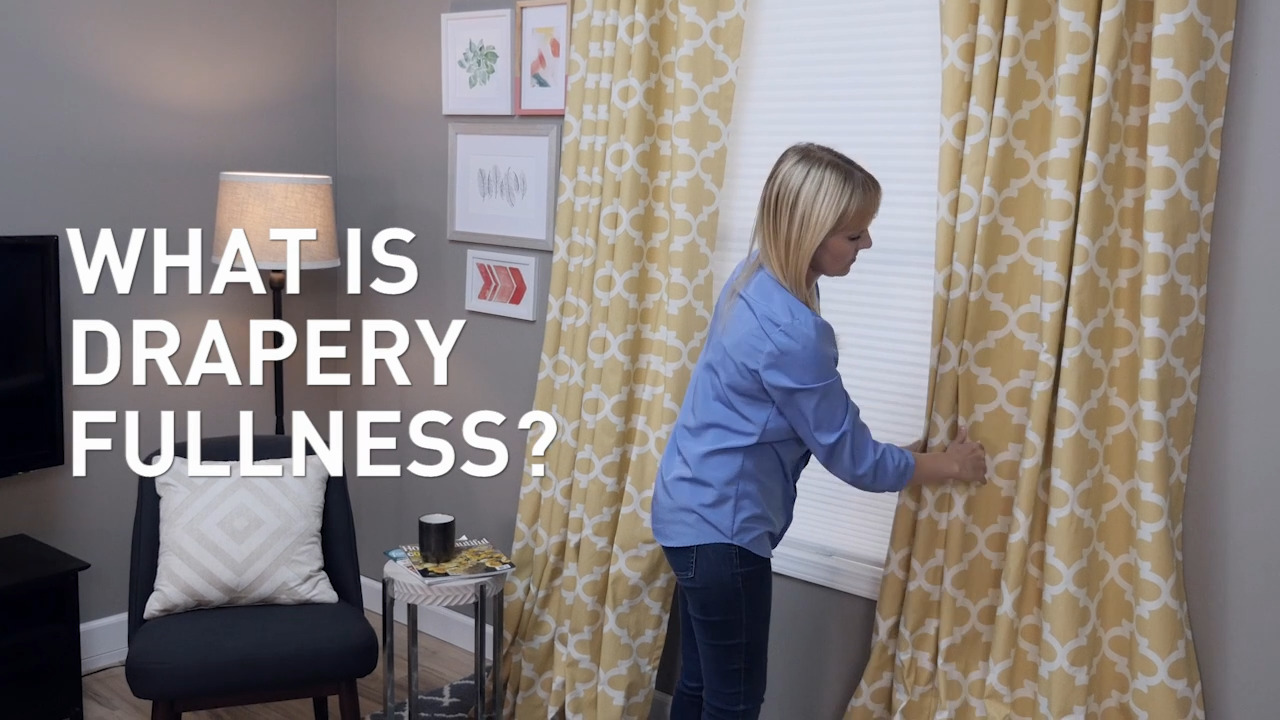
Pop-ups, Events, and Temporary Brand Experiences
For temporary brand activations, pop-up stores, or special events, drapery offers a cost-effective and highly impactful way to create an instant brand environment. Lightweight, easily installable fabric structures can quickly transform a raw space into a branded experience, complete with specific colors, textures, and atmospheres. This rapid deployment capability is invaluable for marketing teams aiming to create buzz and immediate recognition in diverse locations, ensuring brand consistency even in transient settings. Drapery allows for scalable, adaptable, and memorable branded environments that capture attention and leave a lasting impression.
aViewFromTheCave is a participant in the Amazon Services LLC Associates Program, an affiliate advertising program designed to provide a means for sites to earn advertising fees by advertising and linking to Amazon.com. Amazon, the Amazon logo, AmazonSupply, and the AmazonSupply logo are trademarks of Amazon.com, Inc. or its affiliates. As an Amazon Associate we earn affiliate commissions from qualifying purchases.