
Salt Lake City is more than just a geographic location; it is a meticulously constructed brand, a unique proposition presented to the world, inviting engagement and exploration. The very phrase “what to see and do in Salt Lake City” encapsulates the essence of destination branding – outlining the core experiences that define its identity and value to potential visitors. From its spiritual heart to its rugged natural peripheries, every attraction, historical site, and urban amenity contributes to a cohesive narrative, shaping perception and driving visitation. Understanding Salt Lake City’s brand means delving into how its distinct pillars of history, culture, nature, and modernity are strategically interwoven to create a compelling and memorable experience, positioning it as a dynamic and multifaceted destination in the competitive global tourism market. This article will explore how Salt Lake City’s myriad offerings are expertly leveraged to build, strengthen, and project its unique brand identity, attracting diverse audiences and fostering enduring visitor loyalty.

The Core Brand Pillars: History, Faith, and Natural Grandeur
At the heart of Salt Lake City’s brand lies a powerful trinity: its deep historical roots, its prominent religious heritage, and its breathtaking natural surroundings. These elements are not merely points of interest; they are fundamental brand pillars that differentiate SLC from other cities, offering a distinct value proposition to tourists and prospective residents alike. The city masterfully integrates these foundational aspects into a compelling narrative, ensuring that its brand resonates with authenticity and depth. Each pillar contributes a unique dimension, collectively shaping an identity that is both grand and intimately personal.
Temple Square: The Spiritual Anchor of SLC’s Brand
Temple Square stands as the undisputed spiritual and architectural emblem of Salt Lake City, serving as a powerful anchor for its brand. Managed by The Church of Jesus Christ of Latter-day Saints, this 35-acre complex isn’t just a religious site; it’s a meticulously curated visitor experience that embodies the city’s foundational narrative. The iconic Salt Lake Temple, the historic Tabernacle with its renowned choir, the Family History Library (the world’s largest genealogy library), and various visitor centers work in concert to communicate a message of faith, heritage, and community. From a branding perspective, Temple Square offers an unparalleled opportunity for visitors to engage directly with the city’s unique cultural origins. Its free admission, beautifully maintained grounds, and multilingual missionary guides provide an accessible and enriching encounter, transforming casual tourists into brand advocates. The presence of historic structures like the Beehive House and the Lion House, former residences of Brigham Young, further grounds the spiritual brand in tangible pioneer history, adding layers of authenticity and narrative depth to the overall destination identity. This deliberate blending of spiritual significance, historical preservation, and open accessibility crafts a powerful and enduring brand image for Salt Lake City, attracting millions annually and reinforcing its unique position on the global stage.
Pioneer Heritage: Building a Legacy Brand
Beyond Temple Square, Salt Lake City’s brand is deeply intertwined with its pioneer heritage, a narrative of resilience, innovation, and community building. This legacy isn’t confined to historical plaques; it’s actively celebrated and integrated into the city’s identity, forming a robust “legacy brand” that speaks to its origins and character. Sites like “This Is The Place Heritage Park” are prime examples of this. The park is an immersive historical village designed to transport visitors back to the 19th century, allowing them to experience pioneer life firsthand. Through interactive exhibits, re-enactments, and preserved structures, the park reinforces the brand message of hard work, ingenuity, and the foundational spirit that built Salt Lake City.
Similarly, the Utah State Capitol Building, perched majestically overlooking the city, is more than a seat of government; it’s a monumental representation of the state’s and city’s development from those pioneer roots. Its grand architecture, historical exhibits, and prominent location symbolize progress and governance, drawing a clear line from the early settlers’ vision to the modern state. Even the naming conventions, local traditions, and the general ethos of community service often echo this pioneering spirit, embedding it into the city’s contemporary brand. By continuously highlighting its pioneer heritage, Salt Lake City reinforces its unique story, offering a compelling narrative that distinguishes it from other American cities and attracts visitors interested in history, self-reliance, and the American West. This careful cultivation of its legacy brand adds depth and meaning to the visitor experience, creating a strong sense of place and origin.
Gateway to the Wasatch: Nature as a Brand Differentiator
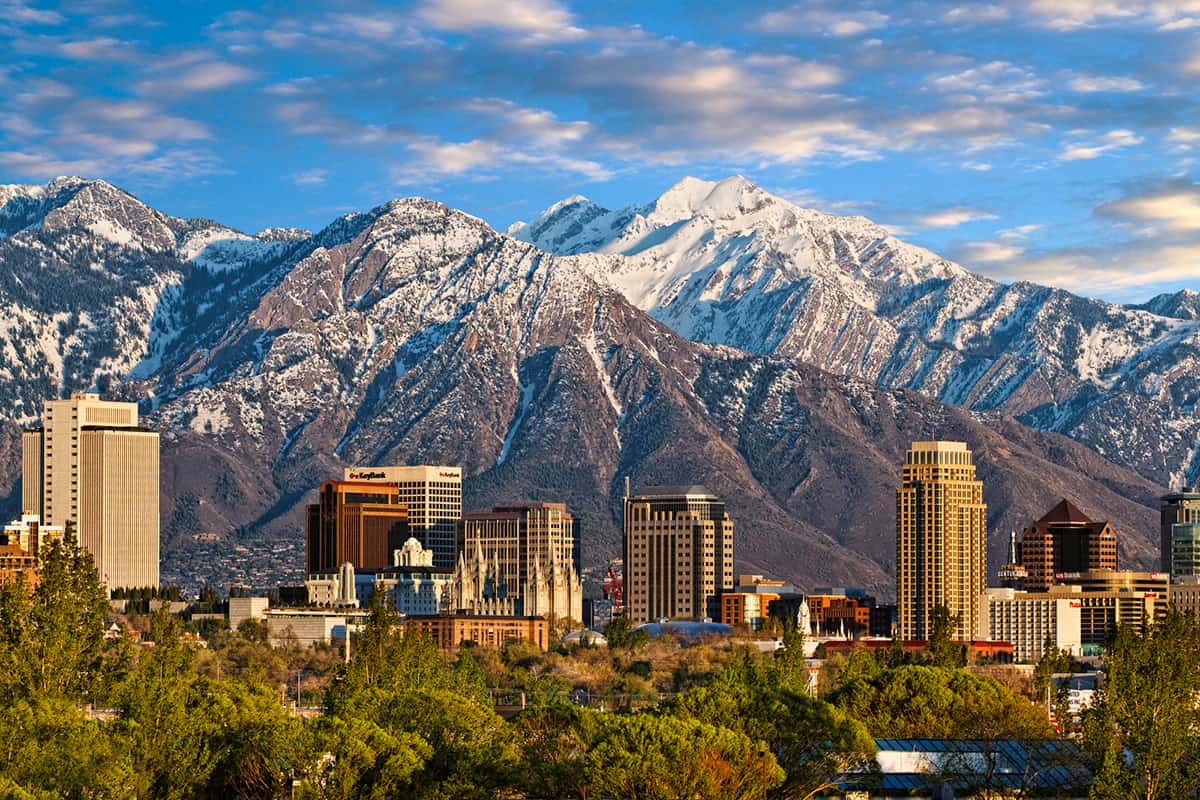
Salt Lake City’s brand strategy profoundly leverages its extraordinary natural setting, positioning itself as the “Gateway to the Wasatch.” The majestic Wasatch Front mountains serve as a dramatic and ever-present backdrop, instantly signaling the city’s strong connection to outdoor adventure and pristine natural beauty. This natural grandeur is not merely an aesthetic asset; it’s a core brand differentiator that underpins a significant portion of its tourism appeal. The proximity to world-class ski resorts like Park City, Alta, and Snowbird is paramount, branding Salt Lake City as a premier winter sports destination, drawing international attention and avid enthusiasts. The legacy of the 2002 Winter Olympics, immortalized at the Utah Olympic Park, further solidifies this image, offering historical significance alongside recreational opportunities like bobsledding and ziplining.
Beyond winter, the mountains offer extensive networks of hiking and biking trails, transforming the city’s brand into a year-round outdoor paradise. The Great Salt Lake, particularly Antelope Island State Park, presents another unique natural attraction, offering wildlife viewing and unparalleled landscapes that diverge sharply from typical urban experiences. Even the Natural History Museum of Utah contributes to this brand pillar, showcasing the region’s geological and biological uniqueness, educating visitors on the very environment that defines SLC’s natural brand. This intentional integration of natural assets into its promotional messaging ensures that Salt Lake City is perceived not just as a city, but as an accessible urban hub on the edge of a vast, exhilarating wilderness, offering a compelling blend of city amenities and unparalleled outdoor adventure. This deep connection to nature significantly enhances its brand appeal, attracting those who seek both urban convenience and adrenaline-fueled escapes.
Urban Offerings as Brand Extensions: Culture, Arts, and Gastronomy
While history and nature form the foundational pillars of Salt Lake City’s brand, its vibrant urban offerings serve as crucial brand extensions, diversifying its appeal and attracting a broader demographic. A modern destination brand must demonstrate dynamism and breadth, and SLC achieves this by cultivating a rich tapestry of cultural experiences, a burgeoning arts scene, and an evolving culinary landscape. These elements show the city’s sophistication and contemporary relevance, moving beyond its historical and natural stereotypes to present a multifaceted urban identity. By investing in and promoting these sectors, Salt Lake City enhances its livability and attractiveness, reinforcing its image as a destination that offers something for everyone, whether seeking high culture, innovative cuisine, or engaging entertainment.
Cultural Canvas: The Arts Scene as a Brand Enhancer
Salt Lake City’s commitment to arts and culture significantly enhances its destination brand, painting it as a sophisticated and vibrant urban center. The city actively fosters a thriving cultural canvas, from high-brow performing arts to accessible public installations, ensuring that art is an integral part of the visitor experience. The Eccles Theater, for instance, is a modern architectural marvel and a cornerstone of the city’s performing arts brand. As a premier venue for Broadway shows, concerts, and other major productions, it positions Salt Lake City as a significant cultural hub in the Intermountain West. Similarly, the Utah Museum of Fine Arts houses an extensive collection spanning various cultures and periods, offering intellectual stimulation and artistic appreciation that appeals to a diverse audience.
The Utah Symphony | Utah Opera further elevates the city’s cultural brand, providing world-class musical and operatic performances that attract connoisseurs and new enthusiasts alike. These institutions are not just entertainment venues; they are cultural ambassadors, signaling the city’s dedication to artistic excellence and contributing to an image of urban sophistication. Beyond these major institutions, the city supports numerous smaller galleries, independent theaters, and public art initiatives that inject creativity into its urban fabric. This rich arts scene broadens Salt Lake City’s brand appeal, demonstrating that it offers more than just historical sites and outdoor activities, but also a dynamic and engaging cultural life that enriches the visitor experience and fosters a sense of intellectual and artistic vitality.
Culinary Identity: Gastronomy as a Brand Experience
A city’s culinary scene is a powerful component of its brand, reflecting its evolving character, diversity, and innovation. Salt Lake City has diligently cultivated its gastronomic identity, moving beyond traditional perceptions to establish itself as a vibrant culinary destination. The downtown dining scene, in particular, showcases this evolution, with a growing array of restaurants offering diverse cuisines, from farm-to-table establishments focusing on local Utah produce to internationally inspired eateries. This culinary diversity serves as a compelling brand experience, catering to varied tastes and preferences, and demonstrating the city’s modernity and cosmopolitan flair.
The emergence of brewpubs and distilleries also plays a crucial role in shaping Salt Lake City’s contemporary brand. Once known for more restrictive alcohol laws, the growth of a craft beverage scene signals a more open, creative, and liberal urban environment. Establishments like Squatters Pub Brewery or High West Distillery (located nearby in Park City, but strongly associated with the SLC region’s appeal) attract visitors seeking unique local flavors and a vibrant social atmosphere. These venues not only offer distinctive products but also serve as social hubs, creating engaging experiences that contribute positively to the city’s brand image. By emphasizing its evolving culinary landscape – from fine dining to craft beverages – Salt Lake City communicates a brand message of innovation, quality, and a dynamic urban lifestyle, making it an attractive destination for foodies and those seeking a complete sensory experience.
Shopping & Entertainment: Retail as a Lifestyle Brand Component
The retail and entertainment landscape of a city provides a vital insight into its lifestyle brand, reflecting its economic dynamism, consumer appeal, and overall urban experience. Salt Lake City strategically leverages its shopping and entertainment offerings to enhance its brand as a modern, convenient, and enjoyable destination. City Creek Center stands as a prime example, serving as a flagship retail brand component. This innovative outdoor shopping mall, complete with a retractable glass roof, a realistic stream, and regular fountain shows, transcends mere commerce; it offers an immersive lifestyle experience. Featuring high-end brands alongside popular retailers, it positions Salt Lake City as a sophisticated shopping destination, appealing to both locals and tourists seeking quality goods and an engaging retail environment.

Beyond traditional shopping, the entertainment sector contributes significantly to the city’s lifestyle brand. Movie theaters, performance venues (including the aforementioned Eccles Theater), and various nightlife options cater to a wide range of interests, ensuring that the city offers vibrant experiences after dark. The increasing number of independent boutiques and local artisan markets further refines this brand, signaling a commitment to unique, community-driven commerce and a departure from generic retail. By offering a comprehensive blend of upscale shopping and diverse entertainment, Salt Lake City projects a brand image of urban vitality and convenience, making it an attractive place not just to visit, but to experience a contemporary, well-rounded lifestyle. This strategic development of its retail and entertainment components is crucial for sustaining its brand appeal and encouraging longer, more engaged visitor stays.
Experiential Branding: Seasonal Narratives and Event Marketing
Salt Lake City’s brand strategy is highly effective in its use of experiential branding, where the focus shifts from merely presenting attractions to crafting memorable experiences. This is particularly evident in its development of seasonal narratives and its robust event marketing efforts. By aligning its promotional activities with the distinct characteristics of each season and by hosting a calendar of engaging events, Salt Lake City actively shapes how visitors perceive and interact with its brand. This dynamic approach ensures that the city remains relevant and exciting year-round, offering fresh reasons to visit and reinforcing its image as a destination of continuous discovery and tailored experiences.
Winter Sports: Branding SLC as a Premier Alpine Destination
The rebranding of Salt Lake City as a premier alpine destination is arguably one of its most successful experiential branding campaigns, primarily fueled by its world-class winter sports offerings. The proximity of resorts like Park City Mountain, Alta, Snowbird, and Brighton allows SLC to be the convenient urban gateway to some of the best skiing and snowboarding on the planet. The famous “Greatest Snow on Earth” tagline, though often attributed to Utah as a state, is a powerful brand asset that SLC proudly adopts, promising unparalleled powder conditions. The legacy of the 2002 Winter Olympics is continuously leveraged, with the Utah Olympic Park not only offering a historical perspective but also opportunities for public bobsledding, ski jumping, and ziplining, turning spectators into participants.
This branding strategy is comprehensive, extending beyond just the slopes. It includes easy access from the airport, a burgeoning apres-ski scene, and a range of accommodation options that cater to luxury seekers and budget travelers alike. Specialized travel packages, international marketing campaigns, and partnerships with major winter sports brands solidify Salt Lake City’s image as the quintessential winter adventure hub. By delivering on the promise of exceptional snow, diverse terrain, and an accessible urban base, Salt Lake City has cultivated a powerful seasonal brand that attracts millions of winter enthusiasts, contributing significantly to its overall destination identity and economic vitality.
Summer Festivals & Outdoor Adventures: Diversifying the Brand Portfolio
To maintain year-round appeal and diversify its brand portfolio, Salt Lake City strategically pivots to experiential branding centered on summer festivals and a vast array of outdoor adventures. Once the snow melts, the city transforms into a vibrant hub for warm-weather activities, showcasing its versatility and broadening its appeal beyond winter sports enthusiasts. The surrounding Wasatch Front mountains become a playground for hiking, mountain biking, rock climbing, and scenic drives, appealing to nature lovers and adventure seekers. Antelope Island State Park offers unique experiences like bison viewing and exploring the Great Salt Lake, providing a distinct natural draw.
Concurrently, Salt Lake City’s calendar fills with numerous summer festivals and events. These range from music festivals and outdoor concerts to farmers’ markets and cultural celebrations, each contributing to a lively and engaging urban brand experience. The Days of ’47 Celebration, for example, commemorates the arrival of the pioneers with parades and rodeos, reinforcing the city’s historical brand in a festive context. The Twilight Concert Series offers accessible live music, attracting diverse crowds to downtown parks. By emphasizing these dynamic summer offerings, Salt Lake City effectively communicates a brand message of year-round excitement and diverse leisure opportunities. This strategic diversification ensures that the city’s brand remains relevant and attractive across all seasons, catering to a wider audience and solidifying its position as a comprehensive adventure and cultural destination.
City-Wide Events: Engaging the Brand Community
Beyond seasonal campaigns, Salt Lake City masterfully employs city-wide events as a powerful tool for experiential branding, fostering a sense of community and providing unique engagement opportunities for visitors and residents alike. These events are meticulously curated to showcase different facets of the city’s brand, from its cultural sophistication to its family-friendly atmosphere. While often associated with Park City, the close proximity and significant spillover effect of the Sundance Film Festival undeniably contribute to Salt Lake City’s brand, positioning it as a culturally relevant and artistically inclined hub, attracting an international audience and media attention. This association elevates the city’s profile, signaling a vibrant arts scene.
Throughout the year, numerous other events punctuate the city’s calendar, each reinforcing different brand attributes. Marathon races and sporting events highlight its active and healthy lifestyle brand. Cultural festivals celebrating diverse communities showcase its inclusivity and modern cosmopolitan character. Holiday celebrations, such as the elaborate Christmas lights display at Temple Square, create a magical atmosphere that attracts families and reinforces a sense of wonder and tradition. By consistently hosting a variety of high-quality events, Salt Lake City creates recurring touchpoints for its brand, turning passive observation into active participation. These events not only generate economic activity but also strengthen emotional connections, building a loyal “brand community” that feels a personal affinity for the city and eagerly anticipates future visits.
Accessibility and Visitor Experience: Strengthening Brand Loyalty
The ultimate test of a destination brand lies in its ability to deliver on its promises through a seamless and positive visitor experience. Salt Lake City’s branding strategy recognizes that accessibility and hospitality are not merely logistical considerations but critical components that strengthen brand loyalty and encourage repeat visitation. By ensuring ease of navigation and providing high-quality accommodations and services, the city reinforces its brand image as welcoming, efficient, and visitor-centric. This focus on practical elements elevates the overall brand perception, transforming a collection of attractions into a holistic and satisfying journey.
Ease of Navigation: Streamlining the Brand Journey
For any destination, the ease with which visitors can navigate its offerings is a critical element in strengthening its brand perception and ensuring a positive experience. Salt Lake City excels in streamlining the “brand journey,” making it remarkably accessible and user-friendly. The city’s grid system, largely laid out by the early pioneers, contributes significantly to this ease of navigation, making it simple for visitors to find their way around the downtown core and beyond. Clear signage, well-maintained infrastructure, and efficient public transportation options further enhance this accessibility. The TRAX light rail system, in particular, plays a vital role, connecting key attractions like Temple Square, City Creek Center, and the Capitol Building, as well as providing convenient access from Salt Lake City International Airport.
This emphasis on straightforward navigation reduces stress for travelers, allowing them to focus more on experiencing the city’s brand rather than getting lost. The compact nature of many downtown attractions means that many popular “see and do” items are within walking distance of each other, fostering a sense of discoverability and intimacy. From a branding perspective, this efficiency communicates a message of thoughtfulness and visitor-centric design. It positions Salt Lake City as a hassle-free destination where the focus is on enjoyment and exploration, rather than logistical challenges. This commitment to ease of access ultimately enhances brand loyalty, as visitors remember a convenient and pleasant experience, encouraging them to return or recommend the city to others.
Accommodation & Hospitality: Delivering on the Brand Promise
The hospitality sector forms the backbone of delivering on Salt Lake City’s brand promise, significantly influencing visitor satisfaction and loyalty. The range and quality of accommodations and the standard of service directly reflect the city’s commitment to a superior visitor experience. Salt Lake City boasts a diverse portfolio of lodging options, catering to various budgets and preferences, from luxurious hotels in the downtown area that offer premium amenities and panoramic views, to boutique hotels with unique character, and reliable extended-stay options. This breadth ensures that the brand’s promise of a welcoming stay can be met by diverse segments of travelers.
Many establishments go beyond basic lodging, integrating local culture and art into their design and services, thereby reinforcing the city’s unique brand. Whether it’s a hotel near Temple Square echoing pioneer aesthetics or a modern downtown hotel featuring local artists, these touches embed the destination’s identity into the stay itself. Moreover, the general spirit of hospitality often observed in Salt Lake City, rooted in its community-oriented heritage, contributes to a warm and inviting atmosphere. Friendly service, helpful recommendations, and a proactive approach to guest needs all play a crucial role in delivering a positive brand experience. By prioritizing comfortable accommodations and genuine hospitality, Salt Lake City ensures that visitors feel valued and well-cared for, which is instrumental in fostering strong brand loyalty and generating positive word-of-mouth, essential for sustained tourism growth.
Conclusion
Salt Lake City’s “what to see and do” is, at its core, a robust and dynamic exercise in destination branding. The city has expertly woven together its distinctive historical narrative, profound spiritual heritage, and unparalleled natural beauty into a compelling set of core brand pillars. These foundational elements are then expanded and enriched by a vibrant array of urban offerings, including a burgeoning arts scene, an evolving culinary landscape, and modern retail and entertainment options.
Furthermore, Salt Lake City’s strategic use of experiential branding through seasonal narratives and a packed calendar of city-wide events ensures its relevance and appeal year-round, transforming passive visitation into active engagement. This comprehensive branding strategy is underpinned by a commitment to an accessible and hospitable visitor experience, from easy navigation through its well-planned streets to a diverse range of quality accommodations. By consistently delivering on its brand promise across all these touchpoints, Salt Lake City not only attracts a diverse audience of tourists but also cultivates a strong sense of place and loyalty, solidifying its position as a multifaceted, memorable, and highly desirable destination on the global stage.
aViewFromTheCave is a participant in the Amazon Services LLC Associates Program, an affiliate advertising program designed to provide a means for sites to earn advertising fees by advertising and linking to Amazon.com. Amazon, the Amazon logo, AmazonSupply, and the AmazonSupply logo are trademarks of Amazon.com, Inc. or its affiliates. As an Amazon Associate we earn affiliate commissions from qualifying purchases.