
Denver, Colorado, long celebrated for its proximity to the Rocky Mountains and its vibrant craft brewery scene, has undergone a radical transformation over the last decade. It has emerged as a premier destination not just for outdoor enthusiasts, but for the global technology community. Frequently dubbed “Silicon Mountain,” the Mile High City is now a nexus for software engineering, aerospace innovation, and digital infrastructure. For the tech-forward traveler or the professional scout, a visit to Denver is an opportunity to witness one of the most dynamic tech ecosystems in the United States.
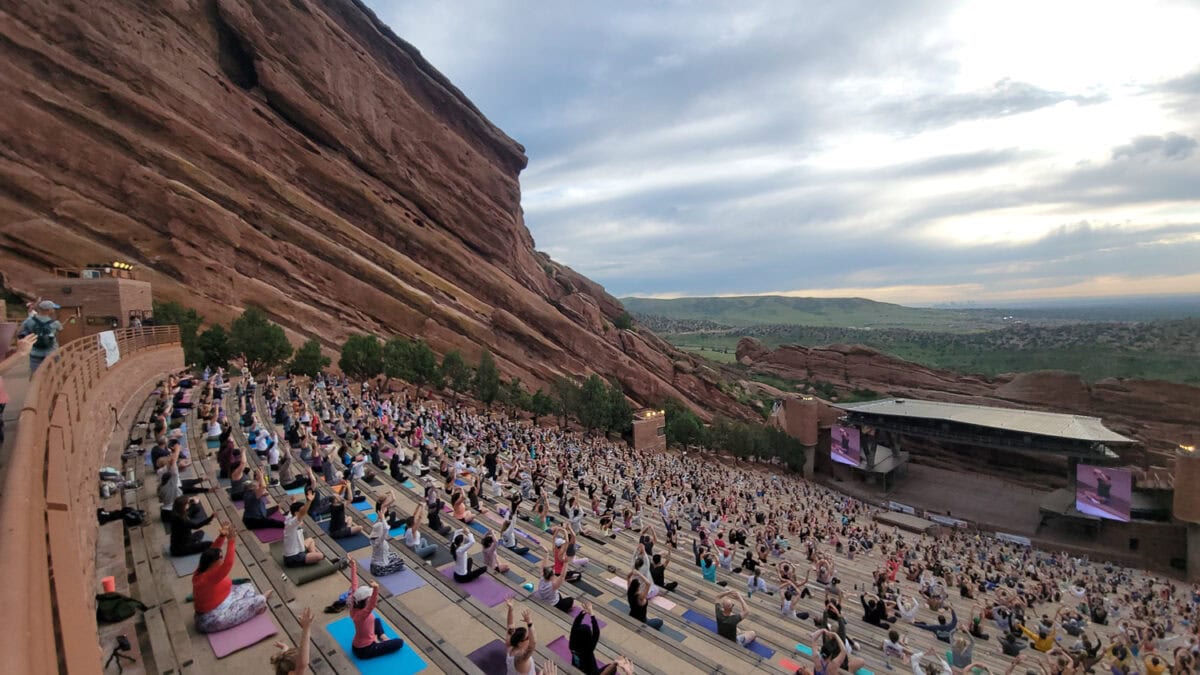
The Rise of Silicon Mountain: Understanding Denver’s Tech Ecosystem
The evolution of Denver from a regional hub to a global tech powerhouse is no accident. A combination of high quality of life, a strategic central time zone, and a steady influx of talent from the coasts has created a fertile ground for innovation. When exploring Denver through a tech lens, the journey begins in the neighborhoods where the code is written and the hardware is built.
Lower Downtown (LoDo) and the Software Corridor
Lower Downtown, or LoDo, serves as the historical heart of the city, yet it is currently the epicenter of its modern digital economy. Walking through these streets, one sees the intersection of 19th-century brick architecture and 21st-century software powerhouses. This area is home to massive satellite offices for companies like Slack, Gusto, and Palantir. These firms didn’t just move here for the scenery; they moved for the density of engineering talent. For those interested in software development and corporate digital strategy, a tour of the LoDo district reveals a high concentration of unicorns and late-stage startups that are redefining HR tech, cybersecurity, and data analytics.
The RiNo District: Where Creativity Meets Code
The River North Art District (RiNo) is perhaps the best representation of how Denver blends creativity with technical prowess. Once an industrial sector, RiNo has been reimagined as a hub for creative tech agencies, digital marketing firms, and software incubators. This is the place to see “design thinking” in action. Many of the city’s most innovative apps—ranging from fintech solutions to fitness trackers—were birthed in the coworking spaces and converted warehouses of RiNo. The neighborhood also serves as a living gallery for how augmented reality (AR) is being integrated into public spaces, with several murals throughout the district featuring interactive digital layers accessible via smartphone.
Immersive Innovation: High-Tech Attractions and Digital Art
Denver offers a unique perspective on how technology can be used to enhance human experience and entertainment. Beyond the office buildings, the city hosts some of the most technologically advanced immersive experiences in the world.
Meow Wolf’s Convergence Station: A Masterclass in Creative Engineering
For anyone interested in the intersection of software, hardware, and immersive design, Meow Wolf’s Convergence Station is a mandatory stop. This massive installation is more than just an art museum; it is a complex feat of creative engineering. The four-story exhibit utilizes sophisticated sensor networks, interactive projection mapping, and custom-coded software to create a responsive environment. Visitors can observe how the installation uses RFID technology to track user progress through a non-linear narrative, allowing for a personalized digital experience within a physical space. It represents the pinnacle of “experience tech,” where the boundaries between the digital and physical worlds are completely blurred.
The Denver Museum of Nature & Science: Space and Digital Exploration
While it is a storied institution, the Denver Museum of Nature & Science has stayed at the cutting edge of digital presentation. The Gates Planetarium is one of the most advanced digital theaters in existence, utilizing high-resolution visualization software to render real-time data from NASA and other space agencies. For those interested in data visualization, seeing how complex astronomical datasets are translated into a 360-degree immersive format provides a masterclass in how we interpret large-scale digital information.
The Aerospace Hub: Touching the Stars from the Mile High City
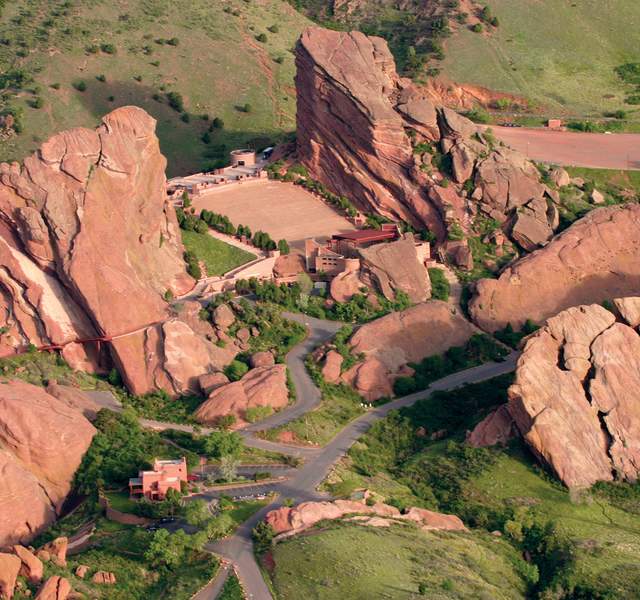
Colorado boasts the second-largest aerospace economy in the United States, and much of that activity is centered in and around Denver. This sector drives significant advancements in hardware engineering, robotics, and satellite communications.
Lockheed Martin and the Space Coast of the West
Just south of Denver lies the Waterton Canyon facility of Lockheed Martin, a massive campus where the next generation of spacecraft is built. While the facility itself is highly secure, the influence of the aerospace industry is felt throughout the city’s tech culture. Denver serves as the operational base for many of the engineers who designed the Orion spacecraft and various Mars landers. Visitors can often find public lectures and tech-focused events hosted by the American Institute of Aeronautics and Astronautics (AIAA) in Denver, offering a deep dive into the software systems required for deep-space navigation.
Small Satellites and the New Space Economy
The “New Space” movement—characterized by smaller, more agile satellite constellations—has a massive footprint in Denver. Companies like York Space Systems and Maxar Technologies (located in nearby Westminster) are revolutionizing geospatial data. The tech to see here is the application of AI and machine learning to satellite imagery. By visiting the innovation centers in the metro area, tech professionals can see how satellite data is being used to predict supply chain movements, monitor climate change in real-time, and provide global internet connectivity.
Denver Startup Week and the Networking Landscape
If you are planning your visit to coincide with the city’s tech pulse, there is no better time than Denver Startup Week. As the largest free event of its kind in the world, it transforms the entire city into a classroom for entrepreneurship and technical skill-building.
Navigating the Largest Free Entrepreneurship Event
Denver Startup Week is a microcosm of the city’s tech priorities. The schedule is typically divided into tracks: Designer, Developer, Founder, Growth, Maker, and Product. For a visitor, this is the ultimate way to see the “how” behind the city’s success. You can attend sessions on everything from the ethical implications of AI to the latest frameworks in full-stack development. It is a unique opportunity to engage with the local tech community without the gatekeeping often found in Silicon Valley.
Coworking as a Service: The Evolution of Flexible Tech Spaces
Denver has one of the highest densities of coworking spaces per capita, and these are not your standard offices. Facilities like Enterprise Coworking or Industry provide “Coworking as a Service,” integrating high-end IoT infrastructure, secure private networking, and digital collaboration tools into their architecture. Touring these spaces provides insight into the future of work and how Denver’s tech workforce remains mobile, connected, and highly productive.
Future-Proofing the City: Cleantech and Smart Infrastructure
As a city located in a fragile alpine ecosystem, Denver has a vested interest in cleantech and sustainable innovation. The city serves as a testing ground for how technology can mitigate urban environmental challenges.
The National Renewable Energy Laboratory (NREL) Influence
While officially located in the suburb of Golden, the National Renewable Energy Laboratory (NREL) casts a long shadow over Denver’s tech scene. NREL is the federal government’s primary laboratory for renewable energy and energy efficiency research. The tech being developed here—ranging from advanced solar cells to hydrogen fuel systems—often spins off into Denver-based startups. Visitors interested in the “Green Tech” sector can explore how the city is integrating these technologies into the local grid, making Denver a model for a high-tech, low-carbon future.
Smart City Initiatives and IoT Integration
Denver is a leader in the “Smart City” movement. Throughout the city, you can observe the deployment of IoT (Internet of Things) sensors used for traffic management, air quality monitoring, and autonomous vehicle testing. The Panasonic “CityNow” project near the Denver International Airport is a prime example. It is a localized smart-city hub where the pavement itself is embedded with sensors to communicate with connected vehicles. Seeing this infrastructure in action provides a glimpse into the future of urban planning, where data is the primary tool for improving the quality of life for citizens.
In conclusion, “what to see and do in Denver” takes on a completely different meaning when viewed through the lens of technology. It is a city where the legacy of the frontier meets the frontier of the digital age. Whether you are analyzing the software clusters in LoDo, exploring the creative coding at Meow Wolf, or investigating the aerospace engineering that powers our exploration of the solar system, Denver stands as a testament to the power of a focused, community-driven tech ecosystem. For those who live and breathe innovation, the Mile High City is not just a destination—it is a glimpse into the future.
aViewFromTheCave is a participant in the Amazon Services LLC Associates Program, an affiliate advertising program designed to provide a means for sites to earn advertising fees by advertising and linking to Amazon.com. Amazon, the Amazon logo, AmazonSupply, and the AmazonSupply logo are trademarks of Amazon.com, Inc. or its affiliates. As an Amazon Associate we earn affiliate commissions from qualifying purchases.