
In the intricate tapestry of global aviation, airline partnerships are far more than mere operational agreements; they are fundamental pillars of brand strategy, shaping an airline’s identity, reach, and customer promise. For an industry titan like American Airlines, understanding its partners is synonymous with grasping its brand’s true scope and value proposition. These alliances are meticulously crafted instruments designed to expand market presence, enhance customer loyalty, and project a unified, dependable image across continents. By strategically aligning with other carriers, American Airlines leverages a collective brand power that transcends its own fleet and network, offering travelers a seemingly boundless horizon of destinations and seamless service.

This article delves into the strategic significance of American Airlines’ partnerships through a brand lens, exploring how these collaborations contribute to its corporate identity, marketing efficacy, and ability to deliver a consistent, globally recognized customer experience. We will dissect the primary alliance and explore crucial bilateral agreements that collectively fortify the American Airlines brand in an ever-evolving market.
The Strategic Imperative of Airline Partnerships for Brand Growth
In today’s interconnected world, no single airline can serve every desired destination with its own aircraft and resources. This logistical reality gives rise to strategic partnerships, which for American Airlines, are not just about filling route gaps but are integral to its brand’s expansion and sustained relevance. These alliances enable the airline to project a global presence, offering an expansive network that might otherwise be impossible to achieve individually.
Expanding Brand Reach and Market Share
Partnerships are a non-capital-intensive way for American Airlines to extend its brand footprint into new markets and territories. By code-sharing, interlining, or fully integrating operations with partner airlines, American effectively offers its customers access to thousands of additional destinations without investing in new aircraft or infrastructure. This expanded reach is crucial for attracting a broader customer base, including business travelers requiring global connectivity and leisure travelers seeking exotic locales. The ability to market a truly global network under the American Airlines brand strengthens its perceived market share and competitive standing against other alliances or independent carriers. It transforms American Airlines from a major domestic carrier with significant international routes into a gateway to virtually any corner of the globe, thereby elevating its brand stature.
Enhancing Customer Value Proposition
A key driver for forming partnerships is the ability to offer a more compelling value proposition to customers. When a passenger books a flight with American Airlines, they expect a certain standard of service, convenience, and connectivity. Partnerships ensure that this expectation is met even when segments of their journey are flown on a partner airline. This includes seamless flight connections, unified baggage handling, shared lounge access, and reciprocal frequent flyer benefits. For the customer, this means earning and redeeming AAdvantage miles across an expanded network, enjoying elite status perks on partner flights, and experiencing a smoother transition between carriers. This integrated experience reinforces the American Airlines brand promise of convenience and premium service, building trust and loyalty. The perceived value of the American Airlines brand is significantly enhanced when it offers a ‘one-stop shop’ for global travel, reducing the complexities and anxieties often associated with multi-airline itineraries.
Differentiating the Brand in a Competitive Landscape
The aviation industry is notoriously competitive, with airlines constantly vying for market share and customer preference. Strategic partnerships serve as a powerful differentiator for American Airlines. Belonging to a major global alliance, for instance, sets it apart from airlines that operate solely independently or within smaller, regional networks. This differentiation is not just about the number of destinations; it’s about the quality and consistency of the global travel experience offered. By aligning with reputable international carriers, American Airlines implicitly associates its brand with their standards of service, safety, and operational excellence. This collective brand strength can be a decisive factor for customers choosing between competing airlines, positioning American Airlines as a reliable and expansive choice for complex itineraries, which ultimately reinforces its premium brand identity.
Unpacking the Oneworld Alliance: American Airlines’ Core Brand Network
At the heart of American Airlines’ global brand strategy lies its membership in the Oneworld Alliance. Established in 1999, Oneworld is one of the world’s leading airline alliances, designed to provide a cohesive and extensive network for international travelers. For American Airlines, Oneworld is not just a partnership; it’s an extension of its brand, enabling a unified global presence and a shared commitment to customer service standards.
Key Oneworld Members and Their Brand Contributions
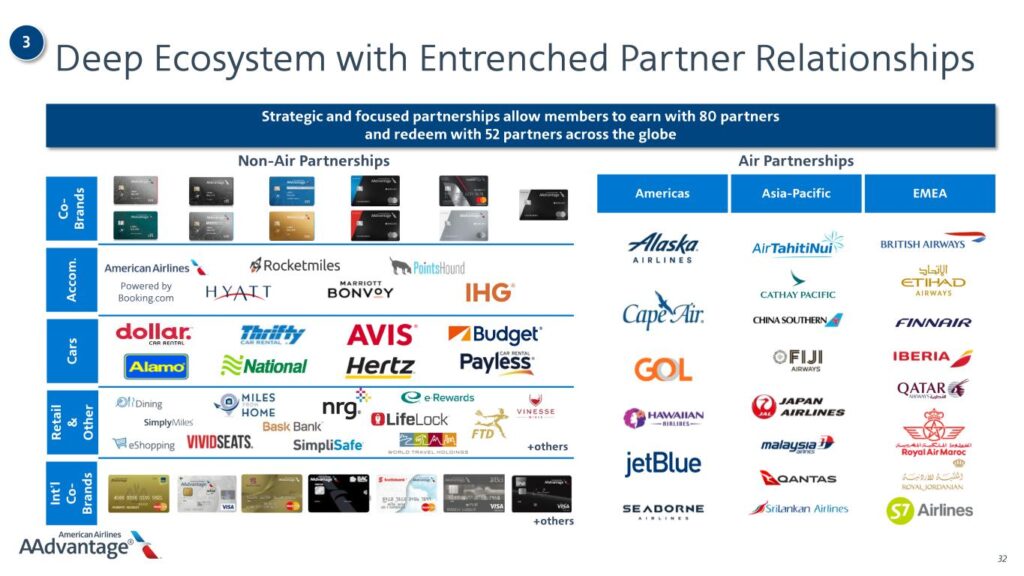
The Oneworld Alliance boasts a roster of some of the most respected airlines globally, each bringing its distinct brand strength and regional expertise to the collective. Key members include:
-
British Airways: A fellow transatlantic giant, BA provides unparalleled access to Europe and beyond, reinforcing American Airlines’ brand in this crucial market.
-
Cathay Pacific: A premium carrier based in Hong Kong, offering strong connectivity across Asia, a vital region for global business and leisure travel.
-
Qantas: Australia’s flagship airline, extending the alliance’s brand reach deep into Oceania, a unique and important market.
-
Japan Airlines (JAL): A prominent Japanese carrier, providing extensive network coverage within Japan and across Asia, crucial for business travelers.
-
Iberia: Spain’s national airline, strengthening the alliance’s brand presence and connectivity to Latin America and Southern Europe.
-
Finnair: A Nordic carrier with a strong focus on routes between Europe and Asia, particularly through its Helsinki hub.
-
Royal Jordanian: A key gateway to the Middle East, expanding the alliance’s brand footprint in this strategically important region.
-
Malaysia Airlines: Enhances coverage in Southeast Asia.
-
Qatar Airways: A rapidly growing premium carrier offering extensive connections via its Doha hub, particularly strong in the Middle East, Africa, and beyond.
-
Alaska Airlines: The newest full member, significantly bolstering American Airlines’ domestic and North American West Coast network.
-
SriLankan Airlines: Provides access to the Indian subcontinent.
-
Fiji Airways: A Oneworld Connect partner, offering further reach into the South Pacific.
Each of these partners contributes to the Oneworld brand by upholding shared standards of service and operational efficiency, collectively enhancing the brand equity of American Airlines as a part of this prestigious group. The combined marketing power and shared brand identity of Oneworld elevate the perception of each member airline.
Synergies in Loyalty Programs and Brand Consistency
A cornerstone of Oneworld’s brand proposition is the seamless integration of its members’ frequent flyer programs. For American Airlines, this means that its AAdvantage members can earn and redeem miles on all Oneworld flights, and their elite status (e.g., AAdvantage Platinum, Executive Platinum) is recognized across the alliance. This reciprocal benefit is a powerful driver of customer loyalty, reinforcing the value of remaining within the American Airlines ecosystem. The consistent application of benefits—such as priority boarding, extra baggage allowance, and lounge access—across partner airlines solidifies the Oneworld brand’s promise of a superior and predictable travel experience. This uniformity is critical for maintaining American Airlines’ brand image as a reliable, customer-centric carrier, regardless of which Oneworld airline a customer flies.
Joint Marketing Efforts and Brand Messaging

Oneworld members actively engage in joint marketing campaigns that promote the alliance as a whole, thereby benefiting each individual brand. American Airlines leverages the Oneworld brand in its own marketing, highlighting the global network access and seamless experience offered. The alliance’s collective messaging emphasizes convenience, global connectivity, and a shared commitment to service excellence. This collaborative brand communication reinforces American Airlines’ image as a forward-thinking global airline that prioritizes its customers’ worldwide travel needs. Through shared branding, such as the Oneworld logo prominently displayed on aircraft and at airports, the alliance creates a powerful visual representation of its unity and reach, bolstering American Airlines’ corporate identity.
Beyond Oneworld: Bilateral Partnerships and Brand Specialization
While Oneworld forms the core of American Airlines’ alliance strategy, the airline also cultivates a network of significant bilateral partnerships outside the alliance framework. These specialized relationships serve distinct brand objectives, allowing American Airlines to fill specific network gaps, enhance its offering in particular markets, or adapt swiftly to evolving competitive dynamics.
Strategic Codeshares and Route Expansion
Bilateral codeshare agreements allow American Airlines to place its flight code on flights operated by non-Oneworld partners. This expands its virtual network in targeted regions without requiring the extensive integration of a full alliance membership. These partnerships are often highly strategic, focusing on specific routes or regions where Oneworld might have limited coverage or where a strong local carrier can provide superior market access. For instance, such agreements might exist with airlines in parts of South America, Africa, or smaller Asian markets, providing American Airlines customers with more choices and convenient connections to destinations not directly served by Oneworld members. From a brand perspective, this demonstrates American Airlines’ commitment to comprehensive global connectivity, ensuring that its brand promise extends even to specialized, niche markets.
Focused Brand Experiences and Market Agility
These non-Oneworld partnerships allow American Airlines to develop more focused brand experiences tailored to specific market needs. For example, a bilateral partnership might involve enhanced loyalty benefits or shared lounge access on specific routes, without extending these benefits across the entirety of the partner airline’s network. This allows American Airlines to be more agile in its brand positioning and service offerings in particular geographies, complementing the broader, more standardized Oneworld strategy. Such targeted alliances can also be formed and dissolved with greater flexibility, enabling American Airlines to adapt quickly to changes in demand, competitive threats, or geopolitical shifts, maintaining brand relevance and responsiveness.
Adapting to Market Dynamics and Competitive Brand Positioning
In a dynamic industry, independent partnerships provide American Airlines with an additional layer of flexibility to respond to market shifts. For example, forming a codeshare agreement with an airline that has a strong presence in an emerging market allows American Airlines to quickly establish a brand presence there without the complexities of full alliance integration. These partnerships can also be leveraged for competitive positioning, allowing American Airlines to offer alternatives to routes dominated by rival alliances or to strengthen its hand in key competitive corridors. This strategic agility reinforces American Airlines’ brand as a proactive and adaptable global player, capable of navigating complex market conditions while continuously enhancing its network and customer offering.
The Impact of Partnerships on the American Airlines Brand Identity
The cumulative effect of American Airlines’ partnership strategy is a profound influence on its overall brand identity. These alliances are not merely operational necessities; they are deeply intertwined with how the airline perceives itself and, more importantly, how it is perceived by its vast global customer base.
Building a Global Brand Image
Through Oneworld and its bilateral agreements, American Airlines has successfully cultivated an image as a truly global carrier. No longer seen as merely a major domestic player with international routes, its brand now resonates with worldwide connectivity. This global image is crucial in attracting a diverse clientele, from multinational corporations requiring extensive business travel options to intrepid tourists seeking far-flung adventures. The consistent display of partner logos, joint marketing materials, and shared service standards reinforces this perception, embedding the idea of American Airlines as a reliable bridge to the world in the minds of consumers.
Fortifying Customer Trust and Loyalty
The seamless integration and reciprocal benefits offered through partnerships are powerful tools for building and fortifying customer trust and loyalty. When travelers experience consistent service, easy connections, and recognized loyalty benefits across multiple carriers under the American Airlines umbrella, their confidence in the brand grows. This reliability reduces travel friction and enhances the overall journey, leading to repeat business and positive word-of-mouth recommendations—invaluable assets for any brand. Customers know that booking with American Airlines offers access to a dependable global network, and this assurance is a key component of its brand equity.
Navigating Brand Challenges and Opportunities through Collaboration
In an industry susceptible to unforeseen events—from economic downturns to global health crises—partnerships offer American Airlines a collective resilience. Sharing resources, intelligence, and even marketing efforts during challenging times helps mitigate risks and sustain brand visibility. Conversely, alliances also open doors for collective innovation. Whether it’s piloting new sustainable aviation initiatives, developing advanced digital tools for a more integrated travel experience, or launching innovative joint ventures, these collaborations allow American Airlines to leverage partner strengths and collective brainpower. This cooperative approach demonstrates a forward-thinking brand that is committed to continuous improvement and industry leadership, benefiting from shared opportunities that individually might be too complex or costly to pursue.
Conclusion
American Airlines’ extensive network of partnerships is a testament to its sophisticated brand strategy, extending its reach, enriching its customer value proposition, and solidifying its position as a global aviation leader. From the foundational strength of the Oneworld Alliance, which provides a cohesive global network and consistent brand experience, to the agile and specialized bilateral agreements that fill strategic niches, these collaborations are indispensable. They enable American Airlines to present a robust, reliable, and truly global brand identity to its customers.
In essence, understanding “what airlines are partners with American Airlines” is to understand the very fabric of its brand in the modern aviation landscape. These alliances are not just operational conveniences; they are dynamic, living extensions of the American Airlines brand, continually evolving to meet market demands, drive growth, and deliver on the promise of a connected world. The strategic management of these partnerships remains a critical function, ensuring that the collective brand strength continues to elevate American Airlines’ standing in the eyes of travelers worldwide.
aViewFromTheCave is a participant in the Amazon Services LLC Associates Program, an affiliate advertising program designed to provide a means for sites to earn advertising fees by advertising and linking to Amazon.com. Amazon, the Amazon logo, AmazonSupply, and the AmazonSupply logo are trademarks of Amazon.com, Inc. or its affiliates. As an Amazon Associate we earn affiliate commissions from qualifying purchases.