
In the high-stakes theater of a professional interview, every question is an opportunity to reinforce your personal brand. While most candidates spend weeks polishing their “strengths” and “achievements,” the inevitable question—”What is your greatest weakness?”—often remains the most feared. However, from a brand strategy perspective, this question isn’t a trap designed to expose your failures; it is a diagnostic tool used to measure your self-awareness, integrity, and growth mindset.
In the world of corporate identity and marketing, a brand that claims to be perfect is often viewed with skepticism. Consumers—and by extension, employers—gravitate toward authenticity. By mastering the art of discussing your weaknesses, you are not merely admitting a flaw; you are demonstrating the resilience and transparency of your personal brand.
The Philosophy of Flaws: Why Weaknesses Matter to Your Personal Brand
To understand why recruiters ask this question, we must look at it through the lens of brand positioning. Your personal brand is the sum of the perceptions others hold about your professional capabilities. If your brand is built solely on a facade of perfection, it becomes fragile. Integrating your growth areas into your narrative creates a more robust, “human-centric” brand.
Shifting from Vulnerability to Authenticity
In personal branding, authenticity is the highest currency. When you answer the weakness question honestly, you move away from being a “commodity” (a generic worker) and toward being a “personality” (a self-aware professional). The goal is to show that you understand your current boundaries and are actively expanding them. This creates a brand image of a “work in progress” that is high-value because it is adaptable.
The Psychology of the “Weakness Trap”
Recruiters use this question to filter out two types of low-value brands: the “Arrogant Brand” (who claims to have no weaknesses) and the “Unaware Brand” (who provides a weakness that is actually a deal-breaker for the role). The “Strategic Brand,” however, understands the “Pratfall Effect”—a psychological phenomenon where competent people become more likable after making a mistake or admitting a flaw. By showing a controlled “flaw,” you actually increase your brand’s relatability and trust.
Strategic Storytelling: Crafting Your Narrative
A brand is nothing more than the stories people tell about it. When discussing a weakness, you are in complete control of the narrative arc. You are the protagonist, the weakness is the antagonist, and your proactive solution is the resolution.
Identifying “On-Brand” Weaknesses
The secret to choosing the right weakness lies in market research—specifically, the job description. Your weakness should be a skill or trait that is peripheral to the core requirements of the job. For example, if you are applying for a Brand Strategy role, a weakness in “advanced data coding” is acceptable, as long as you are proficient in data interpretation. It is a “safe” weakness that doesn’t compromise your core value proposition.
The Transformation Arc: From Limitation to Learning
Every weakness you present must be accompanied by a “Redemption Arc.” This is where you explain the steps you have taken to mitigate the weakness. In branding, this is known as “product evolution.” You are showing the employer that you have identified a bug in your system and have successfully rolled out a patch.
- State the Weakness: Be clear and concise.
- Provide Context: Explain how it manifested in the past.
- Show the Solution: Describe the specific tools, courses, or habits you’ve adopted.
- Highlight the Result: Share how this improvement has added value to your previous teams.
Practical Frameworks for a Branded Response

To maintain a professional and engaging tone, your response should follow a structured framework. This ensures you don’t ramble—a common mistake that can dilute your brand’s impact.
The “Skills Pivot” Strategy
This strategy involves identifying a hard skill that you haven’t mastered yet but are currently learning. It positions your brand as “Growth-Oriented.”
Example: “Early in my career, I focused heavily on creative brand design but realized my brand strategy was lacking in quantitative depth. I recognized that to provide a full-service identity package, I needed to understand Google Analytics. Over the last six months, I’ve completed two certifications and now use data-driven insights to back every design choice I make.”
Avoiding the “Perfectionist” Cliché
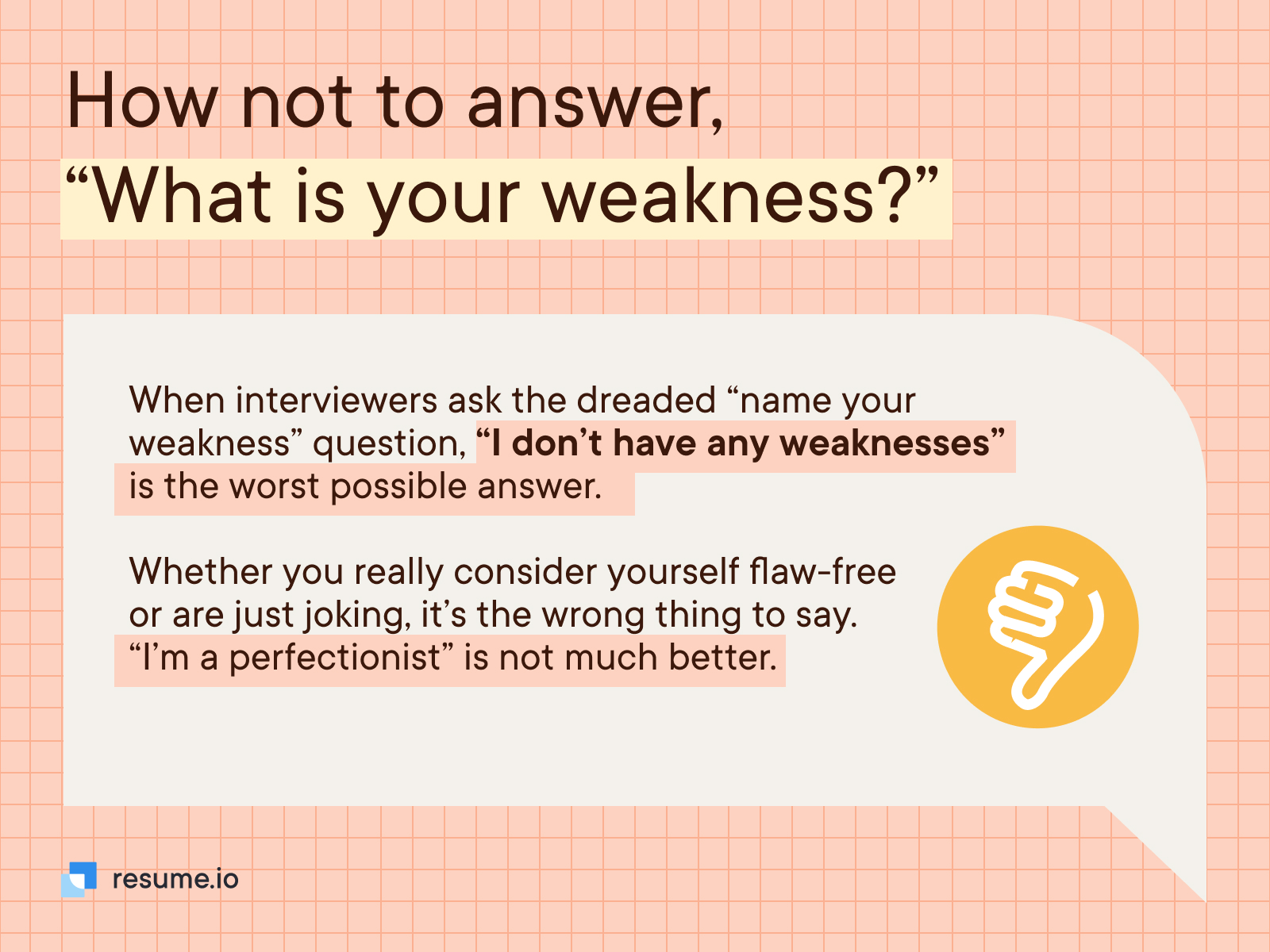
In the realm of personal branding, saying “I’m a perfectionist” or “I work too hard” is the equivalent of a corporate brand using a generic, overused slogan. It feels insincere and lazy. From a marketing standpoint, it’s a “cliché” that fails to differentiate you from the competition. Instead, reframe perfectionism into something specific, like “delegation.”
Better approach: “In the past, I struggled with delegating high-stakes tasks because I wanted to ensure the brand voice remained consistent. However, I realized this was creating a bottleneck. I’ve since implemented a peer-review system and a comprehensive brand style guide that allows my team to produce quality work without my constant oversight.”
The “Soft Skill” Calibration
Sometimes, your weakness is a personality trait. In this case, your brand story should focus on “Calibration.”
Example: “I have a very direct communication style. While this is great for efficiency, I realized it could sometimes be perceived as dismissive in a collaborative brainstorming environment. To refine my personal brand as a leader, I’ve been practicing ‘active listening’ techniques and ensuring I provide positive reinforcement before offering a critique.”
Aligning Your Weaknesses with Corporate Identity
A successful brand doesn’t just exist in a vacuum; it exists in relation to other brands. Your personal brand must fit within the “Corporate Identity” of the company you are interviewing with. This requires a deep dive into their company culture and values.
Researching the Company Culture
Before the interview, analyze the company’s brand voice. Are they a disruptive tech startup that values “failing fast”? Or are they a legacy financial institution that values “risk mitigation”?
- For Disruptors: Your weakness can be “being too cautious.” Showing that you are learning to take more calculated risks aligns with their brand.
- For Legacy Brands: Your weakness could be “impatience with slow processes.” Showing how you’ve learned to navigate complex hierarchies demonstrates that you respect their corporate identity.
Positioning Growth Areas as Future Assets
Think of your weakness as a “Product Roadmap.” You are telling the employer: “Here is where I am today, and here is the upgraded version of me you will have in a year.” By aligning your personal growth goals with the company’s trajectory, you make your brand an indispensable asset. If the company is planning to expand into international markets, and your weakness is “lack of experience in global marketing,” mention that you are currently studying international trade laws. You are essentially pre-selling your future value.
Long-term Brand Maintenance Post-Interview
The way you handle the “weakness question” sets the tone for your entire tenure at a company. It establishes a brand promise of honesty and self-improvement.
Integrity and Brand Consistency
If you get the job based on the growth plan you outlined, you must follow through. Brand consistency is the key to long-term career success. If you claimed you were working on your public speaking, seek out opportunities to present. This reinforces your brand as one that delivers on its promises, which is the cornerstone of a strong professional reputation.
The Feedback Loop
In the corporate world, brands constantly seek feedback via surveys and market data. You should do the same for your personal brand. Once you are in the role, ask your manager: “When we spoke in the interview, I mentioned I was working on [Weakness]. How have you seen me progress in that area, and where can I further improve?” This high-level engagement shows a level of brand maturity that few candidates possess.

Conclusion: The Strength of a Well-Defined Weakness
Ultimately, the “weakness” question is an exercise in brand management. By selecting a genuine, non-critical flaw and pairing it with a robust improvement plan, you demonstrate the core pillars of a premium personal brand: self-awareness, proactive problem-solving, and a commitment to excellence.
Don’t view your weaknesses as liabilities. In the competitive marketplace of modern careers, your ability to acknowledge, manage, and evolve past your limitations is precisely what makes your personal brand valuable. It turns you from a static resume into a dynamic, evolving professional who is ready to meet the challenges of an ever-changing corporate landscape. By following this strategic approach, you ensure that even when you are talking about your “downsides,” you are consistently selling your “upside.”
aViewFromTheCave is a participant in the Amazon Services LLC Associates Program, an affiliate advertising program designed to provide a means for sites to earn advertising fees by advertising and linking to Amazon.com. Amazon, the Amazon logo, AmazonSupply, and the AmazonSupply logo are trademarks of Amazon.com, Inc. or its affiliates. As an Amazon Associate we earn affiliate commissions from qualifying purchases.