
The indelible image of Arthur “Fonzie” Fonzarelli, played by Henry Winkler in the classic sitcom Happy Days, is etched in the collective memory of popular culture. Beyond his slicked-back hair, leather jacket, and effortless cool, The Fonz was a master of the impactful, memorable catchphrase. These short, punchy utterances weren’t just dialogue; they were miniature brand statements, encapsulating his persona, influencing his audience, and ultimately contributing to the enduring legacy of the character and the show. In the realm of brand strategy, understanding how and why these phrases resonated so deeply offers valuable lessons for creating powerful, recognizable, and emotionally engaging brands today.
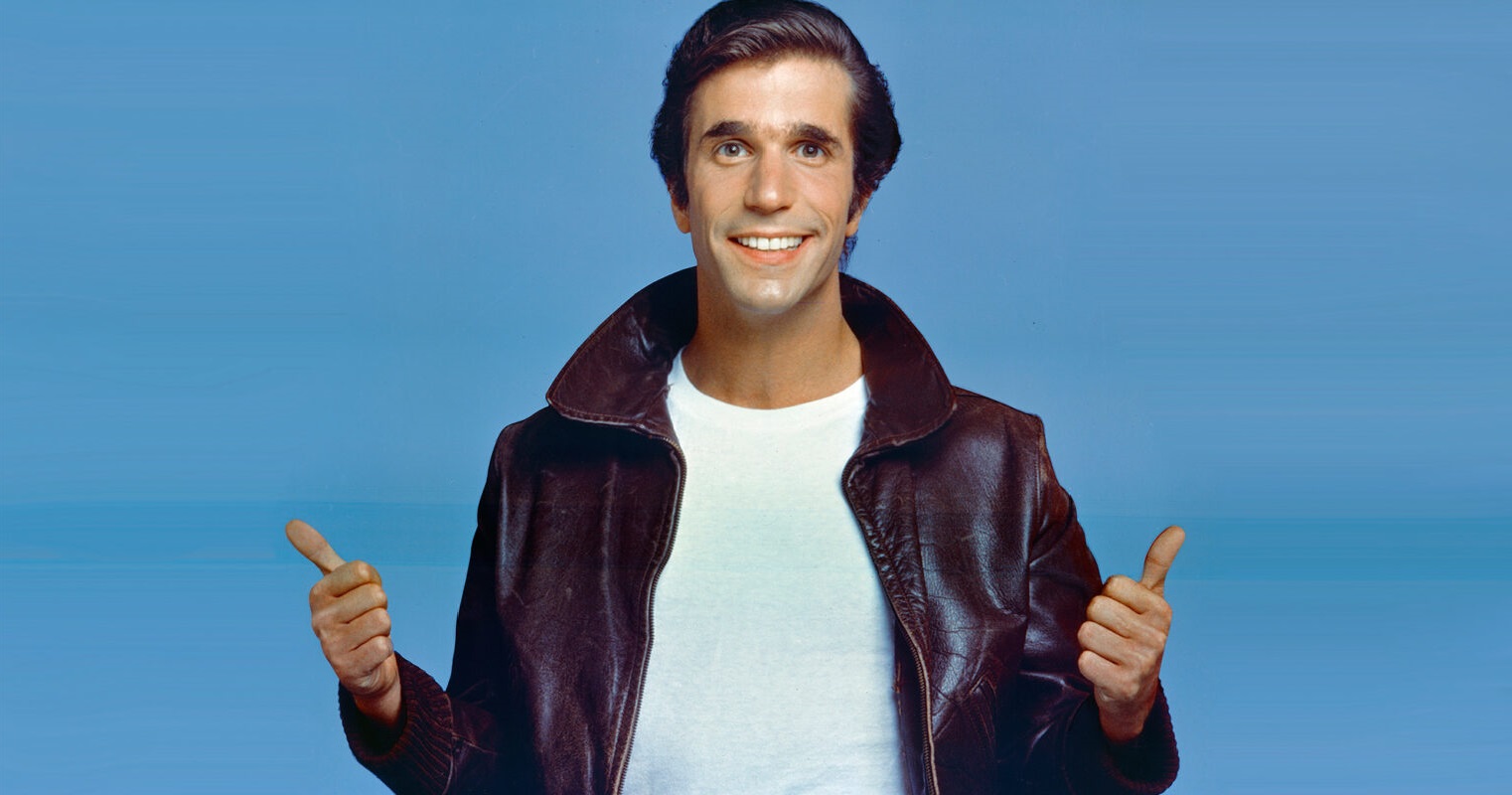
The Power of Pithy: Crafting a Distinctive Brand Voice
The Fonz’s vocabulary, though limited, was meticulously curated. Each exclamation served a specific purpose, not just in advancing the plot, but in solidifying his character and his place within the social hierarchy of Happy Days. This deliberate construction of a distinct voice is a cornerstone of effective personal and corporate branding.
A. Establishing a Unique Persona Through Verbal Cues
The Fonz’s utterances acted as immediate identifiers. “Ayyyy!” was more than just an exclamation; it was a signal of approval, agreement, or simply his presence. This monosyllabic burst, delivered with a characteristic inflection, became synonymous with his cool, confident demeanor. Similarly, “Sit on it!” was his dismissive, yet not entirely unkind, way of rejecting an idea or suggestion. These phrases, repeated consistently, allowed audiences to instantly recognize and relate to The Fonz, even in situations where his visual presence might have been less prominent.
In branding, this translates to developing a unique and consistent voice that sets a company apart. Whether it’s a playful, authoritative, or empathetic tone, the language employed should be instantly recognizable as belonging to that specific brand. Think of the distinctive, often quirky, pronouncements of brands like Mailchimp or the straightforward, reassuring language of certain financial institutions. The goal is to create verbal cues that, like “Ayyyy!”, become shorthand for the brand’s identity.
B. The “Cool Factor”: Associating Words with Desired Attributes
The Fonz was the epitome of cool. His catchphrases, by association, absorbed and amplified this attribute. When he said “Ayyyy!”, it wasn’t just a sound; it was the sound of someone who knew what was up, who was in control, and who exuded effortless charisma. This is a powerful branding tactic: associating specific words or phrases with desirable qualities that the brand wants to embody.
Brands can achieve this by carefully selecting language that aligns with their core values and target audience aspirations. If a brand aims for innovation and forward-thinking, its language might lean towards terms that convey progress and excitement. Conversely, a brand focused on reliability and trust might adopt a more measured and reassuring tone. The key is to ensure that the language consistently reinforces the desired brand attributes, making it an integral part of the brand’s perceived identity. The Fonz’s catchphrases were a masterclass in this, making “cool” a tangible, audible element of his character.
C. Memorable and Shareable: The DNA of Viral Branding
In an era before social media, The Fonz’s catchphrases achieved a level of virality that was remarkable. They were easy to remember, easy to repeat, and easy to integrate into everyday conversation. This inherent memorability and shareability is the holy grail of modern marketing and brand building. Brands that can create phrases or taglines that stick in the public consciousness have a significant advantage.
Consider the enduring appeal of taglines like Nike’s “Just Do It” or McDonald’s “I’m Lovin’ It.” These are not just slogans; they are linguistic anchors that connect consumers to the brand on an emotional and behavioral level. The Fonz’s success demonstrates that even simple, informal utterances can achieve this if they are authentic to the character and resonate with the audience. The goal is to create language that people want to repeat, that becomes part of their own lexicon, thereby extending the brand’s reach organically.
The Impact of Repetition: Reinforcing Brand Messaging
One of the most effective techniques employed by The Fonz was the strategic and consistent repetition of his signature phrases. This wasn’t mere redundancy; it was a deliberate strategy to embed these expressions into the minds of the audience and reinforce the core essence of his character. In branding, repetition is not the enemy of creativity; it is often the engine of recognition and recall.
A. Building Familiarity and Trust Through Consistent Communication

The constant presence of “Ayyyy!” and other Fonz-isms created a sense of familiarity. With each utterance, the audience felt more connected to the character, building a subtle yet powerful form of trust. This familiarity breeds comfort and predictability, which are crucial for building long-term brand loyalty. When consumers encounter a brand’s consistent messaging across various touchpoints, they develop a sense of reliability and understanding.
For businesses, this means ensuring that brand messaging, tone of voice, and key phrases are consistently applied across all marketing channels, customer service interactions, and even internal communications. This unwavering consistency creates a cohesive brand experience, fostering trust and making the brand feel dependable and recognizable. The Fonz’s repeated exclamations served as constant touchpoints, reinforcing his established persona and making him a reliable presence in the Happy Days universe.
B. Creating an Emotional Connection Through Shared Language
Catchphrases, when used effectively, tap into shared experiences and emotions. The Fonz’s “Ayyyy!” often signaled a moment of triumph, a successful outcome, or a shared understanding amongst the characters. This created an emotional resonance, allowing the audience to feel a sense of shared joy or satisfaction when they heard it. In branding, this translates to using language that evokes desired emotions and connects with consumers on a deeper level.
Brands that can tap into the emotional landscape of their target audience will inevitably build stronger connections. Whether it’s the excitement of achieving a goal, the comfort of security, or the simple pleasure of a shared experience, the language used should aim to evoke these feelings. The Fonz’s catchphrases, while seemingly simple, served as emotional cues, signaling approval, solidarity, or a moment of resolution, thereby deepening the audience’s engagement with the character and the show.
C. Driving Recall and Brand Recognition in a Cluttered Marketplace
In today’s saturated marketplace, capturing and retaining consumer attention is a formidable challenge. The Fonz’s catchphrases, due to their memorability and consistent use, significantly boosted recall of his character. People remembered The Fonz not just for his actions, but for his distinctive way of speaking. This is precisely the kind of brand recall that businesses strive for.
Brands that can develop a memorable tagline, a distinctive slogan, or even a unique product name that sticks in the consumer’s mind have a powerful competitive advantage. The Fonz’s success highlights the principle that simple, effective, and consistently deployed language can cut through the noise and ensure that the brand remains top-of-mind. It’s about creating linguistic hooks that make the brand unforgettable.
The Legacy of a Catchphrase: Enduring Brand Identity
The lasting impact of The Fonz’s catchphrases is a testament to their effectiveness as branding tools. Decades after Happy Days went off the air, “Ayyyy!” is still instantly recognizable and evokes the image of a cultural icon. This enduring power demonstrates how carefully crafted linguistic elements can contribute to a timeless brand identity.
A. From Character Trait to Cultural Icon: The Anthropomorphism of Language
The Fonz’s catchphrases transcended their function as simple dialogue; they became anthropomorphic representations of his personality. “Ayyyy!” wasn’t just something he said; it was an extension of his very being. This process of linguistic anthropomorphism is a powerful mechanism for solidifying a brand’s identity in the minds of consumers. When a brand’s language becomes so ingrained that it feels like an intrinsic part of its personality, it has achieved a significant level of branding success.
Brands can learn from this by ensuring their language consistently reflects their core values and desired persona. Whether it’s a brand that aims to be seen as innovative, reliable, or playful, the chosen language should embody these traits. The Fonz’s impact shows that sometimes, the most effective way to build a brand is to give it a distinct, memorable voice that people can connect with on a personal level.
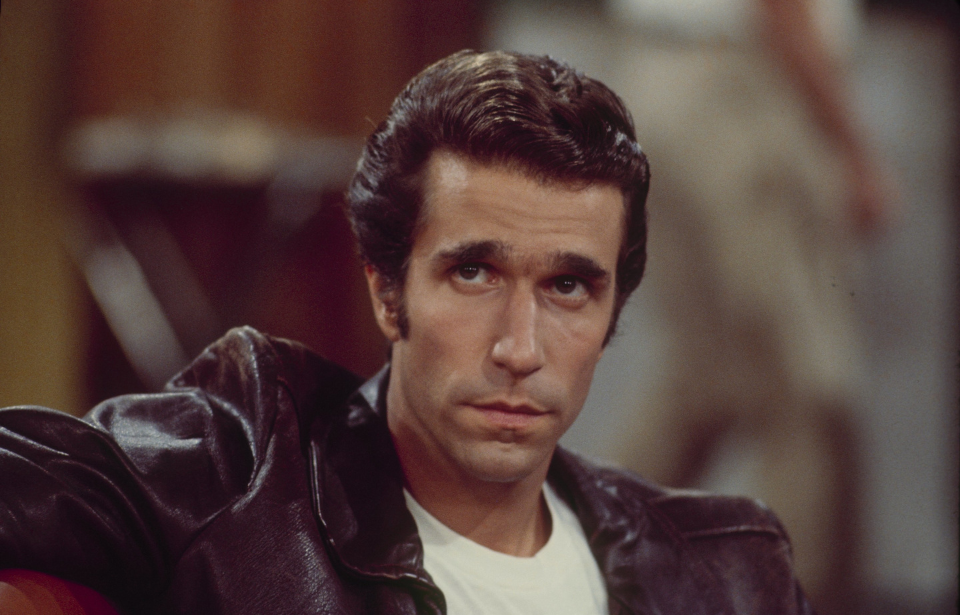
B. The Application of Iconic Phrasing in Modern Marketing Campaigns
The principles behind The Fonz’s successful catchphrases are actively applied in contemporary marketing. Marketers understand the power of a well-crafted, memorable phrase to capture attention, convey a message, and build brand recognition. From advertising jingles to social media campaigns, the goal is to create linguistic hooks that resonate with the target audience.
Think about how many successful modern brands have built their identity around a core tagline or a signature phrase. These elements serve as mnemonic devices, instantly connecting consumers to the brand and its associated values. The Fonz’s enduring appeal reminds us that even in the age of sophisticated digital marketing, the fundamental power of simple, impactful language remains a critical component of building a strong and lasting brand. The question “What does the Fonz say?” has become a proxy for understanding the enduring power of a distinctive and resonant brand voice.
aViewFromTheCave is a participant in the Amazon Services LLC Associates Program, an affiliate advertising program designed to provide a means for sites to earn advertising fees by advertising and linking to Amazon.com. Amazon, the Amazon logo, AmazonSupply, and the AmazonSupply logo are trademarks of Amazon.com, Inc. or its affiliates. As an Amazon Associate we earn affiliate commissions from qualifying purchases.