
The meteoric rise of the A Court of Thorns and Roses (ACOTAR) series by Sarah J. Maas is not merely a literary success story; it is a masterclass in brand architecture and market disruption. For professionals in the branding and marketing space, the “Maasverse” represents more than a collection of novels—it represents a high-engagement ecosystem that has redefined the “Romantasy” (Romance/Fantasy) genre. When we ask “what to read” after such a monumental cultural touchstone, we are essentially asking how to identify other brands that successfully replicate this level of consumer loyalty, aesthetic consistency, and narrative momentum.
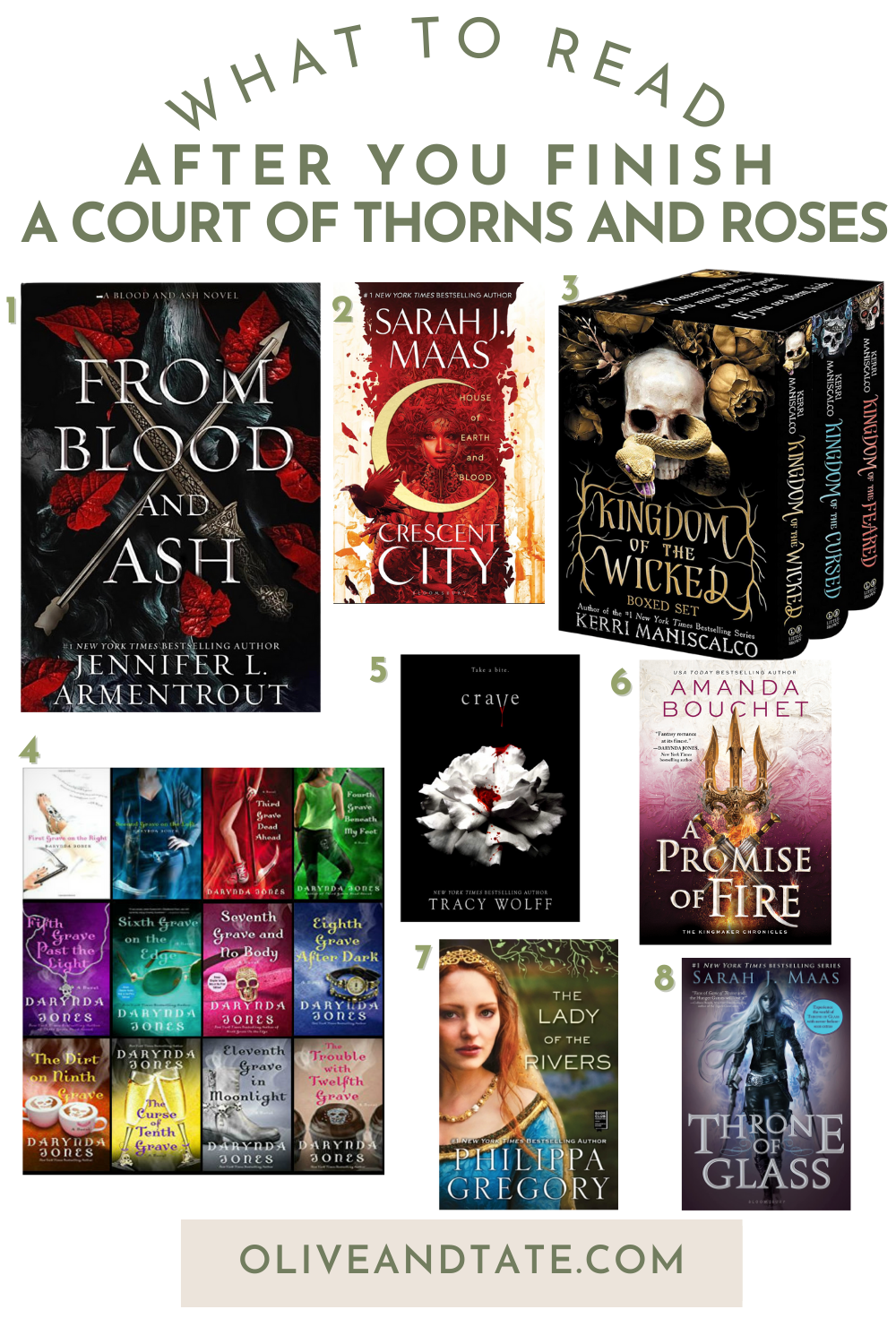
To understand the brands that follow in the wake of ACOTAR, one must first deconstruct the core brand pillars that made the series a global phenomenon. It is through this lens of brand strategy that we can identify the next wave of “must-read” intellectual properties and market leaders.
The Sarah J. Maas Phenomenon: A Case Study in Personal Brand Loyalty
Sarah J. Maas has achieved what few authors or corporate entities ever do: she has transformed her name into a “Masterbrand.” In the same way that consumers buy an Apple product or a Nike sneaker regardless of the specific model, readers consume Maas’s work because they trust the brand promise of high stakes, emotional resonance, and world-building.
Building an Ecosystem, Not Just a Series
The success of ACOTAR lies in its interconnectedness. Maas has pioneered an “Expanded Universe” strategy similar to the Marvel Cinematic Universe (MCU). By creating overlapping lore and easter eggs across her different series—Throne of Glass and Crescent City—she ensures that the lifetime value (LTV) of a single reader is maximized. Once a reader finishes ACOTAR, the brand strategy nudges them toward her other titles to solve the puzzles embedded in the narrative. This is a classic retention strategy that turns a one-time purchase into a lifelong brand relationship.
Emotional Hook and Aesthetic Consistency
From a design perspective, the ACOTAR brand is meticulously curated. The evolution of its cover art—from illustrative fantasy to minimalist, high-end “adult” aesthetics—mirrors a strategic shift in brand positioning. The brand successfully pivoted to appeal to both younger “BookTok” demographics and older, affluent readers who want their bookshelves to look sophisticated. This visual consistency creates a recognizable “shelfie” appeal, which is essential for organic social media marketing.
The “BookTok” Effect: Leveraging Community-Driven Marketing
The “what to read next” conversation is largely dictated by the democratic forces of social media, specifically TikTok and Instagram. The ACOTAR brand did not just happen to go viral; it provided the specific “brand assets” necessary for virality. In brand strategy, we call this “User-Generated Content (UGC) Optimization.”
Viral Loops and User-Generated Content
ACOTAR is rich with “vibe-based” elements: specific colors, music pairings, and character archetypes that are easily replicable by creators. This has created a self-sustaining viral loop. When a reader asks what to read after ACOTAR, they are looking for a brand that offers the same community infrastructure. Brands like Rebecca Yarros’s Fourth Wing have capitalized on this, utilizing “Special Editions” and limited-release merchandise to drive scarcity and social proof—tactics traditionally found in the luxury fashion and tech industries.
The Power of Niche Influencers
The recommendation engine for Romantasy is powered by niche influencers who act as brand ambassadors. These creators don’t just review books; they curate lifestyles around them. After ACOTAR, the brands that succeed are those that engage with these gatekeepers. To understand the next big brand, one must look at the “early adopters” in the community who are signaling shifts toward darker sub-genres or high-fantasy hybrids. This is market research in its most raw and effective form.
Identifying Core Brand Pillars for Content Migration

For a consumer looking to “read after ACOTAR,” the migration is rarely about the plot alone. It is about finding another brand that fulfills the same emotional and psychological “Jobs to be Done.” In brand strategy, we categorize these as the brand’s core pillars. If we analyze what readers are truly seeking, we can identify three distinct brand trajectories for post-ACOTAR consumption.
The “High-Stakes Romance” Pillar
Many readers are drawn to the “Enemies-to-Lovers” trope, which in branding terms is a study in tension and resolution. Brands like Carissa Broadbent’s The Serpent and the Wings of Night have successfully occupied this space. They offer a more “prestige” feel—darker, more visceral, and targeted toward a demographic that has “graduated” from the more whimsical elements of early ACOTAR. This is a classic “Upmarket” move.
The “World-Building and Lore” Pillar
For the reader who values the complexity of the world, the next logical brand is often a “Legacy Brand” like Brandon Sanderson or Jennifer L. Armentrout. These authors represent the “IBM” of the fantasy world—reliable, expansive, and deeply entrenched in the market. Transitioning from Maas to Armentrout is a move toward a brand that offers a higher volume of content, ensuring that the consumer never experiences “content drought.”
The “Aesthetic and Lifestyle” Pillar
Some readers are more invested in the “Dark Academia” or “Cottagecore” aesthetic associated with the books. For them, the recommendation isn’t just another book; it’s an entire brand experience. This includes brands like The Invisible Life of Addie LaRue by V.E. Schwab, which positions itself as a “boutique” brand—literary, artistic, and highly stylized.
Monetizing the Fandom: From Physical Goods to Digital Experiences
What makes the post-ACOTAR market so lucrative from a business perspective is the vertical integration of the brand. The journey doesn’t end with the final page of the book. The “What to Read After” question is frequently answered with “What to Buy After.”
Licensing and Strategic Partnerships
The brand strategy of ACOTAR has paved the way for extensive licensing. From apparel to scented candles and high-end jewelry, the intellectual property (IP) is leveraged across multiple categories. This is a blueprint for how modern authors and publishers can diversify their revenue streams. When looking for the next ACOTAR, investors and brand strategists look for “licensable IP”—stories with iconic symbols, distinct geography, and character “uniforms” that can be translated into physical products.
Building a Subscription-Based Community
Many authors following the Maas model have moved toward subscription services like Patreon or Reams. This shifts the brand from a transactional model (buying one book) to a recurring revenue model. Fans pay for early access, bonus content, and direct community engagement. This “membership” model is the gold standard of brand loyalty, creating a moat that protects the brand from market fluctuations.
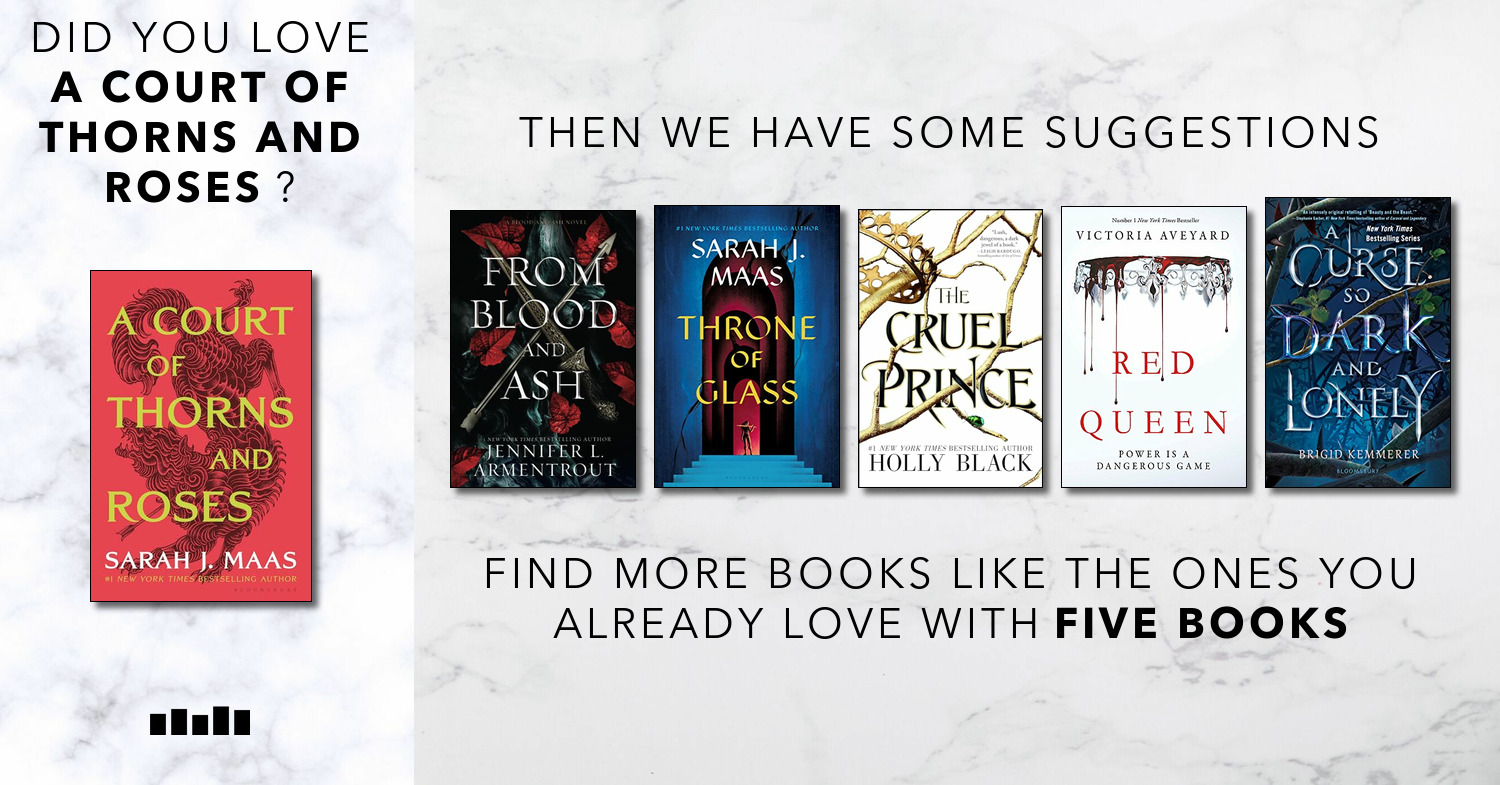
The Future of High-Engagement Branding
The question of “what to read after ACOTAR” is ultimately a question of where the attention economy is moving next. The success of this series has proven that there is a massive, underserved market for high-concept, emotionally-driven content that bridges the gap between commercial and prestige branding.
As we look toward the future, the brands that will dominate the space are those that understand the importance of “Omnichannel Storytelling.” They will not just exist as books on a shelf but as digital communities, aesthetic movements, and lifestyle choices. For the strategist, the ACOTAR phenomenon serves as a reminder that a brand’s strength is not just in its product, but in the world it creates and the community it fosters.
The next “ACOTAR” is likely currently in the “Beta” phase—perhaps as a self-published series on Kindle Unlimited or a serialized story on a platform like Substack. By applying the principles of brand architecture, market positioning, and community engagement, these emerging creators are building the next generation of literary empires. For the reader, the “what to read” is a journey of discovery; for the professional, it is a fascinating study in the power of modern brand building.
aViewFromTheCave is a participant in the Amazon Services LLC Associates Program, an affiliate advertising program designed to provide a means for sites to earn advertising fees by advertising and linking to Amazon.com. Amazon, the Amazon logo, AmazonSupply, and the AmazonSupply logo are trademarks of Amazon.com, Inc. or its affiliates. As an Amazon Associate we earn affiliate commissions from qualifying purchases.