
The traditional concept of the bedroom dresser has undergone a radical transformation in the digital age. Once a mere repository for physical photographs, jewelry boxes, and perfume bottles, the dresser surface has evolved into a strategic piece of real estate for the modern technophile. As we move toward more integrated smart home ecosystems, the dresser is often the first and last point of contact we have with our digital lives each day.
Optimizing this space requires a balance between functionality, aesthetics, and the seamless integration of hardware. Whether you are looking to streamline your morning routine with automated data or create a sanctuary for high-end device maintenance, what you place on top of your dresser defines the “operating system” of your personal environment.
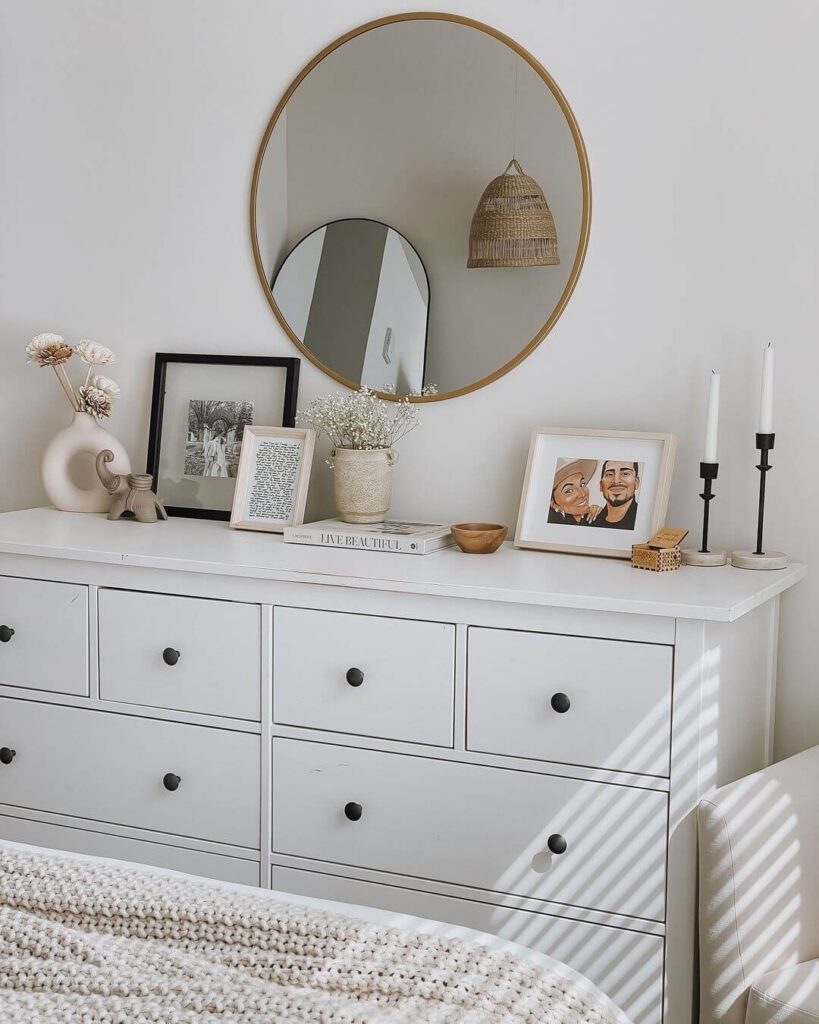
The Digital Command Center: Smart Hubs and Integrated Displays
The most significant upgrade to any modern dresser is the installation of a central smart hub. In the hierarchy of smart home architecture, the bedroom hub acts as the primary interface for environmental controls and information delivery.
Smart Displays as Visual Dashboards
A high-resolution smart display, such as a Google Nest Hub or an Amazon Echo Show, serves as the modern alternative to the traditional alarm clock. Placing this on your dresser allows for a dedicated visual dashboard that can display your calendar, weather forecasts, and stock market updates at a glance. For those who integrate their home security into their bedroom, these displays act as a secondary monitor for doorbell cameras and nursery feeds, providing peace of mind without the need to reach for a smartphone.
Voice Assistants for Morning Routine Automation
Beyond the screen, the dresser is the ideal location for high-fidelity voice assistants. By utilizing the dresser’s height, microphones can better capture voice commands across the room. Sophisticated users utilize these hubs to trigger “routines”—for example, a single voice command can simultaneously brew coffee in the kitchen, adjust the smart thermostat, and read the day’s top headlines while you get dressed. This eliminates the “friction” of manual device management during the most time-sensitive part of the day.
Power Management and Wireless Charging Infrastructure
One of the greatest challenges of the tech-enabled bedroom is cable clutter. The top of the dresser often becomes a tangled mess of proprietary charging cables for smartphones, tablets, and wearables. Solving this requires a shift from standard cables to integrated power management systems.
Multi-Device GaN Charging Stations
Gallium Nitride (GaN) technology has revolutionized the size and efficiency of power adapters. A sleek, multi-port GaN charging station on the dresser can power a laptop, a tablet, and a smartphone simultaneously using a single wall outlet. Look for stations with high wattage output (100W or higher) to ensure that even power-hungry devices are topped up quickly. To maintain a professional aesthetic, these stations should be paired with braided cables and cable organizers that prevent the wires from slipping behind the furniture.
Under-Surface Qi and MagSafe Integration
For those who prefer a minimalist or “invisible tech” look, the dresser surface can be modified with hidden wireless chargers. Advanced Qi-standard chargers can now transmit power through up to 30mm of wood. By mounting these chargers to the underside of the dresser top, you create a “magic” spot where you can simply set your phone or wireless earbuds down to begin charging. For Apple users, MagSafe-compatible stands provide a vertical mounting solution that allows the device to stay in “Standby Mode,” turning the phone into a secondary status display while it draws power.
Wearable Maintenance Docks
Smartwatches and fitness trackers require specialized charging connectors. Rather than letting these devices lie flat on the dresser, dedicated charging docks provide a structured home for wearables. High-end docks often combine a phone charger with a dedicated arm for an Apple Watch or Garmin, ensuring that your bio-tracking hardware is organized and ready for the next day’s data collection.
Atmospheric Tech: Environmental Control and Sensory Optimization

The dresser is not just a place for screens; it is a platform for devices that manage the air quality, lighting, and acoustic environment of the room. Technology in this category focuses on sleep hygiene and biological optimization.
Smart Air Purifiers and Quality Monitors
Indoor air quality significantly impacts cognitive function and sleep quality. Placing a compact, IoT-enabled air purifier on the dresser ensures that the air you breathe while sleeping is filtered of PM2.5 particles and allergens. Many of these devices, such as those from Dyson or Coway, include built-in sensors that transmit real-time data to your phone. By monitoring VOCs (Volatile Organic Compounds) and humidity levels, you can automate your HVAC system to react to the specific conditions of your bedroom.
Smart Lighting and Circadian Rhythm Support
The dresser often hosts a lamp, but in a tech-focused home, this lamp should be equipped with smart bulbs capable of full-spectrum color tuning. Lighting ecosystems like Philips Hue or Nanoleaf allow users to sync their bedroom lighting with their circadian rhythms. On top of the dresser, you might also consider a “Sunrise Alarm” lamp. These devices simulate a natural dawn by gradually increasing light intensity, which signals the brain to reduce melatonin production naturally, leading to a more refreshed waking state compared to a jarring audio alarm.
Acoustic Engineering and Soundscapes
High-quality Bluetooth speakers or smart speakers with spatial audio capabilities belong on the dresser to provide an immersive acoustic experience. Whether it is a white noise generator to mask urban sounds or a high-end speaker like a Sonos Era for late-night high-fidelity listening, the dresser’s solid surface acts as a natural resonator. Advanced users can integrate these speakers with “Sleep Tech” apps that play specific frequencies (like pink or brown noise) designed to deepen REM cycles.
Digital Security and Smart Storage Integration
The dresser has traditionally been a place for valuables, and technology has introduced new ways to secure those items while maintaining ease of access.
Biometric Safes and Tech-Enabled Lockboxes
Traditional jewelry boxes are being replaced by biometric safes that sit discreetly on the dresser top. These devices use capacitive fingerprint sensors or NFC (Near Field Communication) to grant access. For the tech-conscious user, these safes provide a secure location for hardware wallets (cold storage for cryptocurrency), spare high-capacity SSDs, and sensitive physical documents. Some smart safes even feature Wi-Fi connectivity, sending an alert to your smartphone if the unit is moved or if an unauthorized access attempt is made.
Smart Cameras and Privacy Shutters
For those who utilize indoor security cameras, the dresser provides an elevated vantage point to monitor the room. However, privacy is paramount in the bedroom. The latest generation of smart cameras features physical privacy shutters that slide over the lens when the user is home. Integrating these into your dresser setup allows you to monitor your home while away, with the hardware-level assurance that your private space remains private when you are present.
The Aesthetic of Modern Tech Minimalism
The transition from a “cluttered” dresser to a “tech-optimized” dresser is as much about design as it is about hardware. The goal is to move away from the “server room” look and toward a refined, intentional aesthetic.
Digital Photo Frames and Rotating Art
One of the best ways to reclaim space on a dresser is to replace multiple physical photo frames with a single, high-end digital art display. Devices like the Aura Mason or the Meural Canvas allow you to cycle through thousands of high-resolution images or digital paintings. These frames can be updated remotely by family members, turning the dresser into a living gallery of digital memories. Because they utilize light sensors, they can automatically dim their displays at night to avoid disrupting sleep.

Cable Management and Tech Organizers
To complete the tech-driven dresser, one must invest in high-quality cable management. Silicone cable clips, magnetic cable weights, and felt desk mats can be used on the dresser surface to define specific zones for different devices. A felt or leather “valet tray” with integrated wireless charging provides a soft landing spot for your daily carry—keys, phone, and wallet—while keeping the surface of the dresser protected from scratches.
By thoughtfully selecting the technology you place on top of your dresser, you transform a static piece of furniture into a dynamic ecosystem. This is no longer just a place to store clothes; it is the physical bridge between your analog rest and your digital productivity. Whether through the integration of smart hubs, the optimization of power delivery, or the curation of environmental sensors, the top of the dresser represents the cutting edge of personal space management.
aViewFromTheCave is a participant in the Amazon Services LLC Associates Program, an affiliate advertising program designed to provide a means for sites to earn advertising fees by advertising and linking to Amazon.com. Amazon, the Amazon logo, AmazonSupply, and the AmazonSupply logo are trademarks of Amazon.com, Inc. or its affiliates. As an Amazon Associate we earn affiliate commissions from qualifying purchases.