
In the golden age of advertising, the “Sweet Jane” archetype was the undisputed queen of the marketplace. She represented the “Innocent” brand archetype—wholesome, reliable, predictable, and fundamentally safe. From the smiling faces on cereal boxes to the gentle voices in household cleaner commercials, Sweet Jane was the personification of mid-century consumer trust. She was the neighbor you could borrow sugar from, the brand that promised a world without friction, and the corporate identity that prioritized pleasantness above all else.
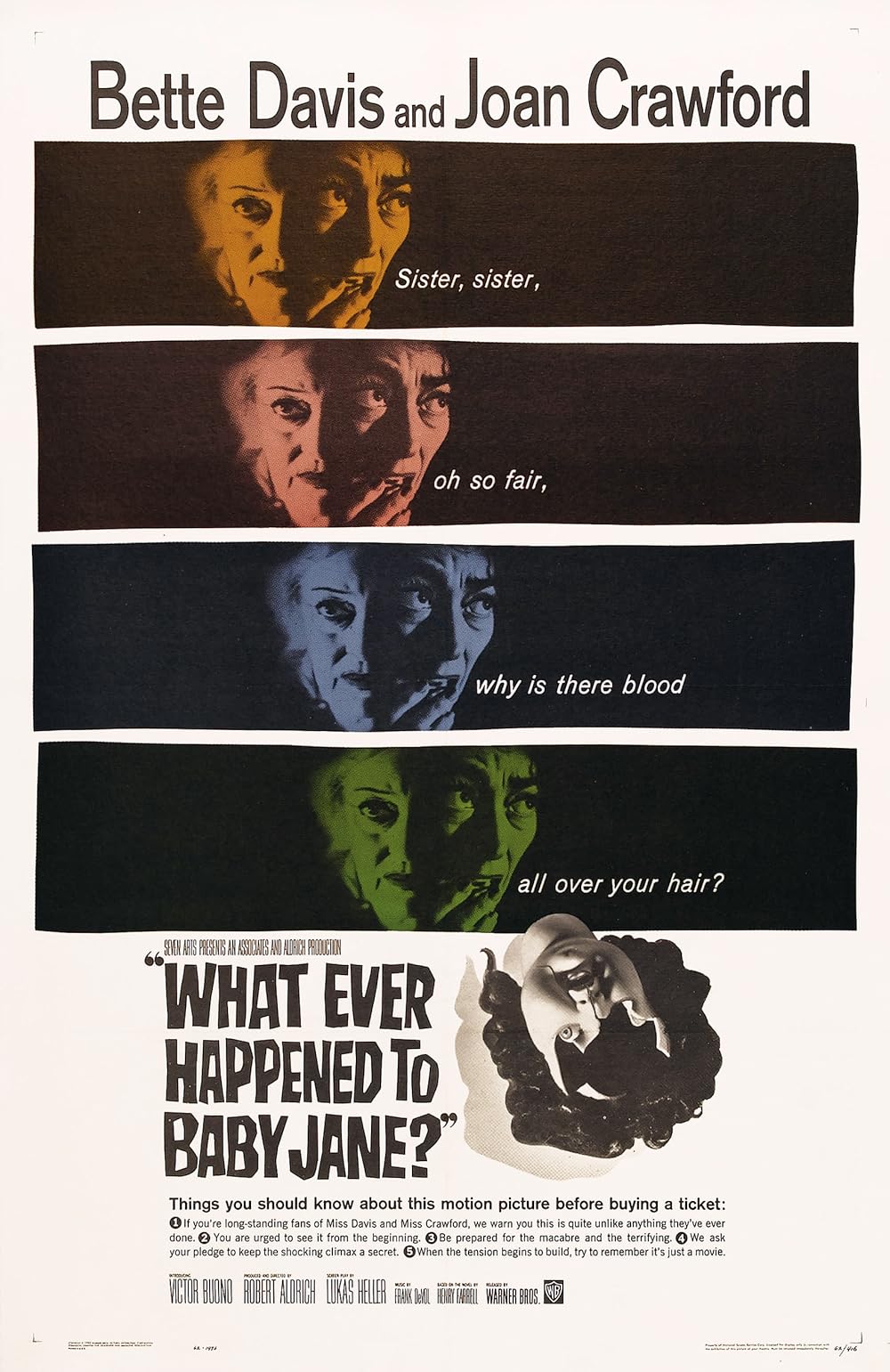
However, a glance at the contemporary branding landscape reveals a startling disappearance. The sugary-sweet, one-dimensional brand personas of the past have largely vanished, replaced by gritty realism, radical transparency, and an often aggressive “edge.” This shift begs a critical question for brand strategists and corporate leaders: What in the world ever became of Sweet Jane? Did she evolve, or was she systematically dismantled by a new generation of cynical, digitally-native consumers?

The Evolution of the Wholesome Archetype
The decline of the traditional Sweet Jane persona is not merely a change in aesthetic preferences; it reflects a deep-seated evolution in the psychological contract between brands and consumers. In the mid-20th century, brands functioned as beacons of stability. The “sweet” persona was a signal of quality control and moral standing.
The Era of Pure Sentiment
During the peak of mass-market television, brand identity was built on aspirational sentimentality. Companies sought to create a “halo effect” by associating their products with the most sterilized versions of human experience. This was the era where “Sweet Jane” thrived. Whether she was a mascot or a tone of voice, her role was to reassure the consumer that the world was good and the product was pure. This strategy worked because media was a one-way street. Brands spoke, and consumers listened. There was no mechanism for real-time feedback, and the curtain between the corporate boardroom and the kitchen table was thick and impenetrable.
From Perfection to Relatability
The first cracks in the Sweet Jane facade appeared with the rise of the “Rebel” and “Everyman” archetypes in the late 1990s and early 2000s. Consumers began to find perfection exhausting. The polished, unblinking smile of the traditional brand identity started to feel like a mask. As the digital revolution took hold, the demand for relatability began to outweigh the desire for aspiration. Brands realized that to connect with a younger, more skeptical audience, they had to admit to having flaws. Sweet Jane didn’t die; she was forced to take off the makeup and acknowledge the messiness of modern life.
The Identity Crisis: Why Brands Are Shedding the “Sweet” Persona
The migration away from wholesome branding is driven by three primary forces: the democratization of information, the rise of the “anti-hero” brand, and the death of corporate irony. In a world where a single tweet can expose a supply chain failure, “sweetness” is often viewed with suspicion.
The Rise of the Anti-Hero Brand
We are currently living in the era of the brand anti-hero. From Liquid Death’s aggressive heavy-metal aesthetic in the water category to RyanAir’s self-deprecating and often confrontational social media presence, the most successful brands today are often those that lean into conflict rather than avoiding it. These brands thrive by being “unsweet.” They use humor, sarcasm, and “real talk” to pierce through the noise. In this environment, a traditional Sweet Jane identity feels dated—or worse, like “gaslighting.” Consumers today equate sweetness with a lack of honesty. They would rather a brand be blunt and effective than charming and deceptive.
The Demand for Radical Transparency
One of the most significant factors in the disappearance of Sweet Jane is the shift toward radical transparency. Modern brand strategy is no longer about crafting a perfect image; it is about managing a transparent reality. When a brand presents itself as “sweet,” it sets an incredibly high bar for moral and operational perfection. If a “wholesome” brand is caught in a labor dispute or an environmental scandal, the fall from grace is far more damaging than it would be for a brand with a more rugged or realistic identity. Consequently, many companies have pivoted toward “Sincerity” rather than “Sweetness,” focusing on ESG (Environmental, Social, and Governance) goals and functional benefits rather than sentimental fluff.
The Uncanny Valley of Corporate Niceness
There is also a psychological phenomenon at play: the “uncanny valley” of corporate niceness. When a multi-billion dollar corporation tries to act like your “sweet” best friend, it can trigger a visceral sense of distrust. This is particularly true for Gen Z and Millennial cohorts who have been marketed to since birth. They are experts at sniffing out “performative sweetness.” When a brand’s tone is too soft, too nurturing, or too perfect, it feels artificial. The modern consumer prefers a brand that acts like a competent professional or a witty peer rather than a doting, idealized mother figure.
Case Studies in Rebranding: Successes and Cautionary Tales

To understand what became of Sweet Jane, we must look at the brands that successfully transitioned away from her, and those that lost their way in the process.
The Transformation of Legacy Retail
Consider the evolution of brands like Victoria’s Secret. For decades, the brand relied on a hyper-feminine, “sweet yet sexy” persona—the “Angels.” It was a fantasy-driven identity that eventually became disconnected from the cultural conversation regarding body positivity and female empowerment. The brand’s subsequent struggle to redefine its identity shows the danger of clinging to an outdated archetype. By the time they attempted to pivot away from the “sweet” fantasy toward a more grounded, inclusive identity, they faced significant headwinds. This serves as a cautionary tale: Sweet Jane cannot be discarded overnight without a clear, authentic successor.
The Shift in Consumer Goods
On the other hand, brands in the beauty and personal care space have successfully evolved the archetype. Dove’s “Real Beauty” campaign was one of the first major moves to transition from the “Innocent/Sweet” archetype to the “Caregiver/Everyman” archetype. They didn’t lose the warmth, but they stripped away the artifice. They moved from a world of airbrushed perfection to a world of skin textures and diverse bodies. This is where Sweet Jane went: she grew up, looked in the mirror, and decided to be real instead of perfect.
The New “Sweetness” in Direct-to-Consumer (DTC)
Interestingly, a new version of sweetness has emerged in the DTC space. Brands like Glossier or Casper initially utilized a “Millennial Pink” aesthetic that was a modern, minimalist take on the wholesome archetype. However, even this “Sweet Jane 2.0” has had to adapt. The soft colors and friendly fonts are now paired with bold political stances and community-driven content. The sweetness is no longer the end goal; it is merely the entry point for a much more complex brand relationship.
Navigating the Pivot: How Modern Brands Balance Heritage and Edge
If Sweet Jane is truly gone, what should take her place? For heritage brands, the challenge is evolving without alienating the existing customer base. For new brands, the challenge is building trust without relying on tired tropes of “niceness.”
Auditing Your Brand Narrative
The first step for any brand feeling the “Sweet Jane” stagnation is a narrative audit. You must ask: Is our “sweetness” providing value, or is it a barrier to authenticity? A brand narrative today must be three-dimensional. It needs a “why” that goes beyond making the customer smile. This involves identifying the “Shadow Side” of the brand—the challenges it faces, the problems it hasn’t solved yet, and the realistic limitations of its products. Embracing these elements creates a “Sweet Jane” that is resilient and believable.
The “Sweet Jane” 2.0: Empathy Over Innocence
The modern evolution of the wholesome archetype is centered on empathy rather than innocence. Innocence implies a lack of knowledge or a shielding from the world’s harsh realities. Empathy, conversely, implies a deep understanding of those realities and a desire to help the consumer navigate them. Brands that want to retain a sense of warmth should pivot from being “the sweet one” to being “the empathetic one.” This means using a tone of voice that is supportive and human, but also informed and honest.
Visual Identity in the Post-Sweet Era
The visual language of branding has also moved away from the “Sweet Jane” aesthetic. We have transitioned from soft, rounded edges and pastel palettes to “Blanding” (minimalist sans-serif typography) and, more recently, to a “New Eccentricism” characterized by bold colors, clashing textures, and “ugly-cool” design. To survive today, a brand’s visual identity must signal competence and personality rather than just “pleasantness.” Even legacy brands are sharpening their logos and stripping away the decorative elements that once signaled “sweetness” in favor of something more architectural and definitive.
Conclusion: The New Face of Consumer Trust
What in the world ever became of Sweet Jane? She didn’t disappear; she simply lost her monopoly on the market’s trust. The world became too loud, too fast, and too transparent for a one-dimensional persona of wholesome perfection to survive.
Today’s version of Sweet Jane is more complex. She is a brand that knows its impact on the planet, speaks to its customers like adults, and isn’t afraid to show a little grit. She has traded her polished smile for a steady gaze. For brand strategists, the lesson is clear: Sweetness is a seasoning, not the main course. To build a brand that lasts in the modern era, you must offer more than just a pleasant facade. You must offer a brand identity that is robust enough to handle the truth, and human enough to care about it. The brands that are winning today are the ones that realized Sweet Jane needed to grow up, and they were brave enough to let her do it.
aViewFromTheCave is a participant in the Amazon Services LLC Associates Program, an affiliate advertising program designed to provide a means for sites to earn advertising fees by advertising and linking to Amazon.com. Amazon, the Amazon logo, AmazonSupply, and the AmazonSupply logo are trademarks of Amazon.com, Inc. or its affiliates. As an Amazon Associate we earn affiliate commissions from qualifying purchases.