
The holiday season is often viewed through a lens of sentimentality and tradition, but for the modern consumer, it is also a period of significant capital expenditure. Among the most iconic symbols of the season is the fresh-cut Christmas tree, an item that has seen substantial price appreciation over the last decade. In the current economic climate, a high-quality Fraser Fir or Nordmann Fir can retail anywhere from $80 to over $200, depending on the region and height.
When an individual purchases a live tree, they are not merely buying a decoration; they are acquiring a perishable asset. Like any investment, the goal is to maximize the “yield”—in this case, the duration of freshness, aesthetic appeal, and safety. The question of what to put in Christmas tree water is, therefore, a question of asset preservation. Protecting that $150 investment from premature needle drop and desiccation is a savvy financial move that ensures you aren’t literally sweeping your money into a dustpan by mid-December.

The Financial Case for Proper Tree Hydration
To understand why tree hydration matters from a financial perspective, one must look at the “cost-per-day” of holiday decor. If a tree costs $120 and lasts 30 days, the cost is $4.00 per day. If poor maintenance leads to the tree drying out and requiring removal after only 15 days, that daily cost doubles to $8.00. Beyond the immediate loss of the tree, there are secondary financial risks, most notably the increased probability of a residential fire.
Mitigating Risk and Insurance Implications
A dry Christmas tree is a significant fire hazard. According to data from the National Fire Protection Association (NFPA), while Christmas tree fires are infrequent, they are disproportionately more likely to be fatal and result in higher property damage claims compared to other home fires. From a personal finance standpoint, the cost of a fire deductible—not to mention the potential for increased insurance premiums—far outweighs the negligible cost of proper tree maintenance. Ensuring your tree remains hydrated is a form of low-cost insurance.
The Value of Time and Labor
Economics isn’t just about cash outlays; it’s about the value of time. Replacing a prematurely dead tree mid-season involves the labor of removing decorations, the transportation costs of a second tree, and the time spent re-decorating. By applying the right additives and maintenance schedule to your tree water from day one, you are engaging in “preventative maintenance” that saves hours of labor and additional transport fuel costs.
Analyzing Commercial Additives vs. DIY Solutions: A Cost-Benefit Analysis
The market is flooded with products claiming to extend the life of a cut tree. From specialized nutrient solutions to home remedies involving copper pennies or aspirin, the consumer is faced with a variety of choices. From a “Money” niche perspective, we must analyze these based on their Return on Investment (ROI).
Commercial Tree Preservatives: Are They Worth the Premium?
Commercial tree feeds often contain a mixture of sugar (for energy), an acidifier (to help the tree soak up water), and a disinfectant (to prevent bacteria from clogging the tree’s “pores”). A small bottle typically costs between $5 and $12.
- The Pro: They are formulated specifically for gymnosperms and are easy to dose.
- The Con: Many botanical experts argue that the benefit over plain water is marginal.
- Financial Verdict: If the preservative extends the tree’s life by even three days, it has paid for itself in “daily value” terms for a premium-priced tree.
The DIY Approach: Sugar, Bleach, and Aspirin
For the budget-conscious, DIY additives are a popular alternative. Let’s break down the economics of these common household additions:
- Sugar/Corn Syrup: The logic is to provide glucose. However, without an anti-microbial agent, sugar encourages bacterial growth which can block the tree’s vascular system.
- Bleach: A capful of bleach acts as a disinfectant. It is incredibly cost-effective but requires precise measurement to avoid damaging the tree or flooring.
- Aspirin: Some suggest aspirin lowers the pH of the water. While inexpensive, the efficacy is debated among arborists.
- The “Penny” Method: Dropping a copper penny in the water is meant to act as a fungicide. With modern pennies being mostly zinc, the ROI on this is essentially zero.
The Zero-Cost Winner: High-Volume Hydration
The most insightful financial advice regarding tree care is often the simplest: clean, lukewarm water is the highest-ROI additive. A fresh-cut tree can consume up to a gallon of water in its first 24 hours. The cost of tap water is negligible, making “constant monitoring” the most efficient way to protect your investment. The key is to never let the water level drop below the base of the trunk; if it does, a seal of dried sap forms, requiring a new “financial outlay” in the form of a fresh cut and the labor associated with it.
The Business of Christmas Trees: Market Trends and Consumer Impact
Understanding what to put in your tree water also requires an understanding of the broader Christmas tree market. The industry has shifted from a commodity-based market to a luxury-goods market.
Why Trees are Getting More Expensive
Several factors contribute to the rising cost of live trees, which makes preservation more critical than ever:
- Supply Chain and Logistics: The cost of diesel for transporting trees from Pacific Northwest or Appalachian farms to urban centers has remained volatile.
- Land Use Competition: Many former tree farmers have sold their land for real estate development or shifted to more lucrative crops.
- Growth Cycles: A standard 7-foot tree takes 7 to 10 years to grow. Decisions made by farmers a decade ago are affecting the prices we see today.
When you purchase a tree in the current market, you are paying for a decade of agricultural labor, land taxes, and logistics. Treating the water correctly is the final step in a very long and expensive supply chain.
The Resale and Recycling Value
While a dead tree has no resale value, many municipalities offer “tree cycling” programs. Some businesses have found “side hustles” in collecting these trees and turning them into high-quality mulch or pine needle essential oils. For the savvy homeowner, using your own tree for mulch in your garden is a way to recoup some of the initial investment by reducing your landscaping budget for the following spring.
Tech and Gadgets: Financial Tools for Tree Maintenance
In the “Money” and “FinTech” sectors, we often discuss automation as a way to reduce human error and save money. The same logic applies to tree care. If you are a high-net-worth individual or simply someone with a busy schedule, your time may be worth more than the cost of a simple automation tool.
Smart Water Sensors
Low-cost IoT (Internet of Things) sensors are now available for Christmas tree stands. These devices alert your smartphone when the water level is low.
- Cost: $20–$40.
- Financial Justification: If you travel for business or have a second home, this prevents the “sap-seal” event that would otherwise kill your $150 tree. It’s a one-time capital expenditure that protects your holiday assets for years to come.
Automatic Watering Systems
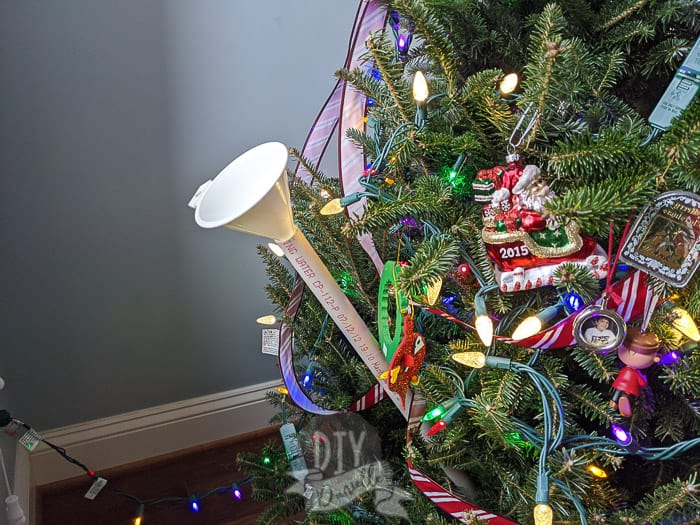
There are gravity-fed systems disguised as presents that sit under the tree. By increasing the reservoir capacity, you reduce the “maintenance labor” required. In a professional office setting or a corporate lobby, these systems are essential to minimize the billable hours spent by maintenance staff on holiday decor upkeep.
Strategic Planning for Post-Holiday Financial Health
As the season winds down, the state of your tree’s hydration impacts your January budget. A well-hydrated tree is easier to remove and results in fewer needles embedded in your carpet.
Avoiding Hidden Cleaning Costs
Professional carpet cleaning can cost anywhere from $150 to $300 for a ground floor. A dry, brittle tree can drop thousands of needles that are difficult for standard vacuum cleaners to handle, potentially leading to equipment damage or the need for professional intervention. By keeping the tree hydrated with the right additives—namely, consistent water and a mild disinfectant—you are protecting your home’s interior and your cleaning budget.

Long-Term Planning: The Artificial vs. Real Debate
Finally, every consumer should perform a five-year fiscal analysis of their holiday choices.
- Real Tree: $100/year + $20 in maintenance/additives = $600 over 5 years.
- Artificial Tree: $300 upfront + $0 maintenance = $300 over 5 years.
While the artificial tree has a better ROI, it lacks the “intangible value” many consumers seek. If you choose the “Real Tree” path, the only way to maximize your financial efficiency is through the rigorous application of the hydration techniques discussed.
In conclusion, what you put in your Christmas tree water is a small but vital component of a larger household financial strategy. By prioritizing consistent, clean water and utilizing low-cost additives like bleach to prevent bacterial growth, you protect a significant seasonal asset. This proactive approach reduces risk, saves on potential cleaning or replacement costs, and ensures that your holiday spending delivers the maximum possible value. Management of holiday greenery may seem trivial, but in the world of personal finance, it is these small, disciplined habits that protect your bottom line.
aViewFromTheCave is a participant in the Amazon Services LLC Associates Program, an affiliate advertising program designed to provide a means for sites to earn advertising fees by advertising and linking to Amazon.com. Amazon, the Amazon logo, AmazonSupply, and the AmazonSupply logo are trademarks of Amazon.com, Inc. or its affiliates. As an Amazon Associate we earn affiliate commissions from qualifying purchases.