
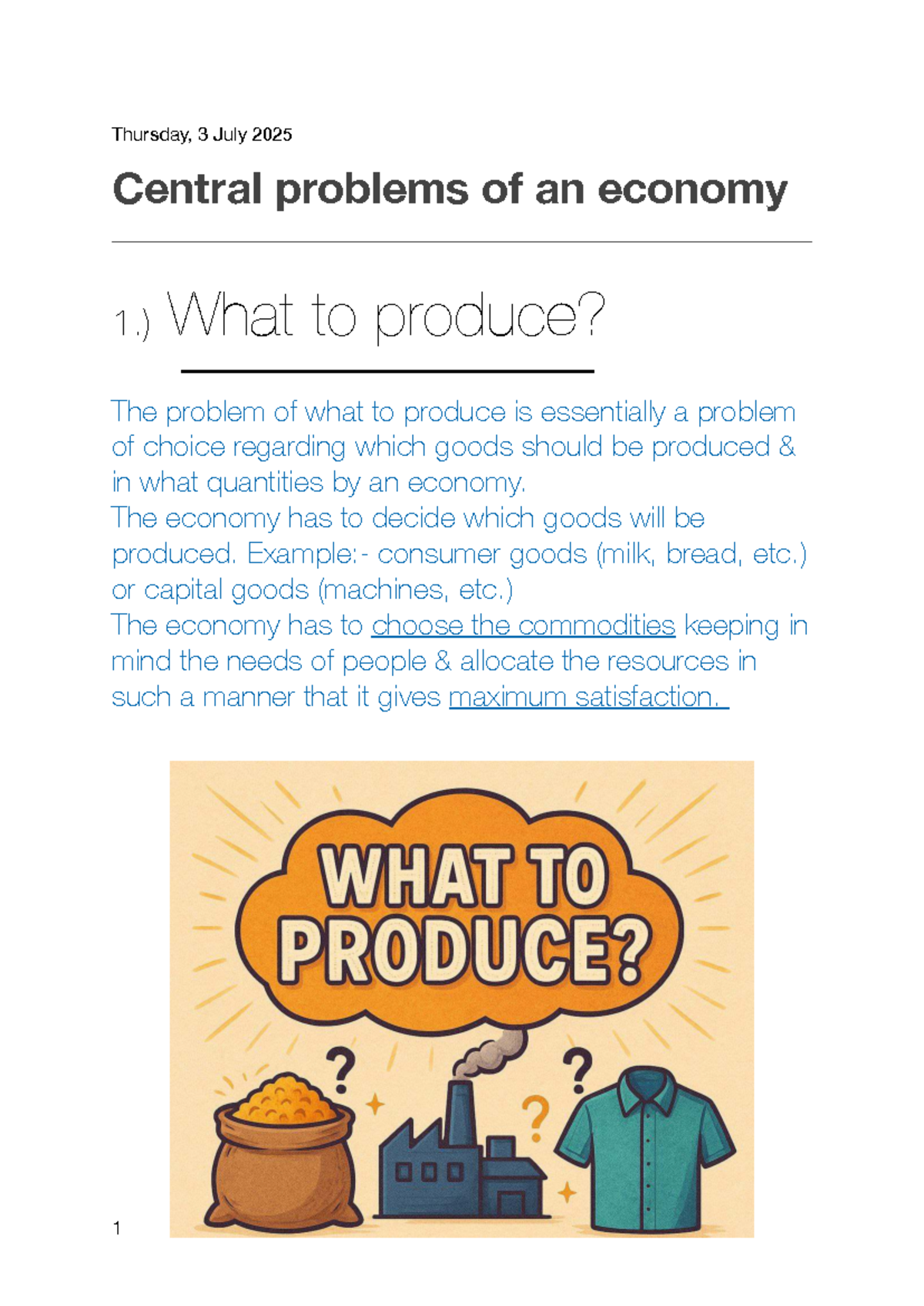
In the dynamic landscape of entrepreneurship and wealth creation, the fundamental question “what to produce” remains paramount. It’s a strategic inquiry that underpins profitability, market relevance, and sustainable growth, whether you’re a burgeoning startup, an established enterprise, or an individual exploring side hustles and online income streams. The answer isn’t static; it requires a deep understanding of market dynamics, economic viability, and an alignment with both consumer needs and your own capabilities. Successfully identifying what to produce is the cornerstone of generating substantial financial returns and building lasting value.
Understanding Market Gaps and Untapped Potential
The initial step in deciding what to produce involves rigorous market research to uncover unmet needs, underserved niches, and opportunities for innovation. This isn’t merely about creating something new, but often about creating something better or more accessible.

Identifying Pain Points and Unmet Needs
At the heart of every successful product or service is the solution to a problem. What frustrates consumers or businesses? Where are existing solutions inadequate, inconvenient, or overpriced? This requires active listening, observation, and analysis of consumer behavior. Surveys, focus groups, online forums, social media discussions, and customer reviews of existing products can reveal significant “pain points” that represent ripe opportunities. For instance, a common frustration with complex software might point to a need for a simpler, intuitive alternative. Or a lack of accessible, affordable services in a particular demographic might highlight a localized market gap. The more acute the pain point, the greater the potential demand for a viable solution.
Analyzing Competitor Offerings
A thorough competitive analysis goes beyond simply knowing who your rivals are. It involves dissecting their product lines, pricing strategies, marketing tactics, and, crucially, their weaknesses. Where do competitors fall short? Are there aspects of their customer service that draw criticism? Are their products missing key features, or are they over-engineered for the average user? By understanding where competitors are strong, you can identify areas to differentiate, but by understanding where they are weak, you can pinpoint opportunities to offer a superior alternative. This analysis can reveal niches where existing players are too generalized, too expensive, or simply not innovative enough, providing clear pathways for new offerings.
Leveraging Emerging Trends
Markets are constantly evolving, driven by technological advancements, demographic shifts, cultural changes, and global events. Identifying and understanding emerging trends can provide a significant advantage in determining what to produce. This could involve eco-friendly products responding to increased environmental consciousness, AI-powered tools simplifying complex tasks, or services catering to the gig economy. Early adoption or innovation within an emerging trend allows you to capture market share before it becomes saturated. However, it’s vital to differentiate between fleeting fads and sustainable trends with long-term potential. A deep dive into industry reports, economic forecasts, and technological roadmaps is essential for discerning truly impactful trends from temporary hypes.
The Economics of Production: Viability and Profit Margins
Once potential products or services are identified, the next critical phase involves a rigorous financial assessment to ensure their economic viability and potential for profitability. A brilliant idea without a sound business model is merely a hobby.
Cost Analysis and Resource Allocation
Every product or service incurs costs – from raw materials and manufacturing to labor, marketing, and distribution. A detailed cost analysis is essential to understand the true expense of bringing your offering to market. This includes fixed costs (rent, salaries, equipment) and variable costs (per-unit production, shipping). For services, it encompasses the cost of time, expertise, and any necessary tools or subscriptions. Equally important is assessing the resources you have available or can acquire: capital, specialized skills, technology, and networks. Can you produce efficiently? Can you source materials affordably? Are there economies of scale to be achieved? Understanding these figures is crucial for setting realistic pricing and determining the volume required to break even and turn a profit.
Pricing Strategies for Value and Revenue
Pricing isn’t just about covering costs; it’s a strategic decision that reflects perceived value, market position, and desired profit margins. Should you opt for a premium pricing strategy targeting a niche segment willing to pay for superior quality or exclusivity? Or a penetration pricing strategy to quickly gain market share with a competitive offering? Value-based pricing, cost-plus pricing, and competitor-based pricing are all viable approaches, each with its own implications for revenue generation and market perception. The chosen strategy must align with your overall business goals and target audience’s willingness to pay, directly impacting your bottom line.
Scaling for Sustainable Growth
Producing something profitable is one challenge; scaling that production to meet increasing demand and achieve sustainable growth is another. This involves considering how your processes, supply chain, and operational infrastructure will handle increased volume without compromising quality or significantly inflating costs. For physical products, this might mean automating processes or expanding manufacturing capabilities. For services, it could involve hiring more staff, developing standardized procedures, or leveraging technology for efficiency. Digital products inherently offer high scalability due to their low marginal cost of reproduction. Planning for scalability from the outset ensures that initial success can be leveraged into long-term financial prosperity rather than being constrained by operational bottlenecks.
Diverse Avenues of Production: Goods, Services, and Digital Assets
The question of “what to produce” extends across various forms of output, each with its own advantages, challenges, and profit potential. The choice often depends on your resources, expertise, and target market.
Physical Products: Manufacturing and Distribution
Physical products encompass everything from consumer electronics and apparel to artisanal goods and specialized industrial components. This avenue often involves significant upfront investment in research and development, manufacturing equipment, inventory management, and a robust supply chain for distribution. The tangible nature of physical goods allows for strong branding and a clear value proposition. However, it also comes with complexities such as quality control, logistics, returns management, and inventory carrying costs. Success hinges on efficient production, effective marketing, and a reliable distribution network to get the product into the hands of consumers.
Service-Based Businesses: Expertise as Your Product
In a service-based business, your product is your expertise, time, and skill. This could range from consulting, coaching, and digital marketing services to personal training, legal advice, or home repair. Compared to physical products, service businesses often require lower initial capital investment, leveraging intellectual capital rather than physical assets. The profitability is highly dependent on the perceived value of your expertise, your efficiency in delivering the service, and your ability to attract and retain clients. Scaling a service business typically involves standardizing processes, hiring and training staff, or developing a productized service model to reduce reliance on direct hours worked.
Digital Products and Online Content: Scalability and Reach
The digital realm offers unparalleled opportunities for production with high scalability and global reach. Digital products include e-books, online courses, software, apps, templates, stock photos, music, and digital art. Online content, such as blogs, podcasts, and video series, can also be monetized through advertising, sponsorships, or subscriptions. The primary advantage here is the low marginal cost of reproduction once the initial product is created, leading to potentially high-profit margins. Distribution is often handled through online platforms, reaching a vast audience with minimal logistical overhead. Success in this category relies heavily on creating high-quality, valuable content or tools that solve specific problems, along with effective digital marketing strategies to drive traffic and conversions.
Validation and Iteration: Minimizing Risk
Even with thorough research, market demand can be unpredictable. Therefore, a critical component of determining “what to produce” involves validating your ideas with real potential customers before committing significant resources.
Prototyping and Minimum Viable Products (MVPs)
Rather than launching a fully-fledged, perfect product, consider developing a prototype or a Minimum Viable Product (MVP). An MVP is a version of a new product with just enough features to satisfy early customers and provide feedback for future product development. For a physical product, this could be a basic model or a 3D print. For software, it might be a simple app with core functionality. For a service, it could be a pilot program offered to a small group. This approach allows you to test core assumptions, gather early user insights, and iterate quickly without heavy investment, significantly reducing financial risk.
Gathering Customer Feedback and Market Testing
Once an MVP or prototype is available, actively solicit feedback from your target audience. This can be done through surveys, interviews, beta testing programs, or by observing how users interact with your offering. Pay close attention to what users like, dislike, find confusing, or wish were different. Market testing, such as running small ad campaigns to gauge interest or pre-selling units, can provide concrete data on demand. This feedback loop is invaluable for refining your product or service, ensuring it truly meets market needs and is positioned for success.
The Agile Approach to Product Development
Embracing an agile methodology means being flexible and iterative in your production process. Rather than following a rigid, linear plan, agile development involves continuous cycles of planning, executing, and evaluating. This allows you to respond quickly to market changes, incorporate feedback efficiently, and pivot if initial assumptions prove incorrect. For financial success, an agile mindset ensures that resources are consistently allocated to developing what the market actually wants, minimizing waste and maximizing the chances of creating a highly desirable and profitable offering.
Aligning Production with Personal and Business Goals
Ultimately, the decision of what to produce should not only be market-driven but also align with your personal strengths, passions, and long-term financial objectives.
Assessing Skills, Passions, and Resources
While market demand is crucial, producing something you are skilled at and passionate about dramatically increases your chances of success and enjoyment. Consider your unique talents, knowledge, and experiences. What problems are you uniquely positioned to solve? What topics do you deeply understand? What resources (time, capital, network) do you realistically have available? Building a business around your strengths makes the journey more sustainable and engaging, often leading to higher quality outputs and more innovative solutions.

Long-Term Vision and Market Evolution
Finally, look beyond immediate profitability. What is your long-term vision for the product, service, or business? How might the market evolve over the next 5-10 years? Will your chosen product category remain relevant? Can your offering adapt or expand to meet future needs? A forward-thinking approach, coupled with an understanding of economic cycles and technological trajectories, ensures that your production decisions lay the groundwork for enduring financial success and a resilient business model.
aViewFromTheCave is a participant in the Amazon Services LLC Associates Program, an affiliate advertising program designed to provide a means for sites to earn advertising fees by advertising and linking to Amazon.com. Amazon, the Amazon logo, AmazonSupply, and the AmazonSupply logo are trademarks of Amazon.com, Inc. or its affiliates. As an Amazon Associate we earn affiliate commissions from qualifying purchases.