
For investors navigating the complex world of the stock market, understanding a company’s share structure is as fundamental as analyzing its financial performance or market position. When it comes to a technology titan like NVIDIA – a company that has redefined industries from gaming to artificial intelligence – the question of “how many shares of Nvidia are there” isn’t merely a factual query; it’s a gateway to deeper financial insight. This article delves into the intricacies of NVIDIA’s share count, exploring its components, historical changes, and profound implications for investors, all framed within the indispensable lens of financial literacy and strategic investing.

Understanding Share Structure: More Than Just a Number
The total number of shares a company has in existence is not a static figure. It’s a dynamic metric influenced by corporate actions and regulatory frameworks. For investors, differentiating between various types of shares is crucial for an accurate financial assessment.
Authorized, Issued, and Outstanding Shares Explained
At its inception, a company’s board of directors typically approves a maximum number of shares that the company is legally allowed to issue. This ceiling is known as authorized shares. It represents the total pool from which shares can be drawn, but not necessarily all of them are ever released into the market.
From the pool of authorized shares, a subset is actually sold or allocated by the company. These are referred to as issued shares. Issued shares include all shares that have ever been distributed, whether they are currently held by investors or have been repurchased by the company itself (treasury stock).
The most critical figure for daily market activity and investor valuation is outstanding shares. These are the shares currently held by all shareholders, including institutional investors, individual investors, and company insiders. Outstanding shares are the only ones that trade freely on the open market, and they are the number used in calculating key financial metrics like market capitalization and earnings per share. Treasury shares, which are shares the company has repurchased from the market, are not included in the outstanding share count.
The Dynamic Nature of Share Counts
A company’s outstanding share count is not fixed indefinitely. It can increase through actions such as secondary offerings (selling new shares to raise capital), employee stock option exercises, or conversions of convertible debt into equity. Conversely, it can decrease through share buybacks (when the company repurchases its own stock from the market) or reverse stock splits. For investors, monitoring these changes is essential, as they can significantly impact per-share metrics and the overall valuation of their investment.
NVIDIA’s Journey Through Stock Splits
NVIDIA, a company synonymous with innovation and aggressive growth, has experienced several stock splits throughout its history. These events significantly alter the number of shares in circulation without changing the total value of an investor’s holding in the company.
A Historical Overview of NVIDIA’s Splits
NVIDIA has utilized stock splits as a strategic tool to manage its stock price and enhance accessibility for investors. Before its most recent split, NVIDIA had undergone several splits:
- September 2000: A 2-for-1 split.
- September 2001: Another 2-for-1 split.
- April 2002: A 3-for-2 split.
- September 2006: A 2-for-1 split.
- July 2021: A 4-for-1 split.
Each of these events multiplied the number of shares held by existing shareholders, proportionally decreasing the price per share. For example, a 2-for-1 split doubles the number of shares you own while halving the price of each share. The total value of your investment remains the same immediately after the split.
The Mechanics and Rationale Behind Splits
A stock split is purely an accounting adjustment. If an investor owned 10 shares of NVIDIA at $1,000 per share ($10,000 total value) before a 10-for-1 split, they would own 100 shares at $100 per share ($10,000 total value) immediately after the split. The pie remains the same size, but it’s cut into more, smaller slices.
Companies typically execute stock splits for several strategic reasons, all of which ultimately aim to benefit shareholders and market perception:
- Increased Accessibility for Retail Investors: A high stock price can deter individual investors who might not be able to afford a single share or prefer to diversify their portfolio with smaller purchases. By reducing the per-share price, splits make the stock more accessible to a broader base of retail investors.
- Enhanced Liquidity: More outstanding shares at a lower price often lead to higher trading volumes, making it easier for investors to buy and sell shares without significantly impacting the price. This increased liquidity can make the stock more attractive to institutional investors as well.
- Psychological Impact: A lower share price can appear more “affordable” or “cheaper” to potential investors, even though the underlying company valuation hasn’t changed. This psychological effect can sometimes attract new buyers.
The Recent 10-for-1 Split and Its Implications
In June 2024, NVIDIA executed a significant 10-for-1 stock split. This means for every share an investor owned before the split, they received nine additional shares, effectively increasing their total share count tenfold, with the price per share adjusted accordingly.
Prior to this split, NVIDIA’s stock price had surged past the $1,000 mark, driven by its pivotal role in the AI revolution. The 10-for-1 split aimed to make the stock more appealing and accessible to a wider pool of individual investors, particularly given its high price point. Post-split, NVIDIA’s outstanding share count increased significantly. While the exact figure fluctuates, after the 10-for-1 split, NVIDIA’s outstanding shares are approximately 2.46 billion. This substantial increase in the share count reflects the company’s growth and strategic decision to enhance market participation.
Why Share Count Is Crucial for Investors
Beyond simply knowing the number, understanding its implications is vital for making informed investment decisions. Share count directly impacts several key financial metrics and valuation approaches.
Market Capitalization and Valuation
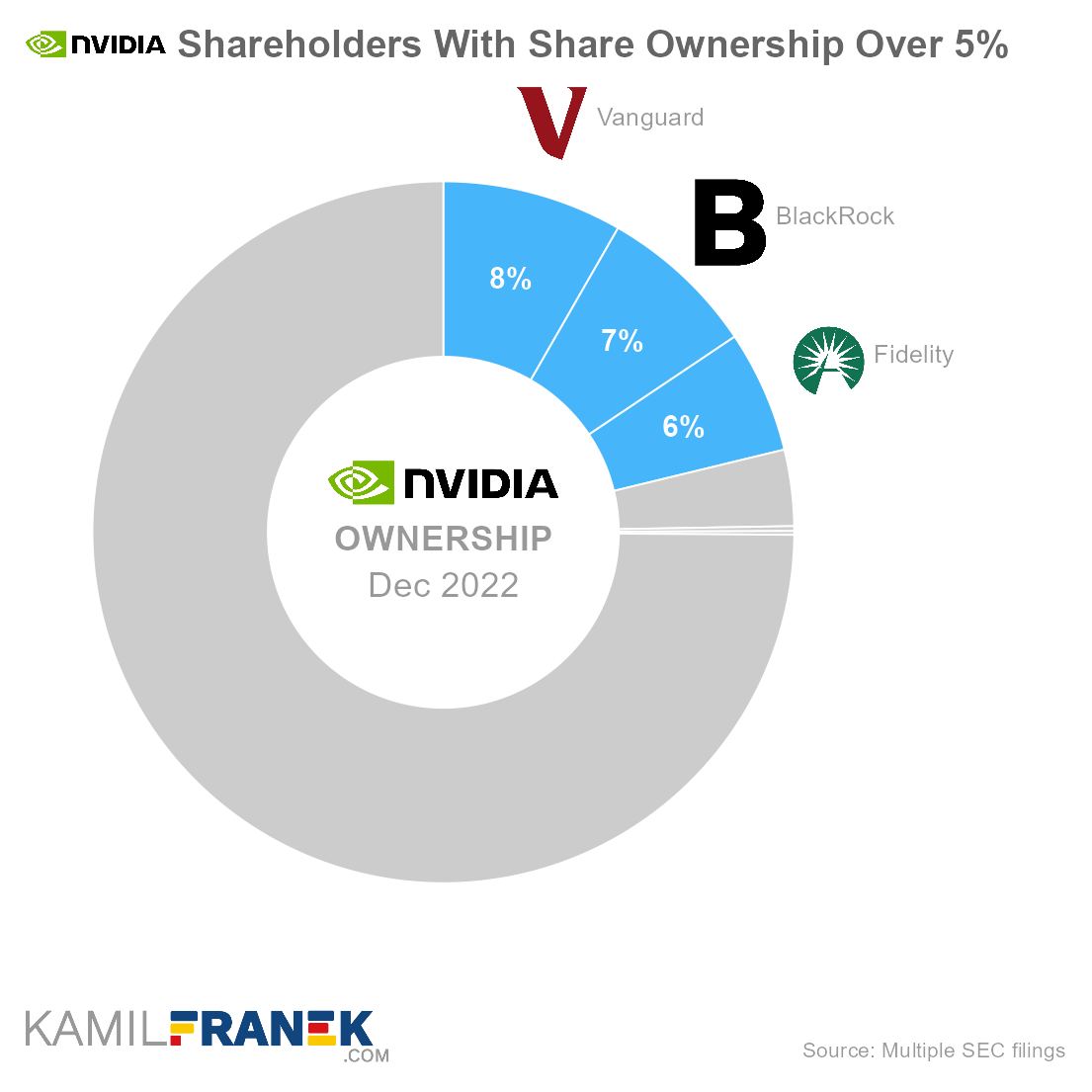
Market capitalization (Market Cap) is one of the most widely used metrics for gauging a company’s size. It is calculated by multiplying the current share price by the number of outstanding shares.
- Market Cap = Current Share Price × Outstanding Shares
For example, if NVIDIA’s post-split share price is around $120 and its outstanding shares are approximately 2.46 billion, its market cap would be roughly $2.95 trillion. This figure provides a quick snapshot of the company’s total value in the eyes of the market. Changes in outstanding shares (through splits, buybacks, or new issuance) directly affect market cap, even if the share price initially remains stable, making it a critical metric for comparative analysis and portfolio management.
Earnings Per Share (EPS) and Investor Returns
Earnings Per Share (EPS) is a fundamental profitability metric that indicates how much net income a company generates for each outstanding share. It’s calculated as:
- EPS = (Net Income – Preferred Dividends) / Outstanding Shares
EPS is a crucial indicator for investors because it helps in valuing a company (e.g., through the P/E ratio) and assessing its profitability on a per-share basis. A higher number of outstanding shares can dilute EPS if net income doesn’t grow proportionally, potentially making the company appear less profitable per share. Conversely, reducing outstanding shares through buybacks can boost EPS, even if net income remains constant, often leading to a positive market reaction.
The Concept of Dilution and Shareholder Value
Dilution occurs when the proportion of a company’s ownership held by existing shareholders decreases. This typically happens when new shares are issued, whether through secondary offerings to raise capital, the exercise of stock options by employees, or the conversion of convertible securities. For example, if NVIDIA issues a large number of new shares, each existing share represents a smaller percentage of the company’s total ownership, potentially reducing the value of each share. Understanding the potential for dilution is key for investors, as it can impact their ownership stake and per-share earnings.
Share Buybacks: Reducing the Float
Companies can also reduce their outstanding share count through share buybacks or share repurchase programs. When a company buys back its own stock from the open market, these shares become treasury stock and are no longer considered outstanding.
The reasons for share buybacks include:
- Boosting EPS: With fewer shares outstanding, the same net income results in a higher EPS.
- Returning Capital to Shareholders: Buybacks are an alternative to dividends for returning cash to investors, often preferred by growth companies or in situations where management believes the stock is undervalued.
- Supporting the Stock Price: By reducing the supply of shares, buybacks can create upward pressure on the stock price.
NVIDIA, like many large profitable companies, has engaged in share buyback programs in the past. These programs signify management’s confidence in the company’s future prospects and can be a positive signal for investors.
Accessing Accurate Share Data for NVIDIA
For investors, relying on accurate and up-to-date information is paramount. The outstanding share count for a company like NVIDIA is not a static number; it changes due to corporate actions.
Official Sources: SEC Filings and Investor Relations
The most reliable sources for a company’s share count and other financial data are its official filings with regulatory bodies, such as the U.S. Securities and Exchange Commission (SEC). Key documents include:
- 10-K (Annual Report): Provides a comprehensive overview of the company’s financial performance and share structure for the fiscal year.
- 10-Q (Quarterly Report): Offers updated financial information, including outstanding shares, on a quarterly basis.
Additionally, NVIDIA’s Investor Relations website is an excellent resource. This section of the company’s official website typically provides recent SEC filings, earnings call transcripts, press releases, and often a dedicated section for key financial metrics, including the current outstanding share count. Financial news sites and brokerage platforms also report these numbers, usually pulling from the same official sources.
Keeping Up with Changes
Given the dynamic nature of share counts, investors should periodically check these official sources, especially after major corporate announcements such as earnings reports, capital raises, or stock splits. These events can trigger changes that directly affect the per-share value of their investment and the company’s overall valuation.
The Broader Investment Context for NVIDIA Shareholders
While the number of shares is a critical financial metric, its importance is amplified when considered within NVIDIA’s broader investment narrative. The company’s share structure is managed not in isolation, but as part of a comprehensive financial strategy designed to maximize shareholder value.
Growth, Innovation, and Shareholder Confidence
NVIDIA’s financial decisions, including its stock splits and potential buyback programs, are intertwined with its relentless pursuit of innovation and market leadership. The company’s dominance in graphics processing units (GPUs), its expansion into data centers, and its foundational role in the AI revolution have fueled its remarkable growth. Management’s strategic use of its capital, whether through R&D investments, acquisitions, or financial engineering like stock splits, aims to sustain this growth and build long-term shareholder confidence. Understanding the share count helps investors assess how effectively this growth translates into per-share value.
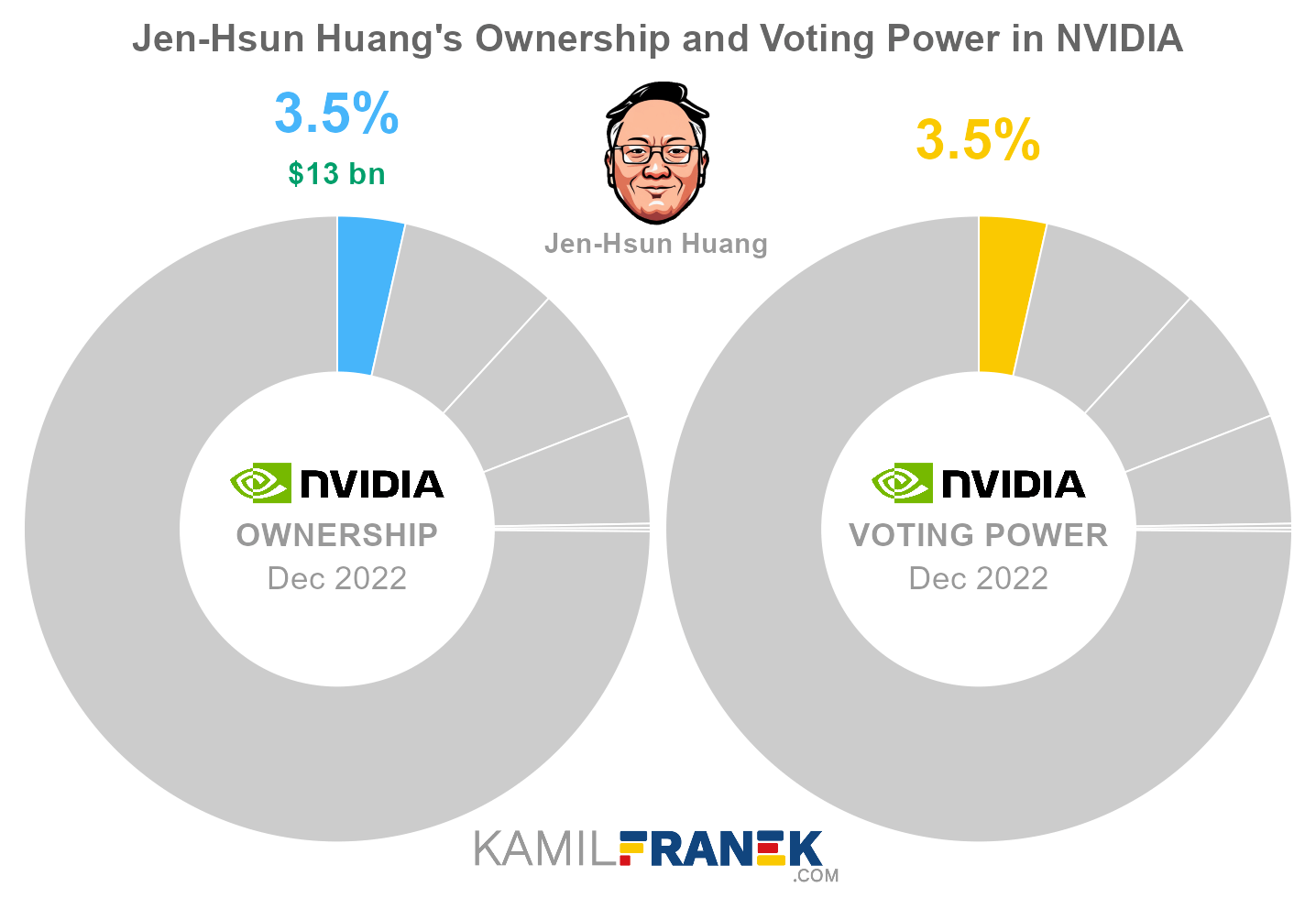
Strategic Financial Management
The management of outstanding shares is a component of a company’s overall financial strategy. For NVIDIA, this strategy balances capital allocation between funding future growth opportunities and returning value to shareholders. Stock splits are often seen as a sign of management’s optimism about future growth, making the stock more accessible as its price ascends. Conversely, buybacks can signal that management believes the stock is undervalued. Investors who pay attention to these actions, alongside the core business fundamentals, gain a more holistic view of NVIDIA’s financial health and strategic direction.
In conclusion, the question of “how many shares of Nvidia are there” opens a window into the financial mechanics of one of the world’s most influential companies. By understanding the types of shares, the impact of stock splits and buybacks, and where to find accurate data, investors can gain a more profound appreciation of NVIDIA’s valuation, profitability, and strategic financial management. This knowledge is not just about a number; it’s about empowering investors with the insights needed to make informed and confident decisions in their financial journey.
aViewFromTheCave is a participant in the Amazon Services LLC Associates Program, an affiliate advertising program designed to provide a means for sites to earn advertising fees by advertising and linking to Amazon.com. Amazon, the Amazon logo, AmazonSupply, and the AmazonSupply logo are trademarks of Amazon.com, Inc. or its affiliates. As an Amazon Associate we earn affiliate commissions from qualifying purchases.