
Embarking on an Alaskan cruise in June presents a unique opportunity for both breathtaking adventure and astute financial planning. While the allure of majestic glaciers and abundant wildlife is undeniable, a well-considered packing strategy, approached through the lens of personal finance, can significantly enhance your experience while safeguarding your budget and investments. This isn’t merely a checklist of items; it’s a guide to making financially prudent decisions about what you bring, ensuring value, avoiding unnecessary expenses, and protecting your assets throughout your journey.
Strategic Spending on Essential Gear: Investing in Your Experience
The core of financially intelligent packing for an Alaskan cruise lies in the upfront investment in appropriate, durable gear. June in Alaska can be highly variable, ranging from mild and sunny to cool and rainy. Rather than scrambling to purchase overpriced, often lower-quality items in port or onboard, a strategic pre-trip investment ensures comfort, functionality, and long-term value.
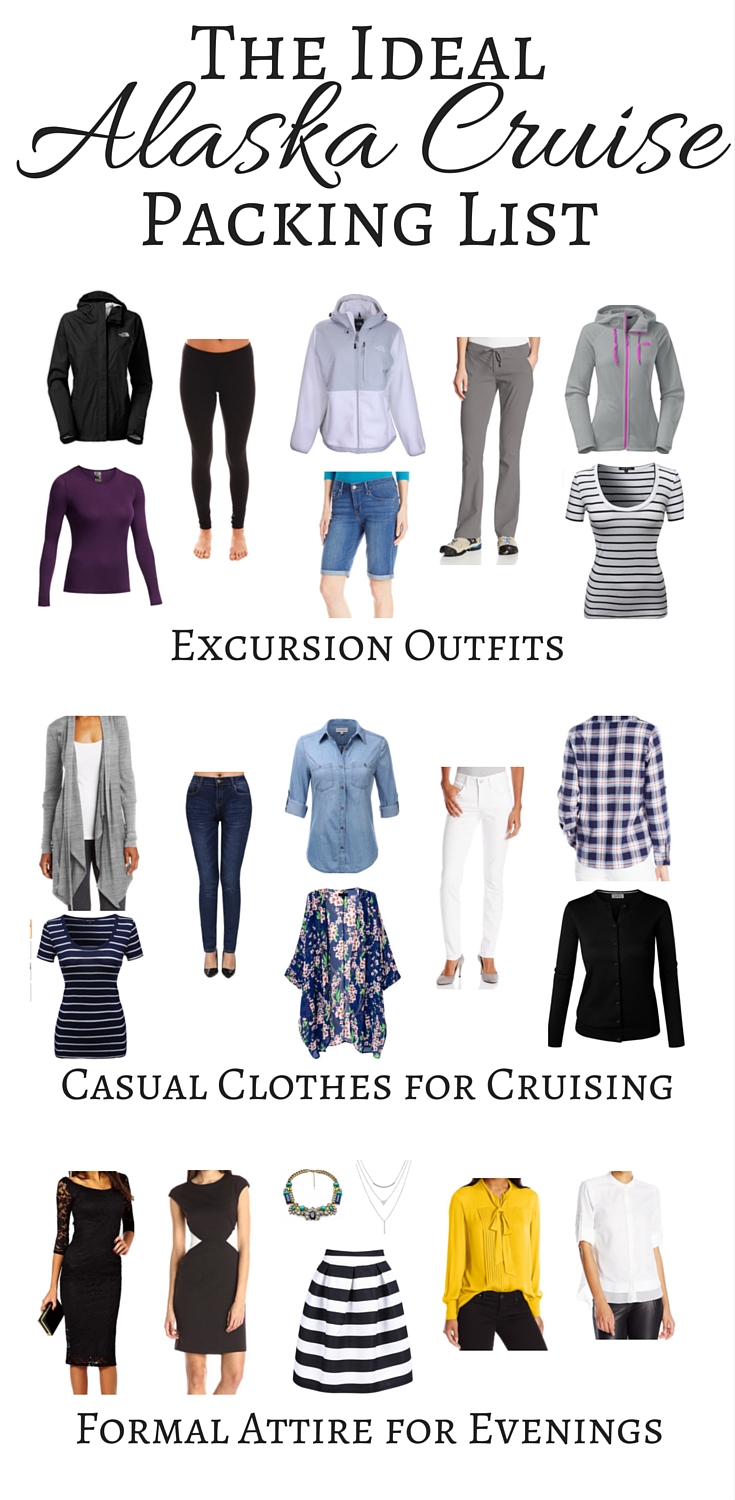
Outerwear: The Layering Investment
The cornerstone of Alaskan packing is a robust layering system, and this is where shrewd investment truly pays off.
- Waterproof and Windproof Outer Shell: Consider this your primary financial safeguard against the elements. A high-quality, breathable, and truly waterproof jacket (look for Gore-Tex or similar reputable membranes) is a significant investment. However, its value lies in preventing discomfort that could lead to costly last-minute purchases, ruined excursions, or even health issues that incur medical expenses. It also serves as a versatile piece for future outdoor adventures, offering excellent cost-per-use over time. Skimping here often results in buying a second, inferior jacket mid-trip.
- Insulating Mid-Layers: Fleece jackets or lightweight down/synthetic puffers are ideal. These pieces offer adjustable warmth without bulk. Financially, investing in a durable fleece means avoiding the need to continuously buy cheap sweaters or t-shirts when temperatures drop unexpectedly. Choose items that can be worn daily and easily cleaned, extending their utility and reducing laundry costs. Opt for quick-drying materials to minimize the need for specialized drying services.
- Base Layers: Moisture-wicking base layers (merino wool or synthetic) are crucial for comfort and temperature regulation. These are a modest investment that prevents clamminess and chills, which can diminish enjoyment and even prompt premature departure from costly excursions. Good quality base layers hold their shape and performance for many years, offering excellent return on investment for active individuals.
Footwear: Protecting Your Asset (Your Feet!)
Your feet are your most valuable asset for enjoying excursions and exploring ports. Financially, neglecting footwear can lead to expensive remedies like blister treatments, lost excursion fees due to discomfort, or even medical consultations.
- Waterproof Hiking Boots/Shoes: Invest in a comfortable, broken-in pair of waterproof hiking boots or sturdy walking shoes with good traction. This is paramount. The cost of a good pair is offset by preventing slips, falls, and wet feet, which can curtail activities and incur health-related expenses. Waterproofing protects not just your feet, but also your socks, extending their usable life.
- Comfortable Walking Shoes: For onboard activities, dining, and milder days in port, a secondary pair of comfortable, supportive walking shoes is beneficial. This diversifies your footwear options, prolonging the life of your hiking boots and offering a chance for your feet to rest, preventing overuse injuries.
- Wool/Synthetic Socks: Avoid cotton. Invest in several pairs of quality merino wool or synthetic blend socks. While seemingly minor, good socks prevent blisters, manage moisture, and extend comfort. Their durability and performance far outweigh the minimal upfront cost, preventing issues that might otherwise require medical attention or force you to buy overpriced replacements.
Smart Accessory Purchases: Beyond the Basics
Certain accessories represent smart, preventative financial investments.
- Waterproof Daypack: A moderately priced, durable, waterproof daypack protects your valuables (camera, phone, documents) from unexpected rain or spray during excursions, preventing costly damage or replacements.
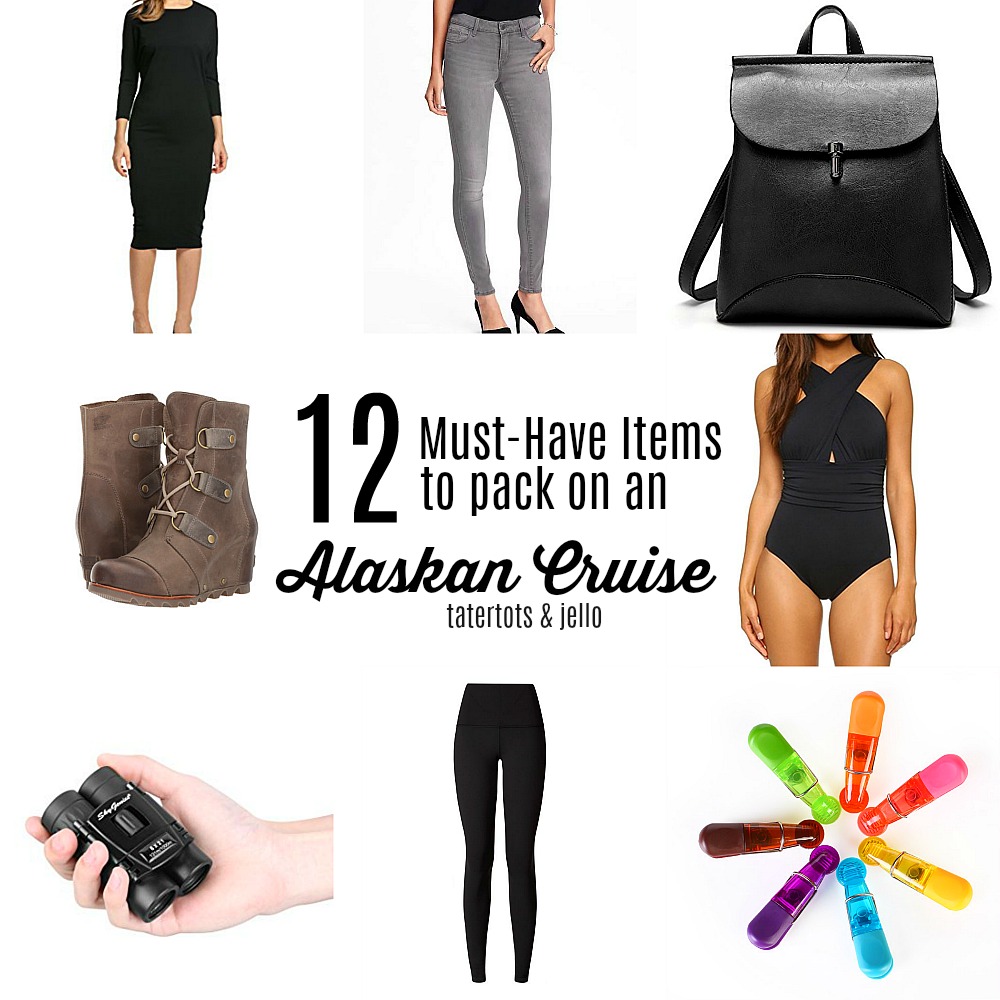
- Binoculars: Instead of relying on shared cruise line binoculars or missing crucial wildlife sightings, a personal pair of quality binoculars is a valuable, one-time purchase that enhances your experience exponentially, offering a personal “return” on your viewing investment.
- Gloves and Warm Hat: Even in June, temperatures can drop significantly, especially on whale watching tours or glacier viewing. These inexpensive items provide essential warmth, preventing discomfort that might otherwise drive you indoors or off an excursion prematurely, effectively wasting the cost of the excursion itself.
Optimizing Your Budget Onboard and Ashore: Packing for Savings
Smart packing extends beyond initial purchases; it’s about minimizing expenditure during the cruise itself. Every item you pack to use or consume instead of buying, contributes directly to your savings.
Avoiding Shipboard Markups: Personal Care & Comfort Items
Cruise ships, like any hospitality venue, mark up convenience items significantly. Packing these essentials is a direct financial win.
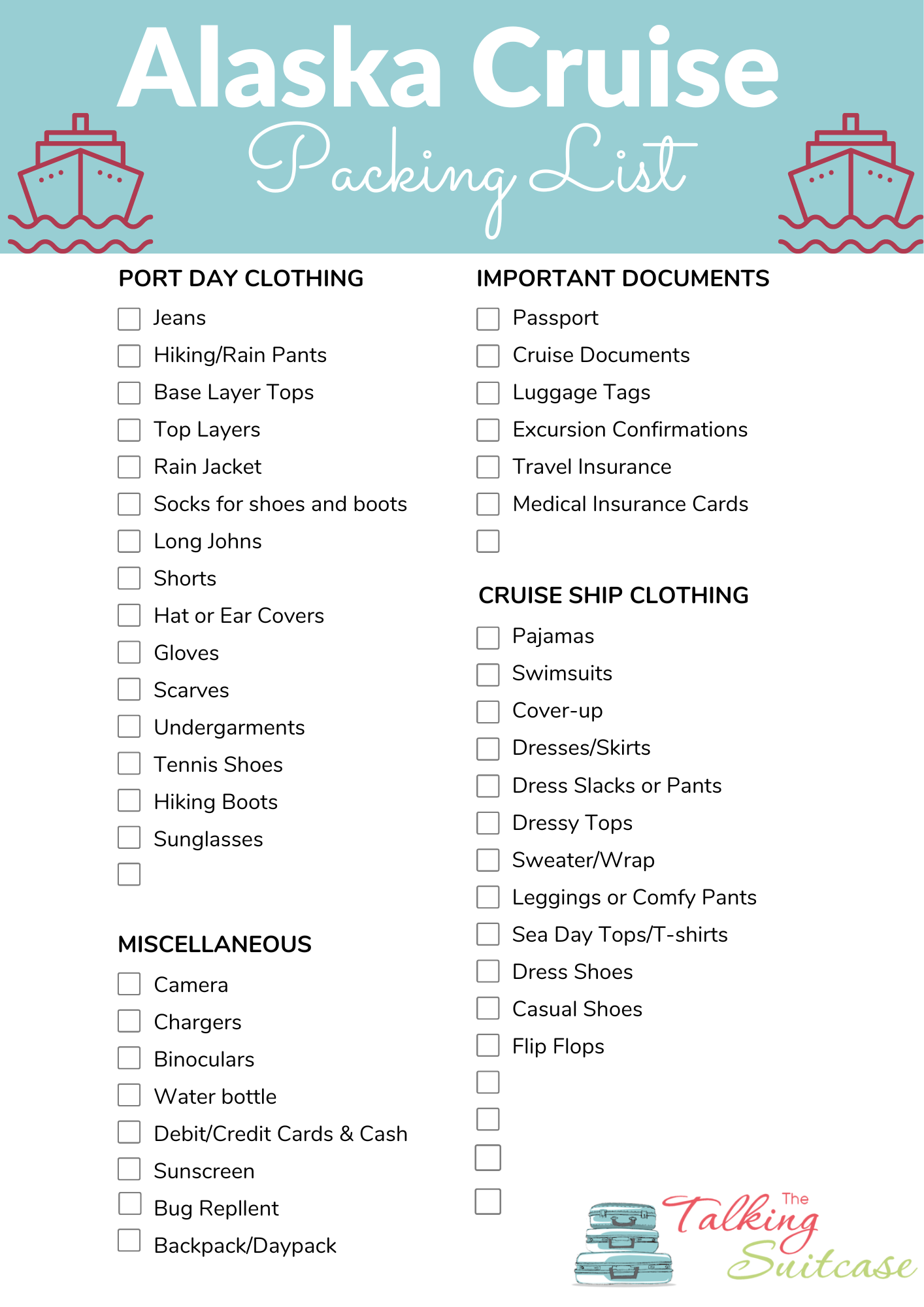
- Travel-Size Toiletries & Medications: Bring your preferred brands of shampoo, conditioner, body wash, lotion, toothpaste, and sunblock. A full supply for your trip avoids paying exorbitant prices for generic or unfamiliar brands onboard. Crucially, pack a comprehensive supply of any prescription medications, along with over-the-counter pain relievers, allergy medicine, antacids, and motion sickness remedies. The cost of purchasing these from the ship’s limited supply, or worse, visiting the onboard medical center, can be substantial.
- Reusable Water Bottle: This is a simple yet powerful money-saving tool. Most cruise ships offer filtered water stations. A reusable bottle allows you to stay hydrated without buying costly bottled water onboard or in port, saving potentially hundreds of dollars over a week-long cruise.
- Snacks and Protein Bars: While cruise food is plentiful, having your own supply of preferred snacks, especially for excursions, can prevent impulsive, expensive purchases from shipboard shops or portside vendors. This is particularly useful for managing dietary restrictions or simply curbing hunger between meals.
Beverage Savings: Hydration and Indulgence
Beverages are a significant profit center for cruise lines. Strategic packing can mitigate these costs.
- Coffee/Tea Bags & Portable Kettle: If you enjoy a specific type of coffee or tea, bringing your own instant packets or bags allows you to enjoy them with hot water from your cabin’s coffee maker (if available) or by purchasing a small, safe travel kettle. This avoids costly daily specialty coffee purchases.
- Alcohol Policy Adherence: Understand your cruise line’s alcohol policy regarding bringing wine or champagne onboard. If allowed, purchasing a bottle or two beforehand can offer substantial savings compared to ship prices, allowing you to enjoy a drink in your cabin without incurring restaurant markups.
Laundry Efficiency: Minimizing Costs with Smart Choices
Laundry services on a cruise ship are convenient but expensive. Packing strategically can reduce or eliminate these costs.
- Quick-Drying Clothing: Prioritize clothing made from quick-drying synthetic fabrics or merino wool. These materials allow you to wash smaller items (socks, underwear, base layers) by hand in your cabin sink and hang them to dry, avoiding professional laundry fees.
- Travel-Size Laundry Detergent: A small tube of concentrated liquid detergent or a few laundry sheets can facilitate in-cabin washing, providing immense financial savings over the course of the trip.
- Packing Cubes: While not directly saving money on laundry, packing cubes help organize clothes, making it easier to identify what’s clean and what needs washing, preventing unnecessary laundering of items. They also allow you to pack more efficiently, potentially reducing the need for an extra, fee-incurring checked bag.
Protecting Your Financial and Personal Investments: Secure Packing
Packing isn’t just about what you bring; it’s about how you protect what you bring, especially valuable assets. This aspect of personal finance focuses on loss prevention and contingency planning.
Safeguarding Valuables: Tech, Documents, and Jewelry
Protecting your investments, both monetary and sentimental, is paramount.
- Photography Equipment: If you’re bringing a DSLR or mirrorless camera with multiple lenses, invest in a waterproof camera bag or a reliable dry bag. This protects a significant financial investment from rain, spray, and accidental drops, preventing costly repairs or replacements. Ensure you have extra memory cards and a portable power bank for your phone/tablet to extend their utility without needing to buy expensive substitutes or charge points.
- Important Documents: Keep passports, identification, credit cards, and any crucial travel documents in a secure, waterproof travel wallet or pouch. Consider scanning copies of these documents and storing them securely in the cloud or emailing them to yourself as a backup in case of loss or theft. This minimizes financial and logistical headaches during a crisis.
- Jewelry and Irreplaceable Items: While an Alaskan cruise is often casual, if you plan to bring any valuable jewelry, ensure it is either minimal and well-secured or, ideally, left at home. The risk of loss, damage, or theft can be emotionally and financially devastating. If you must bring it, keep it in the cabin safe.
Health and Wellness: Pre-emptive Financial Measures
Health is wealth, and preventative packing can save significant medical costs.
- First-Aid Kit: A small, well-stocked first-aid kit with bandages, antiseptic wipes, pain relievers, blister treatment, and any personal allergy medications is a crucial financial buffer. Minor ailments can quickly escalate into expensive visits to the ship’s medical center if not addressed promptly.
- Eye Care: If you wear glasses or contacts, pack an extra pair of each. Losing or breaking them mid-cruise can be incredibly disruptive and lead to urgent, expensive replacements.
- Sun Protection: While Alaska might not conjure images of scorching sun, UV rays can be intense, especially on glacier viewing days. High SPF sunscreen, a wide-brimmed hat, and sunglasses protect your skin and eyes, preventing costly sunburn treatments and long-term health issues.
Contingency Planning: Financial Backup
Even the most meticulously planned trip can encounter unforeseen circumstances.
- Emergency Fund: While not a packing item, ensure you have access to an emergency fund or a secondary credit card specifically for unexpected expenses. This provides financial peace of mind.
- Travel Insurance Information: Pack copies of your travel insurance policy and contact numbers. This is a critical investment that can cover medical emergencies, trip cancellations, or lost luggage, mitigating significant potential financial losses.
Maximizing Value from Your Luggage: Avoiding Hidden Fees
A key aspect of financially savvy packing is managing your luggage to avoid costly airline baggage fees. Every dollar saved on baggage fees is a dollar available for experiences.
Carry-On vs. Checked: The Cost-Benefit Analysis
Carefully consider your airline’s baggage policies.
- Maximize Carry-On: If possible, pack everything into a carry-on and a personal item to avoid checked bag fees entirely. This requires discipline and efficient packing but can save significant money, especially for international flights or multi-leg journeys.
- Weight Limits: Pay close attention to both weight and size limits for checked bags. Overweight fees can be exorbitant. Invest in a small, portable luggage scale to avoid surprises at the airport check-in counter. This upfront purchase pays for itself after just one avoided overweight fee.
Smart Packing Techniques: Space and Weight Optimization
Efficient packing is a financial strategy.
- Rolling vs. Folding: Rolling clothes tightly can save space and reduce wrinkles, allowing you to fit more into less luggage.
- Wearing Bulky Items: Wear your heaviest and bulkiest items (hiking boots, outer jacket) on the plane. This removes them from your luggage weight and volume count.
- Utilize All Space: Stuff socks into shoes, fill empty spaces with smaller items. Every cubic inch saved reduces the potential for needing an additional bag, which carries a financial cost.
By approaching “what to pack for an Alaskan cruise in June” with a deliberate personal finance mindset, you transform a mundane task into an opportunity for strategic savings, proactive protection of your assets, and ultimately, a more relaxed and enjoyable travel experience without unnecessary financial drains.
aViewFromTheCave is a participant in the Amazon Services LLC Associates Program, an affiliate advertising program designed to provide a means for sites to earn advertising fees by advertising and linking to Amazon.com. Amazon, the Amazon logo, AmazonSupply, and the AmazonSupply logo are trademarks of Amazon.com, Inc. or its affiliates. As an Amazon Associate we earn affiliate commissions from qualifying purchases.