
The Book of Job, an ancient narrative often categorized as wisdom literature, presents a profound exploration of suffering, justice, and divine providence. While traditionally studied for its theological and philosophical insights, its core narrative—revolving around a remarkably wealthy man who loses everything and then has it restored two-fold—offers a compelling, albeit unconventional, lens through which to examine principles of money, financial resilience, and the nature of prosperity. Far from a mere religious text, Job’s story serves as a timeless case study in extreme financial loss, the transient nature of wealth, and the intrinsic value beyond material assets, resonating deeply with discussions in personal finance, business endurance, and the philosophy of wealth.
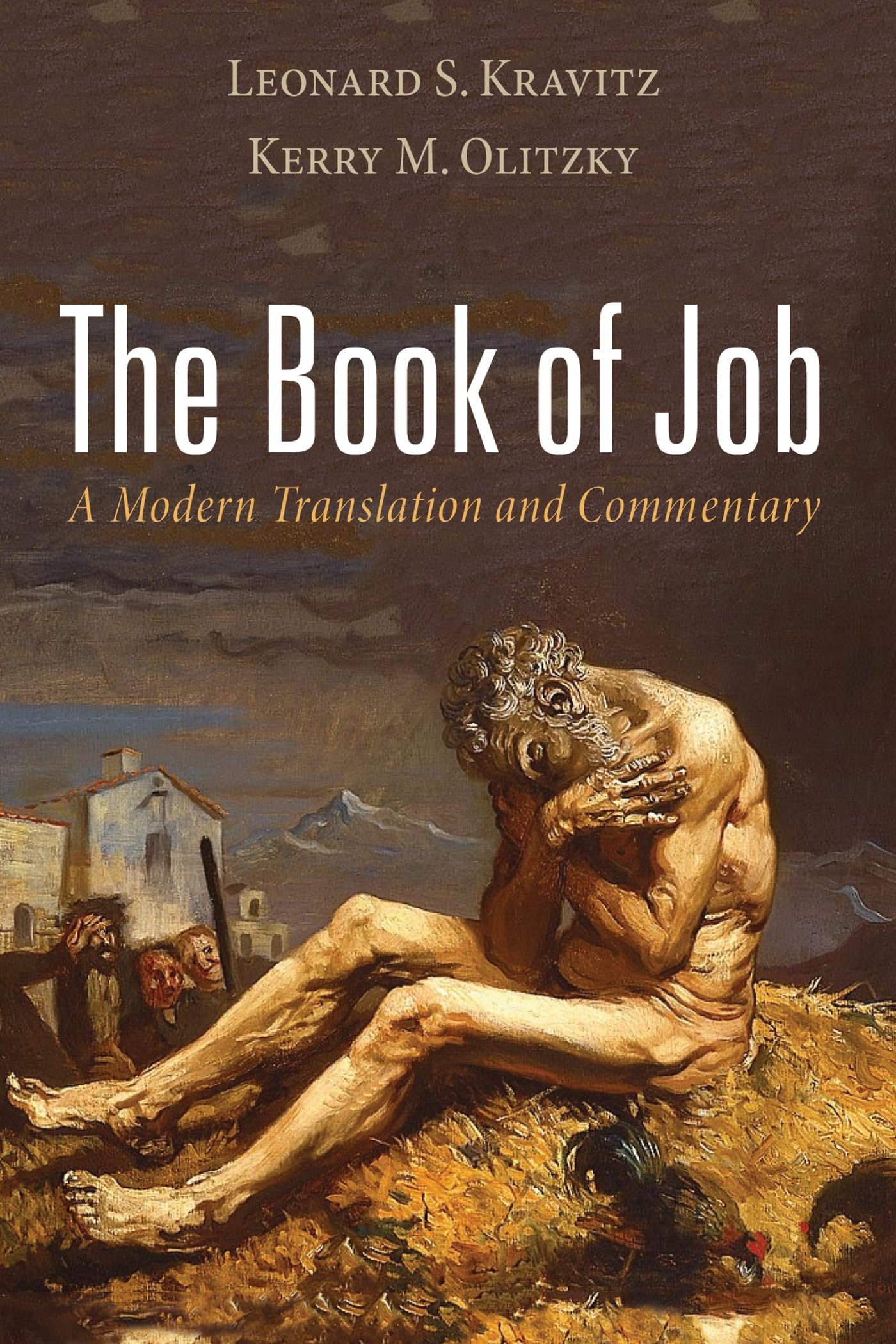
A Testament to Financial Resilience and Loss
At its heart, the Book of Job is a dramatic narrative of an individual’s financial and personal catastrophe, followed by an extraordinary recovery. It plunges into the depths of economic ruin, offering a stark portrayal of what happens when a seemingly impregnable financial foundation crumbles entirely.
The Anatomy of Job’s Wealth and Ruin
Job is introduced as “the greatest of all the people of the East.” His wealth is enumerated in staggering detail: seven thousand sheep, three thousand camels, five hundred yoke of oxen, five hundred donkeys, and a vast retinue of servants. This meticulous accounting underscores his immense material prosperity, positioning him as a titan of industry and a beacon of success in his time. Such detailed inventory serves not only to establish his societal standing but also to magnify the scale of his subsequent downfall.
The narrative then orchestrates a series of devastating events that dismantle Job’s entire financial empire with terrifying speed. Raiders steal his oxen and donkeys, killing his servants. Lightning strikes, incinerating his sheep and more servants. Chaldean raiders steal his camels and kill their attendants. Finally, a great wind destroys the house where his children are feasting, claiming all their lives. In a single day, Job loses his entire accumulated wealth, his assets, and his heirs—the very continuation of his financial legacy. This immediate and total annihilation of wealth highlights the inherent fragility of even the most robust financial portfolios when confronted with forces beyond human control. It serves as a stark reminder for contemporary financial planners about diversification, risk assessment, and the potential for unforeseen, catastrophic Black Swan events that can erode even the most carefully constructed financial security.
Navigating Extreme Financial Adversity
Job’s response to this unparalleled financial and personal calamity is central to understanding the book’s message about resilience. Despite the absolute destruction of his livelihood and family, he “tore his robe and shaved his head… Then he fell to the ground in worship.” This initial reaction, while grief-stricken, is devoid of despair or self-pity in a way that suggests a deeper understanding of wealth’s impermanence. His famous declaration, “Naked I came from my mother’s womb, and naked I will depart. The Lord gave and the Lord has taken away; may the name of the Lord be praised,” is a profound statement on financial detachment.
From a modern financial perspective, Job’s narrative forces a contemplation of absolute financial wipeout. How does one recover when all liquid assets, fixed assets, and even future income generators (his children who would have inherited and continued his business) are gone? The story suggests that true resilience isn’t just about bouncing back but about maintaining an internal framework that can withstand external shocks. It poses questions about the mental and emotional fortitude required when all financial plans fail, and the market, or life itself, delivers a knockout blow. The resilience demonstrated by Job, even in his subsequent struggles with physical ailment and philosophical debate, speaks to a psychological robustness essential for any entrepreneur or investor facing significant setbacks.
Beyond Material Riches: The True Assets
While the Book of Job meticulously details material wealth, its enduring lesson transcends the ledger sheets, pointing to an intrinsic form of capital that remains invaluable even in financial destitution.
Intangible Capital in the Face of Economic Downturns

When Job’s material wealth is obliterated, what remains? His integrity, reputation, and wisdom are the only assets left untouched. His “friends” initially come to comfort him, acknowledging his previous standing and his current plight, even if their subsequent advice proves misguided. This underscores the concept of intangible capital – the non-physical resources that contribute to an individual’s or a business’s long-term value and resilience.
In today’s business world, intangible assets like brand reputation, intellectual property, customer loyalty, and strong leadership are increasingly recognized as critical for sustainable success. For an individual, personal branding, professional networks, integrity, and a strong work ethic constitute a form of human capital that no market crash can fully erase. Job’s narrative suggests that investing in these intangible assets—maintaining good character, cultivating wisdom, and upholding ethical standards—can provide a foundation for eventual recovery even when tangible assets are lost. These are the assets that dictate one’s ability to rebuild, secure new opportunities, and garner trust, which are priceless in any economic environment.
Reassessing Value: The Role of Faith and Integrity
The prolonged philosophical debate between Job and his friends, focusing on the relationship between righteousness and prosperity, delves into the very definition of value. Job’s friends operate under a transactional view of wealth: good deeds lead to good fortune, and suffering implies wrongdoing. Job steadfastly refutes this, maintaining his integrity despite his suffering and rejecting the notion that his value is solely tied to his material condition.
This debate forces a crucial reassessment of what truly constitutes “wealth” and “success.” Is it purely the sum of one’s financial portfolio? Or does true value encompass moral fortitude, unwavering principles, and a sense of purpose beyond profit? For investors and business leaders, the Book of Job offers a profound meditation on the long-term return on investment of integrity. A company that consistently operates with transparency and ethical conduct builds a reservoir of trust that can serve as a powerful buffer during financial crises. Similarly, an individual whose personal finance is guided by principles beyond mere accumulation might find greater peace and long-term stability, even if their material wealth fluctuates. The book champions a perspective where integrity and steadfastness are not just moral virtues but strategic assets, securing a form of prosperity that is impervious to market volatility.
Divine Economy and Long-Term Prosperity
Ultimately, the Book of Job culminates in a remarkable restoration of wealth and well-being, suggesting a broader framework for understanding prosperity that transcends conventional economic models.
The Source and Restoration of Wealth
In the book’s concluding chapters, Job’s suffering ends, and his financial fortunes are not just restored but doubled. “The Lord made him prosperous again and gave him twice as much as he had before.” He receives fourteen thousand sheep, six thousand camels, a thousand yoke of oxen, and a thousand donkeys. His family is also restored, with new children and renewed relationships. This extraordinary reversal highlights a concept of “divine economy” where wealth is ultimately seen as a blessing from a higher power, rather than solely the result of human endeavor or market forces.
For those grappling with the unpredictability of wealth accumulation and loss, Job’s story offers a perspective that places material prosperity within a larger, often inscrutable, cosmic plan. It suggests that while human effort and prudent financial management are important, there are also factors beyond our complete control that influence financial outcomes. This doesn’t negate the need for smart financial planning, but rather grounds it in a broader philosophical understanding of where ultimate provision originates. It encourages a perspective of stewardship over accumulation, recognizing that wealth, however acquired, may have a transient nature and a source beyond individual control. This view can foster a healthier relationship with money, reducing anxiety over market fluctuations and fostering gratitude during periods of abundance.

A Framework for Financial Philosophy and Resilience
The Book of Job, therefore, provides a potent philosophical framework for approaching money, wealth, and financial resilience. It challenges the simplistic equation of material prosperity with moral righteousness and forces a deeper inquiry into the meaning of success and suffering.
For individuals and businesses navigating the volatile landscape of modern finance, the lessons are profound:
- Acknowledge the Fragility of Wealth: No matter how vast, material assets are vulnerable to sudden and catastrophic loss. Diversification, emergency funds, and robust risk management are practical acknowledgments of this truth.
- Invest in Intangible Assets: Integrity, reputation, strong relationships, wisdom, and a resilient spirit are forms of capital that retain their value even when financial markets collapse. These assets are crucial for recovery and long-term sustainability.
- Cultivate Detachment and Perspective: Job’s initial reaction to loss demonstrates an ability to separate self-worth from net worth. This psychological resilience is invaluable for maintaining emotional stability during financial downturns and making rational decisions rather than fear-driven ones.
- Embrace a Long-Term View: The narrative of Job’s eventual restoration, after a period of intense suffering, underscores the importance of perseverance and a long-term perspective. Financial setbacks are not necessarily permanent, and sustained integrity can lead to renewed prosperity.
In essence, “What is the Book of Job?” is a question that, when viewed through a financial lens, reveals a rich tapestry of insights into wealth, loss, resilience, and the enduring value of non-material capital. It is not a how-to guide for making money, but a profound philosophical discourse on how to relate to it, how to endure its absence, and what truly defines prosperity in the grander scheme of existence.
aViewFromTheCave is a participant in the Amazon Services LLC Associates Program, an affiliate advertising program designed to provide a means for sites to earn advertising fees by advertising and linking to Amazon.com. Amazon, the Amazon logo, AmazonSupply, and the AmazonSupply logo are trademarks of Amazon.com, Inc. or its affiliates. As an Amazon Associate we earn affiliate commissions from qualifying purchases.